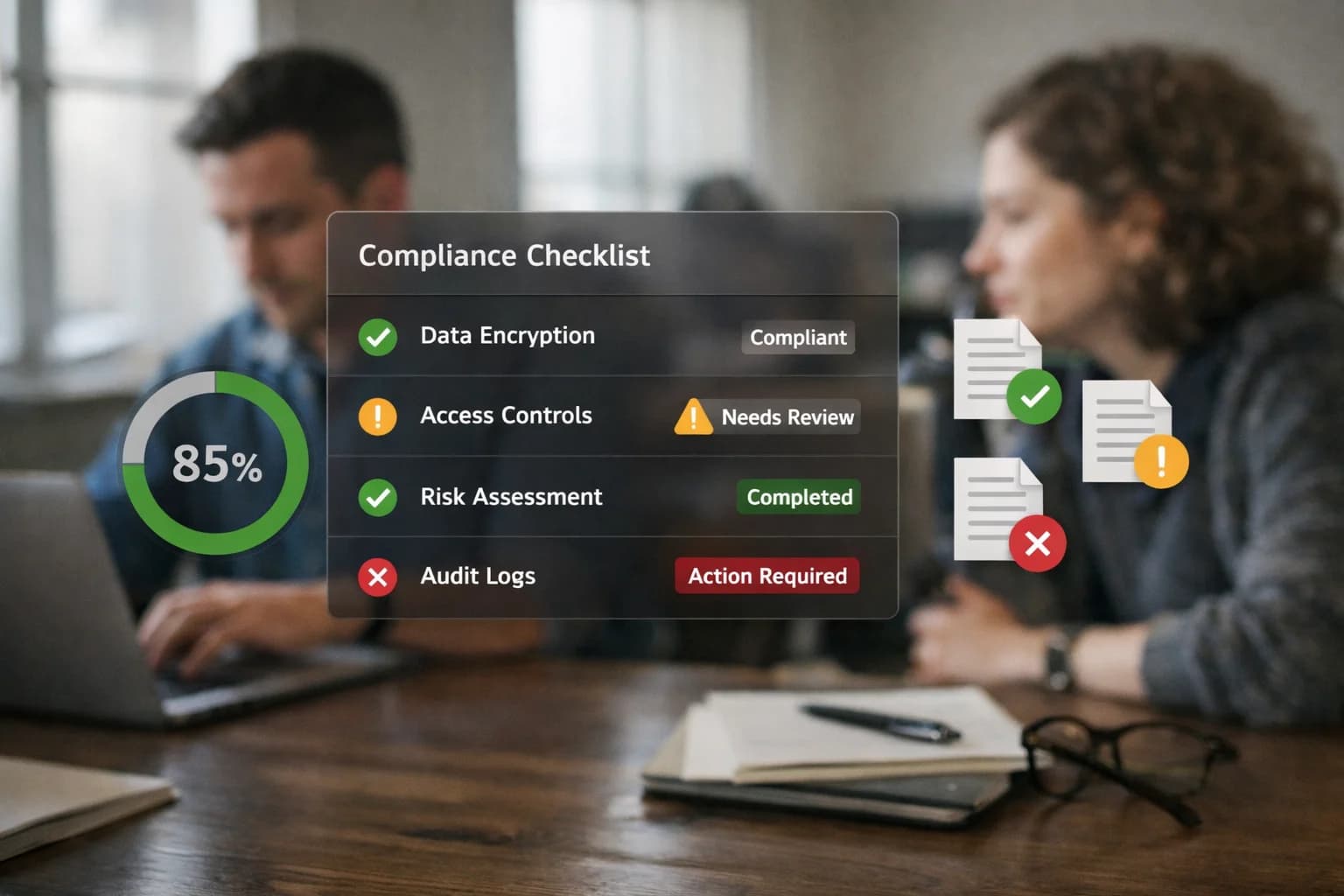
A technical blueprint for integrating AI analytics engines with PR platforms to automate campaign attribution, calculate earned media value, correlate coverage with business outcomes, and generate stakeholder dashboards.
From Manual Spreadsheets to Automated PR Intelligence
A technical blueprint for replacing manual PR measurement with AI-driven analytics that connect directly to your media monitoring platform.
Traditional PR measurement often involves exporting CSV files from platforms like Meltwater or Cision, manually tagging coverage in spreadsheets, and calculating metrics like Ad Value Equivalency (AVE) or Share of Voice. This process is error-prone, slow, and fails to connect coverage to business outcomes like website traffic, lead generation, or deal influence. An AI integration injects an analytics engine between your PR platform's API and your data warehouse, automating the ingestion, classification, and correlation of media data.
The implementation typically involves:
Event Ingestion: Setting up webhooks or scheduled API calls from your PR platform (e.g., Meltwater's mentions endpoint) to stream new coverage into a processing queue.
AI Enrichment Pipeline: Each mention is processed by a series of models:
A classification model tags articles by campaign, product, or initiative using your custom taxonomy.
A sentiment & entity model extracts key themes, competitor mentions, and spokesperson quotes.
A correlation engine matches coverage dates/topics with Google Analytics UTM parameters or CRM campaign IDs to model impact.
Automated Reporting: Enriched data is written to a Snowflake or BigQuery table, powering live dashboards in Tableau or Looker that show earned media value, sentiment trends, and correlated pipeline metrics—eliminating the weekly spreadsheet ritual.
Rollout is phased, starting with a single campaign or product line to validate taxonomy and correlation logic. Governance is critical: all AI-generated tags should have a human-in-the-loop review interface in the first 90 days, and prompts classifying subjective metrics like 'tone' must be audited for brand safety. The final architecture provides a single source of truth for PR ROI, turning a backward-looking reporting exercise into a forward-looking strategic tool for comms leadership.
AI FOR PR MEASUREMENT AND ROI
Where AI Connects to Your PR Stack
Automating Impact Analysis
AI connects directly to the analytics modules of platforms like Meltwater, Cision, and Brandwatch to transform raw coverage data into actionable ROI insights. Instead of manually tagging and categorizing thousands of mentions, AI models can be triggered via platform webhooks or API calls to automatically:
Classify coverage by campaign, product line, or strategic pillar using custom taxonomies.
Calculate Earned Media Value (EMV) by applying dynamic, region-specific multipliers to coverage metrics, adjusting for outlet authority and sentiment.
Correlate media spikes with business outcomes like website traffic (via Google Analytics API) or CRM lead sources to build attribution models.
This automation shifts analysis from a monthly reporting chore to a real-time dashboard, enabling PR teams to pivot strategies based on measurable impact.
AUTOMATED ANALYTICS AND REPORTING
High-Value AI Use Cases for PR Measurement
Integrating AI analytics engines with platforms like Meltwater, Cision, and Muck Rack automates the heavy lifting of PR measurement—transforming raw coverage data into actionable insights, attributable ROI, and stakeholder-ready dashboards.
01
Automated Earned Media Value (EMV) Calculation
AI parses coverage volume, outlet tier, and sentiment to apply configurable valuation models (e.g., CPM-based, qualitative multipliers), auto-generating EMV figures for campaigns and initiatives. Workflow: Ingest platform APIs → apply valuation rules → push to BI dashboards.
Batch -> Real-time
Calculation speed
02
Campaign Attribution & Outcome Correlation
Models correlate media spikes with business data (web traffic, lead volume, deal pipeline) ingested from CRM and analytics platforms. Identifies which PR activities drove measurable outcomes, moving beyond vanity metrics. Integration: Webhook triggers from PR platform to AI engine with data enrichment.
1 sprint
To initial model
03
Executive Briefing Dashboard Generation
AI agents synthesize daily/weekly monitoring feeds into narrative-driven briefs for leadership, highlighting share of voice, sentiment trends, key mentions, and competitive moves. Workflow: Scheduled job queries platform APIs → LLM summarizes → outputs to PowerPoint/email.
Hours -> Minutes
Report creation
04
Stakeholder Sentiment Mapping
Goes beyond basic sentiment to classify coverage and social conversation by stakeholder group (investors, customers, regulators). Tracks sentiment trajectories and flags emerging risks or advocacy opportunities for each audience. Pattern: Entity recognition + topic clustering on platform data.
Same day
Insight turnaround
05
Regulatory & Compliance Monitoring
For regulated industries (finance, healthcare), AI scans coverage for mentions of specific regulations, compliance risks, or required disclosures. Automates alerts and logs findings for legal review. Integration: Connects PR platform alerts to compliance workflow systems like ServiceNow.
06
Predictive Impact Forecasting
Uses historical campaign data, media mix, and external factors to model the likely impact of planned PR activities on metrics like share of voice or sentiment. Helps optimize budget and strategy before launch. Implementation: Custom model training on platform historical data exports.
PR ANALYTICS AUTOMATION
Example AI-Powered Measurement Workflows
These workflows illustrate how AI agents can connect to your PR platform's APIs and data warehouse to automate measurement tasks that typically require manual consolidation, analysis, and reporting. Each flow is designed to be triggered by events, schedules, or human requests.
Trigger: Campaign end date is reached in the PR platform (e.g., Meltwater, Cision) or a manual "Generate Report" request is submitted.
Context/Data Pulled:
Fetches all coverage (articles, broadcasts, social posts) tagged to the campaign from the monitoring platform's API.
Pulls corresponding website traffic data (sessions, conversions) from Google Analytics via its API, using UTM parameters or mention URLs.
Retrieves campaign spend and budget data from the finance system or a shared spreadsheet.
Model or Agent Action:
An AI agent analyzes the aggregated data:
Calculates total impressions, reach, and estimated advertising value (AVE) using configured multipliers.
Correlates coverage spikes with website traffic and conversion lifts.
Generates a narrative summary highlighting top-performing outlets, key messages that landed, and any sentiment shifts.
Produces a cost-per-impression (CPM) and estimated ROI figure based on spend vs. derived media value.
System Update or Next Step:
The agent formats the analysis into a pre-designed slide deck (PPT/Google Slides) or a PDF report.
It posts the report to a designated Slack channel or Microsoft Teams chat for the PR team and stakeholders.
A link to the report is automatically logged against the campaign record in the PR platform or the team's project management tool (e.g., Asana).
Human Review Point: The final report is sent for a quick review by the PR lead before it is shared with executive stakeholders. The agent can be configured to await an approval signal before wider distribution.
FROM RAW MENTIONS TO ACTIONABLE ROI
Implementation Architecture: Data Flow and Model Layer
A technical blueprint for connecting AI analytics to your PR platform's data pipeline to automate measurement and attribution.
The integration architecture connects at the data export or API layer of your PR platform (e.g., Meltwater's Reporting API, Cision's Impact API, or Muck Rack's Analytics endpoints). A scheduled ingestion job pulls raw mention data—including article URLs, broadcast transcripts, social posts, and platform-native metrics like reach and sentiment—into a dedicated vector-enabled data lake. Here, the data is enriched: transcripts are generated from audio/video, entities (brands, products, spokespeople, competitors) are extracted, and content is embedded for semantic search. This creates an AI-ready fact base that links coverage to business context.
The core model layer operates on this enriched data. Specialized models run in parallel: a sentiment and theme classifier tags mentions with nuanced emotions and emerging narrative frames; an attribution model uses fuzzy matching and campaign calendars to link coverage to specific PR activities; and a valuation engine applies configurable rules (e.g., weighted AVE, lead value multipliers) to calculate ROI. Results are pushed back to the PR platform via its Custom Dashboard or BI connector API, and trigger alerts in tools like Slack or Microsoft Teams when key thresholds are met.
Rollout is phased, starting with a single campaign or region to validate data mappings and model accuracy. Governance is critical: a human-in-the-loop review step is maintained for high-value or sensitive attribution calls, with all AI-generated scores and tags logged to an audit trail. This architecture ensures PR leaders move from manual spreadsheet jockeys to data-driven strategists, with same-day insights into what's working and why.
AI-DRIVEN MEASUREMENT WORKFLOWS
Code and Payload Examples
Automating Earned Media Value (EMV)
This workflow connects to a PR platform's coverage API, retrieves recent mentions, and uses an AI model to classify and value each item based on tiered criteria (e.g., top-tier publication, sentiment, key message inclusion). The calculated values are then pushed back to the platform for dashboarding.
Example Python Payload for AI Scoring:
python
import requests
# 1. Fetch recent coverage from PR platform API
coverage_response = requests.get(
'https://api.prplatform.com/v1/mentions',
headers={'Authorization': 'Bearer YOUR_API_KEY'},
params={'date_range': 'last_7_days'}
).json()
# 2. Prepare payload for AI valuation model
valuation_payload = {
"mentions": [
{
"id": mention['id'],
"outlet": mention['source_name'],
"reach": mention.get('audience_size', 0),
"sentiment": mention.get('sentiment_score'),
"text": mention['content_snippet'],
"contains_key_message": None # To be determined by AI
}
for mention in coverage_response['results'][:10]
]
}
# 3. Call AI service for classification & valuation
ai_response = requests.post(
'https://your-ai-endpoint/valuate',
json=valuation_payload,
headers={'Content-Type': 'application/json'}
).json()
# ai_response returns:
# {"valuations": [{"mention_id": "abc123", "tier": "Tier 1", "estimated_value": 12500, "key_message_match": true}, ...]}
How integrating AI analytics with platforms like Meltwater, Cision, and Muck Rack transforms manual reporting and measurement workflows into automated, insight-driven operations.
Metric
Before AI
After AI
Notes
Earned Media Value (EMV) Calculation
Manual spreadsheet analysis, 4-6 hours per report
Automated calculation and dashboard refresh, <15 minutes
Ensures consistency and frees analysts for strategic review
Campaign Attribution Report
Cross-referencing data from 3+ tools over 2-3 days
Unified dashboard with correlated metrics, same-day generation
Links coverage spikes to web traffic and lead sources automatically
Sentiment & Trend Analysis
Manual sampling of 100-200 articles for a quarterly review
AI analyzes 100% of coverage in real-time with trend alerts
Identifies emerging narratives and sentiment shifts as they happen
Executives access self-service insights; PR team handles exceptions
Coverage Quality Scoring
Subjective, team-based rating of top clips
AI-assisted scoring on relevance, prominence, and message pull-through
Provides objective benchmarks for campaign performance
ROI Narrative Generation
Manual drafting of summary paragraphs for leadership
AI drafts narrative insights from data; human edits for nuance
Turns spreadsheets into compelling stories for budget reviews
Competitor Share of Voice Tracking
Monthly manual audit, prone to sampling error
Continuous tracking with weekly automated alerts on changes
Enables proactive strategy adjustments versus retrospective analysis
IMPLEMENTING AI ANALYTICS FOR PR MEASUREMENT
Governance, Security, and Phased Rollout
A practical guide to deploying, governing, and scaling AI-powered measurement integrations with platforms like Meltwater, Cision, and Muck Rack.
A production-grade AI integration for PR measurement must be built on a governed data pipeline. This typically involves creating a secure service that pulls raw coverage data, sentiment scores, and impression metrics via the platform's APIs (e.g., Meltwater's Reporting API, Cision's Communications Cloud API). This data is then enriched by your AI models—which calculate earned media value, correlate spikes in coverage with web traffic or sales data, and generate narrative insights—before results are written back to a dedicated dashboard object or a custom reporting module within the PR platform. All data flows should be logged, with access controlled via the platform's existing RBAC to ensure only authorized users (e.g., PR directors, analytics managers) can view or trigger AI-generated reports.
Security is paramount when connecting AI to PR data, which often contains embargoed news, competitive intelligence, and pre-release financials. Implement the integration using service accounts with least-privilege API tokens, and ensure all AI model calls and data processing occur within your secure VPC or a private cloud environment. For models that process personally identifiable information (PII) of journalists or stakeholders, implement data anonymization or use on-premise model hosting. Audit trails should capture every AI-generated insight—like an automated ROI calculation or a predicted attribution score—linking it back to the source coverage, the user who requested it, and the specific model version used, providing full transparency for compliance reviews.
A phased rollout mitigates risk and builds trust. Start with a pilot workflow in a single dashboard or report, such as automating the weekly calculation of Advertising Value Equivalency (AVE) for a specific brand or product line. Use this phase to validate the AI's output against manual calculations, calibrate models, and gather feedback from a small group of power users. Phase two can expand to correlative analytics, like automatically flagging coverage that coincides with website referral spikes, and generating initial hypotheses for campaign attribution. The final phase involves enterprise-wide deployment, integrating AI insights into executive briefing packs and triggering automated alerts when coverage sentiment deviates from business KPIs, turning measurement from a retrospective report into a real-time decision-support system.
Enabling Efficiency, Speed & Accuracy
Intelligent Analysis, Decision & Execution
We build AI systems for teams that need search across company data, workflow automation across tools, or AI features inside products and internal software.
AI FOR PR MEASUREMENT AND ROI
FAQ: Technical and Commercial Questions
Practical answers for PR leaders and technical teams evaluating AI integrations to automate campaign attribution, calculate earned media value, and generate stakeholder dashboards.
Integration typically occurs via the platform's API layer (e.g., Meltwater's Analytics API, Cision's Impact API) to pull structured campaign data, unstructured coverage text, and engagement metrics. The architecture involves:
Data Ingestion: Scheduled API calls or webhook listeners fetch coverage reports, mention metadata, and campaign KPIs.
Enrichment Pipeline: Raw data is sent to AI services for:
Sentiment & Entity Extraction: Classifying tone and identifying key brands, executives, or products.
AVE Calculation: Applying configurable models to estimate advertising value equivalency, factoring in outlet tier, reach, and sentiment.
Correlation Engine: Enriched data is joined with business outcome data (e.g., web traffic from Google Analytics, lead sources from Salesforce) via a secure data pipeline to model correlations.
Dashboard Update: Results are pushed back to the PR platform's reporting module or to a connected BI tool (e.g., Tableau) via API to update executive dashboards.
Key technical requirements: API keys with appropriate scopes, a secure middleware layer (like Inference Systems' integration platform) to orchestrate workflows, and a vector or analytical database for temporary data processing.
About the author
Prasad Kumkar
CEO & MD, Inference Systems
Prasad Kumkar is the CEO & MD of Inference Systems and writes about AI systems architecture, LLM infrastructure, model serving, evaluation, and production deployment. Over 5+ years, he has worked across computer vision models, L5 autonomous vehicle systems, and LLM research, with a focus on taking complex AI ideas into real-world engineering systems.
His work and writing cover AI systems, large language models, AI agents, multimodal systems, autonomous systems, inference optimization, RAG, evaluation, and production AI engineering.
Partnered with leading AI, data, and software stack.
How We Work
Custom AI workflows for your Business
One-fit-all AI don't work for modern businesses. At Inferensys, we aim to understand your business & custom requirements; which we use to define most efficient agentic workflows, the data, and the tools for your business.
The first call is a practical review of your use case and the right next step.