In a Long-Term Care (LTC) pharmacy, the core workflow revolves around the medication cart fill and its delivery to a specific facility, unit, and resident. AI integration targets the platform's cart processing module, resident profile database, and facility-specific rule sets. The primary data objects are the fill list, resident MAR (Medication Administration Record), and facility formulary/packaging instructions. An AI agent can be triggered post-fill but pre-verification to cross-reference each medication against the resident's current orders, known allergies, and facility-approved drug list, flagging mismatches for pharmacist review before the cart is sealed.

Integration
AI Integration for Pharmacy Management Platform Long-Term Care Pharmacy
A technical blueprint for embedding AI into McKesson EnterpriseRx, PioneerRx, PrimeRx, and BestRx to automate LTC-specific workflows like cart fill verification, MAR reconciliation, and facility communication.
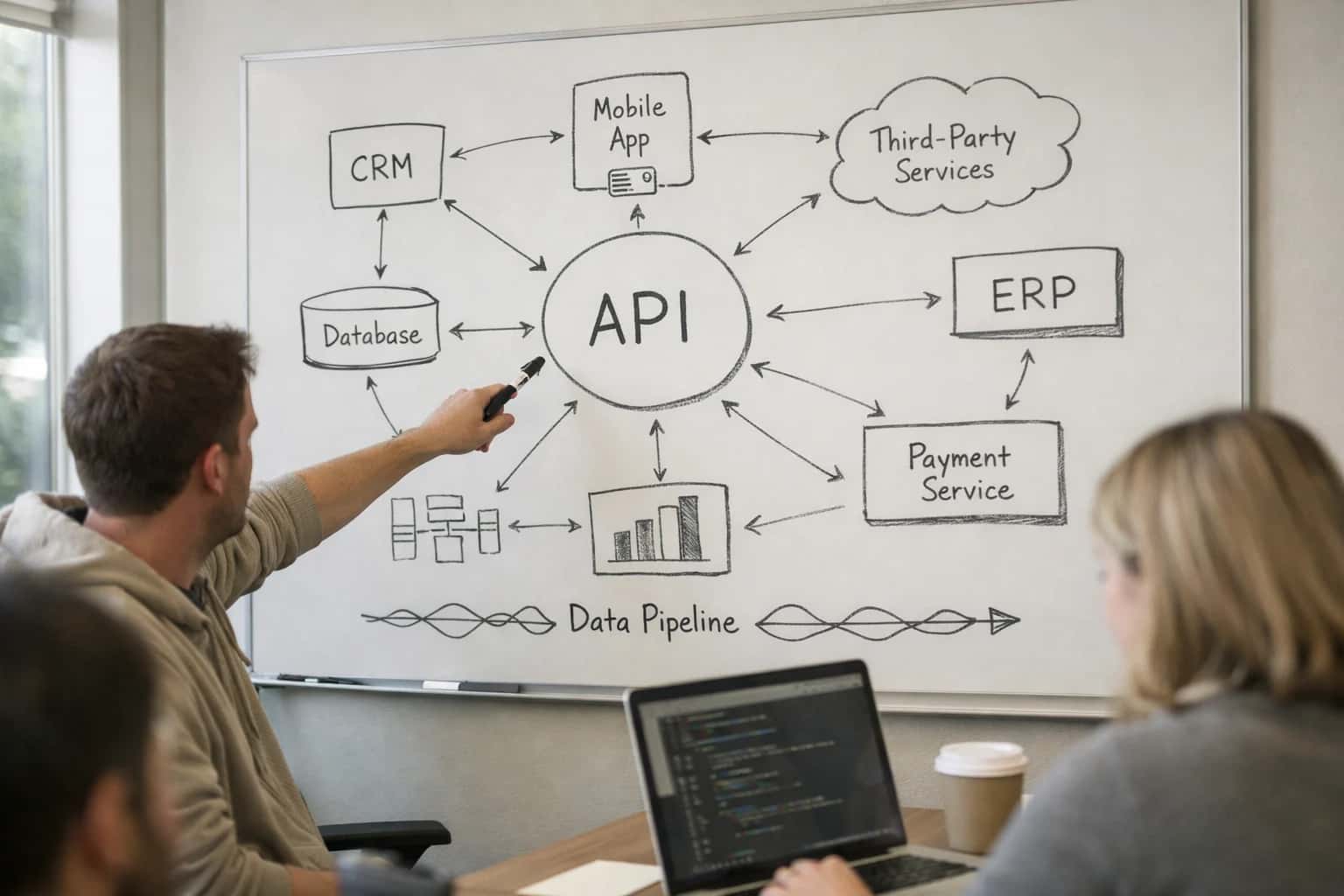
ARCHITECTURE FOR FACILITY-CENTRIC WORKFLOWS
Where AI Fits in Long-Term Care Pharmacy Operations
Integrating AI into pharmacy management platforms for LTC requires a facility-aware approach to automate cart fill verification, packaging instructions, and nurse communication.
Beyond clinical safety, LTC operations are burdened by manual communication with facility nurses. An integrated AI copilot can automate status updates and exception handling. For example, when a dispensing exception (like a backorder or a need for prior authorization) is logged in the pharmacy platform, an AI agent can automatically draft a clear, compliant message to the designated facility nurse via the platform's preferred channel (email, EHR integration, or secure portal), citing the resident, medication, and expected resolution timeline. This turns a manual phone call into a logged, asynchronous workflow, freeing technician time for resolution tasks.
Rollout requires a phased, facility-by-facility approach. Start by connecting the AI to a single facility's data and communication rules within the platform, using a sandbox environment to test cart verification logic against historical fill data. Governance is critical: all AI-generated communications must be reviewed and approved by a pharmacist before the first send, with a clear human-in-the-loop approval step configurable within the platform's workflow engine. Over time, as confidence grows, the system can be configured to auto-send routine notifications (e.g., "Cart dispatched") while still escalating clinical or supply issues for pharmacist review.
LONG-TERM CARE PHARMACY
Integration Surfaces in Your Pharmacy Management Platform
Automating Facility-Specific Cart Workflows
Long-term care pharmacy revolves around the cart fill process, where medications are packaged by dose, time, and resident. AI integrates directly into this core workflow by connecting to the platform's cart fill module or packaging queue.
Key Integration Points:
- Cart Fill Verification: An AI agent monitors the queue for new cart fill orders. It cross-references the resident's medication profile against the platform's MAR (Medication Administration Record) to flag discrepancies in drug, dose, or schedule before packaging begins.
- Packaging Instruction Generation: For facilities with unique blister card or pouch requirements, AI reads the platform's facility profile and prescription sig codes to generate precise, machine-readable packaging instructions, reducing manual data entry errors.
- Exception Handling: When a drug is out of stock or a prescription change occurs mid-fill, the AI can trigger an alert within the platform to pause the cart, notify the pharmacist, and suggest an alternative from inventory, logged directly to the resident's profile.
This integration turns a manual, error-prone verification step into an automated, auditable pre-check, ensuring each cart matches the facility's exact protocol.
LONG-TERM CARE PHARMACY OPERATIONS
High-Value AI Use Cases for LTC Pharmacy
AI integration for Long-Term Care pharmacy platforms automates the complex, facility-specific workflows that drive medication safety and operational efficiency. These use cases connect directly to your pharmacy management system's data model and automation layer.
01
Automated Cart Fill Verification & MAR Reconciliation
AI agents ingest facility-specific Medication Administration Records (MARs) and cart fill lists from the platform to pre-verify each patient's medications against current orders, allergies, and facility formulary. Flags discrepancies (e.g., dose changes, new holds) for pharmacist review before packaging, reducing manual cross-checking time.
Hours -> Minutes
Verification time
02
Facility-Specific Packaging & Labeling Instructions
Integrates with the platform's facility profile and packaging rules to dynamically generate AI-driven instructions for blister packs, multi-dose pouches, or unit-dose labels. Handles complex rules like 'omit breakfast dose on Sundays' or 'crush and mix with applesauce per facility protocol,' ensuring compliance and reducing packaging errors.
Batch -> Real-time
Rule application
03
Intelligent Nurse Communication & Change Order Triage
An AI copilot monitors the platform's communication queue for nurse calls, faxes, or EHR alerts regarding new orders, discontinuations, or PRN requests. It triages urgency, retrieves relevant patient data, drafts a proposed action (e.g., 'dispense 3-day supply per new order'), and routes it to the appropriate pharmacist for final approval and platform update.
Same day
Response time
04
Facility Census & Admission/Discharge Synchronization
AI workflows connect to facility EHR ADT feeds or census reports, comparing them against the pharmacy platform's active patient list. Automatically flags new admissions for profile setup, identifies discharges to initiate stop-dates and return/credit workflows, and updates room/bed numbers, keeping the platform's patient roster accurate without manual data entry.
1 sprint
Implementation
05
Automated Refill Authorization & Facility Approval Workflow
For LTC refills requiring facility nurse authorization, an AI agent monitors the platform's refill queue, identifies medications due, and initiates an automated approval request via the facility's preferred channel (secure portal, fax, email). It parses the response, updates the platform's refill status, and triggers the fill process, eliminating phone tag and missed refills.
Batch -> Real-time
Approval cycle
06
Regulatory Documentation & Audit Trail Compilation
AI scans the platform's transaction logs, DUR reports, and controlled substance records to automatically compile documentation for state board inspections, facility audits, or DEA reviews. Generates summary reports, identifies potential compliance gaps (e.g., missing pharmacist verification on a C-II), and prepares a structured audit packet, saving days of manual compilation.
Days -> Hours
Audit prep
LONG-TERM CARE PHARMACY
Example AI-Automated Workflows for LTC
These workflows demonstrate how AI agents integrate directly with your pharmacy management platform's data and automation layers to handle the unique complexities of LTC operations—reducing manual touchpoints, ensuring facility-specific compliance, and accelerating medication availability for residents.
Trigger: A new cart fill order is created in the pharmacy platform for a specific facility and delivery cycle.
AI Agent Actions:
- Context Retrieval: The agent pulls the cart fill list and cross-references it against the platform's resident profiles, current medication lists, and recent MAR (Medication Administration Record) updates from the facility's EHR (if integrated).
- Verification & Flagging: Using a rules engine augmented by an LLM, the agent checks for:
- Therapy Changes: Flags medications where a resident has a new order, a discontinued order, or a dosage change since the last fill.
- Supply Discrepancies: Identifies items where the quantity needed exceeds typical usage, suggesting a potential MAR error or stockpile.
- Formulation Conflicts: Highlights medications requiring special packaging (e.g., liquid vs. crushable) that don't match the facility's documented capabilities.
- System Update & Alert: The agent logs all verifications in the platform's order notes. For critical exceptions, it creates a prioritized task in the pharmacy's internal workflow queue (e.g., "Verify dosage change for Resident A123 with Nurse Smith at Maple Grove") and can send a secure, templated message to the facility's designated contact via the platform's communication module.
Human Review Point: The pharmacist reviews only the flagged exceptions, not the entire cart, before the fill is released to the packaging line.
LONG-TERM CARE PHARMACY OPERATIONS
Implementation Architecture: Connecting AI to Your PMP
A practical blueprint for integrating AI agents into your LTC pharmacy platform to automate cart fill verification, facility-specific workflows, and nurse communication.
The integration connects to your Pharmacy Management Platform's (PMP) core data layer—typically via secure APIs or database extensions—to access real-time data on patient profiles, medication carts, MAR (Medication Administration Record) schedules, and facility-specific packaging instructions. AI agents are triggered by key events, such as a cart being flagged for verification or a new prescription order entering the LTC queue. The system ingests this structured data (patient ID, drug, dose, time, facility wing) and cross-references it against facility rules, drug interaction databases, and the patient's historical adherence patterns to perform an initial, automated clinical and operational review.
For cart fill verification, the AI agent acts as a pre-check copilot. It reviews each medication against the facility's MAR, checking for correct drug, dose, formulation, and administration time. It flags mismatches, potential interactions within the facility's formulary, and identifies items requiring special packaging (e.g., blister packs for Unit Dose). Findings are injected back into the PMP's verification screen as structured alerts, allowing the pharmacist to review exceptions at high speed instead of manually checking every line. For nurse communication workflows, the AI integrates with the PMP's messaging module or a dedicated webhook. When a clarification is needed (e.g., unclear order, missing diagnosis code for a PA), the AI drafts a concise, facility-formatted message and suggests the appropriate nurse contact from the platform's facility roster, logging the outreach attempt directly in the patient's profile.
Rollout is phased, starting with a single facility or cart run to validate accuracy and build trust. Governance is critical: all AI-generated flags and messages are logged in an immutable audit trail linked to the original PMP transaction ID. A pharmacist-in-the-loop approval step is maintained for all clinical overrides and outbound communications. The system is designed to learn from pharmacist corrections, continuously improving its flagging precision. This architecture doesn't replace the PMP but augments its existing workflows, turning manual, repetitive verification and coordination tasks into assisted, agent-driven operations that reduce errors and free up staff for higher-value clinical interventions.
LONG-TERM CARE PHARMACY INTEGRATION PATTERNS
Code and Payload Examples
Automating Cart Fill for Facility Batching
In LTC pharmacy, verifying cart fills against facility-specific medication administration records (MARs) is a high-volume, error-prone task. AI can integrate via the platform's dispensing or cart-fill module API to cross-reference prescriptions, patient profiles, and facility unit/dose schedules.
A typical workflow triggers an AI agent when a cart fill batch is finalized in the platform but before labels are printed. The agent retrieves the batch payload, compares it to the latest MAR snapshot (often via a separate integration), and flags mismatches—such as missing PRN medications or incorrect dosing times—back into the platform's verification queue for pharmacist review.
Example API Payload for Verification Request:
json{ "batch_id": "CF-2024-05-15-WING-A", "facility_id": "LTC_12345", "unit": "East Wing", "delivery_date": "2024-05-16", "medications": [ { "patient_id": "PT_78901", "drug_ndc": "00012345678", "drug_name": "Lisinopril 10mg", "scheduled_time": "0900", "route": "PO", "quantity": 1 } ], "mar_snapshot_id": "MAR_20240515_0800" }
The AI returns a structured list of anomalies, allowing the platform to highlight them in the pharmacist's workflow, reducing missed doses and callbacks from facilities.
LONG-TERM CARE PHARMACY OPERATIONS
Realistic Time Savings and Operational Impact
This table illustrates the tangible workflow improvements and time savings achievable by integrating AI agents into a Long-Term Care (LTC) pharmacy management platform for facility-specific operations.
| Operational Workflow | Before AI Integration | After AI Integration | Implementation Notes |
|---|---|---|---|
Cart Fill Verification & Labeling | Manual cross-check of MARs against fill list; hand-writing facility/room/patient details. | AI pre-populates labels from EHR data; flags discrepancies for pharmacist review. | Integrates with platform's dispensing module via API; human final verification remains. |
Packaging Instruction Compliance | Technician manually reviews each facility's unique blister pack, vial, or compliance packaging requirements. | AI reads facility profile and auto-applies correct packaging rules to the work queue. | Leverages platform's facility master data; reduces mis-packaging errors. |
Nurse Communication for Clarifications | Phone tag or fax back-and-forth for missing doses, schedule changes, or MAR updates. | AI agent initiates secure chat/email, aggregates responses, and updates platform notes. | Uses platform's communication log; integrates with common nurse station systems. |
Medication Pass & Delivery Coordination | Manual calls to facilities to confirm delivery windows and nurse availability for narcotics. | AI checks facility preferred schedules, sends automated ETA alerts, and confirms receipt. | Connects to platform's delivery tracking module; reduces missed handoffs. |
Facility-Specific Documentation & Reporting | Manual compilation of monthly medication administration records (MARs) and waste logs per facility. | AI auto-generates facility-compliant reports from platform data, ready for pharmacist sign-off. | Taps into platform's transaction history and reporting engine; ensures audit readiness. |
New Admission/Discharge Workflow | Reactive processing after faxed notification; manual profile setup and cart assignment. | AI monitors ADT feeds, auto-creates platform profiles, and triggers initial cart build. | Integrates with hospital/LTC EHR ADT streams via HL7 or API; reduces lag to first dose. |
Expired/Discontinued Medication Returns | Quarterly manual audit of facility carts to identify expired meds for credit processing. | AI monitors platform expiry dates, generates return lists, and initiates credit paperwork. | Links to platform's inventory and returns modules; improves credit recovery time. |
CONTROLLED IMPLEMENTATION FOR REGULATED ENVIRONMENTS
Governance, Security, and Phased Rollout
A structured, secure approach to embedding AI into the high-stakes workflows of long-term care pharmacy operations.
Integrating AI into an LTC pharmacy platform requires a zero-trust data architecture. AI agents must operate with strictly scoped access to patient profiles, medication carts (CartID, FacilityID), and packaging instructions via the platform's APIs. All AI-generated actions—like a cart verification flag or a suggested packaging note—should be written to an immutable audit log linked to the original prescription record, with a clear attribution chain (e.g., AI_Agent: CartCheck_v1, User: Pharmacist_1234). Data sent to external LLMs for reasoning should be de-identified at the API gateway, and any PHI used for retrieval-augmented generation (RAG) must reside in a private, on-premise vector store.
A phased rollout mitigates risk and builds trust. Phase 1 could target automated cart fill verification, where an AI agent cross-references the eMAR against the packed cart and flags discrepancies (e.g., missing PRN medication) in a dedicated platform queue for pharmacist review. Phase 2 introduces AI for facility-specific packaging instruction summarization, digesting lengthy nurse communications into standardized codes for the packaging system. Phase 3 enables proactive nurse communication workflows, where the AI drafts status updates for late deliveries or formulary changes, pending pharmacist approval before sending via the platform's integrated messaging.
Governance is continuous. Establish a weekly review board of lead pharmacists and IT to evaluate AI suggestion accuracy and override rates using dashboards built from platform audit data. Implement human-in-the-loop checkpoints for all clinical or communication outputs before they commit changes to the patient record or are dispatched to facilities. This controlled, incremental approach ensures the AI augments—rather than disrupts—the critical, relationship-driven workflow between the LTC pharmacy and its facilities.
Enabling Efficiency, Speed & Accuracy
Intelligent Analysis, Decision & Execution
We build AI systems for teams that need search across company data, workflow automation across tools, or AI features inside products and internal software.
Talk to Us
Search across company data
Give teams answers from docs, tickets, runbooks, and product data with sources and permissions.
Useful when people spend too long searching or get different answers from different systems.
Enterprise searchRAGPermissions
Read more
Automate internal workflows
Use AI to route work, draft outputs, trigger actions, and keep approvals and logs in place.
Useful when repetitive work moves across multiple tools and teams.
AI agentsWorkflow automationGovernance
Read more
Add AI to products and internal tools
Build assistants, guided actions, or decision support into the software your team or customers already use.
Useful when AI needs to be part of the product, not a separate tool.
AI integrationDecision supportModel routing
Read moreIMPLEMENTATION AND WORKFLOW DETAILS
FAQ: AI Integration for LTC Pharmacy Platforms
Practical answers to common technical and operational questions about embedding AI agents into McKesson, PioneerRx, PrimeRx, and BestRx for long-term care pharmacy workflows.
Integration is event-driven, using the pharmacy platform's dispensing queue as the trigger.
Typical Implementation Flow:
- Trigger: A prescription enters the 'Ready for Cart Fill' status in the platform (e.g., a specific queue in McKesson EnterpriseRx).
- Context Pull: An AI agent, via a secure API call or database listener, retrieves the prescription details, patient profile, and the specific facility's packaging rules (e.g., blister card column, administration times).
- AI Action: The agent cross-references the medication, dose, and facility instructions. It flags mismatches (e.g., "Liquid medication ordered for a blister card slot") or missing data.
- System Update: Findings are injected back into the platform as a note in the prescription record or a task for the technician, using a field like
Verification_Notesor by creating a follow-up task. - Human Review Point: The technician sees the AI-generated note directly in their workflow screen before finalizing the cart. No automation overrides the human; it only provides pre-verification.
Key Integration Points: Platform dispensing queue APIs, patient profile objects, and custom note/task creation endpoints.

About the author
Prasad Kumkar
CEO & MD, Inference Systems
Prasad Kumkar is the CEO & MD of Inference Systems and writes about AI systems architecture, LLM infrastructure, model serving, evaluation, and production deployment. Over 5+ years, he has worked across computer vision models, L5 autonomous vehicle systems, and LLM research, with a focus on taking complex AI ideas into real-world engineering systems.
His work and writing cover AI systems, large language models, AI agents, multimodal systems, autonomous systems, inference optimization, RAG, evaluation, and production AI engineering.
LinkedIn
Limited slotsGet a Free AI Consultation
Partnered with leading AI, data, and software stack.





How We Work
Custom AI workflows for your Business
One-fit-all AI don't work for modern businesses. At Inferensys, we aim to understand your business & custom requirements; which we use to define most efficient agentic workflows, the data, and the tools for your business.
01
Review the use case
We understand the task, the users, and where AI can actually help.
Read more02
Pick the right approach
We define what needs search, automation, or product integration.
Read more03
Build the first useful version
We implement the part that proves the value first.
Read more04
Improve from there
We add the checks and visibility needed to keep it useful.
Read moreThe first call is a practical review of your use case and the right next step.
Talk to Us