AI integration for SLA monitoring connects at three key points in your MDM and ITSM stack. First, it consumes real-time device event streams from your MDM platform (like Jamf Pro's webhooks for ComputerCheckIn or Intune's Graph API for deviceManagement/managedDeviceEvents). Second, it analyzes historical ticket resolution data from your ITSM (ServiceNow, Jira Service Management) to learn patterns. Third, it acts as an orchestration layer, using MDM and ITSM APIs to execute automated responses—such as reassigning a ticket in Zendesk or pushing a diagnostic script via Workspace ONE—when a predicted SLA breach is imminent.

Integration
AI Integration for Automated SLA Monitoring for Device Support
Use AI to track, predict, and prevent SLA breaches for device support tickets generated from MDM platforms. Automate escalation, reassignment, and reporting.
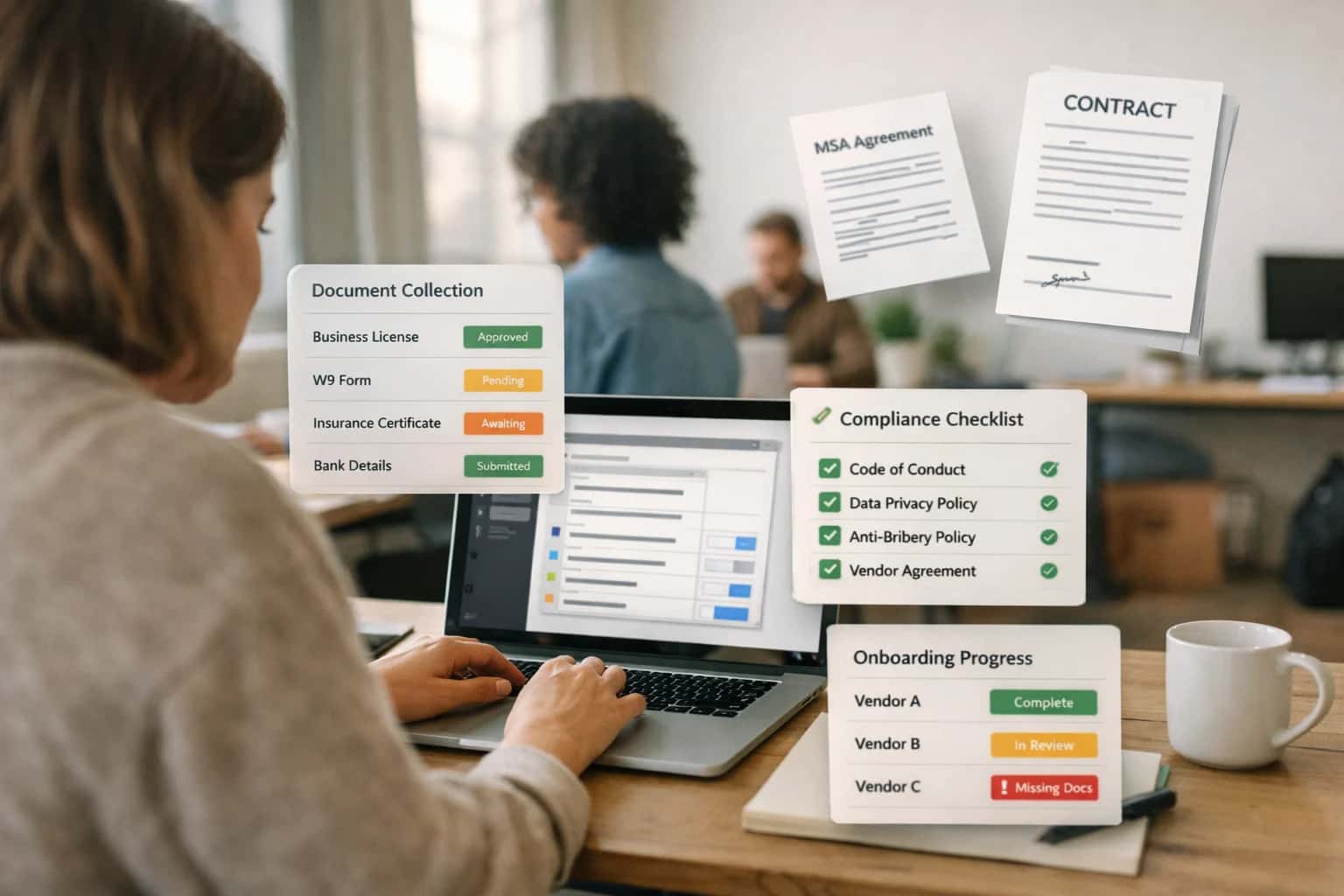
ARCHITECTURE
Where AI Fits in MDM-Driven SLA Monitoring
A practical blueprint for integrating AI into your MDM platform to automate SLA tracking, breach prediction, and ticket escalation for device support.
The core workflow is predictive and automated: 1) An MDM flags a device issue (e.g., repeated kernel panics in Jamf inventory, Intune reporting nonCompliant status). 2) An AI agent classifies the issue severity and estimates resolution time based on similar historical tickets, device model, and available IT staff. 3) If the estimate exceeds the SLA window, the system can auto-escalate the ticket, re-assign it to a specialist group, or trigger a pre-approved MDM remediation (like a jamf recon or Intune device sync) to gather more data, all before a human agent reviews the case. This shifts support from reactive tracking to proactive containment.
Rollout should start with a pilot on a single, high-volume issue type—like macOS update failures or Android compliance policy errors—where resolution paths are well-documented. Governance is critical: all AI-driven escalations or MDM actions should be logged in an immutable audit trail, and a human-in-the-loop approval step should be required for any action beyond ticket reassignment during the initial phases. This ensures control while demonstrating impact, such as reducing manual SLA review from hours to minutes and preventing breaches for predictable, repetitive device faults.
ARCHITECTURE BLUEPRINT
MDM & ITSM Touchpoints for AI SLA Integration
Inventory, Telemetry & Event Logs
AI models for SLA prediction require real-time, high-fidelity data from your Mobile Device Management (MDM) platform. Key data sources include:
- Device Inventory: Model, OS version, last check-in time, and enrollment status from platforms like Jamf Pro, Microsoft Intune, or VMware Workspace ONE.
- Performance Telemetry: Battery health, storage capacity, network connectivity, and crash reports that signal impending hardware or software failures.
- Policy & Compliance State: Encryption status, passcode settings, and configuration profile compliance, which can directly impact a device's ability to function and be supported.
- Management Event Logs: Records of script executions, app installations, failed policy pushes, and remote commands. Patterns here often precede user-reported issues.
By consuming these feeds via REST APIs or webhooks, an AI system establishes a baseline for normal device behavior and can flag anomalies that correlate with future support tickets, enabling proactive SLA management.
MDM INTEGRATION PATTERNS
High-Value Use Cases for AI-Powered SLA Monitoring
Integrating AI with your MDM platform's telemetry and ticketing system transforms reactive SLA tracking into a predictive, automated control plane. These patterns show where to connect AI to monitor, predict, and act on device support agreements.
01
Predictive Breach Alerting
AI models analyze historical resolution times, technician availability, and issue complexity from past tickets to predict SLA breaches hours in advance. The system auto-creates high-priority alerts in your ITSM (like ServiceNow) and can trigger MDM scripts to gather additional diagnostic data from the affected device.
Hours -> Minutes
Advance warning
02
Automated Ticket Escalation & Re-assignment
An AI agent monitors open device tickets against SLA clocks. Using real-time data on technician workload, location, and skill tags from your ITSM, it automatically reassigns tickets nearing breach to available specialists or escalates to tier-2 support, updating the ticket and notifying stakeholders via webhook.
Batch -> Real-time
Assignment logic
03
Root-Cause-Driven SLA Adjustments
AI clusters device issues (e.g., iOS 17.4 Wi-Fi drop) and correlates them with resolution times. It identifies chronic, time-consuming problems and recommends temporary SLA extensions or policy changes for those specific issue types, providing data-backed rationale to service desk managers for approval.
04
Proactive Remediation to Avoid Breaches
For common, scriptable issues flagged in tickets (e.g., storage full, proxy misconfiguration), the AI system can orchestrate pre-approved MDM remediation scripts (via Jamf Pro, Intune Remediations) before the SLA clock expires. Actions are logged in both the ticket and MDM audit trail.
Same day
Auto-resolution
05
SLA Performance Analytics & Forecasting
An AI layer consumes MDM device inventory (model, OS) and ITSM ticket data to generate forecasts. It answers: "Given our current MacBook Pro 14" fleet and support headcount, what will our Q3 SLA compliance be?" This enables data-driven decisions on staffing, device refresh cycles, and warranty purchases.
06
Vendor-Specific SLA Enforcement
For devices under third-party warranty (e.g., AppleCare, Dell ProSupport), AI monitors tickets and automatically triggers the vendor's support process via API when internal SLAs are at risk. It prepopulates required diagnostic data from the MDM (serial, logs) and tracks the external case to ensure vendor SLAs are also met.
AUTOMATED DEVICE SUPPORT
Example AI-Driven SLA Workflows
These concrete workflows illustrate how AI integrates with MDM platforms like Jamf, Intune, or Workspace ONE to monitor, predict, and act on service level agreements for device support tickets. Each flow connects MDM telemetry with AI reasoning and ITSM actions.
Trigger: A new high-priority support ticket is created in ServiceNow or Jira Service Management for a device performance issue (e.g., "slow MacBook Pro").
Context/Data Pulled:
- The AI agent queries the MDM platform (e.g., Jamf Pro API) for the device's recent inventory: battery health cycles, available storage, last reboot, and installed profiles.
- It pulls the ticket's creation time, assigned group, and priority.
- It checks historical resolution data for similar tickets from the same device model and user department.
Model/Agent Action: A lightweight ML model analyzes the device telemetry against historical patterns. If the combination of low storage (<10%) and high battery cycles (>800) correlates with a 75% historical chance of resolution exceeding the 4-hour SLA, the agent predicts a breach.
System Update/Next Step: The agent automatically:
- Escalates the ticket by adding an "At Risk" tag and reassigning it to a senior support queue.
- Enriches the ticket with a note:
AI Prediction: High probability of SLA breach based on device state (storage: 8%, battery: 850 cycles). Pre-emptively escalated. - Triggers a proactive MDM remediation script (e.g., a Jamf policy to clear temporary files) and logs the action in the ticket.
Human Review Point: The senior technician reviews the enriched ticket and AI's reasoning before engaging the user, accepting or overriding the escalation.
BUILDING A PREDICTIVE SLA MONITORING SYSTEM
Implementation Architecture: Data Flow & System Components
A production-ready architecture for predicting and preventing SLA breaches on device support tickets by integrating AI with your MDM and ITSM platforms.
The core system ingests real-time and historical data from two primary sources: your MDM platform (e.g., Jamf Pro, Microsoft Intune, or Workspace ONE) and your ITSM tool (e.g., ServiceNow, Jira Service Management). From the MDM, we pull device inventory, health telemetry (battery, storage, crash logs), and policy compliance status via REST APIs. From the ITSM, we consume ticket creation events, assignment history, and resolution notes via webhooks and APIs. This data is normalized and timestamped in a central processing queue, where an AI enrichment agent appends context—such as device criticality (based on user role), historical time-to-resolution for similar issues, and current support team capacity—to each new or updated ticket.
A predictive model, trained on past breach incidents, continuously scores each active ticket's likelihood of missing its SLA. The model considers factors like ticket complexity (inferred from description), assigned agent's current workload, time of day, and the deteriorating health signals from the associated device. When a high-risk breach is predicted, the system triggers automated workflows via pre-defined orchestration agents. These can execute actions such as: re-assigning the ticket to an available specialist in the ITSM, escalating via a dedicated Slack/Teams channel, or even pushing a remediation script through the MDM API to fix a common underlying device issue (e.g., clearing cache, restarting a service) that might speed up resolution.
Governance is baked into the flow. All AI-driven recommendations and automated actions are logged to an immutable audit trail, capturing the input data, model score, and action taken for compliance review. A human-in-the-loop approval step can be configured for critical actions like ticket reassignments. The system is deployed as a containerized service, typically using a Kubernetes-managed cluster for resilience, allowing it to scale with ticket volume. Rollout follows a phased approach: starting with a pilot group of non-critical devices, measuring the reduction in false-positive predictions, and tuning the model's confidence thresholds before enterprise-wide deployment. This architecture ensures the integration acts as a proactive copilot for your support team, turning reactive SLA tracking into a predictable, automated workflow.
For related architectural patterns, see our guides on /integrations/mobile-device-management-platforms/ai-integration-with-itsm-platforms-like-servicenow and /integrations/mobile-device-management-platforms/ai-integration-for-proactive-device-health-monitoring-with-mdm.
IMPLEMENTATION PATTERNS
Code & Payload Examples
Analyzing Device Telemetry for Risk Scoring
This pattern uses AI to analyze historical MDM device data (battery health, storage, crash logs) and support ticket resolution times to predict which active tickets are at high risk of missing their SLA. The model outputs a risk score and predicted breach time, which can trigger automated workflows.
Example Python payload for scoring a ticket:
python# Payload to AI scoring service { "ticket_id": "INC-78910", "device_id": "DEV-ABC123", "mdm_platform": "jamf", "issue_category": "performance_slow", "time_since_creation_hours": 2, "device_telemetry": { "battery_health_percent": 62, "storage_free_gb": 1.5, "crash_count_last_7d": 4, "last_compliance_check_status": "non_compliant" }, "assignee_current_ticket_count": 8, "sla_target_hours": 8 } # AI Service Response { "ticket_id": "INC-78910", "breach_risk_score": 0.87, # High risk "predicted_resolution_hours": 9.5, "key_factors": ["low_storage", "high_assignee_load"], "recommended_action": "escalate_and_alert" }
This score can be written back to a custom field in your ITSM or used to trigger an escalation via webhook.
AI-DRIVEN SLA MONITORING FOR DEVICE SUPPORT
Realistic Time Savings & Operational Impact
How AI integration with your MDM platform (Jamf, Intune, Workspace ONE, Meraki) transforms manual SLA tracking into a predictive, automated system. This table shows the shift from reactive oversight to proactive operations.
| Workflow / Metric | Before AI (Manual Process) | After AI (Automated System) | Key Notes & Considerations |
|---|---|---|---|
SLA Breach Detection | Manual review of ticket timestamps and device logs; typically next-day identification | Real-time prediction of potential breaches based on ticket complexity, agent workload, and device telemetry | AI flags at-risk tickets 2-4 hours before breach, allowing for intervention |
Ticket Escalation & Re-assignment | Supervisor manually identifies overloaded queues and re-routes tickets | Automatic, intelligent escalation based on agent skills, current caseload, and predicted resolution time | Reduces agent idle time and ensures the right resource is assigned first |
Root Cause Analysis for Recurring Issues | Weekly or monthly manual report analysis to spot patterns | Continuous correlation of device models, OS versions, and MDM policy failures to identify top issues | AI surfaces trending problems, enabling proactive fleet-wide fixes via MDM scripts |
SLA Compliance Reporting | Hours spent weekly collating data from MDM, ITSM, and spreadsheets into reports | Automated, daily executive dashboards with breach forecasts, MTTR trends, and agent performance | Shifts IT staff effort from report-building to strategic improvement actions |
Device-Specific Resolution Time Benchmarking | Generic SLAs applied uniformly across all device types and issues | Dynamic SLA expectations set by AI based on device type (e.g., rugged field device vs. corporate laptop), issue category, and historical data | Creates fairer performance metrics and highlights areas needing specialized training or tooling |
Proactive Communication to End-Users | Manual email or call only after an SLA is missed | Automated status updates sent when AI predicts a delay, managing user expectations proactively | Improves user satisfaction and reduces follow-up |
Remediation Script Triggering | Manual execution of MDM scripts (Jamf, Intune) after issue diagnosis | AI recommends and, with approval, automatically triggers known-fix scripts based on ticket description and device inventory data | Accelerates resolution for common issues; human-in-the-loop approval maintains control |
ARCHITECTING CONTROLLED AI DEPLOYMENT
Governance, Permissions & Phased Rollout
Integrating AI for SLA monitoring requires careful control over data access, automated actions, and user communication to build trust and ensure reliability.
Governance starts with defining the AI agent's permissions within your MDM platform (e.g., Jamf Pro, Microsoft Intune). The integration service account should have scoped API access—typically read-only for device inventory, compliance states, and ticket systems, with write permissions limited to specific objects like custom extension attributes for risk scoring or ticket reassignment fields in your ITSM. This follows the principle of least privilege, ensuring the AI can monitor and flag but cannot perform high-impact actions like remote wipes without explicit approval workflows. All AI-driven recommendations and automated ticket updates should be logged to a dedicated audit trail, linking each action to the specific device event and AI inference that triggered it.
A phased rollout is critical for managing risk and tuning performance. Start with a monitor-only phase in a single support team or region. The AI ingests real-time device issue data and predicts SLA breaches but does not auto-escalate; instead, it generates daily reports for managers to review accuracy. In phase two, enable automated internal alerts to the assigned technician or team lead via Slack or Teams, providing a 'soft' intervention window. The final phase activates controlled automation, where the system can automatically reassign tickets or adjust priority based on pre-defined, high-confidence rules (e.g., predicted resolution time > SLA by 4 hours AND device criticality = high). Each escalation path should include a human-in-the-loop approval step for the first 30 days of full automation.
Finally, establish a continuous feedback loop. Use the MDM's reporting and a separate AI performance dashboard to track key metrics: prediction accuracy for SLA breaches, false-positive escalation rates, and mean time to resolution (MTTR) impact. Schedule monthly reviews with support leads to refine the AI's decision thresholds and update the model based on new device types or support policies. This structured, iterative approach ensures the AI integration enhances operational control without introducing unmanaged risk, allowing you to scale from a pilot to enterprise-wide SLA automation confidently.
Enabling Efficiency, Speed & Accuracy
Intelligent Analysis, Decision & Execution
We build AI systems for teams that need search across company data, workflow automation across tools, or AI features inside products and internal software.
Talk to Us
Search across company data
Give teams answers from docs, tickets, runbooks, and product data with sources and permissions.
Useful when people spend too long searching or get different answers from different systems.
Enterprise searchRAGPermissions
Read more
Automate internal workflows
Use AI to route work, draft outputs, trigger actions, and keep approvals and logs in place.
Useful when repetitive work moves across multiple tools and teams.
AI agentsWorkflow automationGovernance
Read more
Add AI to products and internal tools
Build assistants, guided actions, or decision support into the software your team or customers already use.
Useful when AI needs to be part of the product, not a separate tool.
AI integrationDecision supportModel routing
Read moreAI FOR SLA MONITORING
FAQ: Technical & Commercial Questions
Common questions from IT leaders and support managers evaluating AI integration to automate SLA monitoring for device support tickets generated via MDM platforms.
The integration uses a secure orchestration layer that connects via APIs to both systems.
Typical Architecture:
- Data Ingestion: The AI system polls or receives webhooks from your MDM platform (e.g., Jamf Pro, Microsoft Intune) for new or updated device issues, pulling relevant context like device type, OS, error logs, and assigned user.
- Ticket Correlation: It matches the MDM event with the corresponding ticket in your ITSM (e.g., ServiceNow, Jira Service Management) using unique identifiers like device serial number or user ID.
- AI Processing: A pipeline analyzes the ticket's age, priority, assignee, and recent activity, combined with the MDM device context, to predict SLA breach risk.
- Action Execution: Based on rules, the system can execute actions via APIs:
- In the ITSM: Re-assign tickets, escalate priority, add internal notes, or trigger approval workflows.
- In the MDM: Run a diagnostic script and attach results to the ticket, or push a configuration remediation.
Key APIs Used:
- MDM: Jamf Pro API (
/devices,/scripts), Microsoft Graph API for Intune (/deviceManagement/managedDevices) - ITSM: ServiceNow Table API, Jira REST API
- A secure service account with role-based access controls (RBAC) is provisioned in each system for the AI layer.

About the author
Prasad Kumkar
CEO & MD, Inference Systems
Prasad Kumkar is the CEO & MD of Inference Systems and writes about AI systems architecture, LLM infrastructure, model serving, evaluation, and production deployment. Over 5+ years, he has worked across computer vision models, L5 autonomous vehicle systems, and LLM research, with a focus on taking complex AI ideas into real-world engineering systems.
His work and writing cover AI systems, large language models, AI agents, multimodal systems, autonomous systems, inference optimization, RAG, evaluation, and production AI engineering.
LinkedIn
Limited slotsGet a Free AI Consultation
Partnered with leading AI, data, and software stack.





How We Work
Custom AI workflows for your Business
One-fit-all AI don't work for modern businesses. At Inferensys, we aim to understand your business & custom requirements; which we use to define most efficient agentic workflows, the data, and the tools for your business.
01
Review the use case
We understand the task, the users, and where AI can actually help.
Read more02
Pick the right approach
We define what needs search, automation, or product integration.
Read more03
Build the first useful version
We implement the part that proves the value first.
Read more04
Improve from there
We add the checks and visibility needed to keep it useful.
Read moreThe first call is a practical review of your use case and the right next step.
Talk to Us