The integration surface sits at three critical handoff points between SAP DM and your LIMS (LabWare, LabVantage, etc.). First, at sample planning and dispatch: AI can analyze the production schedule, material lots, and historical quality data from SAP DM's Production Orders and Material Master to intelligently generate and prioritize sampling plans, automatically dispatching them to the LIMS via its API. Second, during in-process data correlation: as real-time sensor data streams from SAP DM's Process Instructions and Equipment Master, AI models correlate these parameters with incoming LIMS test results (e.g., pH, viscosity, potency) to predict final quality outcomes before lab confirmation, flagging potential deviations. Third, at certificate of analysis (CoA) generation: AI can draft the narrative sections of the CoA by extracting key results from the LIMS Test Results object, contextualizing them against SAP DM's Batch Characteristics and compliance rules, and populating a template for final review.

Integration
AI Integration for SAP Digital Manufacturing for Laboratory Information Systems
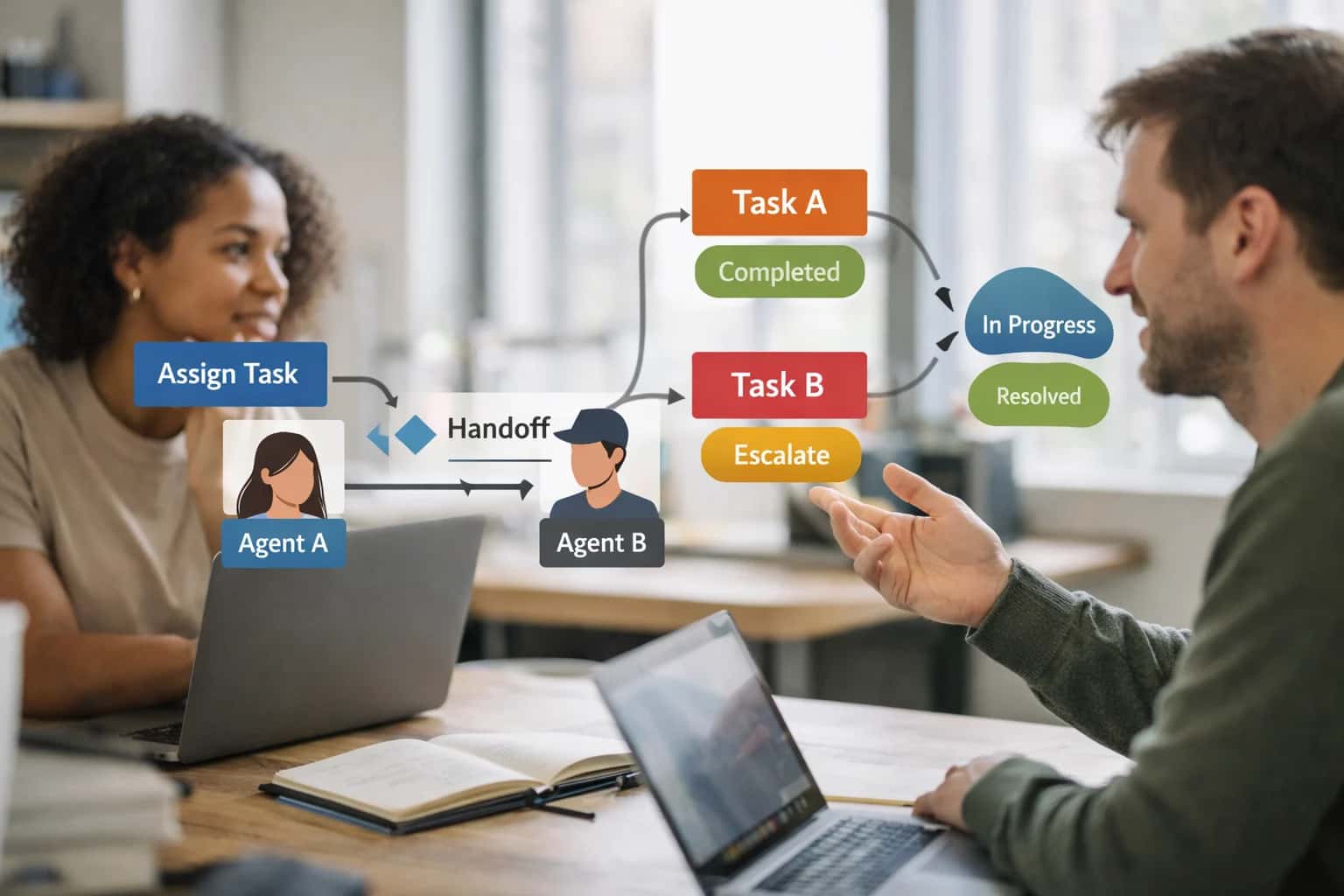
Where AI Fits in the SAP DM and LIMS Workflow
A practical guide to inserting AI agents and models between SAP Digital Manufacturing and your Laboratory Information Management System to automate quality intelligence.
Implementation typically uses SAP DM's OData APIs and event-driven architecture (e.g., ProductionOrder.Confirmed) to trigger AI workflows. An integration service, often deployed as a containerized middleware, subscribes to these events. It fetches relevant context—Process Order, Material, Equipment data—and calls the LIMS REST API to retrieve associated samples and results. AI models, hosted separately for scalability, process this fused dataset. For example, a model might identify that a specific temperature drift during a phase in SAP DM correlates with a 15% likelihood of an out-of-spec purity result in the LIMS, triggering an alert. The result is a closed-loop where AI-generated insights—like a recommended hold on a batch—are written back to SAP DM as a Quality Notification or to the LIMS as a Sample Status update, all logged with full audit trails.
Rollout should be phased, starting with read-only analytics on historical data to build trust in the correlations, then moving to real-time alerting, and finally to automated, governed actions like sample prioritization. Governance is critical: define clear thresholds for AI-triggered holds or releases, maintain a human-in-the-loop for final CoA approval, and implement model monitoring to detect drift in the relationship between process parameters and lab results. This architecture doesn't replace your LIMS or SAP DM; it adds an intelligence layer that turns the latency between production execution and lab confirmation from a constraint into a proactive decision-making advantage.
Key Integration Surfaces in SAP DM and LIMS
Automating Lab Sample Workflows
AI integrates at the point where production schedules in SAP Digital Manufacturing trigger quality checks. The system analyzes real-time production data—batch size, material lot attributes, equipment runtime—to dynamically generate and prioritize sample requests for the LIMS.
Key surfaces include:
- SAP DM Production Orders & Operations: AI reads order details to determine required test types (e.g., raw material QC, in-process, finished goods).
- LIMS Sample Login & Registration APIs: AI constructs and posts sample metadata (sample ID, parent batch, test specifications, priority flag).
- SAP DM Event-Driven Architecture: AI listens for
ProductionOrder.ConfirmedorMaterialConsumption.Postedevents to initiate sampling workflows automatically.
This moves sample planning from a fixed, time-based schedule to a condition-based system, reducing lab backlog and ensuring critical samples are processed first.
High-Value AI Use Cases for SAP DM and LIMS
Integrating AI between SAP Digital Manufacturing (DM) and Laboratory Information Management Systems (LIMS) creates a closed-loop intelligence system for regulated production. These patterns focus on automating data flow, generating predictive insights, and accelerating quality decisions.
Automated Sample Planning & Dispatch
AI analyzes real-time SAP DM production schedules, material lots, and in-process parameters to dynamically generate and prioritize LIMS sample requests. This replaces manual, calendar-based sampling with demand-driven workflows, ensuring lab capacity aligns with critical production needs.
Correlative Analysis for Root Cause
AI models continuously join SAP DM process data (temperatures, pressures, cycle times) with final LIMS quality results. This identifies hidden correlations between upstream parameters and downstream quality deviations, providing engineers with data-driven root cause hypotheses for faster investigations.
Intelligent Certificate of Analysis (CoA) Generation
At batch completion, AI assembles required data from SAP DM (batch records, equipment IDs) and LIMS (test results, specifications) to auto-draft compliant Certificates of Analysis. The system flags anomalies for human review, reducing manual compilation errors and accelerating product release.
Predictive Hold/Release Recommendation
For time-sensitive materials awaiting lab results, AI predicts final LIMS outcomes based on intermediate SAP DM process data trends. It provides a risk-scored hold/release recommendation to quality managers, enabling conditional material movement while final verification is pending.
Lab Capacity & Resource Optimization
AI forecasts upcoming LIMS workload by analyzing the SAP DM production pipeline, including batch sizes, complexity, and historical test durations. It recommends optimal lab technician scheduling and instrument allocation, preventing bottlenecks and improving overall equipment effectiveness (OEE) for the quality lab.
Automated Specification & Method Validation
When new materials or recipes are released in SAP DM, AI cross-references them against the LIMS library of approved test methods and specifications. It flags gaps where methods are missing or require updates, triggering a controlled workflow in the QMS to ensure regulatory compliance before production begins.
Example AI-Enhanced Workflows
These workflows illustrate how AI agents can automate the handshake between SAP Digital Manufacturing (DM) and Laboratory Information Management Systems (LIMS), turning lab data into immediate production intelligence and action.
Trigger: A production order is released in SAP DM, or a raw material lot is received at goods receipt.
Context Pulled: The AI agent queries SAP DM for the material master, batch characteristics, and the relevant quality inspection plan (QIP). It cross-references the LIMS to check for any pending tests on the same material/batch.
Agent Action: Using the inspection rules and historical data, the agent determines the required tests (e.g., potency, impurities, pH). It generates a detailed sample plan, including:
- Sample size and number of replicates.
- Specific test methods from the LIMS method library.
- Priority level based on production schedule criticality.
System Update: The agent creates a sample registration record in the LIMS via API, populating all metadata (SAP order, material, batch, workstation). It simultaneously updates the SAP DM "quality hold" status for the batch, setting an expected clearance time based on average test durations.
Human Review Point: The lab supervisor receives the sample request in the LIMS queue for final verification before physical sampling begins.
Implementation Architecture and Data Flow
A practical architecture for integrating AI agents between SAP Digital Manufacturing and Laboratory Information Systems to automate sample analysis and certificate generation.
The integration connects SAP Digital Manufacturing Cloud's OData APIs and event-driven architecture to a LIMS (e.g., LabWare, LabVantage) via a central AI orchestration layer. Key data objects flow bi-directionally: production orders and material batches from SAP DM trigger AI-driven sample planning, while lab results and instrument data from the LIMS are ingested for correlation analysis. The AI layer acts on specific functional surfaces: the Inspection Lot in SAP DM and the Sample, Test, and Result entities in the LIMS. This setup uses webhooks and message queues to ensure real-time processing without disrupting existing validation or approval workflows.
In a typical workflow, an AI agent monitors new production orders in SAP DM. Using historical data and bill-of-material specifications, it automatically generates an optimized sampling plan—determining which in-process checks require lab tests and at what frequency. This plan is pushed to the LIMS to create sample records and schedule tests. Concurrently, another agent analyzes incoming lab results, correlating them with real-time process parameters (e.g., temperatures, pressures) streamed from SAP DM's shop floor connectivity. It flags anomalies, suggests root causes for out-of-spec conditions, and drafts preliminary Certificates of Analysis by extracting and structuring data from both systems.
Rollout is phased, starting with a single high-value product line or lab. Governance is critical: all AI-generated plans and certificates enter a human-in-the-loop review queue within the existing LIMS or SAP DM quality approval workflow before release. Audit trails log every AI suggestion and the reviewer's action. The architecture is deployed containerized alongside SAP DM in the same cloud region to minimize latency, with the AI models receiving continuous feedback from lab technician overrides and final certified results to improve accuracy over time. This approach reduces the manual effort in sample planning and CoA drafting from hours to minutes while maintaining strict compliance with GxP and data integrity requirements.
Code and Payload Examples
Automating Lab Sample Creation
When a production batch reaches a critical control point in SAP Digital Manufacturing, an AI agent can analyze the batch parameters, historical quality data, and current process conditions to determine the optimal sample plan. This triggers the creation of a sample record in the connected LIMS via its REST API.
Example JSON Payload to LIMS API:
json{ "sampleId": "SP-2024-05-15-001", "batchNumber": "BATCH-78910", "material": "API-Lot-456", "samplePoint": "Reactor-3-Outlet", "plannedTests": [ { "testCode": "HPLC-Purity", "priority": "High", "specLimit": "≥98.5%" }, { "testCode": "pH-Measurement", "priority": "Medium", "specLimit": "6.5-7.5" } ], "context": { "processParam": "Temperature: 75°C", "previousStepResult": "Within Control", "aiRecommendation": "Added residual solvent test based on feedstock variance." } }
This payload includes AI-generated context, allowing the lab to understand the why behind the sample, not just the what.
Realistic Time Savings and Operational Impact
This table shows the typical impact of integrating AI between SAP Digital Manufacturing and a Laboratory Information Management System (LIMS) for common quality and production workflows.
| Workflow / Metric | Before AI Integration | After AI Integration | Implementation Notes |
|---|---|---|---|
Sample Planning & Scheduling | Manual, fixed schedule based on production volume | Dynamic scheduling based on real-time process data and risk | AI analyzes in-process SPC data to prioritize high-risk batches for lab testing |
Correlation Analysis (Process vs. Lab) | Weekly/Monthly manual analysis by engineers | Automated, real-time correlation dashboards with alerts | Models identify key process parameters impacting final quality, reducing root cause analysis time |
Certificate of Analysis (CoA) Generation | Manual compilation from LIMS and ERP, 30-60 minutes per batch | Automated draft generation, 5-10 minute review cycle | AI assembles data from LIMS, SAP DM, and ERP; human QA required for final sign-off |
Out-of-Spec (OOS) Result Triage | Manual investigation, email chains, 4-8 hour initial response | Automated preliminary root cause suggestion within minutes | AI cross-references OOS result with process data, equipment logs, and similar historical events |
Lab Capacity Forecasting | Reactive, based on backlog | Predictive, based on production schedule and quality trends | AI forecasts sample influx, enabling proactive lab resource and reagent planning |
Material Hold/Release Decision Support | Sequential: wait for all lab results | Conditional: early release for low-risk batches with pending non-critical tests | AI provides risk score, allowing conditional release to maintain production flow while ensuring compliance |
Regulatory & Audit Data Compilation | Manual data gathering across systems for each audit | Automated report generation for common audit queries | AI traces genealogy and test data across SAP DM and LIMS, producing pre-filled audit trails |
Governance, Security, and Phased Rollout
Integrating AI into SAP Digital Manufacturing for LIMS requires a controlled approach that prioritizes data integrity, auditability, and incremental value.
In regulated manufacturing, AI models must operate within a governed data pipeline. For SAP Digital Manufacturing Cloud (SAP DM), this means establishing secure service connections (using OAuth or certificate-based authentication) to the platform's OData APIs for InspectionLots, QualityTasks, and PhysicalSamples. AI agents should be deployed as containerized microservices, interacting with SAP DM through a dedicated integration layer that enforces role-based access control (RBAC), logs all data exchanges for audit trails, and maintains a strict separation between the AI inference environment and the core transactional system. For LIMS data—whether from SAP or a third-party system like LabWare—sample results and test methods are ingested into a vector store for RAG, but the original, immutable records remain the system of truth.
A phased rollout mitigates risk and builds organizational trust. Phase 1 typically focuses on read-only augmentation: deploying a copilot that uses RAG on historical LIMS data and SAP DM work instructions to help lab technicians and production supervisors answer questions like "What were the in-process parameters for the last three batches that passed this specific purity test?" Phase 2 introduces controlled automation, such as an AI agent that analyzes correlations between real-time sensor data from SAP DM and pending lab results to generate predictive Certificates of Analysis (CoA) drafts, which are then routed for human review and approval within the SAP DM workflow before final release. Phase 3 can encompass closed-loop actions, like an AI-driven scheduler that automatically prioritizes lab sample queues in SAP DM based on production line criticality and predicted out-of-spec risk, but these workflows should include mandatory approval gates and continuous performance monitoring.
Governance is continuous, not a one-time setup. Establish a cross-functional steering committee (Quality, IT, Operations) to review AI model outputs against a gold-set of historical decisions, monitoring for drift in recommendation accuracy. Implement a prompt management system to version and control the instructions given to LLMs for tasks like CoA generation or anomaly explanation. All AI-triggered actions in SAP DM—such as creating a follow-up QualityTask or adjusting a sampling plan—must be logged with a distinct audit trail showing the initiating agent, the data context used, and the human approver. This controlled, phased approach ensures AI augments your lab and manufacturing intelligence without compromising the compliance and data integrity that systems like SAP DM and LIMS are designed to protect.
Enabling Efficiency, Speed & Accuracy
Intelligent Analysis, Decision & Execution
We build AI systems for teams that need search across company data, workflow automation across tools, or AI features inside products and internal software.
Talk to Us
Search across company data
Give teams answers from docs, tickets, runbooks, and product data with sources and permissions.
Useful when people spend too long searching or get different answers from different systems.

Automate internal workflows
Use AI to route work, draft outputs, trigger actions, and keep approvals and logs in place.
Useful when repetitive work moves across multiple tools and teams.

Add AI to products and internal tools
Build assistants, guided actions, or decision support into the software your team or customers already use.
Useful when AI needs to be part of the product, not a separate tool.
Frequently Asked Questions
Practical questions on integrating AI with SAP Digital Manufacturing to automate and enhance laboratory workflows, from sample planning to certificate generation.
This workflow uses AI to transform production-driven sampling from a manual, rule-based task into a dynamic, risk-adjusted process.
- Trigger: A production order is released in SAP Digital Manufacturing, or a batch reaches a predefined control point (e.g., start of a critical process step).
- Context Pulled: The AI agent queries the SAP DM OData API for:
- Order details (material, batch ID, quantity).
- The associated master recipe and its defined control points.
- Historical quality data for the same material/process from the connected LIMS.
- Current lab capacity and instrument status from the LIMS.
- AI Agent Action: A model analyzes the data to recommend a sampling plan:
- Risk-Based Sampling: Suggests increasing sample frequency for new material suppliers or after a recent process deviation.
- Resource Optimization: Proposes scheduling tests to balance lab workload, avoiding bottlenecks on specific instruments.
- Exception Flagging: Identifies if a required test is missing from the recipe for the given material grade.
- System Update: The agent creates a sample record in the LIMS via its API, populating it with:
- Sample ID, material, batch, and production order linkage.
- The AI-recommended test list and priority.
- Optimal due time based on production schedule.
- Human Review Point: The proposed plan is sent to the lab supervisor for approval via a notification in SAP DM or the LIMS before samples are physically pulled.

About the author
Prasad Kumkar
CEO & MD, Inference Systems
Prasad Kumkar is the CEO & MD of Inference Systems and writes about AI systems architecture, LLM infrastructure, model serving, evaluation, and production deployment. Over 5+ years, he has worked across computer vision models, L5 autonomous vehicle systems, and LLM research, with a focus on taking complex AI ideas into real-world engineering systems.
His work and writing cover AI systems, large language models, AI agents, multimodal systems, autonomous systems, inference optimization, RAG, evaluation, and production AI engineering.
Partnered with leading AI, data, and software stack.





How We Work
Custom AI workflows for your Business
One-fit-all AI don't work for modern businesses. At Inferensys, we aim to understand your business & custom requirements; which we use to define most efficient agentic workflows, the data, and the tools for your business.
01
Review the use case
We understand the task, the users, and where AI can actually help.
Read more02
Pick the right approach
We define what needs search, automation, or product integration.
Read more03
Build the first useful version
We implement the part that proves the value first.
Read more04
Improve from there
We add the checks and visibility needed to keep it useful.
Read moreThe first call is a practical review of your use case and the right next step.
Talk to Us