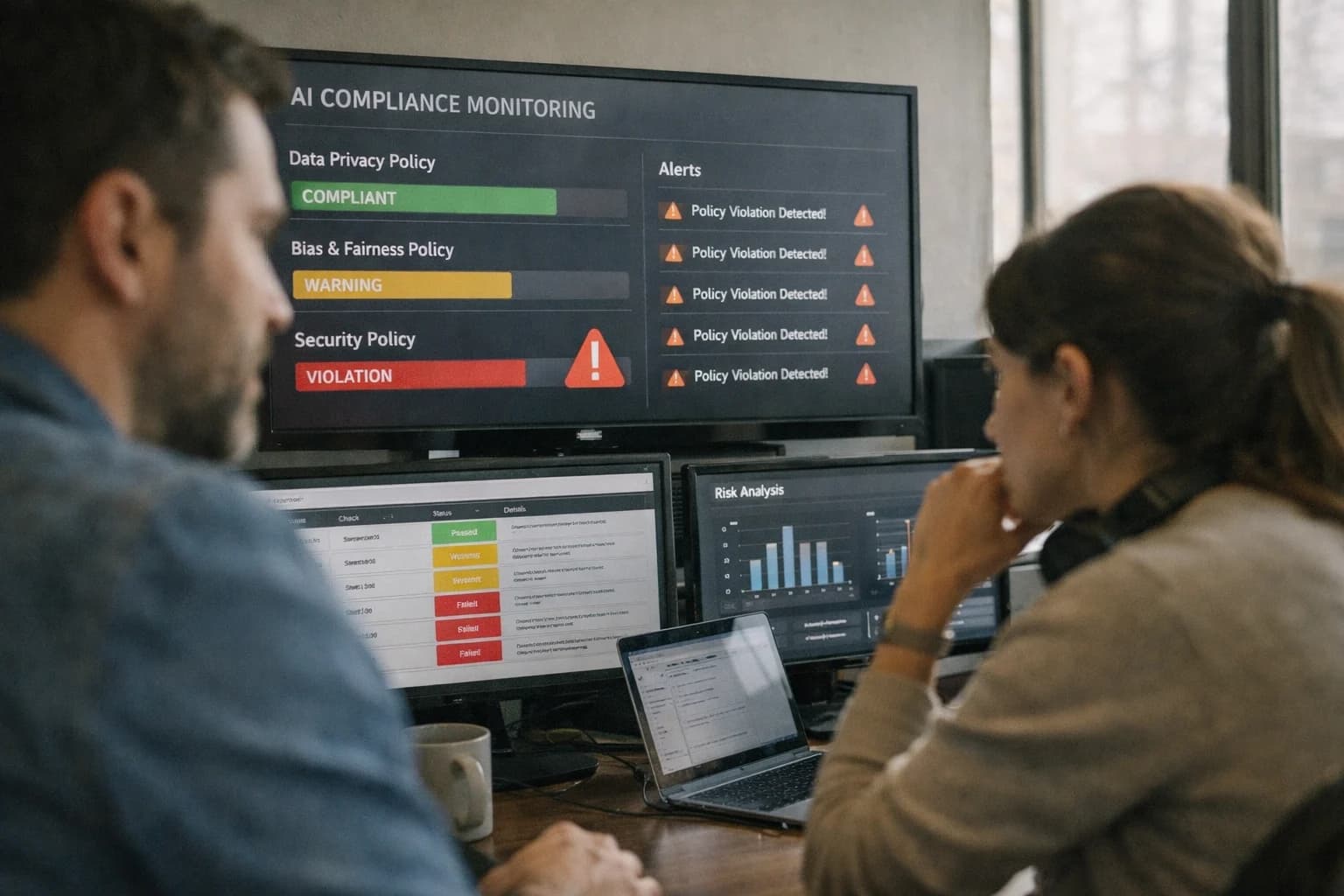
Automate the generation, population, and compliance review of Loan Estimates (LE) and Closing Disclosures (CD) within your Loan Origination System using AI agents, reducing manual work and TRID risk.
Integrating AI into Loan Estimate (LE) and Closing Disclosure (CD) generation transforms a high-risk, manual process into an automated, auditable workflow.
AI agents connect to the LOS via its disclosure module APIs (like Encompass' Loan.Disclosure or MeridianLink's DisclosureServices endpoints) and the document generation engine. The primary integration points are: the loan data model (to pull borrower, property, and product details), the fee and closing cost tables, the compliance rule engine for TRID timing, and the document assembly service. An AI workflow typically listens for loan.locked or product.selected events, retrieves the structured loan data, and begins the disclosure drafting process.
The core AI tasks are data validation, fee rationalization, and narrative drafting. For example, an agent can cross-reference pulled fees against vendor master lists and loan program guidelines to flag outliers before they populate the LE. It can then generate the required explanatory text for lender credits or specific fees, ensuring plain-language compliance. Finally, it assembles the draft disclosure package—populating the standardized forms and generating any required addenda—and places it into the LOS's disclosure tracking queue for processor and compliance officer review. This shifts the human role from data entry to quality assurance, reducing errors that cause re-disclosure and closing delays.
Rollout requires a phased approach: start with AI-assisted review (where the AI suggests fees and text, but a human finalizes), then move to AI-drafted with human-in-the-loop approval for low-complexity loans, and finally fully automated generation for straightforward product types. Governance is critical; every AI-suggested fee and generated narrative must be logged with a complete audit trail linking back to the source data and business rules. Implement a disclosure QA sampling workflow where a percentage of AI-generated packages are automatically routed for manual audit to continuously monitor accuracy and compliance. This controlled integration turns disclosure generation from a days-long bottleneck into a same-day process.
DISCLOSURE WORKFLOWS
Integration Touchpoints Within the LOS
Automating Initial Disclosure Creation
The Loan Estimate is the first critical disclosure, generated within three days of application. AI integration connects to the LOS's loan pricing engine and product/pricing catalog to automate LE drafting.
Key Integration Points:
Loan Scenario API: Pulls finalized loan terms (loan amount, rate, product type) from the LOS's pricing module.
Fee Database: Accesses the lender's approved fee schedule and vendor costs (appraisal, title, credit) stored in LOS configuration tables.
Borrower Data Model: Retrieves applicant names, property address, and loan purpose from the 1003 application record.
An AI agent uses this structured data to populate a dynamic LE template, calculating cash-to-close and summarizing loan costs. The draft is then pushed back to the LOS disclosure module (/api/v1/disclosures/draft) for compliance review and e-signature routing. This reduces manual data entry errors and ensures TRID timing rules are met.
LOS INTEGRATION PATTERNS
High-Value AI Use Cases for Disclosures
AI integration transforms the generation, review, and delivery of Loan Estimates (LE) and Closing Disclosures (CD) from a manual, error-prone process into an automated, compliant workflow. These patterns connect directly to your LOS data model and APIs.
01
Automated Data Population & LE Drafting
AI agents monitor the LOS for a locked loan scenario, then pull verified application data (loan amount, rate, fees) to auto-populate the LE form. The agent cross-references fee tables and investor guidelines to ensure initial accuracy, creating a first draft in minutes instead of hours.
Hours -> Minutes
Draft generation
02
Intelligent Fee & Tolerance Review
Upon final CD generation, an AI model reviews all fees against the initial LE, automatically flagging any changes that exceed TRID tolerance thresholds (0%, 10%, unlimited). It provides a plain-language summary for the closer or underwriter, highlighting required cure actions before disclosure can be issued.
Batch -> Real-time
Compliance check
03
Borrower-Facing Disclosure Q&A Bot
Integrate an AI chatbot into the borrower portal that answers questions about the LE or CD. The bot is grounded in the specific loan data from the LOS, explaining line items like Origination Charges or Cash to Close in simple terms, reducing post-disclosure clarification calls to the processing team.
04
Pre-Submission Disclosure Package Audit
Before the CD is released to the borrower, an AI agent performs a final package audit. It checks for signature fields, verifies all required addenda are attached, and confirms the document matches the LOS's closing data. This automated QC step prevents costly re-disclosures and closing delays.
Same day
Error detection
05
Event-Driven Disclosure Delivery Orchestration
An AI workflow engine listens for LOS events (e.g., CD_Ready). It then orchestrates the delivery sequence: generates a personalized email via the LOS comms API, attaches the correct disclosure package, logs the delivery method/timestamp for compliance, and triggers a follow-up task if not acknowledged.
AI analyzes historical disclosure data across closed loans to identify patterns: frequent fee changes by provider, common tolerance breaches by branch, or average time between LE and CD issuance. This fuels operational reports and can proactively adjust LOS workflows or vendor management.
IMPLEMENTATION PATTERNS
Example AI Disclosure Workflows
These workflows illustrate how AI agents integrate with your LOS to automate the generation, review, and delivery of Loan Estimates (LE) and Closing Disclosures (CD). Each pattern connects to specific LOS APIs, data objects, and user roles to ensure accuracy, compliance, and timely borrower communication.
Trigger: A loan officer locks a loan scenario (rate, product, fees) in the LOS, marking the application as 'Disclosure Ready'.
Context Pulled: The AI agent calls the LOS API to retrieve:
The complete 1003 application data (borrower, co-borrower, property, loan terms).
The locked fee worksheet with itemized lender charges, third-party service providers, and credits.
Relevant state and county recording fees from integrated vendor tables.
AI Agent Action:
Data Validation & Gap Detection: The agent checks for missing required fields (e.g., property address, loan amount) and flags them for the loan officer.
Fee Categorization & TRID Bucketing: Using predefined rules, the agent categorizes each fee into the correct Loan Estimate section (A, B, C, etc.) and calculates totals for 'In 5 Days' and 'In 10 Days' columns.
Document Generation: The agent populates a dynamic LE template, ensuring all calculated totals match the LOS fee worksheet. It generates a human-readable summary noting any assumptions made (e.g., estimated taxes).
System Update: The completed, data-rich LE PDF is posted back to the LOS document management system, attached to the loan file, and the loan's milestone is updated to 'LE Generated'.
Human Review Point: The loan officer or processor receives a notification to review the AI-generated LE for final approval before it is issued to the borrower. The agent's validation log is attached for auditability.
HOW AI CONNECTS TO YOUR LOS
Implementation Architecture & Data Flow
A production-ready integration for disclosure generation connects AI agents directly to your LOS data model and automation layer.
The integration is built on a secure API gateway that listens for key LOS events—such as a loan moving to Disclosure stage, a change in loan terms, or a regulatory data update. When triggered, an AI agent retrieves the complete loan scenario from the LOS API, including the 1003 application, property details, pricing data, and fee worksheet. This payload is structured and sent to a governed LLM endpoint, which generates the initial draft of the Loan Estimate (LE) or Closing Disclosure (CD) using a system prompt enforcing TRID rule logic and the lender's specific fee tables.
The generated disclosure is returned as structured data (JSON) or a formatted document (PDF/DOCX). An automated validation agent then cross-references every calculated field—Total Loan Costs, Cash to Close, APR—against the source LOS data and underwriting guidelines. Any discrepancies or missing required fields are flagged for human review in a dedicated queue within the LOS or a connected dashboard. Approved disclosures are pushed back via the LOS API to populate the native disclosure module, trigger e-signature workflows, and log the audit trail.
Rollout follows a phased approach: starting with a pilot for conforming conventional loans before expanding to complex products. Governance is maintained through a human-in-the-loop review step for the first n loans, continuous monitoring of AI-generated field accuracy, and version-controlled prompt management to adapt to guideline changes. The architecture ensures the LOS remains the single source of truth, with all AI actions recorded as system notes for full compliance visibility.
LOS DISCLOSURE GENERATION
Code & Payload Examples
Webhook Trigger & LOS Data Retrieval
Disclosure workflows are typically triggered by a loan stage change in the LOS (e.g., loan.stage = 'Disclosure'). An AI service listens for this webhook, fetches the necessary loan data, and prepares it for generation.
Example Webhook Payload (from LOS):
json
{
"event": "loan.stage.updated",
"timestamp": "2024-05-15T10:30:00Z",
"loan_id": "LN-2024-58761",
"new_stage": "Disclosure",
"previous_stage": "Processing",
"borrower_names": ["John A. Doe", "Jane R. Doe"],
"property_address": "123 Main St, Anytown, CA 90210",
"loan_product": "30-Year Fixed Conv",
"loan_amount": 450000.00,
"estimated_close_date": "2024-07-01"
}
Python: Fetch Detailed Loan Data via LOS API
python
import requests
def fetch_loan_data(loan_id, los_api_key):
"""Fetch comprehensive loan data needed for LE/CD from LOS API."""
headers = {"Authorization": f"Bearer {los_api_key}"}
# Example endpoint to get loan details, fees, and APR calculations
url = f"https://api.los-platform.com/v1/loans/{loan_id}/disclosure_data"
response = requests.get(url, headers=headers)
response.raise_for_status()
loan_data = response.json()
# Returns structured data: loan terms, fees (origination, title, etc.),
# taxes, insurance, APR, cash to close, and locked rate.
return loan_data
AI-ASSISTED DISCLOSURE GENERATION
Realistic Time Savings & Operational Impact
How AI integration transforms the manual, error-prone process of generating Loan Estimates (LE) and Closing Disclosures (CD) within your Loan Origination System (LOS).
Workflow Stage
Before AI
After AI
Implementation Notes
Data Collection & Validation
Manual review of 1003, credit report, and property data for accuracy
AI cross-references all sources, flags discrepancies, and suggests corrections
Reduces data entry errors; human underwriter approves all changes
Initial Loan Estimate Generation
Processor manually populates LE template (45-90 mins)
AI drafts complete LE in <5 mins using validated data and lender rules
Ensures TRID compliance from first draft; processor reviews and submits
Disclosure Review & Compliance Check
Manual checklist against Reg Z, state-specific rules (30-60 mins)
AI runs automated compliance audit, highlights potential violations
Focuses human review on complex exceptions; creates audit trail
Borrower-Specific Customization
Manual insertion of lender-specific addenda and state disclosures
AI automatically selects and inserts required addenda based on loan scenario
Eliminates omission risk; templates managed in central library
Re-disclosure Trigger & Generation
Manual monitoring for rate lock or changed terms to trigger new CD
AI monitors LOS for trigger events, auto-generates revised CD for review
Ensures timely re-disclosure; processor receives alert with draft
Final Closing Disclosure Package
Manual assembly of final CD, supporting docs, and e-signature routing
AI assembles package, pre-fills e-signature fields, and routes for signing
Cuts package prep from hours to minutes; integrates with DocuSign/Adobe Sign
Post-Closing Audit & Exception Reporting
Random QC audit of closed files for disclosure accuracy
AI performs 100% audit, generates exception report for compliance team
Shifts from sample-based to comprehensive review; prioritizes high-risk files
CONTROLLED IMPLEMENTATION FOR REGULATED WORKFLOWS
Governance, Security & Phased Rollout
A production-ready AI integration for disclosure generation requires a controlled, phased approach that prioritizes accuracy, compliance, and user trust.
Phase 1: Sandbox & Supervised Drafting – Start in a non-production environment, using the LOS's test data and APIs. Implement AI as a supervised drafting assistant where a human processor or underwriter triggers the generation of a Loan Estimate (LE) or Closing Disclosure (CD). The AI agent pulls data from the relevant LOS objects—Loan, Borrower, Property, Fee—and populates the disclosure template. The human reviews, edits, and manually posts the final document back to the LOS. This phase validates data mapping accuracy and builds user confidence without altering live processes.
Phase 2: Automated Generation with Human-in-the-Loop (HITL) Approval – Move to production with a mandatory review gate. Configure the LOS to trigger AI generation via webhook upon specific milestones (e.g., Loan.LockDate for LE, ClearToClose for CD). The generated disclosure is placed in a secure review queue within the LOS or a companion dashboard. A designated user must approve the document before it is automatically attached to the loan file and marked as 'Borrower Ready.' All actions—generation prompts, reviewer identity, approval timestamps—are logged to the loan's audit trail for compliance.
Phase 3: Conditional Straight-Through Processing (STP) – For low-risk, conforming loan scenarios, implement rules-based STP. Define clear criteria (e.g., Loan.ProductType = 'Conventional', Loan.LTV <= 80%, All Conditions Cleared) where AI-generated disclosures can be automatically finalized and queued for delivery without manual review. Any loan falling outside these guardrails defaults to the HITL path from Phase 2. This phase requires robust anomaly detection to monitor for data drift or unexpected output patterns.
Security & Governance Controls are foundational. The integration architecture should enforce role-based access (RBAC) aligned with LOS permissions, ensure all data in transit/at rest is encrypted, and implement strict input/output validation to prevent prompt injection or data leakage. A centralized prompt management system governs the disclosure templates and regulatory language, allowing for controlled updates. Regular model evaluations against a curated set of test loan files ensure ongoing accuracy for fee calculations, APR disclosures, and TRID-mandated formatting.
Enabling Efficiency, Speed & Accuracy
Intelligent Analysis, Decision & Execution
We build AI systems for teams that need search across company data, workflow automation across tools, or AI features inside products and internal software.
LOS DISCLOSURE GENERATION
Frequently Asked Questions
Practical questions about implementing AI for Loan Estimate (LE) and Closing Disclosure (CD) generation within your Loan Origination System.
AI integrates via the LOS's APIs and webhook system. A typical architecture involves:
Trigger: A loan reaches a milestone (e.g., application submission, lock, approval) in the LOS.
Data Pull: An AI agent calls the LOS API (e.g., Encompass's GET /loans/{loanId} or MeridianLink's Loan API) to retrieve the complete, structured loan data—borrower info, property details, loan terms, fees, and credits.
Model Action: The AI model (like GPT-4 or a fine-tuned legal model) processes this data against the latest TRID rule logic and your institution's fee tables. It generates the narrative sections and calculates totals, producing a draft LE or CD in a structured JSON or XML payload.
System Update: The payload is posted back to the LOS via API (e.g., to a custom field or a disclosure generation module) or sent to a document assembly service (like DocMagic or DocuSign) for final PDF rendering and e-signature routing.
Human Review Point: The draft disclosure is flagged in the LOS for a processor or closer to review before it is issued to the borrower, ensuring a human-in-the-loop control.
About the author
Prasad Kumkar
CEO & MD, Inference Systems
Prasad Kumkar is the CEO & MD of Inference Systems and writes about AI systems architecture, LLM infrastructure, model serving, evaluation, and production deployment. Over 5+ years, he has worked across computer vision models, L5 autonomous vehicle systems, and LLM research, with a focus on taking complex AI ideas into real-world engineering systems.
His work and writing cover AI systems, large language models, AI agents, multimodal systems, autonomous systems, inference optimization, RAG, evaluation, and production AI engineering.
Partnered with leading AI, data, and software stack.
How We Work
Custom AI workflows for your Business
One-fit-all AI don't work for modern businesses. At Inferensys, we aim to understand your business & custom requirements; which we use to define most efficient agentic workflows, the data, and the tools for your business.
The first call is a practical review of your use case and the right next step.