AI integrates into IT communications by acting as a workflow-triggered drafting agent within your ITSM platform. The typical entry point is an automation rule in ServiceNow Flow Designer, Jira Service Management Automation, or Freshservice Workflow Automator that fires when a key event occurs—such as a major incident being created, an SLA being breached, or a change window starting. This rule passes contextual data (incident summary, impacted services from the CMDB, estimated resolution time) via a secure API call to an LLM. The AI's role is to synthesize this structured data and relevant knowledge base articles into a clear, user-friendly draft, which is returned to the automation for review and distribution through configured channels like email, Microsoft Teams, or the service portal.

Integration
Generative AI for IT Communications and Notifications
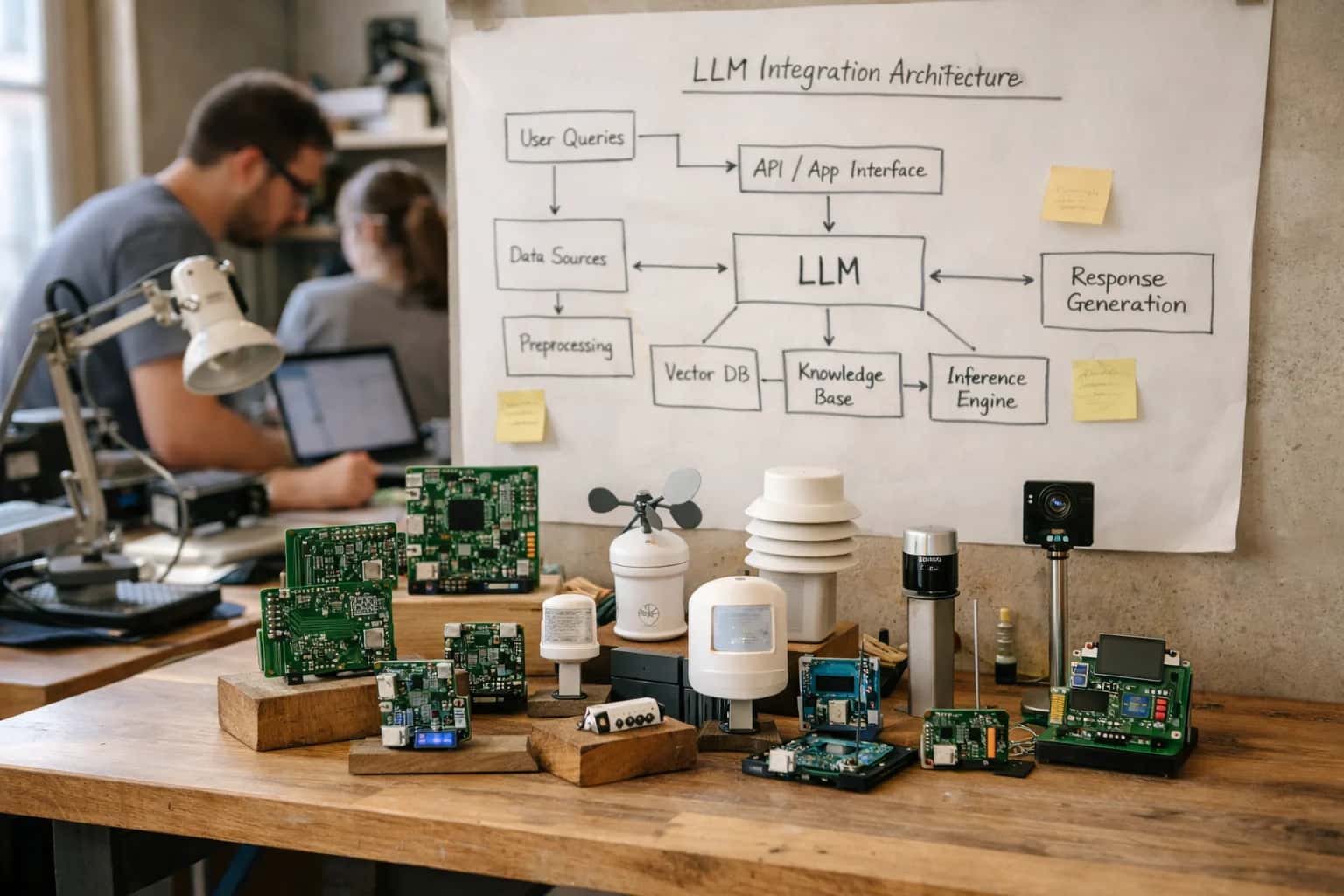
Where AI Fits into IT Communications Workflows
A technical blueprint for integrating generative AI into ITSM platforms to automate and enhance outage alerts, status updates, and user communications.
The high-value implementation detail lies in prompt engineering and data grounding. The system prompt must enforce a consistent tone (e.g., professional, transparent, non-technical), include placeholders for dynamic data, and reference approved communication templates. To prevent hallucinations, the context sent to the LLM is grounded in the specific incident record, a list of impacted Configuration Items (CIs), and any pre-approved outage messaging from the knowledge base. The output is not sent directly; it's placed into a draft field (like a work_notes or a custom comms_draft field) for a designated Communications Lead or Incident Manager to review, edit, and approve with one click before the platform's notification engine sends it. This creates an efficient human-in-the-loop workflow, turning a 15-20 minute manual drafting task into a 2-minute review cycle.
Governance and rollout are critical. Start with a pilot for low-risk, high-frequency notifications, such as planned maintenance reminders or resolved incident summaries. Implement an audit trail by logging all AI-generated drafts, the reviewer's edits, and the final sent message back to the incident record. This builds trust and provides data to refine prompts. Access should be controlled via the platform's Role-Based Access Control (RBAC); only users with roles like itil_admin or incident_manager should be able to trigger or approve AI-drafted communications. Over time, as confidence grows, you can expand to more complex scenarios like real-time status updates during a major incident, where the AI can generate incremental updates every 30 minutes based on the latest technician notes, saving the incident commander significant cognitive load.
Integration Touchpoints in Major ITSM Platforms
Automating High-Impact Communications
When a major incident is declared in ServiceNow or Jira Service Management, AI can be triggered via platform webhooks to draft clear, actionable communications. The LLM ingests the incident record—including priority, impacted services from the CMDB, and known workarounds—to generate audience-specific messages.
Key Integration Points:
- ServiceNow: Trigger from the
Incidenttable via Flow Designer or Business Rule. Use thesys_web_serviceREST step to call your AI orchestration layer. - Jira Service Management: Use Automation for Jira rules on issue creation or transition. Send the issue
summary,description, andlabelsto an external AI endpoint.
Output Example: The AI generates a concise email for leadership, a technical bulletin for engineering teams, and a user-friendly status page update—all from a single source of truth, ensuring consistency and saving critical minutes during outages.
High-Value Use Cases for AI-Powered IT Communications
Integrate LLMs directly into your ITSM platform's notification engine and workflow automations to transform templated, reactive communications into clear, proactive, and personalized updates that reduce confusion and support volume.
Automated Outage & Maintenance Notifications
Trigger an AI agent from a ServiceNow Change or Incident record to draft user-friendly, non-technical notifications. The LLM ingests the CI name, impact window, and technical description to generate clear, actionable emails and portal announcements, reducing follow-up tickets by explaining 'what, when, and why' in plain language.
Intelligent Ticket Status Updates
Automate personalized, context-aware updates when a ticket's state changes (e.g., 'In Progress' to 'Pending'). The AI analyzes the work notes, assignment group, and SLA clock to craft a concise summary for the requester, explaining next steps or delays. Integrate via Jira Service Management automation rules or ServiceNow Flow Designer.
Proactive Broadcasts for Common Issues
Use AI to monitor incoming ticket trends (e.g., a spike in VPN errors) and automatically draft a broadcast communication for the IT portal or Microsoft Teams. The agent synthesizes data from multiple incident records to create a single, authoritative status page update, deflecting duplicate requests before they are logged.
Personalized Resolution Summaries
At ticket closure, an AI workflow attached to the Freshservice 'Resolve' event generates a tailored resolution summary. It translates technical resolution steps from the private notes into a user-friendly explanation emailed to the requester, improving satisfaction and reducing 'reopen' rates due to confusion.
Multi-Channel Communication Orchestration
Build a single AI-powered workflow that, from one trigger (e.g., a P1 incident), generates and routes tailored messages to different channels. It creates a detailed Slack/Teams post for engineers, a brief email for leadership, and a portal alert for end-users—all from the same source data in the SysAid incident form.
Knowledge-Driven FAQ & Guidance Drafting
Automatically generate draft FAQ entries and user guidance documents from resolved tickets. An AI agent reviews closed ticket threads with successful resolutions, extracts the core problem and solution, and formats it into a knowledge base article draft in ServiceNow KB or Freshservice Solutions, ready for agent review and publishing.
Example AI Communication Workflows
These concrete workflows illustrate how to embed generative AI into ITSM platforms like ServiceNow, Jira Service Management, and Freshservice to automate the creation and delivery of clear, timely, and user-friendly IT communications.
Trigger: A P1/P2 incident is created or updated in the ITSM platform (e.g., incident.priority changes in ServiceNow).
Context Pulled: The AI agent retrieves:
- Incident details (short description, state, assignment group, work notes).
- Impacted CI(s) and services from the CMDB.
- Pre-defined notification templates and audience lists from a knowledge base.
Model Action: An LLM (e.g., GPT-4, Claude) is prompted to draft a user-facing notification. The prompt includes instructions for tone (calm, factual), required elements (scope, ETA, workaround), and length.
System Update: The drafted notification is:
- Sent for a quick human review/approval via a dedicated approval task (configurable based on severity).
- Upon approval, automatically posted to the corporate status page, sent via email/SMS to affected user groups, and posted as an update on the incident record.
- A log of the generated communication is attached to the incident for audit.
Human Review Point: Optional but recommended for major outages. A 60-second review by the incident commander before broadcast ensures accuracy and appropriate tone.
Implementation Architecture: Data Flow, APIs, and Guardrails
A production-ready blueprint for connecting LLMs to your ITSM platform to automate the drafting and delivery of clear, timely IT communications.
The integration connects at the workflow automation layer of your ITSM platform—ServiceNow Flow Designer, Jira Service Management Automation, or Freshservice Workflow Automator. It is triggered by events like a major incident creation, a change window opening, or a resolved ticket. The workflow passes a structured payload (e.g., incident number, impacted services from the CMDB, current status) via a secure REST API call to a governed LLM endpoint. The LLM, primed with your organization's communication templates and brand voice, generates a draft notification.
The generated draft is then routed through a configurable approval loop. For high-severity outages, the draft can be sent to a designated approver group within the ITSM platform for quick review and edit. For standard updates, it can be auto-approved and published. The final notification is distributed via the platform's native channels—email, Microsoft Teams, Slack, or the service portal—using existing sys_email or webhook integrations, ensuring audit trails are maintained within the ITSM system's activity logs.
Critical guardrails are enforced at multiple points: Content filters scrub the LLM output for inappropriate language; fact-checking steps validate that timestamps and service names match the source incident record; and a human-in-the-loop threshold can be configured based on incident priority. This architecture ensures communications are accurate, on-brand, and governed, turning a manual, stressful process into a reliable, automated workflow that keeps users informed and reduces inbound support calls during critical events.
Code and Payload Examples
Automated Outage Notification Workflow
This pattern uses an LLM to draft user-friendly, non-technical status updates triggered by a major incident record in your ITSM platform. The agent ingests incident details, impacted services (from CMDB), and expected resolution time to generate a templated yet personalized communication.
Example JSON Payload to LLM API:
json{ "system_prompt": "You are an IT communications specialist. Draft a clear, concise, and reassuring outage notification for end-users.", "user_prompt": "Draft a notification with the following details:\n- Incident ID: INC0012345\n- Summary: Authentication service degradation\n- Impact: Users may experience slow login or failures accessing applications A, B, and C.\n- Start Time: 2024-10-26 14:30 UTC\n- ETA for fix: 2024-10-26 16:00 UTC\n- Workaround: Use VPN if available.\n- Status Page for updates: status.company.com", "parameters": { "tone": "professional, reassuring", "length": "short", "call_to_action": "check_status_page" } }
The generated draft is then routed for human approval within the ITSM workflow before being sent via the platform's notification engine (email, SMS, Teams).
Realistic Time Savings and Operational Impact
How integrating LLMs into ITSM workflows for drafting and sending notifications changes operational tempo and quality.
| Workflow | Before AI | After AI | Implementation Notes |
|---|---|---|---|
Major outage notification draft | 30-45 minutes manual drafting and approval | 5-10 minutes for AI-assisted draft + human review | LLM ingests incident details and CMDB impact; human validates tone and accuracy. |
Scheduled maintenance status update | Manual copy-paste from change ticket | Auto-generated from change record data in <2 minutes | Triggered from change management module; ensures consistency and reduces errors. |
Individual ticket resolution communication | Agent writes custom email or leaves internal notes | AI drafts user-friendly summary from ticket thread for agent approval | Integrated into ticket close workflow; improves user satisfaction and clarity. |
SLA breach warning to support team | Manual monitoring or next-day report review | Real-time detection with auto-drafted team alert in Slack/Teams | Connects to queue analytics; prompts immediate action to avoid breach. |
Knowledge base article from resolved ticket | Specialist manually writes article post-resolution | AI suggests first draft from ticket conversation and solution | Agent reviews and publishes; accelerates knowledge capture and reuse. |
Recurring system performance advisory | Generic, pre-written template sent to all users | Personalized advisory based on user's department and affected apps | Leverages user/CI data for relevance; reduces notification fatigue. |
Vendor escalation request draft | 15-20 minutes to compile context and write email | AI populates template with ticket context and vendor data in <5 minutes | Ensures all necessary technical details and ticket references are included. |
Governance, Security, and Phased Rollout
A practical approach to implementing generative AI for IT communications with built-in controls, auditability, and incremental value delivery.
Implementing AI for IT communications requires a secure, governed architecture. We recommend a pattern where the LLM call is made from a secure middleware layer (e.g., a dedicated Azure Function or AWS Lambda) that sits between your ITSM platform and the AI provider. This layer handles authentication, prompt assembly, and response validation before any text is sent to ServiceNow's sys_email table or Jira Service Management's notification system. All generated content should be logged with a correlation ID linking it back to the source incident, change, or problem record for a complete audit trail. Access to trigger these AI workflows should be controlled via the platform's native RBAC, such as ServiceNow's sys_user_has_role or Jira's project permissions.
A phased rollout minimizes risk and builds organizational trust. Phase 1 targets low-risk, high-volume notifications: start with automated, non-critical status updates for planned maintenance where templates are already largely standardized. Use a human-in-the-loop approval step for the first 100 notifications, logging any editor overrides to refine the prompt. Phase 2 expands to outage communications, where the AI drafts initial notifications by pulling data from the incident record (incident.description, cmdb_ci.name, business_service.name) and a pre-approved tone guide. Phase 3 introduces dynamic resolution summaries, where the AI synthesizes technician work notes into a user-friendly explanation for the closure communication.
Governance is continuous. Establish a weekly review with IT communications leads and service desk managers to audit a sample of AI-drafted messages against brand voice and clarity guidelines. Use this feedback to iteratively update the system prompts and guardrails. Implement a kill-switch workflow that can instantly revert to manual templates if needed. By treating the AI as a controlled augmentation of existing notification workflows—not a replacement—you gain efficiency while maintaining the professionalism and accuracy required for enterprise IT communications.
Enabling Efficiency, Speed & Accuracy
Intelligent Analysis, Decision & Execution
We build AI systems for teams that need search across company data, workflow automation across tools, or AI features inside products and internal software.
Talk to Us
Search across company data
Give teams answers from docs, tickets, runbooks, and product data with sources and permissions.
Useful when people spend too long searching or get different answers from different systems.

Automate internal workflows
Use AI to route work, draft outputs, trigger actions, and keep approvals and logs in place.
Useful when repetitive work moves across multiple tools and teams.

Add AI to products and internal tools
Build assistants, guided actions, or decision support into the software your team or customers already use.
Useful when AI needs to be part of the product, not a separate tool.
Frequently Asked Questions
Practical questions for architects and IT leaders planning to use generative AI for automated IT communications within ServiceNow, Jira Service Management, or Freshservice.
AI communication workflows are typically triggered by platform events and executed via server-side scripts or middleware.
Common Triggers:
- Incident State Change: When a major incident is
Opened,Updated, orResolved. - SLA Breach: When a critical SLA is nearing violation or has been missed.
- Change Approval: When a change request moves to
ScheduledorImplementing. - Scheduled Maintenance: From a maintenance calendar event.
Execution Pattern:
- An automation rule (e.g., ServiceNow Flow Designer, Jira Automation, Freshservice Workflow) fires on the trigger event.
- The rule calls a custom script action or a REST API to your AI orchestration layer.
- The AI service receives a structured payload:
json
{ "platform": "ServiceNow", "event_type": "incident_update", "incident_number": "INC0012345", "priority": "1 - Critical", "short_description": "Database cluster node failure", "state": "In Progress", "assignment_group": "Database Engineering", "update_text": "Engineers are failing over to secondary node. Estimated resolution by 14:00 UTC." } - The LLM, guided by a system prompt, drafts the communication.
- The draft is returned, optionally reviewed, and then sent via the platform's native email, notification, or Microsoft Teams/Slack integration.

About the author
Prasad Kumkar
CEO & MD, Inference Systems
Prasad Kumkar is the CEO & MD of Inference Systems and writes about AI systems architecture, LLM infrastructure, model serving, evaluation, and production deployment. Over 5+ years, he has worked across computer vision models, L5 autonomous vehicle systems, and LLM research, with a focus on taking complex AI ideas into real-world engineering systems.
His work and writing cover AI systems, large language models, AI agents, multimodal systems, autonomous systems, inference optimization, RAG, evaluation, and production AI engineering.
Partnered with leading AI, data, and software stack.





How We Work
Custom AI workflows for your Business
One-fit-all AI don't work for modern businesses. At Inferensys, we aim to understand your business & custom requirements; which we use to define most efficient agentic workflows, the data, and the tools for your business.
01
Review the use case
We understand the task, the users, and where AI can actually help.
Read more02
Pick the right approach
We define what needs search, automation, or product integration.
Read more03
Build the first useful version
We implement the part that proves the value first.
Read more04
Improve from there
We add the checks and visibility needed to keep it useful.
Read moreThe first call is a practical review of your use case and the right next step.
Talk to Us