Traditional deadline management in Submittable relies on calendar reminders and manual follow-up, leaving program managers reacting to due dates. An AI integration connects to Submittable's Application and Report objects via its REST API, analyzing historical submission patterns, applicant engagement signals, and current workload to predict which deadlines are at risk. Instead of just setting an alert for a report due date, the system can forecast a 40% probability of a late submission from a specific grantee two weeks in advance, based on their past behavior and current portal activity.

Integration
AI Integration for Submittable Deadline Management
Add predictive forecasting and intelligent alerting to Submittable's deadline management. Move from reactive calendar checks to proactive workload planning and applicant communication.
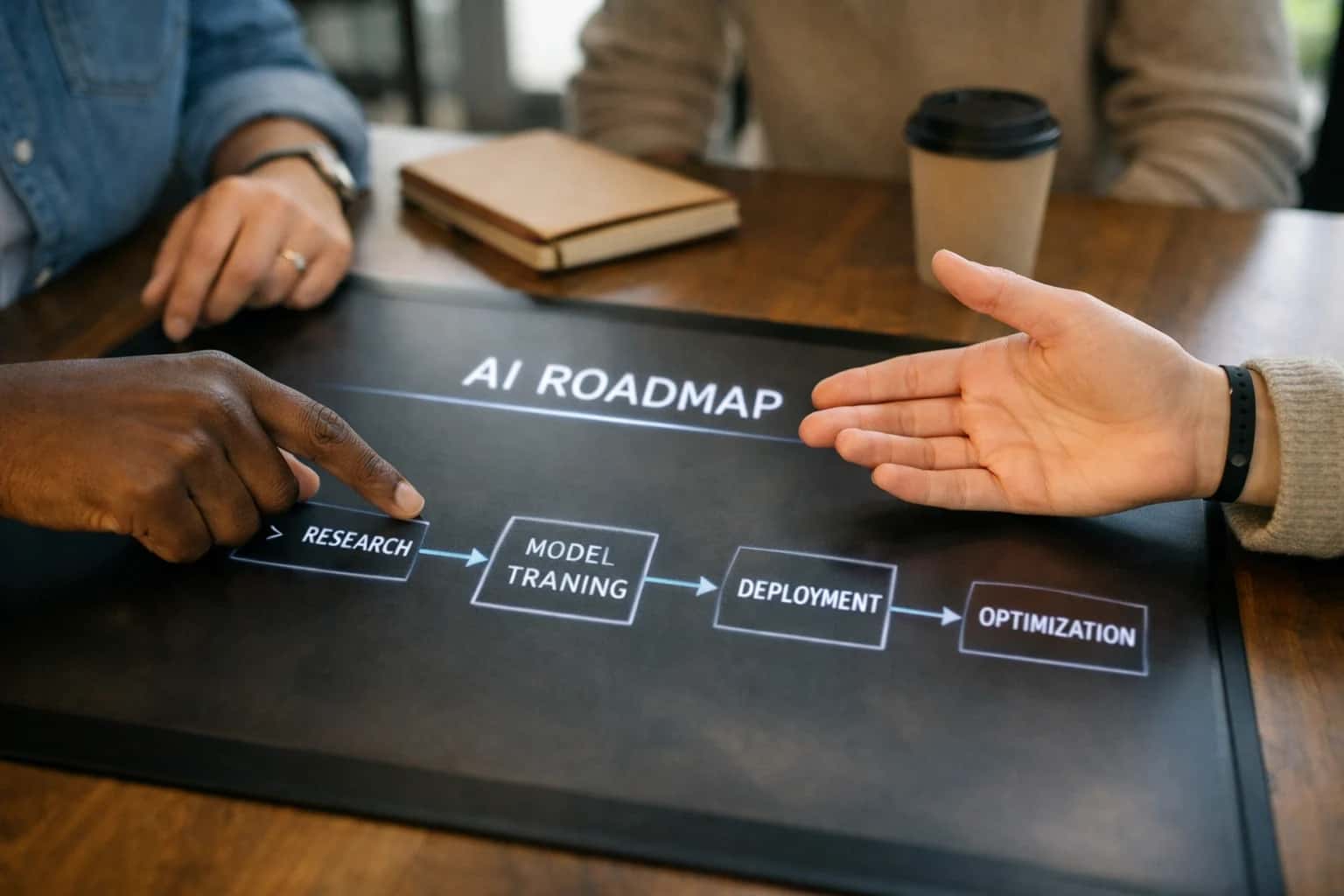
AI INTEGRATION FOR SUBMITTABLE
From Calendar Reminders to Predictive Deadline Intelligence
Move beyond static deadline tracking to AI-powered forecasting and proactive workload management for grant managers.
Implementation involves a lightweight service that polls Submittable for upcoming deadlines and enriches them with predictive signals. This service can be deployed as a cloud function that writes risk scores and recommended actions back to custom fields in Submittable or triggers workflows in the platform's Workflow Builder. For example, a high-risk prediction for a final report could automatically:
- Route a templated, personalized nudge to the grantee via Submittable's communication tools.
- Create a task for the grant manager with context.
- Adjust the priority of other pending reviews for that manager. The AI model is typically fine-tuned on an organization's own historical deadline adherence data, improving accuracy over generic models.
Rollout focuses on the grant manager's dashboard. Predictive alerts are surfaced alongside standard deadlines, with clear explanations (e.g., "Predicted risk due to no portal login in 30 days"). Governance is critical: predictions are recommendations, not commands. All AI-triggered communications should be reviewed in a staging environment before full automation, and a human-in-the-loop approval step can be maintained for high-stakes grants. This transforms deadline management from a clerical reminder system into an intelligence layer that helps program staff allocate their scarce time to where it will have the most impact.
INTEGRATION SURFACES
Where AI Connects to Submittable's Deadline Systems
Core Deadline Objects
AI connects directly to Submittable's deadline objects for applications, reports, and other milestones. These are typically managed via the Program Settings and Form Settings APIs. An AI agent can be triggered by a webhook on deadline creation or update to begin its forecasting workflow.
Key integration points include:
- Program Close Dates: The final submission deadline for an entire grant cycle.
- Form-Specific Deadlines: Individual deadlines for components like budgets or narratives.
- Post-Award Report Due Dates: Deadlines tied to specific grant awards and payment milestones.
The AI system consumes these dates alongside historical submission patterns (e.g., last-minute rush percentages) to generate workload forecasts and preemptive alerts for program managers.
SUBITTABLE INTEGRATION PATTERNS
High-Value AI Deadline Use Cases for Grantmakers
Proactive deadline management is critical for grant program integrity and staff sanity. These AI integration patterns connect directly to Submittable's API and workflow engine to forecast, alert, and act on application and report deadlines, transforming reactive firefighting into controlled, predictable operations.
01
Predictive Workload Forecasting
AI analyzes historical submission patterns, program complexity, and reviewer capacity to forecast the volume of applications or reports due in the coming weeks. This enables proactive resource allocation—like securing temporary reviewers or adjusting internal deadlines—before the crunch hits.
Weeks -> Days
Forecast lead time
02
Intelligent Applicant Reminders
Instead of generic blast emails, AI segments applicants based on engagement history and submission progress. It triggers personalized, staged reminders via Submittable's notification system, increasing on-time submission rates while reducing support tickets from confused applicants.
Batch -> Behavioral
Communication style
03
Automated Triage & Routing
As submissions arrive against a deadline, AI performs initial completeness checks, extracts key data, and auto-routes applications to the appropriate program officer or review queue within Submittable. This ensures the final hours before close are spent on review, not administrative sorting.
First-minute
Routing speed
04
Post-Award Deadline Orchestration
AI monitors active grants for upcoming report and payment milestones. It automatically generates tasks in Submittable for grant managers, drafts reminder communications to grantees, and can even adjust future deadlines based on early submission patterns or grant modifications.
Manual -> Automated
Milestone tracking
05
Exception & Risk Flagging
AI continuously scans for deadline-related risks: a surge in last-minute submissions that may overwhelm reviewers, or a grantee with a history of late reports. It flags these exceptions directly in Submittable records, allowing program staff to intervene early rather than after a deadline is missed.
Reactive -> Proactive
Risk management
06
Reviewer Capacity Matching
As application deadlines pass, AI evaluates the incoming batch size and complexity against the availability and expertise of reviewers in the Submittable system. It suggests optimal reviewer assignments and can even trigger invitations to backup reviewers, ensuring timely review cycles start immediately.
1 sprint
Setup time saved
PRACTICAL IMPLEMENTATION PATTERNS
Example AI-Enhanced Deadline Workflows
These workflows illustrate how AI can be integrated into Submittable to proactively manage application and report deadlines, shifting program management from reactive to predictive.
Trigger: A new grant program is published in Submittable with an application deadline set.
AI Action:
- The AI agent analyzes historical submission patterns for similar programs (e.g., submission velocity in the final 72 hours, average application length).
- It cross-references the current program's marketing reach and applicant pool size.
- The model generates a forecasted submission curve and predicts the final 48-hour volume.
System Update & Alert:
- The forecast is written to a custom Submittable object or external dashboard.
- An automated alert is sent via Submittable's notification system or Slack/MS Teams to the program manager: "Program X is forecasted to receive ~120 submissions in the final 48 hours. Consider pre-allocating reviewer capacity or enabling staggered review."
Human Review Point: The program manager reviews the forecast and can adjust internal resourcing or communication plans.
PROACTIVE WORKLOAD MANAGEMENT
Implementation Architecture: Data Flow & System Design
A blueprint for connecting AI forecasting to Submittable's deadline objects and communication workflows.
The integration connects to Submittable's API to continuously monitor two core data objects: Application Deadlines (for submission windows) and Report Deadlines (for post-award deliverables). An AI agent, scheduled as a background service, ingests this deadline data along with historical patterns—such as typical submission volume spikes in the final 48 hours or common grantee extension requests. Using time-series forecasting, the system predicts future workload intensity for program managers and identifies deadlines at high risk of being missed based on grantee engagement signals (e.g., incomplete draft saves).
Predictions are written back to Submittable via custom fields (e.g., Predicted_Submission_Volume, Risk_Score) and trigger native platform automations. For example, a high-risk forecast can automatically adjust a workflow's Task Assignment to pre-allocate reviewer capacity or trigger a Communications workflow that sends a prioritized, personalized reminder to specific applicants. The system design includes a dedicated Audit Log for all AI-generated predictions and triggered actions, ensuring transparency for program audits.
Rollout follows a phased approach: start with read-only monitoring and alerting to a dashboard, then progress to writing risk scores to custom fields, and finally enable automated communication triggers for a pilot program. Governance is critical; a human-in-the-loop approval step is maintained for any communication sent based on AI risk scoring during the initial phases. This architecture turns Submittable from a passive deadline tracker into an active workload coordination system, helping managers shift from reactive firefighting to proactive capacity planning.
DEADLINE FORECASTING & ALERTING
Code Patterns & API Integration Examples
Ingest Submittable Webhook Events
Submittable can send webhook notifications for key events like application submission, status changes, and report uploads. An AI service listens for these events to calculate and update deadline forecasts.
python# Flask endpoint example for Submittable webhook from flask import Flask, request, jsonify from datetime import datetime, timedelta import requests app = Flask(__name__) @app.route('/webhook/submittable', methods=['POST']) def handle_submittable_webhook(): payload = request.json event_type = payload.get('event') submission_id = payload.get('submission_id') program_id = payload.get('program_id') # Fetch submission details via Submittable API submission_data = fetch_submission_details(submission_id) # Calculate forecast based on event type and historical data forecast = ai_deadline_forecast(submission_data, event_type) # Update Submittable custom field via PATCH update_submittable_custom_field(submission_id, 'ai_forecasted_deadline', forecast) return jsonify({'status': 'processed', 'forecast': forecast}), 200
This pattern ensures real-time deadline intelligence is attached to each submission record, visible to program managers within Submittable.
AI-POWERED DEADLINE FORECASTING
Realistic Time Savings & Operational Impact
How AI integration transforms reactive deadline management into proactive workload planning for Submittable program managers.
| Workflow Stage | Before AI | After AI | Key Impact |
|---|---|---|---|
Deadline Visibility | Manual calendar checks, spreadsheet tracking | Automated dashboard with predictive alerts | Eliminates missed deadlines; provides 2-4 week forecast |
Applicant Communication | Batch reminders sent days before deadline | Personalized, staged nudges based on submission progress | Reduces last-minute support tickets by 30-50% |
Reviewer Capacity Planning | Ad-hoc assignment after submission window closes | Forecasted reviewer load based on incoming application volume | Enables pre-scheduling, reduces review cycle time by 2-5 days |
Workload Triage | All applications treated equally post-deadline | Priority scoring of late or complex submissions for staff | Focuses manual effort on highest-risk items first |
Post-Deadline Reporting | Manual compilation of submission stats for leadership | Automated report generation on submission rates, bottlenecks | Turns 2-3 hour manual task into a 5-minute review |
Exception Handling | Reactive process for deadline extension requests | AI-assisted review of extension rationale against policy | Standardizes decisions, creates audit trail for exceptions |
Program Calendar Sync | Static deadlines disconnected from other org events | AI checks for conflicts with holidays, other program dates | Prevents scheduling conflicts that impact applicant turnout |
PRODUCTION ARCHITECTURE FOR GRANTMAKERS
Governance, Security & Phased Rollout
Implementing AI for deadline management requires a secure, governed approach that builds trust and demonstrates value incrementally.
A production integration for Submittable deadline forecasting is built on a secure, event-driven architecture. The core system listens for webhooks from Submittable's API on key events: application submission, form save, status change, and report upload. This data, along with historical deadline performance, is processed in a dedicated service layer. Here, AI models analyze patterns to predict workload spikes and identify applications at risk of missing upcoming deadlines. All predictions and alerts are written back to Submittable as custom field data or internal notes, and key insights are pushed to a separate analytics dashboard. This keeps the intelligence within the platform's native audit trail and role-based permissions (RBAC), ensuring only authorized program managers and reviewers see the forecasts.
Rollout follows a phased, value-driven path to de-risk the project and secure user adoption:
- Phase 1: Silent Monitoring & Baseline. The AI system runs in "observer mode" for 1-2 grant cycles, generating forecasts without triggering any alerts. This validates model accuracy against real outcomes and establishes a performance baseline.
- Phase 2: Internal Dashboard & Alerts. Program managers gain access to a private dashboard showing forecasted workload and risk flags. Automated, low-stakes internal alerts (e.g., Slack/Teams messages) are enabled for the operations team.
- Phase 3: Integrated Workflow Actions. High-confidence predictions are integrated into Submittable workflows. This includes auto-assigning "At-Risk" tags to submissions, suggesting review prioritization in queue views, and triggering templated, draft reminder communications for manager approval before sending.
- Phase 4: Proactive Applicant Communications. With proven accuracy, the system can automate pre-approved, helpful nudge emails to applicants (e.g., "Your draft is 80% complete, the deadline is in 7 days"), directly from Submittable's communication tools.
Governance is non-negotiable. All AI-generated content—whether an internal risk score or an external message draft—is clearly labeled as "AI-Assisted." A human-in-the-loop approval step is mandatory for any communication sent to applicants. The system maintains a full audit log linking each prediction to the source data and model version, crucial for explaining forecasts to review committees. Data handling adheres to Submittable's own security model; no PII or grant data is sent to external AI services without first being anonymized or aggregated. This controlled, transparent approach turns AI from a black box into a reliable operational co-pilot for your grant teams. For related technical patterns, see our guide on AI Integration for Grant Management Platform APIs.
Enabling Efficiency, Speed & Accuracy
Intelligent Analysis, Decision & Execution
We build AI systems for teams that need search across company data, workflow automation across tools, or AI features inside products and internal software.
Talk to Us
Search across company data
Give teams answers from docs, tickets, runbooks, and product data with sources and permissions.
Useful when people spend too long searching or get different answers from different systems.
Enterprise searchRAGPermissions
Read more
Automate internal workflows
Use AI to route work, draft outputs, trigger actions, and keep approvals and logs in place.
Useful when repetitive work moves across multiple tools and teams.
AI agentsWorkflow automationGovernance
Read more
Add AI to products and internal tools
Build assistants, guided actions, or decision support into the software your team or customers already use.
Useful when AI needs to be part of the product, not a separate tool.
AI integrationDecision supportModel routing
Read moreIMPLEMENTATION AND WORKFLOW
Frequently Asked Questions
Practical questions for grant managers and technical teams planning AI-powered deadline management in Submittable.
The AI integration analyzes historical patterns and current activity within your Submittable workspace to predict which deadlines are at risk of being missed.
Typical workflow:
- Trigger: A nightly batch job pulls data via the Submittable API.
- Context Pulled: For each active program, the system retrieves:
- Number of applications/reports submitted vs. expected.
- Submission velocity over the last 7-14 days.
- Complexity of submissions (e.g., word count, required attachments).
- Historical completion rates for similar programs.
- Model Action: A lightweight forecasting model (often a regression or time-series model) processes this data to output a probability score for on-time completion.
- System Update: High-risk programs are flagged in a dashboard or trigger an alert workflow.
- Human Review Point: The program manager reviews the forecast and decides on an intervention (e.g., sending a reminder, extending the deadline).

About the author
Prasad Kumkar
CEO & MD, Inference Systems
Prasad Kumkar is the CEO & MD of Inference Systems and writes about AI systems architecture, LLM infrastructure, model serving, evaluation, and production deployment. Over 5+ years, he has worked across computer vision models, L5 autonomous vehicle systems, and LLM research, with a focus on taking complex AI ideas into real-world engineering systems.
His work and writing cover AI systems, large language models, AI agents, multimodal systems, autonomous systems, inference optimization, RAG, evaluation, and production AI engineering.
LinkedIn
Limited slotsGet a Free AI Consultation
Partnered with leading AI, data, and software stack.





How We Work
Custom AI workflows for your Business
One-fit-all AI don't work for modern businesses. At Inferensys, we aim to understand your business & custom requirements; which we use to define most efficient agentic workflows, the data, and the tools for your business.
01
Review the use case
We understand the task, the users, and where AI can actually help.
Read more02
Pick the right approach
We define what needs search, automation, or product integration.
Read more03
Build the first useful version
We implement the part that proves the value first.
Read more04
Improve from there
We add the checks and visibility needed to keep it useful.
Read moreThe first call is a practical review of your use case and the right next step.
Talk to Us