AI integration for Foundant grant tracking focuses on the Grant Records, Financials Module, and Reporting Dashboard surfaces. The primary data objects are active grant records, which contain key fields like Award Amount, Disbursement Schedule, Reporting Deadlines, and Budget Line Items. An AI agent acts as a continuous monitor, polling these records via Foundant's API or listening for webhook events on status changes, payment entries, and report submissions. Its core function is to compare planned timelines and budgets against actuals, flagging variances for grant managers.

Integration
AI Integration for Foundant Grant Tracking
Add predictive AI tracking to Foundant to monitor active grants, forecast delays, detect budget variances, and automate deadline alerts for grant managers.
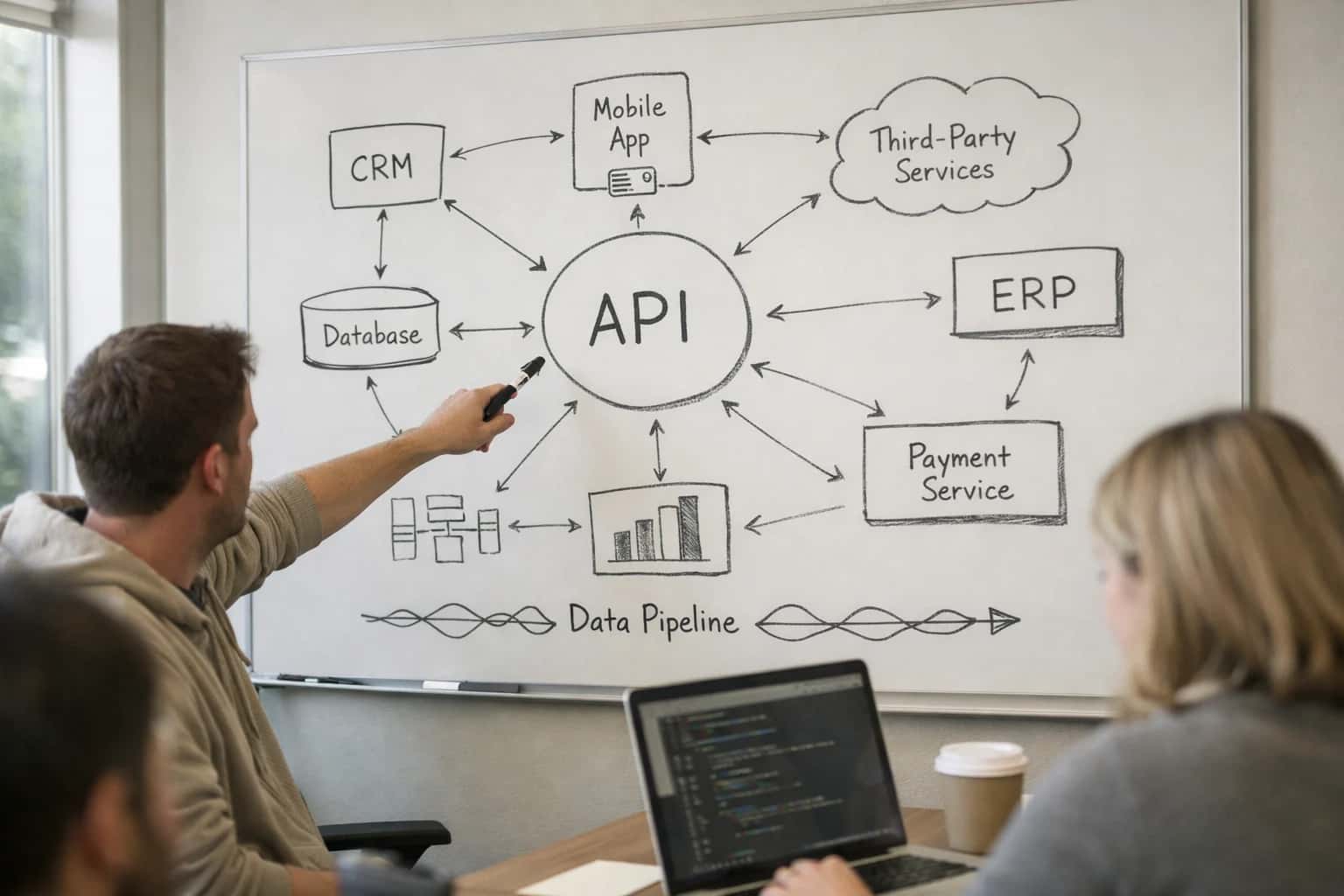
ARCHITECTURE & ROLLOUT
Where AI Fits into Foundant Grant Tracking
A practical blueprint for integrating AI agents into Foundant's grant tracking workflows to automate monitoring and predictive alerts.
Implementation typically involves a lightweight service that sits between Foundant and your AI model. This service ingests grant data, runs it through pre-configured logic (e.g., "if report due date is within 14 days and no draft is submitted, flag as 'At Risk'"), and can trigger actions back in Foundant. These actions include creating a Task for the program officer, posting an Internal Note with a suggested follow-up message, or updating a custom Risk Score field. For financial tracking, the agent can analyze uploaded budget vs. actual reports (PDFs, Excel) via OCR and data extraction, automatically populating variance fields and suggesting reasons for overspend.
Rollout should start with a single, high-volume grant program to calibrate alert accuracy. Governance is critical: all AI-generated flags and suggested communications should be routed through a human-in-the-loop approval step within Foundant's workflow engine before any external action is taken. This ensures oversight and allows grant managers to refine the AI's logic based on false positives. A successful integration shifts grant manager focus from manual checking to exception handling, turning tracking from a reactive audit into a proactive management tool. For related architectural patterns, see our guide on AI Integration for Grant Management Platform APIs.
ARCHITECTURAL BLUEPRINTS
Key Foundant Surfaces for AI Integration
Foundant's Core Review Workflow
AI integration targets the Application Intake and Review & Scoring modules to automate manual screening and enhance decision consistency. Key surfaces include:
- Application Forms & Attachments: AI can pre-screen submissions for completeness, extract key data from narratives and budgets using OCR, and flag potential eligibility issues before human review.
- Reviewer Assignment & Workflow Engine: Integrate with Foundant's workflow rules to intelligently route applications based on AI-derived scores, reviewer expertise, or conflict-of-interest checks.
- Scoring Rubrics & Comment Fields: Embed AI scoring models directly into custom rubrics to provide consistent preliminary scores. AI can also synthesize reviewer comments from free-text fields into executive summaries for committee chairs.
This layer reduces the manual triage load for program officers, turning days of initial review into hours.
GRANT MANAGEMENT AUTOMATION
High-Value AI Tracking Use Cases for Foundant
Integrating AI into Foundant's grant tracking modules transforms reactive monitoring into proactive management. These use cases focus on predictive alerts, automated variance analysis, and intelligent workflow triggers to reduce administrative overhead and mitigate grant risk.
01
Predictive Reporting Deadline Alerts
AI analyzes grantee historical performance, report complexity, and communication patterns to predict late submissions weeks in advance. Automatically triggers tiered reminder workflows in Foundant and flags high-risk grants for manager intervention.
Batch -> Proactive
Alerting model
02
Automated Budget Variance Explanation
Connects to Foundant's budget modules and financial report attachments. AI compares planned vs. actual spend, categorizes variances, and drafts narrative explanations for grant managers to review and approve, cutting reconciliation time significantly.
Hours -> Minutes
Per variance review
03
Milestone Progress & Risk Scoring
Continuously scores active grant health by analyzing milestone updates, narrative reports, and communication sentiment within Foundant records. Generates a real-time risk dashboard and automatically routes at-risk grants for portfolio review.
Same day
Risk visibility
04
Intelligent Grantee Support Triage
AI-powered support agent integrated into the Foundant grantee portal. It classifies inbound questions, retrieves relevant grant terms and past communications, and either provides automated answers or routes complex queries to the correct program officer.
Reduce manual triage
For common inquiries
05
Compliance & Audit Trail Monitoring
Monitors Foundant's system audit logs and document uploads for compliance gaps (e.g., missing signatures, overdue certifications). AI flags exceptions, suggests corrective actions, and auto-generates evidence packets for internal or external auditors.
1 sprint
For audit prep
06
Portfolio-Level Impact Forecasting
Aggregates and analyzes outcome data from across the active grant portfolio in Foundant. AI identifies leading indicators of success or failure, forecasts overall program impact, and generates briefing memos for leadership on portfolio health and strategic adjustments.
Batch -> Real-time
Portfolio intelligence
FOR FOUNDANT GRANT MANAGERS
Example AI-Enhanced Grant Tracking Workflows
These concrete workflows show how AI can be integrated into Foundant's grant tracking modules to automate monitoring, generate predictive alerts, and reduce manual oversight for grant managers.
Trigger: A grant record in Foundant reaches a date threshold (e.g., 30 days before a report deadline, or a milestone due date).
Context/Data Pulled: The AI agent queries Foundant's API for:
- The specific grant's reporting schedule and past submission history.
- Associated grantee contact information and communication log.
- Any uploaded draft documents or progress notes.
Model/Agent Action: The agent analyzes the data to assess risk:
- Predicts Likelihood of Late Submission: Based on historical timeliness of the grantee and complexity of the required report.
- Generates a Draft Communication: Creates a personalized email reminder for the grantee, referencing specific grant terms and offering support resources.
- Flags for Manager Review: If the risk score is high (e.g., grantee has missed prior deadlines), it creates a task in Foundant for the grant manager with a recommended escalation path.
System Update/Next Step: The system automatically logs the AI-generated alert in Foundant's activity feed and, if configured, sends the drafted email to the grantee via Foundant's email integration, cc'ing the grant manager.
Human Review Point: The grant manager reviews the high-risk flag and the drafted communication in their Foundant task queue before any escalation is sent.
PREDICTIVE ALERTS FOR GRANT MANAGERS
Implementation Architecture: Connecting AI to Foundant
A practical blueprint for integrating predictive AI into Foundant's grant tracking workflows to surface risks before they impact outcomes.
The integration connects to Foundant's core data objects—primarily the Grant, Award, Payment Schedule, and Report records—via its REST API and webhooks. An AI service, deployed as a containerized microservice, subscribes to webhook events for key status changes (e.g., report submitted, payment issued, milestone date passed). It ingests structured data from these records and, for critical workflows, also processes attached documents (financial statements, narrative reports) via secure, temporary object storage to extract unstructured data using OCR and NLP models.
For each active grant, the service runs scheduled evaluations against a configurable rule set. It cross-references planned versus actual dates, budget line items, and report submission histories. Using lightweight forecasting models, it predicts the likelihood of a reporting deadline miss, identifies budget variances that exceed typical thresholds for that grant type, and flags activity delays based on milestone progress. High-confidence alerts are written back to a custom object in Foundant (e.g., AI_Alert__c) or appended as notes to the Grant record, triggering Foundant's native notification engine to email the assigned grant manager. This creates a closed-loop system where the AI surfaces insights, but human judgment drives the final action.
Rollout is typically phased, starting with a single program or grant type to calibrate alert accuracy. Governance is critical: grant managers review alert accuracy in a weekly dashboard, and false positives feed back into the model's tuning. This ensures the AI augments rather than overwhelms. For a detailed look at connecting AI services to platform APIs, see our guide on /integrations/grant-management-platforms/grant-management-platform-apis.
AI-ENHANCED GRANT TRACKING
Code and Payload Examples
Ingesting Foundant Data for AI Analysis
To generate predictive alerts, you first need to extract grant tracking data from Foundant's API. This Python example fetches active grants and their key milestones, preparing the payload for an AI service that forecasts delays.
pythonimport requests import json from datetime import datetime, timedelta # Foundant API configuration FOUNDANT_API_KEY = 'your_api_key' FOUNDANT_BASE_URL = 'https://api.foundant.com/v1' headers = { 'Authorization': f'Bearer {FOUNDANT_API_KEY}', 'Content-Type': 'application/json' } # Fetch active grants with their reports and payments response = requests.get( f'{FOUNDANT_BASE_URL}/grants', headers=headers, params={'status': 'active', 'include': 'reports,payments'} ) grants_data = response.json() # Structure payload for AI prediction service ai_payload = { "analysis_type": "budget_and_timeline_risk", "grants": [] } for grant in grants_data.get('grants', []): grant_payload = { "grant_id": grant['id'], "title": grant['title'], "awarded_amount": grant['awarded_amount'], "spent_to_date": grant['spent_to_date'], "start_date": grant['start_date'], "end_date": grant['end_date'], "report_deadlines": [r['due_date'] for r in grant.get('reports', [])], "payment_schedule": [p['scheduled_date'] for p in grant.get('payments', [])] } ai_payload["grants"].append(grant_payload) # Send to Inference Systems AI endpoint for risk scoring aio_response = requests.post( 'https://api.inferencesystems.com/v1/grants/predict', json=ai_payload, headers={'X-API-Key': 'your_inference_api_key'} ) # The response contains risk scores and predicted delays predictions = aio_response.json()
This payload enables the AI to analyze spend rates against timelines, flagging grants at risk of budget overruns or late reporting.
AI-ENHANCED GRANT TRACKING
Realistic Time Savings and Operational Impact
How AI integration transforms manual monitoring into proactive grant management within Foundant, showing typical operational improvements for grant managers and finance officers.
| Metric | Before AI | After AI | Notes |
|---|---|---|---|
Report Deadline Monitoring | Manual calendar checks and email reminders | Automated predictive alerts 7-14 days prior | Reduces missed deadlines; flags high-risk grantees |
Budget Variance Detection | Monthly or quarterly manual spreadsheet review | Continuous anomaly detection on upload | Identifies overspend risks same-day instead of next month |
Grant Progress Assessment | Manual review of narrative reports for delays | AI-summarized progress against milestones | Highlights stalled grants in minutes, not hours |
Payment Schedule Adherence | Reactive follow-up on missed disbursements | Proactive alerts on upcoming & missed payments | Improves cash flow forecasting for grantees |
Compliance & Audit Trail | Quarterly manual sampling for requirements | Continuous monitoring with automated evidence logs | Cuts prep time for annual audits by 30-50% |
Risk Flag Consolidation | Ad-hoc meetings to synthesize grantee risks | Unified dashboard with AI-prioritized risk scores | Enables proactive interventions, not post-mortems |
Portfolio Health Reporting | Days to compile status reports for leadership | Automated executive briefings generated weekly | Shifts effort from data gathering to strategic analysis |
ARCHITECTING CONTROLLED AI FOR GRANT OPERATIONS
Governance, Security, and Phased Rollout
A production-ready AI integration for Foundant requires a governance-first approach, ensuring predictive alerts enhance—rather than disrupt—existing compliance and stewardship workflows.
AI governance in Foundant centers on data access controls and audit trails. Predictive models for delays or budget variances should only query the specific grant records, financial modules, and report deadlines that a grant manager is authorized to view, respecting Foundant's existing role-based permissions. All AI-generated alerts and insights must be written back to the relevant grant's activity log or a dedicated AI Insights custom object, creating a transparent lineage from prediction to human action. This ensures that for audit purposes, you can trace why an alert was triggered and what follow-up was taken.
Security is implemented at the integration layer. Instead of granting an AI service direct database access, we architect a secure middleware service that uses Foundant's API with scoped API keys. This service acts as a broker, fetching only the necessary data (e.g., Grant__c status, Payment__c schedules, Report__c due dates) for processing and returning structured alerts. Sensitive data like bank details or full applicant narratives never leave your controlled environment. For processing, you can choose between using a cloud-based LLM via a private endpoint or an on-premises model, depending on your foundation's data policy.
A phased rollout minimizes risk and builds trust. Start with a read-only pilot on a single, non-critical grant program. Configure the AI to generate alerts for reporting deadlines and post them to a sandbox Dashboard__c object or a separate reporting tool, allowing grant managers to evaluate accuracy without any automated actions. Phase two introduces actionable alerts into Foundant's workflow engine, such as auto-creating a task for a grant manager when a high-confidence budget variance is detected. The final phase integrates predictive insights into Foundant's native reporting and dashboard modules, enabling portfolio-wide risk heatmaps. Throughout, maintain a human-in-the-loop; the AI suggests, the grant manager decides.
This controlled approach ensures the integration delivers operational clarity—turning latent data into proactive stewardship—while adhering to the high standards of accountability required in grantmaking. For a deeper technical look at connecting AI services to Foundant's API, see our guide on /integrations/grant-management-platforms/foundant-api-development, or explore our blueprint for AI-powered financial reconciliation which complements tracking workflows.
Enabling Efficiency, Speed & Accuracy
Intelligent Analysis, Decision & Execution
We build AI systems for teams that need search across company data, workflow automation across tools, or AI features inside products and internal software.
Talk to Us
Search across company data
Give teams answers from docs, tickets, runbooks, and product data with sources and permissions.
Useful when people spend too long searching or get different answers from different systems.
Enterprise searchRAGPermissions
Read more
Automate internal workflows
Use AI to route work, draft outputs, trigger actions, and keep approvals and logs in place.
Useful when repetitive work moves across multiple tools and teams.
AI agentsWorkflow automationGovernance
Read more
Add AI to products and internal tools
Build assistants, guided actions, or decision support into the software your team or customers already use.
Useful when AI needs to be part of the product, not a separate tool.
AI integrationDecision supportModel routing
Read moreIMPLEMENTATION AND WORKFLOW DETAILS
FAQ: AI Integration for Foundant Grant Tracking
Practical questions and workflow blueprints for adding predictive AI tracking to active grants within Foundant, focusing on automating oversight for delays, budget variances, and reporting deadlines.
To build effective AI tracking agents, you need to connect to specific Foundant objects and fields via its API. Key data sources include:
- Grant Records: Grant ID, status, award amount, start/end dates, program association.
- Milestone & Deliverable Objects: Due dates, completion status, submission dates, linked documents.
- Payment & Financial Data: Scheduled disbursement dates, actual payment dates, budget line items, expense reports.
- Communication & Activity Logs: Email history, portal logins, file upload timestamps.
- Custom Fields: Any organization-specific tracking fields (e.g., risk flags, geographic focus).
The AI system typically polls or receives webhooks for changes to these objects. A common pattern is to create a nightly sync job that extracts this data, vectorizes key text fields (like report narratives), and stores it in a dedicated analytics layer for model processing. This keeps the predictive logic separate from Foundant's operational database.

About the author
Prasad Kumkar
CEO & MD, Inference Systems
Prasad Kumkar is the CEO & MD of Inference Systems and writes about AI systems architecture, LLM infrastructure, model serving, evaluation, and production deployment. Over 5+ years, he has worked across computer vision models, L5 autonomous vehicle systems, and LLM research, with a focus on taking complex AI ideas into real-world engineering systems.
His work and writing cover AI systems, large language models, AI agents, multimodal systems, autonomous systems, inference optimization, RAG, evaluation, and production AI engineering.
LinkedIn
Limited slotsGet a Free AI Consultation
Partnered with leading AI, data, and software stack.





How We Work
Custom AI workflows for your Business
One-fit-all AI don't work for modern businesses. At Inferensys, we aim to understand your business & custom requirements; which we use to define most efficient agentic workflows, the data, and the tools for your business.
01
Review the use case
We understand the task, the users, and where AI can actually help.
Read more02
Pick the right approach
We define what needs search, automation, or product integration.
Read more03
Build the first useful version
We implement the part that proves the value first.
Read more04
Improve from there
We add the checks and visibility needed to keep it useful.
Read moreThe first call is a practical review of your use case and the right next step.
Talk to Us