
Inferensys

Integration

AI Integration for Fluxx Applicant Tracking

Build longitudinal intelligence on applicant organizations within Fluxx using AI. Automate relationship tracking, predict future funding needs, and enrich due diligence.
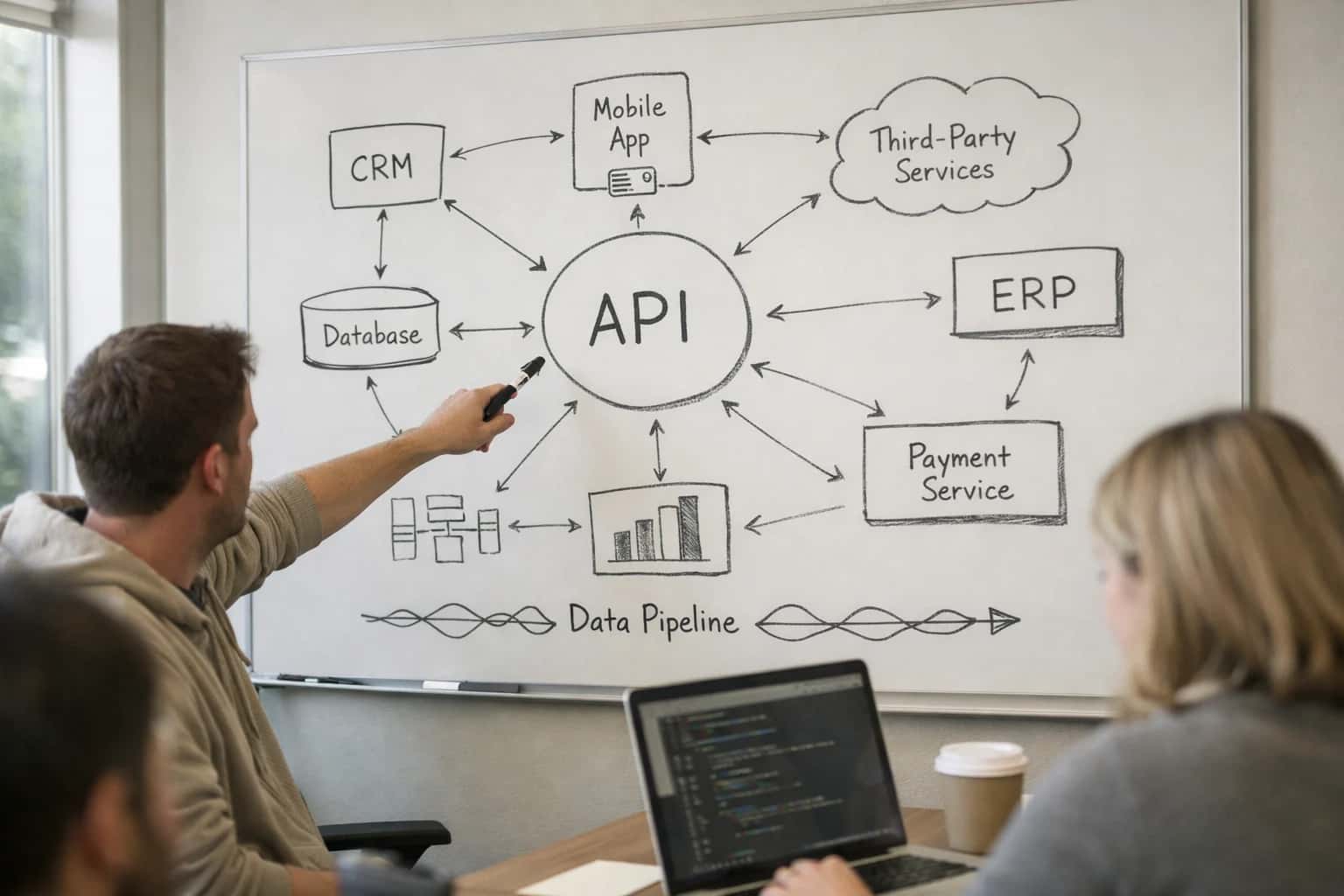
Enterprise integration architect reviewing API connections on laptop, diagram showing systems connecting, modern office setup.
ARCHITECTURE & ROLLOUT

Where AI Fits in Fluxx Applicant Tracking

Integrating AI into Fluxx's applicant tracking system transforms static records into dynamic relationship intelligence, enabling proactive grantmaking.

AI integration connects to the core Applicant Organization object in Fluxx, enriching profiles with data extracted from past applications, submitted reports, and external sources. This creates a longitudinal view of each organization's capacity, performance history, and engagement patterns. Key surfaces for AI include:

  • Custom Fields & Notes: Automatically populate fields like Engagement Score, Risk Flag, or Strategic Alignment based on AI analysis of unstructured data.
  • Workflow Engine: Trigger AI scoring at key stages (e.g., upon application submission or report receipt) to route applicants, flag for review, or suggest next steps.
  • API & Webhooks: Push applicant data to external AI services for analysis and pull back enriched insights, scores, and predictions to store within Fluxx records.


The implementation typically involves a lightweight middleware layer that subscribes to Fluxx webhooks for new or updated applicant records. This service calls AI models for:

  • Relationship Intelligence: Clustering organizations by mission, geography, or past performance to identify synergies or gaps in the portfolio.
  • Need Prediction: Analyzing application narratives, financials, and past engagement to predict future funding requests or capacity-building needs.
  • Automated Briefing: Generating one-page summaries for program officers ahead of site visits or renewal discussions, synthesizing data from across the applicant's history in Fluxx. Impact is measured in reduced manual research time for program staff and more consistent, data-informed interactions with applicant organizations.

Rollout should start with a single program or grant type to calibrate AI models against historical outcomes. Governance is critical: establish clear rules for human-in-the-loop review of AI-generated scores or flags before they influence decisions. Implement audit trails within Fluxx's activity logs to track which insights were AI-generated and which staff actions they informed. This controlled approach builds trust, ensures compliance, and allows for iterative refinement of the AI integration based on real-world feedback from grantmaking teams.

ARCHITECTURAL BLUEPRINT

Key Fluxx Surfaces for AI Integration

Core Data Intake Layer

AI integration begins with the Application and Form objects, which hold all applicant-submitted data. This is the primary surface for automating intake workflows.

Key integration points:

  • Pre-Submission Validation: Use AI to analyze draft applications in real-time via webhook, checking for completeness, flagging inconsistencies in budgets or narratives, and providing applicant feedback before final submission.
  • Post-Submission Triage: On submission, trigger an AI agent to extract key entities (organization name, EIN, requested amount, geographic focus) from unstructured text fields and populate corresponding Fluxx custom fields for routing and reporting.
  • Document Processing: Attachments like IRS 990s, budgets, or letters of support can be routed to an AI service for OCR, summarization, and key data extraction, appending the results as notes or structured data to the Application record.

This layer transforms raw submissions into structured, AI-enriched records ready for review.

FLUXX GRANT MANAGEMENT

High-Value AI Use Cases for Applicant Tracking

Integrate AI into Fluxx to transform applicant tracking from a static record-keeping task into a dynamic intelligence layer, predicting future engagement and building longitudinal relationship profiles.

01

Longitudinal Relationship Intelligence

Analyze an organization's complete history across multiple grant cycles in Fluxx. AI synthesizes past applications, reports, communications, and outcomes to generate a relationship health score and predict future funding needs or engagement readiness.

Batch -> Real-time
Insight generation
02

Predictive Pipeline & Capacity Forecasting

Use applicant metadata and historical patterns to forecast the future applicant pipeline for specific programs. AI models predict application volume, quality, and likely geographic or demographic trends, helping program officers plan review capacity and outreach.

1 sprint
Forecast lead time
03

Automated Due Diligence & Risk Flagging

Connect Fluxx applicant profiles to external data sources (GuideStar, IRS, news). AI continuously screens for risk signals like leadership changes, financial distress, or compliance issues, flagging records in Fluxx for program officer review before award decisions.

Same day
Proactive alerts
04

Dynamic Portfolio Balancing

As new applications enter Fluxx, AI evaluates them against active grant portfolios. It identifies gaps or over-concentrations in geography, focus area, or organization size, providing recommendations to reviewers to support strategic portfolio balance.

Real-time
Recommendation engine
05

Intelligent Re-engagement Workflows

Trigger personalized, AI-drafted communications in Fluxx based on applicant tracking data. For example, automatically reach out to high-potential past applicants when a new, relevant funding opportunity opens, or nudge inactive but aligned organizations.

Hours -> Minutes
Outreach scaling
06

Grantee Maturity & Capacity Tracking

Move beyond basic status tracking. AI analyzes report narratives, financials, and milestone completions in Fluxx to assess organizational maturity and capacity growth over time. This informs future grant sizing, technical assistance needs, and partnership potential.

FLUXX APPLICANT TRACKING

Example AI-Augmented Workflows

These workflows illustrate how AI can be integrated into Fluxx's applicant tracking modules to build longitudinal intelligence on organizations, predict engagement, and automate relationship management tasks.

Trigger: A new organization record is created in Fluxx, or an existing organization submits a new application.

Context Pulled: The system retrieves the organization's name, EIN/Tax ID (if available), past application history from Fluxx, and any linked documents (previous proposals, reports).

AI Agent Action:

  1. Calls an external enrichment API (e.g., GuideStar, IRS Business Master File) to fetch current mission statement, key personnel, financials, and geographic focus.
  2. Uses an LLM to analyze the organization's historical narrative submissions across all past Fluxx applications, extracting core competencies, thematic focus areas, and evolving impact goals.
  3. Generates a relationship health score (0-100) based on factors like reporting timeliness, outcome alignment with funder goals, and engagement frequency.
  4. Creates a concise, structured summary of the organization's evolution and strategic fit.

System Update: The AI populates hidden custom fields in the Fluxx Organization record with the enrichment data, scores, and summary. It can also tag the organization with relevant keywords (e.g., "Climate Justice," "Early Childhood Ed") for improved filtering.

Human Review Point: The program officer receives a dashboard alert for any organization where the AI detects a significant shift in focus or a drop in relationship score, prompting a manual review.

BUILDING A RELATIONSHIP INTELLIGENCE LAYER

Implementation Architecture: Data Flow and APIs

A practical blueprint for connecting AI to Fluxx's data model to track and predict applicant organization behavior.

The core integration pattern involves creating a dedicated relationship intelligence service that consumes data from Fluxx's REST API. This service acts as a middleware layer, periodically syncing key Organization records, Application histories, Contact interactions, and Funding records from specific Fluxx modules like Grants Management and Organizations. The AI service processes this data to build a temporal graph of each organization's engagement—tracking application frequency, award history, report submission timeliness, and communication touchpoints—before writing enriched insights back to custom fields or a separate analytics dashboard accessible within Fluxx.

Implementation typically uses a scheduled job (e.g., an Azure Function or AWS Lambda) that calls the Fluxx API for delta updates, ensuring minimal performance impact on the live platform. The enriched data—such as a predicted re-application score or flagged capacity concerns—is written back via the API to dedicated custom objects or fields on the Organization record. For real-time insights, webhooks can be configured in Fluxx to trigger the AI service on critical events, like a new application submission or a missed report deadline, enabling immediate scoring and alerting for program officers.

Governance and rollout require careful planning. Start with a pilot program, syncing data for a subset of organizations to calibrate the AI models. Implement strict role-based access controls (RBAC) within Fluxx to ensure only authorized staff see the AI-generated scores and notes. Maintain a full audit trail of all data fetched and predictions made by the service for transparency and compliance. This architecture allows foundations to incrementally build a powerful, AI-augmented view of their applicant ecosystem without disrupting existing Fluxx workflows. For related integration patterns, see our guides on Fluxx API Development and AI Integration for Fluxx Scoring Workflows.

FLUXX APPLICANT TRACKING INTEGRATION

Code and Payload Examples

Enriching Applicant Organization Records

When a new organization profile is created or updated in Fluxx, a webhook can trigger an AI enrichment service. This service calls external data sources and LLMs to append relationship intelligence, such as past funding history, key personnel changes, or strategic alignment with your foundation's goals.

Example Python Webhook Handler:

python
import requests
from inference_client import FluxxClient, AIClient

# Webhook endpoint triggered by Fluxx
@app.route('/webhook/fluxx/organization-update', methods=['POST'])
def handle_organization_update():
    data = request.json
    org_id = data['object_id']
    
    # Fetch current organization record from Fluxx API
    fluxx = FluxxClient(api_key=os.getenv('FLUXX_API_KEY'))
    org_record = fluxx.get_organization(org_id)
    
    # Call AI service to generate enrichment insights
    ai = AIClient()
    insights = ai.enrich_organization(
        name=org_record['name'],
        ein=org_record.get('tax_id'),
        past_grants=org_record.get('related_awards')
    )
    
    # Update Fluxx custom field with AI-generated summary
    update_payload = {
        'custom_fields': {
            'ai_relationship_summary': insights.get('summary'),
            'ai_engagement_score': insights.get('engagement_score'),
            'ai_predicted_needs': insights.get('predicted_needs')
        }
    }
    fluxx.update_organization(org_id, update_payload)
    
    return jsonify({'status': 'enriched'}), 200

This pattern builds a longitudinal view of each applicant, turning static profiles into dynamic relationship records.

FLUXX APPLICANT TRACKING

Realistic Time Savings and Operational Impact

How AI integration transforms manual tracking into a proactive relationship intelligence system, freeing staff for strategic work.

MetricBefore AIAfter AINotes

Applicant Organization Profile Updates

Manual quarterly review

Automated monthly refresh

AI monitors public data, news, and submitted reports for changes

Relationship Health Scoring

Annual survey or gut feel

Continuous scoring dashboard

AI analyzes communication frequency, sentiment, report timeliness, and engagement

Predicting Future Engagement Needs

Reactive outreach after decline

Proactive capacity-building alerts

Flags organizations at risk of not reapplying based on historical patterns

Cross-Program Duplicate Detection

Manual search across programs

Automated entity resolution on intake

AI matches new applications to historical organizations, even with name variations

Portfolio Trend Analysis

Quarterly manual report (2-3 days)

Real-time dashboard with insights

AI surfaces trends in applicant geography, focus areas, and organizational maturity

Strategic Briefing Preparation

Manual data pull and synthesis

AI-generated briefing memo

Consolidates applicant history, relationship score, and predicted needs for committee review

New Staff Onboarding to Portfolio

Weeks of manual file review

AI-generated portfolio summary in hours

Provides historical context, key relationships, and active status for each tracked organization

ARCHITECTING A CONTROLLED DEPLOYMENT

Governance, Security, and Phased Rollout

Integrating AI into Fluxx's applicant tracking requires a deliberate approach to data security, model governance, and incremental value delivery.

A production integration must respect Fluxx's data model and security perimeter. This means implementing AI services as external, secure microservices that authenticate via Fluxx's OAuth 2.0 API, query only necessary Organization, Application, and Contact records, and write back insights to designated custom objects or activity logs. All data in transit should be encrypted, and prompts should be engineered to avoid exposing sensitive PII to foundational models. A common pattern is to use a dedicated Fluxx API Service Account with scoped permissions, ensuring the AI layer operates within the same RBAC and audit trail framework as human users.

Governance focuses on controlling the AI's influence, not replacing human judgment. For applicant relationship intelligence, we recommend a phased rollout: First, implement a read-only analysis agent that surfaces insights—like engagement trends or predicted funding needs—in a dedicated dashboard widget or a custom object tab, requiring manual review. Second, introduce assistive automation, such as AI-drafted communication templates or next-step suggestions for program officers, which require a user approval step before execution in Fluxx. This controlled, human-in-the-loop approach mitigates risk while building institutional trust in the AI's recommendations.

Start with a single, high-value workflow—such as automating the summarization of an organization's historical grant activity across multiple applications—and measure its impact on reviewer preparation time. Use Fluxx's reporting tools to track adoption and accuracy. This iterative, phased deployment allows for continuous calibration of the AI models against your specific program criteria and provides clear checkpoints for stakeholder review before expanding to more complex predictions or automated actions across the applicant lifecycle.

IMPLEMENTATION AND WORKFLOW DETAILS

Frequently Asked Questions

Practical questions for technical leaders and grant operations staff planning an AI integration with Fluxx to enhance applicant tracking and relationship intelligence.

The integration connects at the API layer, primarily interacting with three core Fluxx objects:

  1. Organizations & Contacts: The AI system reads profile data, past application history, and communication logs to build a longitudinal view.
  2. Applications & Proposals: It analyzes the content, outcomes, and reviewer feedback from historical and current submissions linked to an organization.
  3. Custom Objects & Fields: AI can populate and derive insights from custom fields you've created to track relationship strength, capacity, or strategic alignment.

Typical Data Flow:

  • A nightly sync job uses the Fluxx REST API to pull updated records for organizations in an active portfolio.
  • This data is processed, vectorized, and stored in a dedicated knowledge graph or vector database.
  • Inference models analyze patterns to generate scores and insights, which are written back to designated custom fields in Fluxx via API, making them visible to program officers.
Prasad Kumkar

About the author

Prasad Kumkar

CEO & MD, Inference Systems

Prasad Kumkar is the CEO & MD of Inference Systems and writes about AI systems architecture, LLM infrastructure, model serving, evaluation, and production deployment. Over 5+ years, he has worked across computer vision models, L5 autonomous vehicle systems, and LLM research, with a focus on taking complex AI ideas into real-world engineering systems.

His work and writing cover AI systems, large language models, AI agents, multimodal systems, autonomous systems, inference optimization, RAG, evaluation, and production AI engineering.


