The finished product traceability module in platforms like FoodLogiQ, TraceGains, or Icicle is built around a core data model: FinishedGoodLot, linked to RawMaterialLot, ProductionBatch, WarehouseLocation, and CustomerShipment records. AI integration connects at the API layer to ingest these linked records and their event logs (e.g., lot_created, lot_held, lot_shipped). The primary goal is to move from manual database queries to instant, natural-language traceback ("Which ingredients were in lot FP-12345?") and traceforward ("Where was lot FP-12345 shipped?") reports. This is achieved by building a Retrieval-Augmented Generation (RAG) system where the vector index is populated from the platform's traceability graph, enabling semantic search over lot codes, dates, and customer names.

Integration
AI Integration for Food Traceability Platform Finished Product Traceability
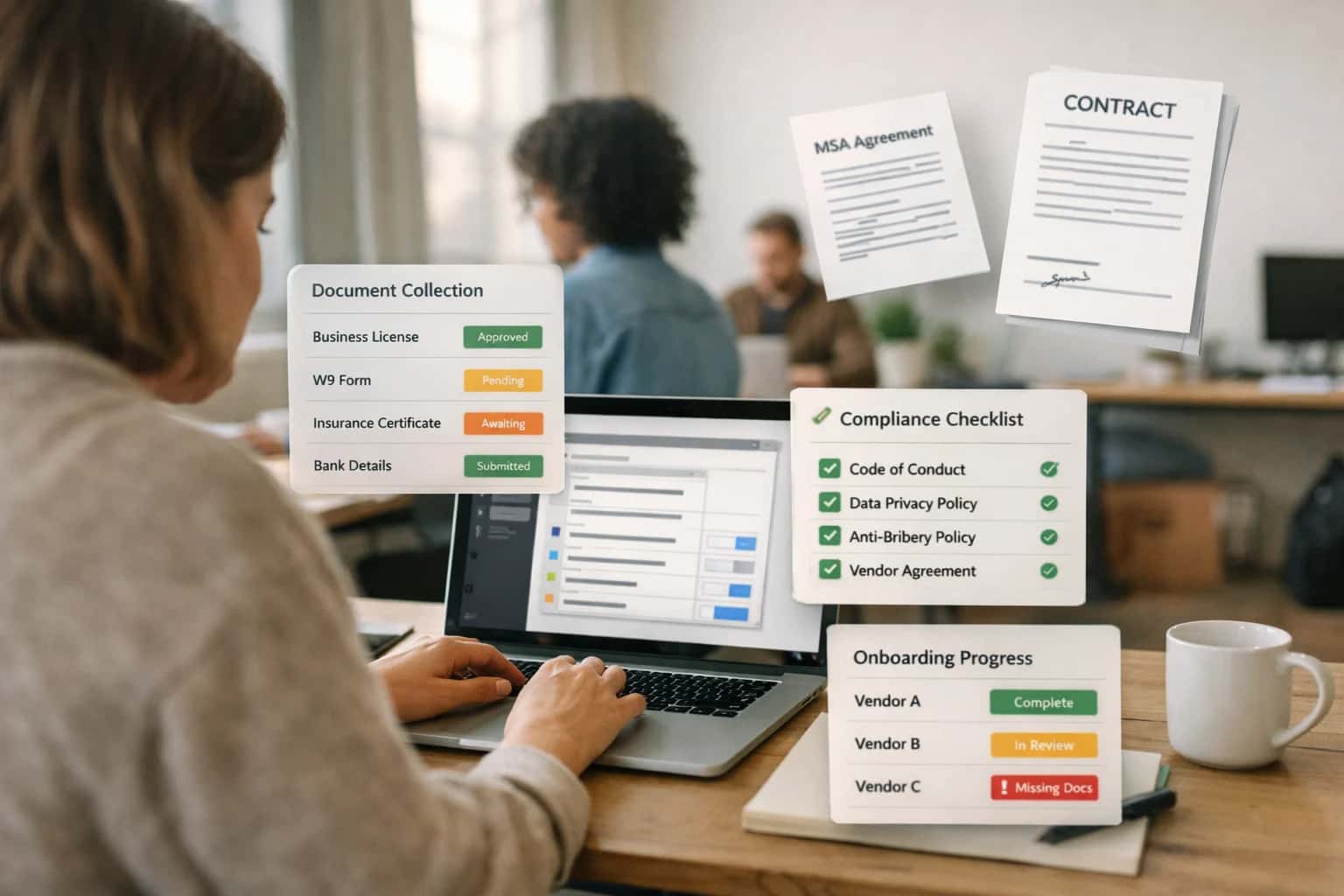
Where AI Fits into Finished Product Traceability
Integrating AI into finished product traceability surfaces transforms static lot data into dynamic, conversational intelligence for logistics teams and customer service agents.
For logistics teams, an AI agent can be embedded into a Slack channel or a low-code portal. An agent receives a query like "Find all lots from supplier 'Acme Spices' produced in March that shipped to the Midwest region." It calls the platform's REST API (e.g., GET /api/v1/finished-good-lots) with constructed filters, retrieves the records, and summarizes the findings, including total volume and current locations. For customer service, the integration surfaces within the service desk (e.g., Zendesk). When a consumer calls about a potential allergy, the agent can instantly pull the full ingredient breakdown and distribution path for the lot code on the package, drafting a personalized response. The impact is operational: reducing traceback time from hours to minutes and enabling same-day regulatory responses instead of next-day escalations.
Rollout requires a phased approach. Start by indexing historical lot data for read-only Q&A, often using a nightly sync job via the platform's export API. Next, implement real-time webhook listeners for lot_created and lot_shipped events to keep the vector store current. Governance is critical: all AI-generated trace reports should include citations to the source platform records (e.g., FoodLogiQ Lot ID: 7890) and be logged in an audit trail. For high-risk queries (e.g., active recall investigations), implement a human-in-the-loop step where the AI's proposed report is reviewed by a quality manager before release. This ensures the integration enhances—rather than compromises—the platform's role as the single source of truth for food safety.
AI Touchpoints in Major Traceability Platforms
Querying Finished Product Data
This surface handles consumer and regulator requests for traceback and traceforward. AI integrates here to transform structured lot queries into natural-language reports.
Key Platform Objects:
- Finished Good Lots: Contain attributes like
lot_id,production_date,expiration_date,manufacturing_location. - Bill of Materials (BOM): Links the finished lot to its raw material and packaging component lots.
- Transaction History: Records each movement (production, shipment, receipt) for the lot.
AI Implementation: An AI agent intercepts queries via a customer portal or API. It uses the platform's search APIs (e.g., GET /api/v1/lots/{id}/trace) to retrieve the full trace. An LLM then structures this complex graph into a plain-English summary, highlighting key events, locations, and linked ingredients. This reduces manual investigation from hours to minutes.
High-Value AI Use Cases for Finished Product Traceability
Integrate AI with your traceability platform to transform finished product data into instant, actionable intelligence for logistics teams, customer service agents, and end consumers, enabling faster responses and proactive communication.
Instant Traceback & Traceforward Reports
Deploy a natural-language AI agent that queries platform APIs (e.g., lot genealogy, shipping records) to generate complete trace reports in seconds. A customer service agent can ask, 'Show all customers who received lot #ABC123,' and get a formatted report with contact details and shipment dates, replacing manual database queries that take hours.
Automated Regulatory & Customer Notification
Build an AI workflow that monitors the platform for quality holds or recall triggers. When an event occurs, the system drafts personalized notifications by pulling affected customer lists and product details, then routes them for approval via platform tasks or email. This ensures consistent, timely communication for FSMA 204 compliance and brand protection.
Consumer-Facing Traceability Chatbot
Embed a secure AI chatbot on your brand's website or product page that allows consumers to enter a lot code and ask questions like 'Where was this produced?' or 'Is this gluten-free?'. The chatbot calls your traceability platform's APIs to retrieve and explain relevant data from the finished product's bill of materials and production records.
Logistics Exception Triage & Rerouting
Integrate AI with platform shipment events and external logistics feeds. The system analyzes delays, temperature excursions, or carrier issues linked to specific finished product lots. It then evaluates priority (based on shelf-life, customer tier) and suggests rerouting or initiates quality hold workflows within the platform, minimizing waste and service failures.
Proactive Expiry & Recall Risk Scoring
Implement a background AI model that continuously scores finished product lots in the platform based on shelf-life data, supplier performance history, and recent quality events. High-risk scores automatically trigger alerts for logistics to prioritize shipping (FEFO) or for customer service to prepare communication templates, moving from reactive to predictive operations.
Unified Customer Inquiry Resolution
Create a copilot interface for customer service teams that aggregates traceability data across platforms (FoodLogiQ, TraceGains, ERP). When a customer calls about a quality issue, the agent can ask, 'Show me everything for order #789,' and the AI surfaces the product's lot history, test results, and any existing corrective actions, cutting resolution time and improving accuracy.
Example AI-Powered Traceability Workflows
These workflows demonstrate how to integrate AI agents with your traceability platform's APIs to automate finished product traceback and traceforward reports, providing instant, natural-language answers to consumers, retailers, and regulators.
Trigger: A consumer scans a QR code on a product package or submits a lot code via a brand's customer portal.
Workflow:
- The portal calls an AI agent endpoint, passing the lot code and inquiry (e.g., "Where was this made?" or "Is this gluten-free?").
- The agent calls the traceability platform's API (e.g.,
/lots/{id}/traceback) to retrieve the full lot genealogy, including raw material sources, production facility, and processing dates. - Using a retrieval-augmented generation (RAG) system grounded in the platform's product specification data, the agent formulates a concise, compliant answer.
- System Update: The agent logs the inquiry and response for audit purposes and can trigger a follow-up task if the inquiry reveals a potential issue (e.g., an undeclared allergen concern).
- Human Review Point: Responses related to active recalls or potential safety issues are flagged for immediate review by the quality team before being sent.
Output Example: "This product (Lot #FB12345) was produced at our Springfield facility on March 15, 2024. The primary ingredients (wheat flour, sunflower oil) were sourced from suppliers in the Midwest, USA. This product contains wheat but is processed in a facility that also handles tree nuts."
Implementation Architecture: Data Flow & Guardrails
A practical blueprint for integrating AI into your traceability platform to power instant, natural-language trace reports for consumers and regulators.
The core integration pattern connects an AI orchestration layer to your FoodLogiQ, TraceGains, or Safefood 360 platform via its REST APIs and webhooks. The AI system subscribes to key events—like a customer service inquiry or a regulatory request—and executes a multi-step retrieval. First, it calls the platform's traceability APIs using the provided lot, batch, or serial number to fetch the upstream (traceback) and downstream (traceforward) event chain. This raw data, including supplier details, production dates, shipping records, and distribution nodes, is then structured into a context window for the LLM.
To ensure accuracy and safety, the architecture implements critical guardrails before generation. A validation agent cross-references retrieved data against the platform's master data to flag inconsistencies. A policy engine checks the requestor's role (e.g., consumer vs. regulator) and jurisdiction to enforce data redaction rules, automatically masking confidential supplier information or non-public processing details. The final natural-language report is generated by a grounded LLM call, where the prompt instructs the model to strictly adhere to the retrieved trace data and format the output for the intended audience (e.g., a simple consumer explanation vs. a detailed regulatory submission).
For rollout, we recommend a phased approach: start with a human-in-the-loop review for all AI-generated reports, logging each interaction to a dedicated audit table in your traceability platform. Over time, as confidence grows, you can implement automated approval for low-risk queries (e.g., consumer tracebacks) while escalating complex or high-stakes requests (e.g., for an active FDA investigation) to a quality specialist. This integration doesn't replace your platform's core tracing functions; it adds an intelligent, scalable interface that turns complex data into actionable intelligence in seconds, not hours.
Code & Payload Examples
Generating a Traceback Report via API
When a consumer reports an issue with a finished product (e.g., a specific lot of frozen lasagna), an AI agent can be triggered to compile a comprehensive traceback report. This involves querying the platform's APIs to retrieve the complete upstream supply chain for the implicated lot, including all raw material lots, supplier details, and processing steps.
The agent structures this data into a natural-language narrative for customer service or regulators, highlighting potential contamination points and affected upstream partners. The report is then stored as an audit-ready document within the platform.
python# Example: Triggering a traceback report via a platform webhook import requests import json # Webhook payload from the traceability platform indicating a consumer complaint webhook_payload = { "event_type": "consumer_complaint", "product_sku": "LASAGNA-12OZ", "lot_number": "L234X89", "complaint_id": "CC-78901", "description": "Foreign material found in product." } # AI service endpoint that orchestrates the traceback ai_service_url = "https://ai-service.yourdomain.com/traceback" response = requests.post( ai_service_url, json={ "trigger": webhook_payload, "platform_api_key": "YOUR_PLATFORM_API_KEY", "report_format": "narrative" # Options: narrative, regulatory, internal } ) # The AI service returns a structured report report = response.json() print(f"Traceback Report ID: {report['report_id']}") print(f"Narrative Summary: {report['summary'][:200]}...")
Realistic Time Savings & Operational Impact
How AI integration transforms manual traceback/traceforward investigations into instant, conversational reports for logistics and customer service teams.
| Workflow | Before AI | After AI | Implementation Notes |
|---|---|---|---|
Customer Traceback Request | 2-4 hours manual query building across lot, batch, and supplier records | Instant natural-language report via chat interface | AI queries platform APIs; human reviews before external sharing |
Regulatory Traceforward (FSMA 204) | Next-day manual report compilation for FDA/CFIA | Same-day automated draft with linked KDEs | Agent pulls from platform event logs; compliance officer approves final submission |
Internal Root-Cause Analysis | Manual correlation of quality holds, supplier data, and production logs | Assisted investigation with suggested causal links and impacted lots | AI surfaces related records; quality engineer drives final determination |
Customer Portal Status Updates | Manual entry of traceability status for high-priority incidents | Automated, personalized updates based on customer segment and purchase history | Integrates with Icicle or FoodLogiQ comms APIs; marketing reviews tone |
Logistics Hold/Release Decision | Manual review of test results and supplier documentation | AI-assisted recommendation with confidence score and rationale | Decision stays with quality manager; AI provides summarized evidence |
Supplier Notification for Contamination | Manual drafting and routing of supplier corrective action requests | Automated draft with attached evidence, routed for approval | Pulls from platform's supplier module; quality lead approves and sends |
Recall Scope Simulation | Manual spreadsheet modeling of lot interdependencies | AI-powered simulation of contamination spread using BOM data | Runs as a background analysis; recall coordinator reviews and adjusts |
Governance, Security, and Phased Rollout
Integrating AI into finished product traceability requires a deliberate approach to security, data governance, and controlled rollout to maintain compliance and operational trust.
Governance starts with defining a clear data access perimeter. Your AI system should operate as a read-only or controlled-write service account within the traceability platform (e.g., FoodLogiQ, TraceGains), with permissions scoped strictly to the lot, shipment, customer, and product specification objects needed for traceback/traceforward queries. All AI-generated reports must be stamped with a system audit trail—recording the query source (e.g., customer service portal, regulator API call), the underlying data sources (specific lot IDs), the model version used, and a human-readable confidence score for any inferred information. This creates an immutable chain of custody for AI-assisted decisions, critical for FSMA 204 compliance and audit defense.
A phased rollout mitigates risk and builds organizational confidence. Phase 1 (Internal Pilot): Deploy a closed-loop AI agent to your customer service or logistics team. This agent answers internal traceability queries via a secure chat interface, pulling data from a sandbox or a single production facility. This phase validates accuracy, refines prompts, and establishes performance baselines without external exposure. Phase 2 (Controlled External Access): Integrate the AI as a natural-language query layer behind your customer portal's authentication. Use role-based access control (RBAC) to limit traceback depth—a retailer might see full lot history, while an end-consumer receives a simplified, compliant summary. Implement a mandatory human review queue for any report destined for a regulatory body. Phase 3 (Full Automation with Guardrails): Activate automated report generation for high-volume, low-risk queries (e.g., "trace this lot for Customer X"). Maintain automated alerting for low-confidence responses or queries that touch sensitive supply chain nodes, routing those to a quality specialist for review.
Security is non-negotiable. The integration architecture must ensure that AI models never persist sensitive supply chain data (e.g., supplier contracts, exact formulations). Use in-memory processing for retrieval-augmented generation (RAG) and enforce data minimization—extracting only the fields necessary to answer the query. All API calls between your AI service and the traceability platform must be encrypted and logged. Consider a proxy layer that sanitizes queries and validates outputs against a policy engine to prevent accidental disclosure of proprietary or legally protected information. This controlled approach turns AI from a compliance risk into a verifiable asset for your traceability program.
Enabling Efficiency, Speed & Accuracy
Intelligent Analysis, Decision & Execution
We build AI systems for teams that need search across company data, workflow automation across tools, or AI features inside products and internal software.
Talk to Us
Search across company data
Give teams answers from docs, tickets, runbooks, and product data with sources and permissions.
Useful when people spend too long searching or get different answers from different systems.

Automate internal workflows
Use AI to route work, draft outputs, trigger actions, and keep approvals and logs in place.
Useful when repetitive work moves across multiple tools and teams.

Add AI to products and internal tools
Build assistants, guided actions, or decision support into the software your team or customers already use.
Useful when AI needs to be part of the product, not a separate tool.
Frequently Asked Questions
Practical questions for logistics and customer service leaders evaluating AI to automate traceback and traceforward reports from food traceability platforms.
When a consumer or regulator provides a finished product lot code, the AI system executes a multi-step workflow:
- Trigger: A lot code is submitted via a customer portal, chatbot, or internal search interface.
- Context Retrieval: The system calls the traceability platform's API (e.g., FoodLogiQ's Lot Traceability API) to retrieve the complete bill-of-materials (BOM) and associated upstream records for that finished lot.
- Data Enrichment: The AI agent parses the raw API response—which includes nested ingredient lots, supplier IDs, receiving dates, and processing steps—and enriches it by fetching related documents (e.g., COAs, supplier info) from linked systems.
- Report Generation: Using a structured prompt, an LLM synthesizes the complex, nested data into a clear, natural-language narrative. It highlights the path from raw material receipt through production to the finished lot, including key dates and supplier names.
- Delivery & Audit: The report is returned to the requester via the originating channel. A complete audit log of the data sources used and the generated narrative is stored for compliance.
This turns a technical API query that requires platform expertise into a self-service, instant answer for customer service reps or consumers.

About the author
Prasad Kumkar
CEO & MD, Inference Systems
Prasad Kumkar is the CEO & MD of Inference Systems and writes about AI systems architecture, LLM infrastructure, model serving, evaluation, and production deployment. Over 5+ years, he has worked across computer vision models, L5 autonomous vehicle systems, and LLM research, with a focus on taking complex AI ideas into real-world engineering systems.
His work and writing cover AI systems, large language models, AI agents, multimodal systems, autonomous systems, inference optimization, RAG, evaluation, and production AI engineering.
Partnered with leading AI, data, and software stack.





How We Work
Custom AI workflows for your Business
One-fit-all AI don't work for modern businesses. At Inferensys, we aim to understand your business & custom requirements; which we use to define most efficient agentic workflows, the data, and the tools for your business.
01
Review the use case
We understand the task, the users, and where AI can actually help.
Read more02
Pick the right approach
We define what needs search, automation, or product integration.
Read more03
Build the first useful version
We implement the part that proves the value first.
Read more04
Improve from there
We add the checks and visibility needed to keep it useful.
Read moreThe first call is a practical review of your use case and the right next step.
Talk to Us