AI agents connect directly to your fleet management platform's core data objects—vehicle master records, driver profiles, and document repositories—to monitor expiration dates for permits (like oversize/overweight, HUT, IFTA), driver credentials (CDL, medical cards), and state registrations. By ingesting data via APIs from Samsara, Geotab, or Motive, the system establishes a real-time compliance calendar, moving beyond simple calendar alerts to intelligent prioritization based on vehicle utilization and jurisdictional lead times.

Integration
AI for Fleet Permit and Licensing Management
Automate vehicle and driver permit tracking, renewal applications, and jurisdictional compliance using AI agents integrated with Samsara, Motive, Geotab, and Verizon Connect data.
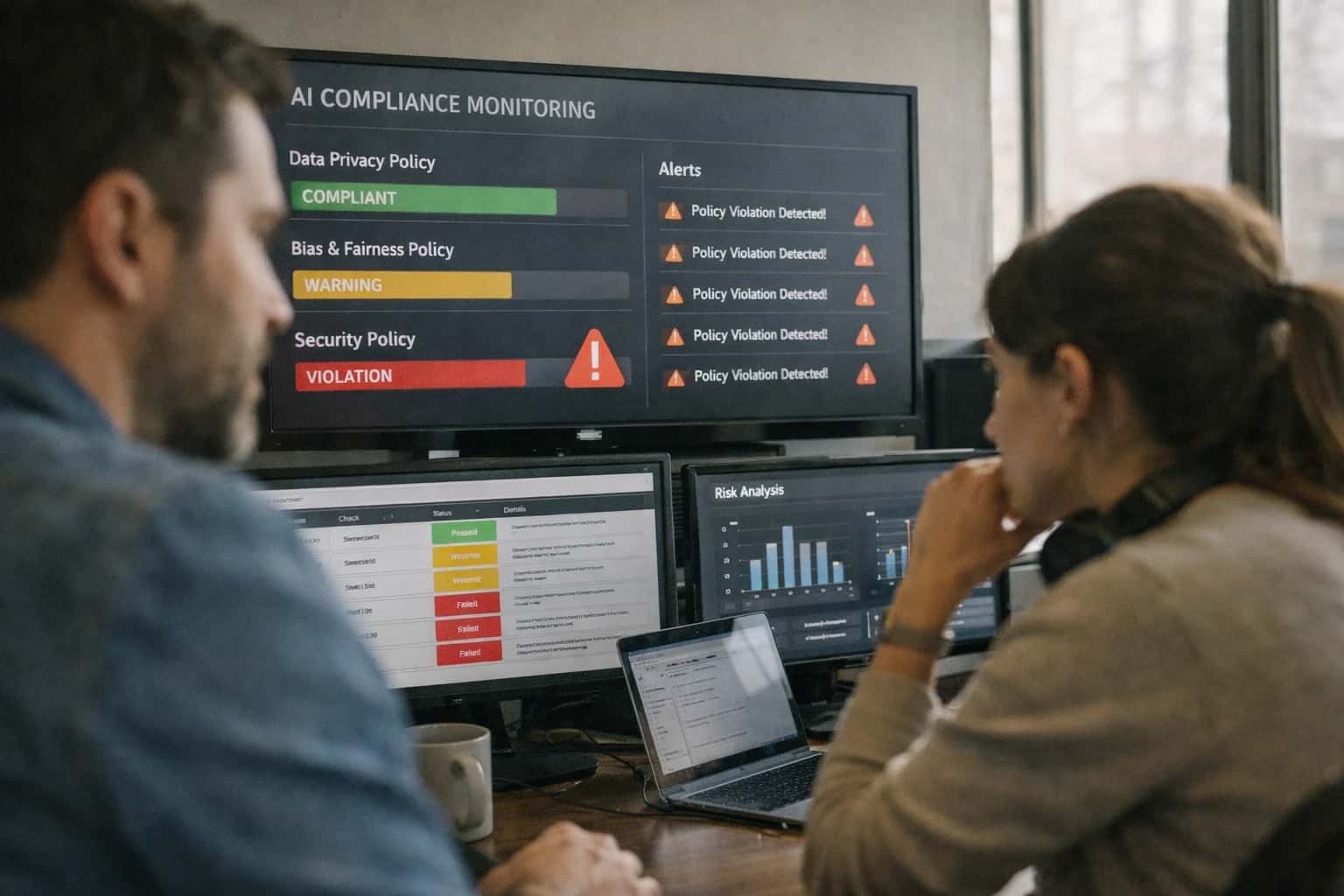
AUTOMATING COMPLIANCE WORKFLOWS
Where AI Fits into Fleet Permit and License Administration
AI integration transforms fleet permit and license management from a reactive, manual process into a proactive, automated compliance engine.
The implementation focuses on automating the entire renewal workflow. For a vehicle permit, an AI agent can: 1) Detect an approaching expiration from the telematics data, 2) Retrieve the necessary application forms and pre-fill them using data from the vehicle record and past trip logs, 3) Route the completed packet for internal approval via integrated systems like SharePoint or your ERP, and 4) Submit the application to the relevant state portal via secure automation, logging all actions. This reduces manual data entry, prevents costly lapses that ground vehicles, and creates a full audit trail for DOT reviews.
Rollout requires mapping your specific permit matrix to the fleet platform's data model and establishing governance for human-in-the-loop approvals, especially for complex or high-value permits. The AI acts as a copilot for your compliance team, handling the predictable 80% of renewals and flagging the 20% of exceptions—like a route change requiring a new permit type—for specialist review. This approach integrates seamlessly with existing operations, turning compliance from a cost center into a reliable, automated layer of your fleet infrastructure.
AI FOR FLEET PERMIT AND LICENSING MANAGEMENT
Key Integration Surfaces in Fleet Platforms
Vehicle Registration and Permit Tracking
AI integration begins with the vehicle master record, which holds the core attributes for compliance. This includes the VIN, license plate, state/province of registration, vehicle class (e.g., HAZMAT, overweight), and associated permit IDs.
An AI agent can be configured to monitor this data layer for upcoming expirations by connecting to the platform's API (e.g., Samsara's /vehicles endpoint or Geotab's Device entity). The workflow involves:
- Scheduled Scanning: Querying vehicle lists daily to flag registrations or permits expiring within a configurable window (e.g., 30, 60, 90 days).
- Jurisdictional Logic: Applying rules based on the vehicle's domicile and primary operating areas to determine which specific permits (IFTA, IRP, state oversize/weight) require renewal.
- Data Enrichment: Using the VIN to automatically pull missing vehicle specs (GVWR, axle count) from external databases to ensure accurate permit requirements.
FLEET COMPLIANCE AUTOMATION
High-Value AI Use Cases for Permit Management
Integrating AI with platforms like Samsara, Motive, and Geotab transforms manual, error-prone permit and license tracking into an automated compliance engine. These workflows connect telematics data, document management, and jurisdictional APIs to ensure fleet operations remain legal and efficient.
01
Automated Permit Expiration Tracking & Alerts
AI agents continuously monitor vehicle attributes (weight, axle count, hazmat flags) in the fleet platform against jurisdictional databases. They predict permit and license expirations, triggering multi-channel alerts (SMS, in-app, email) to administrators weeks in advance, preventing costly out-of-service violations.
Reactive → Proactive
Compliance posture
02
Intelligent Jurisdictional Requirement Analysis
For multi-state or cross-border fleets, AI analyzes planned routes from the TMS or dispatch system. It cross-references vehicle specs with state/province and IFTA requirements, automatically generating a checklist of needed permits, stamps, or decals before the trip begins, reducing driver delays at weigh stations.
Hours -> Minutes
Trip prep time
03
AI-Powered Permit Application & Renewal
Automates the data collection and form-filling for common permits (oversize/overweight, temporary registrations). AI extracts necessary data from the fleet platform (VIN, weight, insurance) and driver files, pre-populating digital applications for review. It can submit renewals via government portals where APIs allow, creating audit trails in systems like /integrations/fleet-management-platforms/ai-powered-workflow-automation-for-fleet-platforms.
80% Less Manual Entry
Typical reduction
04
Document Intelligence for Audit Readiness
Uses computer vision and LLMs to process scanned or photographed permit documents, insurance certificates, and driver licenses uploaded to the fleet platform. AI extracts key fields (expiration dates, limits, endorsements), validates them against telematics data, and flags discrepancies. All documents are indexed for instant retrieval during DOT audits or insurance reviews.
Same-Day Audit Pack
Document compilation
05
Dynamic Compliance for Rental & Spot Market Fleets
For fleets using short-term rentals or owner-operators, AI integrates rental management systems with the core fleet platform. When a new asset is added, AI automatically determines the necessary permits based on its intended use and location, streamlining the onboarding process and ensuring compliance from day one, a key part of /integrations/fleet-management-platforms/ai-integration-for-fleet-subcontractor-and-carrier-management.
1 Sprint
Implementation timeline
06
Predictive Cost Forecasting for Permit Budgets
AI models analyze historical permit costs, fleet growth plans, and anticipated operational regions. They forecast future permit and licensing expenses, providing finance teams with accurate budget projections and identifying opportunities to consolidate permits or optimize fleet specs for lower compliance costs.
Batch → Real-time
Budget visibility
FLEET COMPLIANCE AUTOMATION
Example AI-Powered Permit Management Workflows
These workflows demonstrate how AI agents integrate with Samsara, Motive, Geotab, and Verizon Connect to automate the tracking, renewal, and documentation of vehicle and driver permits, reducing administrative burden and compliance risk.
Trigger: A daily batch job queries the fleet platform's asset database via API (e.g., Samsara's /vehicles endpoint).
Context/Data Pulled: The agent retrieves a list of all vehicles and their associated permit metadata (type, jurisdiction, expiration date, document ID). It also pulls the vehicle's current operational status and assigned driver.
Model/Agent Action: An LLM classifies each expiring permit by risk level:
- High Risk: Permit expires within 7 days and vehicle is active.
- Medium Risk: Permit expires in 8-30 days.
- Low Risk: Permit expires in >30 days or vehicle is inactive.
The agent generates a prioritized summary and determines the alert recipient based on role (e.g., safety manager for DOT numbers, local fleet manager for city permits).
System Update/Next Step: The agent posts a formatted, context-rich alert to the appropriate Slack/Teams channel or creates a task in the company's project management tool (e.g., Asana). For high-risk items, it can also trigger an SMS to the fleet manager.
Human Review Point: The initial risk classification is logged for audit. A human manager can override the classification or recipient in the system's UI, providing feedback to improve the model.
FROM COMPLIANCE DATA TO AUTOMATED ACTION
Implementation Architecture: Data Flow and AI Layer
A practical blueprint for integrating AI into fleet permit and licensing workflows, connecting telematics platforms to regulatory systems.
The integration architecture connects your fleet management platform's core data objects—Vehicle Master Records, Driver Profiles, and Trip/Usage History—to an AI orchestration layer. This layer ingests data via platform-specific APIs (e.g., Samsara's /vehicles/ endpoint, Geotab's MyGeotab SDK) to track key attributes like vehicle VIN, weight class, domicile state, and driver license classes. The AI system continuously monitors these records against a knowledge base of jurisdictional rules (e.g., IRP, IFTA, state oversize/overweight permits, hazmat endorsements) to flag upcoming expirations, missing credentials, or route-specific requirements.
High-value workflows are automated through this layer. For example, an AI agent can:<br>- Trigger renewal applications by pre-filling forms with vehicle and driver data from Motive or Verizon Connect.<br>- Validate route compliance by checking a planned trip's states against a driver's current permit portfolio and flagging gaps.<br>- Manage document workflows by using computer vision to extract data from scanned permits, match them to the correct asset in the platform, and update expiration fields.<br>- Orchestrate multi-step processes like a new vehicle onboarding, which involves generating a checklist of required permits, submitting applications to relevant portals, and logging issued documents back to the asset record.
Rollout is phased, starting with a single permit type (e.g., state registration renewals) and a pilot vehicle group. Governance is critical: the AI's recommendations and automated submissions should flow through a human-in-the-loop approval queue (e.g., in a connected system like Jira or Asana) managed by your compliance team. All AI actions—form submissions, status checks, data updates—are logged with full audit trails back to the source telematics data, ensuring transparency for audits. This architecture turns static data in your fleet platform into a dynamic, proactive compliance engine, reducing manual tracking and mitigating the risk of fines or out-of-service orders.
AI FOR FLEET PERMIT AND LICENSING MANAGEMENT
Code and Payload Examples
Automated Permit Expiration Tracking
AI agents can be configured to monitor permit and license expiration dates by querying the fleet platform's asset and driver APIs. The agent runs scheduled checks, identifies upcoming renewals, and triggers alerts via email, SMS, or platform notifications. This workflow prevents costly compliance lapses and missed filing deadlines.
Example Python API Call (Pseudocode):
python# Fetch assets with permit data from Samsara API import requests response = requests.get( 'https://api.samsara.com/v1/fleet/vehicles', headers={'Authorization': 'Bearer YOUR_API_KEY'}, params={'fields': 'id,name,licensePlate,attributes'} ) vehicles = response.json()['data'] for vehicle in vehicles: # Parse custom attribute for permit expiration permit_expiry = vehicle.get('attributes', {}).get('permit_expiration') if permit_expiry and is_near_expiry(permit_expiry): # Trigger alert workflow send_alert(vehicle['name'], permit_expiry)
This script demonstrates the core retrieval logic. In production, this would be part of a scheduled Lambda function or Airflow DAG that feeds an AI agent for prioritization and routing.
AI FOR PERMIT AND LICENSING WORKFLOWS
Realistic Time Savings and Operational Impact
How AI integration with platforms like Samsara and Geotab transforms manual, error-prone compliance tasks into automated, proactive operations.
| Workflow | Before AI | After AI | Key Impact |
|---|---|---|---|
Permit Expiration Tracking | Manual spreadsheet review of vehicle records; weekly checks | Automated daily scans of telematics data against permit database | Identifies expirations 30+ days out, preventing costly out-of-service violations |
Renewal Application Initiation | Admin emails driver/manager; relies on manual follow-up | AI agent triggers workflow in fleet platform; auto-assigns task with due date | Ensures no renewal is missed; reduces administrative chase time by 80% |
Jurisdictional Requirement Validation | Manual research for new routes or state regulations | AI cross-references vehicle specs & route history with up-to-date regulatory database | Prevents application errors and rejections; ensures first-pass compliance |
Document Collection & Submission | Driver emails paperwork; admin manually uploads to portal | AI uses mobile app to prompt driver for photos; auto-extracts data & submits | Cuts document turnaround from days to hours; creates audit trail |
Special Permit Management (Oversize/Overweight) | Complex manual calculations; high risk of error in route planning | AI integrates with route planning, auto-calculates needs and files permits | Reduces risk of fines and route delays; optimizes permit costs |
Driver Credential (CDL/Medical) Monitoring | Separate HR process; no integration with vehicle assignment | AI links driver profile to license/medical data; alerts if ineligible driver is dispatched | Eliminates risk of assigning non-compliant drivers; automates HR-fleet sync |
Audit Preparation & Reporting | Panicked, multi-day gathering of records from disparate systems | AI maintains a continuous, timestamped log of all compliance actions; generates reports on-demand | Prepares for DOT audit in hours, not weeks; provides defensible documentation |
IMPLEMENTATION BLUEPRINT
Governance, Security, and Phased Rollout
A practical guide to deploying AI for permit and licensing management with secure, controlled workflows.
Integrating AI with fleet platforms like Samsara, Motive, or Geotab for permit management requires a clear data and access model. The AI system acts as a copilot, reading from vehicle master records, driver profiles, and trip history APIs to track expiration dates for credentials like IFTA licenses, state permits (KYU, NY HUT), oversize/overweight permits, and hazardous materials endorsements. It should write back renewal statuses, generate application drafts, and create tasks—but never auto-submit payments or final documents without a human-in-the-loop approval step logged in the platform's audit trail. Key security controls include API key rotation, role-based access (RBAC) scoped to compliance officers, and ensuring all AI-generated outputs are tagged and stored within the fleet platform's native document management or custom field system for a single source of truth.
A phased rollout minimizes risk and builds trust. Phase 1 focuses on read-only monitoring: deploy an AI agent that consumes telematics data and permit databases to provide a daily dashboard of expirations (e.g., '5 CDLs expiring in 30 days, 3 trailer registrations overdue'). This validates data pipelines without altering core workflows. Phase 2 introduces assisted workflows, such as using generative AI to pre-fill renewal forms by extracting data from scanned documents or driver profiles, with a compliance manager reviewing and submitting. Phase 3 enables conditional automation, where the system can auto-file simple, recurring permits for jurisdictions with stable rules, but flags any anomaly (e.g., a new weight class or route change) for manual review. Each phase should include user training and feedback loops integrated into platforms like Samsara's Driver Workflows or Motive's Safety Hub.
Governance is critical for regulatory compliance. Establish a clear change management protocol for updating the AI's knowledge base when permit rules change. Use the fleet platform's webhook and alert system to trigger AI review for new vehicles or drivers added to the system. All AI actions—draft generation, status updates, task creation—must create an immutable log entry within the fleet platform, referencing the source data (e.g., vehicle VIN, driver ID, timestamp). This audit trail is essential for DOT audits or insurance reviews. Consider starting with a pilot group of 50 vehicles or a single operating region to refine the workflow before enterprise-wide deployment, ensuring the integration scales with your fleet's operational complexity.
Enabling Efficiency, Speed & Accuracy
Intelligent Analysis, Decision & Execution
We build AI systems for teams that need search across company data, workflow automation across tools, or AI features inside products and internal software.
Talk to Us
Search across company data
Give teams answers from docs, tickets, runbooks, and product data with sources and permissions.
Useful when people spend too long searching or get different answers from different systems.
Enterprise searchRAGPermissions
Read more
Automate internal workflows
Use AI to route work, draft outputs, trigger actions, and keep approvals and logs in place.
Useful when repetitive work moves across multiple tools and teams.
AI agentsWorkflow automationGovernance
Read more
Add AI to products and internal tools
Build assistants, guided actions, or decision support into the software your team or customers already use.
Useful when AI needs to be part of the product, not a separate tool.
AI integrationDecision supportModel routing
Read moreIMPLEMENTATION PATTERNS
Frequently Asked Questions
Common technical and operational questions about integrating AI into fleet permit and licensing workflows using platforms like Samsara, Motive, Geotab, and Verizon Connect.
The AI agent is triggered on a scheduled basis (e.g., daily) via a cron job or platform webhook. It executes the following workflow:
- Trigger: Scheduled batch job runs.
- Data Pull: The agent calls the fleet platform's API (e.g., Samsara's
/vehiclesor/driversendpoints) to retrieve all assets and their associated metadata, scanning for custom fields likelicense_plate_expiry,dot_number, orpermit_jurisdiction. - Context Enrichment: For each record, it calculates days until expiration and cross-references the jurisdiction against a master rules database (e.g., "California CA Number renews annually, requires form REG 400").
- Action: Records are classified: Critical (<30 days), Warning (30-90 days), or Compliant. For critical/warning items, the agent generates a structured alert payload.
- System Update: The alert is posted to a dedicated channel in the operations platform (e.g., a Samsara Safety Group, a Slack channel, or a ticket in a PSA like ServiceTitan) and can also update a custom field like
renewal_statusin the fleet platform.
Example Payload Sent to Webhook:
json{ "alert_type": "PERMIT_EXPIRY", "vehicle_id": "123456", "license_plate": "1ABC234", "permit_type": "Oversize/Overweight Annual", "jurisdiction": "TX", "expiry_date": "2024-06-15", "days_until_expiry": 45, "required_forms": ["Form 2290", "Schedule 1"], "renewal_url": "https://www.txdmv.gov/motor-carriers/oversize-overweight-permits" }

About the author
Prasad Kumkar
CEO & MD, Inference Systems
Prasad Kumkar is the CEO & MD of Inference Systems and writes about AI systems architecture, LLM infrastructure, model serving, evaluation, and production deployment. Over 5+ years, he has worked across computer vision models, L5 autonomous vehicle systems, and LLM research, with a focus on taking complex AI ideas into real-world engineering systems.
His work and writing cover AI systems, large language models, AI agents, multimodal systems, autonomous systems, inference optimization, RAG, evaluation, and production AI engineering.
LinkedIn
Limited slotsGet a Free AI Consultation
Partnered with leading AI, data, and software stack.





How We Work
Custom AI workflows for your Business
One-fit-all AI don't work for modern businesses. At Inferensys, we aim to understand your business & custom requirements; which we use to define most efficient agentic workflows, the data, and the tools for your business.
01
Review the use case
We understand the task, the users, and where AI can actually help.
Read more02
Pick the right approach
We define what needs search, automation, or product integration.
Read more03
Build the first useful version
We implement the part that proves the value first.
Read more04
Improve from there
We add the checks and visibility needed to keep it useful.
Read moreThe first call is a practical review of your use case and the right next step.
Talk to Us