AI integration for EcoOnline Carbon Accounting focuses on automating the most manual and error-prone steps in the emissions management lifecycle. This typically involves connecting to the platform's core data objects—such as Activity Data Sources, Emission Factors, and Calculation Models—via its API or data import layers. Key surfaces for AI include the data ingestion and validation stage for Scope 3 spend-based calculations, the emission factor selection and gap-filling process, and the narrative generation for reduction opportunity reports and disclosure drafts (e.g., CDP, GRI). AI agents can be configured to monitor these data pipelines, flag anomalies in utility or fuel consumption uploads, and suggest the most appropriate, region-specific emission factors from databases like DEFRA or EPA.

Integration
AI Integration for EcoOnline Carbon Accounting
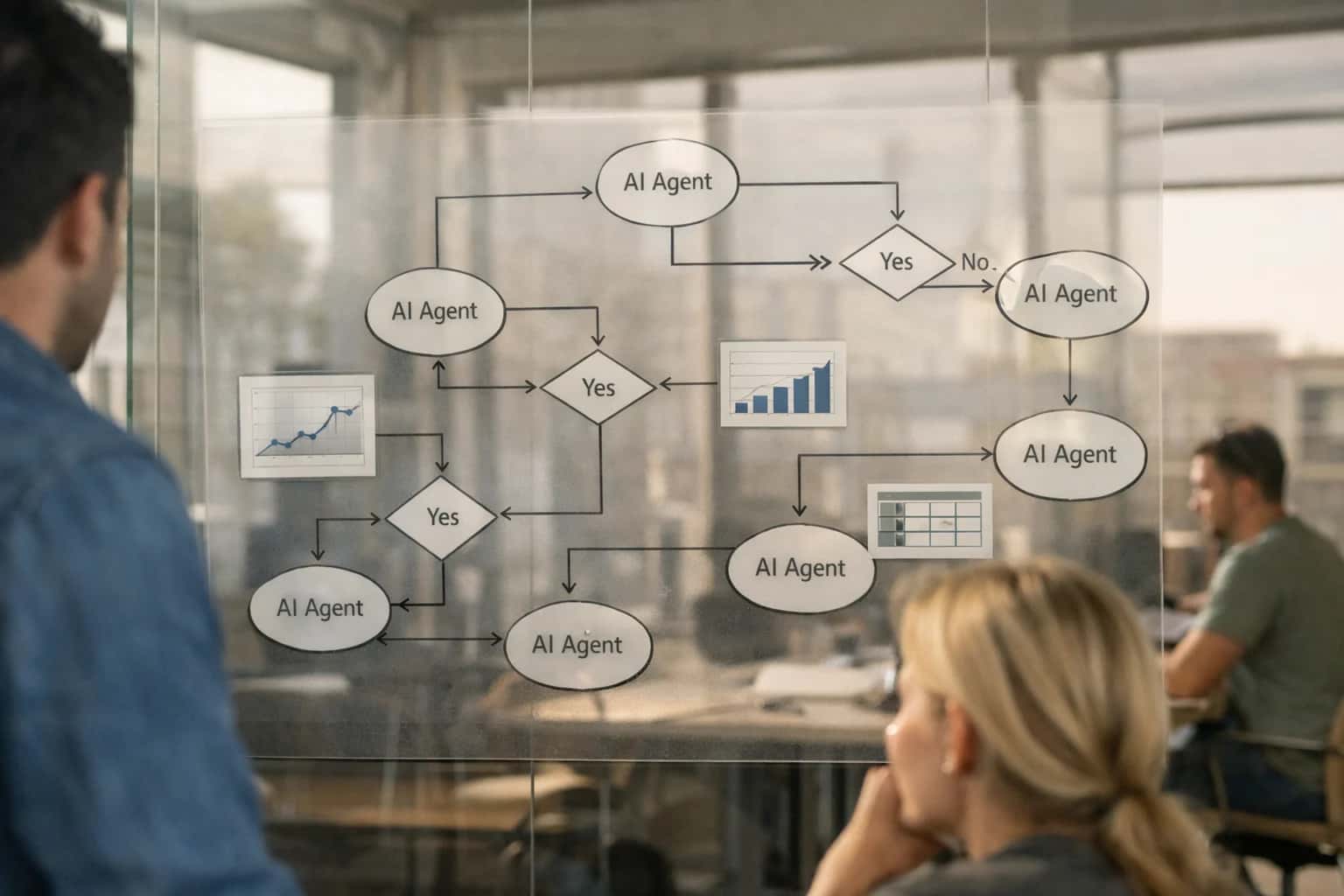
Where AI Fits in EcoOnline Carbon Accounting
A practical guide to integrating AI into the core data and calculation workflows of EcoOnline's carbon accounting modules.
From an implementation perspective, a production integration is often architected as a middleware layer or a set of microservices that sit between EcoOnline and your data sources (e.g., ERP, utility providers, travel booking systems). This layer uses AI to classify spend data into relevant GHG Protocol categories, extract quantities and units from PDF invoices or contracts, and normalize data into the formats required by EcoOnline's calculation engines. For modeling decarbonization pathways, AI can analyze historical emissions trends against operational variables to forecast future emissions under different scenarios, outputting results that can be pushed back into EcoOnline's Scenario Analysis or Target Tracking modules. The impact is operational: reducing the data preparation and calculation phase from weeks to days, improving the auditability of Scope 3 data, and enabling more frequent, insight-driven carbon reporting.
Rollout and governance are critical. A phased approach usually starts with a single, high-volume Scope 3 category (like purchased goods or business travel) to validate the AI's classification accuracy before scaling. Implement human-in-the-loop review steps within EcoOnline's workflow engine for AI-generated data points before they lock into official reports. Establish clear audit trails by logging all AI actions—source data, prompts used, and decisions made—to EcoOnline's audit log or a dedicated governance platform. This controlled integration allows sustainability managers to move from being data consolidators to strategic analysts, focusing on reduction initiatives rather than data wrangling. For a deeper look at related environmental data workflows, see our guide on AI Integration for EcoOnline Environmental Monitoring.
Key Integration Surfaces in EcoOnline
Core Data Ingestion & Validation
The Emissions Data Hub is the central repository for activity data (e.g., fuel consumption, purchased electricity, material usage). AI integration here focuses on automating the ingestion and validation of this data from disparate sources.
Key AI Workflows:
- Automated Data Extraction: Use NLP to parse invoices, utility bills, and supplier reports (PDFs, emails) to extract fuel, energy, and material quantities, reducing manual data entry.
- Anomaly Detection: Apply ML models to spot outliers in monthly consumption data (e.g., a 300% spike in natural gas use) and flag them for review before they skew calculations.
- Unit Conversion & Gap Filling: Automatically convert units (e.g., therms to kWh) and use predictive models to estimate missing data points for a specific period based on historical patterns and operational metrics.
This surface ensures the foundational data for Scope 1, 2, and 3 calculations is accurate, complete, and audit-ready.
High-Value AI Use Cases for Carbon Accounting
Integrating AI into EcoOnline's carbon accounting platform automates data-intensive workflows, improves accuracy, and uncovers actionable reduction opportunities. These use cases target Scope 1, 2, and 3 emissions management for sustainability teams.
Automated Scope 3 Data Collection & Classification
AI agents ingest and classify spend data, supplier invoices, and logistics records from ERP and procurement systems to populate Scope 3 categories (e.g., purchased goods, business travel). This automates the most manual and error-prone part of the carbon inventory, ensuring consistent application of emission factors and activity data mapping.
Emissions Factor Selection & Gap Filling
An AI copilot assists analysts in selecting the most appropriate emission factors from databases like DEFRA, EPA, or EcoOnline's library. For missing data, it suggests and applies statistically sound estimation methods (e.g., spend-based proxies, industry averages), documenting assumptions for audit trails within the platform.
Anomaly Detection in Energy & Fuel Data
AI models continuously analyze meter readings, utility bills, and fuel purchase data flowing into EcoOnline. They flag outliers, sudden spikes, or missing periods that indicate metering issues, reporting errors, or real operational changes, prompting investigation before finalizing reports.
Decarbonization Pathway Modeling
Using historical emissions data and project pipelines from EcoOnline, AI simulates the impact of proposed initiatives (e.g., renewable PPAs, fleet electrification, efficiency projects). It models progress against SBTi targets under different scenarios, helping prioritize investments with the greatest carbon ROI.
Automated Disclosure Report Drafting
For frameworks like CDP, GRI, or SASB, AI pulls calculated data, project descriptions, and management commentary from EcoOnline to generate first-draft narrative sections of sustainability reports. It ensures consistency between quantitative inventory data and qualitative disclosures, saving dozens of manual hours.
Supplier Engagement & Risk Scoring
AI analyzes supplier-provided CDP responses or basic ESG data, scoring them on climate maturity and risk. It integrates this with spend-based Scope 3 data in EcoOnline to identify high-spend, high-risk suppliers, and can even draft personalized engagement requests for the procurement team.
Example AI-Agent Workflows
These workflows illustrate how AI agents can automate high-effort, repetitive tasks within EcoOnline's carbon accounting modules, shifting analyst time from data wrangling to strategic analysis and reduction planning.
Trigger: A new supplier invoice is processed in the connected ERP (e.g., SAP, NetSuite) and synced to EcoOnline via API.
Agent Action:
- The agent extracts the supplier name, spend amount, and commodity code from the invoice data.
- It queries internal and external databases to:
- Classify the spend into a relevant product category (e.g.,
NAICSorSpend Mapping). - Retrieve the most appropriate emission factor (e.g., from
EXIOBASE,EPA EEIO, or a custom internal library). - Apply region-specific factors if available.
- Classify the spend into a relevant product category (e.g.,
- The agent performs the calculation:
Spend (USD) × Emission Factor (kg CO₂e / USD) = Estimated Emissions.
System Update: The calculated emissions, along with the source data, classification, and factor metadata, are written back to the corresponding supplier record and Scope 3, Category 1 ledger within EcoOnline. The record is flagged for "AI-Enriched, Human Review Recommended."
Human Review Point: A weekly report is generated for the sustainability analyst, highlighting high-spend/high-emission suppliers added by the agent for validation. The analyst can approve, adjust the factor, or send for reclassification.
Implementation Architecture & Data Flow
A production-ready AI integration for EcoOnline Carbon Accounting connects disparate data sources, automates complex calculations, and surfaces reduction opportunities within existing workflows.
The integration architecture typically involves three core layers. The Data Ingestion & Harmonization Layer connects to EcoOnline's APIs and external systems (e.g., ERP for spend data, utility APIs for meter readings, supplier portals for Scope 3 inputs) to pull raw activity data. AI agents here handle schema mapping, unit conversion, and data validation, flagging anomalies for review before data lands in EcoOnline's Emissions Source and Activity Data objects. This replaces manual spreadsheet uploads and reduces the 'data wrangling' phase from days to hours.
At the Calculation & Intelligence Layer, a dedicated service orchestrates emissions calculations. For well-defined Scope 1 & 2 sources, it applies validated emission factors from EcoOnline's library. For complex Scope 3 categories (like purchased goods or business travel), AI models analyze spend data, procurement descriptions, and travel itineraries to assign appropriate emission factors and allocation rules. This layer also runs continuously to identify reduction opportunities—for example, correlating energy spikes with production schedules or benchmarking emission intensity across similar facilities. Insights are written back to EcoOnline as Reduction Opportunity records, linked to relevant Carbon Project objects.
The Workflow & Governance Layer embeds AI outputs into user workflows. When a high-confidence reduction opportunity is identified, it can automatically generate a draft Action Plan in EcoOnline, pre-populated with estimated savings, required approvals, and linked data. All AI-generated content and calculations are logged with a full audit trail, showing source data, model version, and confidence scores. A human-in-the-loop approval step is configured for final verification before any AI-suggested project is initiated, ensuring control and accountability. This architecture allows sustainability teams to shift from manual data consolidation to strategic analysis and project execution.
Code & Payload Examples
Automating Data Collection for Scope 1-3
AI integration for carbon accounting begins with reliable data ingestion. Use EcoOnline's API to pull or push activity data (e.g., fuel purchases, electricity meters, business travel records) from source systems. The payload structure must map to EcoOnline's data model for emissions factors and calculation engines.
A common pattern is a scheduled Python script that extracts data from ERP or facility management systems, transforms it into the required JSON schema, and posts it to the appropriate EcoOnline endpoint. This automates the most manual part of carbon accounting—data consolidation—and ensures calculations are based on timely, auditable records.
Example Payload for Natural Gas Consumption:
json{ "facility_id": "FAC-EMEA-001", "reporting_period": "2024-Q1", "activity_data": [ { "source": "natural_gas", "quantity": 12500, "unit": "kWh", "meter_id": "NG-MTR-001", "supplier": "Local Utility Corp", "invoice_reference": "INV-2024-00345" } ] }
Realistic Time Savings & Operational Impact
This table illustrates the operational impact of integrating AI into core EcoOnline carbon accounting workflows, focusing on time savings, data quality improvements, and analyst productivity.
| Workflow / Task | Before AI | After AI | Key Impact & Notes |
|---|---|---|---|
Scope 3 Data Collection & Validation | Manual supplier outreach, spreadsheet consolidation, and error checking (2-3 weeks per reporting cycle) | AI-assisted ingestion from invoices/emails, automated data matching, and anomaly flagging (3-5 days) | Reduces manual data chase by ~75%. Analyst time shifts from collection to validation of AI-highlighted exceptions. |
Emissions Factor Selection & Calculation | Manual lookup in external databases and Excel-based calculations, prone to versioning errors | AI suggests context-appropriate factors, auto-populates calculations, and logs source for audit trail | Ensures calculation consistency and audit readiness. Cuts calculation setup time by 60-70%. |
Reduction Opportunity Identification | Manual benchmarking and spreadsheet analysis to spot trends, often reactive | AI analyzes consumption patterns, correlates with operational data, and surfaces prioritized reduction projects | Shifts analysis from descriptive to diagnostic. Identifies actionable projects 2-3x faster. |
Decarbonization Pathway Modeling | Complex, manual scenario building in spreadsheets; limited ability to model interdependencies | AI assists in generating and comparing multiple 'what-if' scenarios based on historical data and targets | Enables rapid modeling of 5-10 scenarios vs. 1-2 manually. Improves strategic planning agility. |
Sustainability Report Drafting (GRI, CDP) | Manual data pulling and narrative writing, highly repetitive across sections | AI auto-generates draft narratives from platform data, suggests relevant disclosures, and flags gaps | Reduces initial drafting time by ~50%. Allows writers to focus on strategy and storytelling. |
Audit & Assurance Preparation | Manual compilation of evidence packets and cross-referencing supporting documents | AI auto-links calculations to source data, generates evidence summaries, and highlights potential audit queries | Cuts preparation time significantly. Improves confidence and reduces last-minute scrambles. |
Regulatory Change Impact Assessment | Manual review of regulatory updates to assess relevance and required action | AI scans and summarizes relevant updates, maps changes to existing data structures and reports | Provides early warning and scoping. Reduces risk of missing critical compliance deadlines. |
Governance, Security & Phased Rollout
A production AI integration for EcoOnline Carbon Accounting requires a secure, governed architecture and a phased rollout to manage risk and demonstrate value.
A secure integration architecture typically involves a dedicated middleware layer (like an API gateway or orchestration service) that sits between EcoOnline and the AI models. This layer handles authentication using EcoOnline's API tokens (OAuth 2.0), manages secure data extraction for calculations (e.g., pulling fuel purchase records, utility invoices, and material usage data), and executes prompts against configured LLMs (like OpenAI GPT-4 or Anthropic Claude). All data exchanges should be encrypted in transit, and sensitive data should be pseudonymized or excluded from prompts where possible. The middleware also manages audit logs of all AI interactions, tracing which calculation was run, on which dataset, with which model version, and by which user—critical for audit trails in regulated ESG reporting.
Governance is built into the workflow. For high-stakes outputs like a final emissions report or a modeled decarbonization pathway, we recommend implementing a human-in-the-loop approval step within EcoOnline's workflow engine. For example, an AI-generated recommendation to reclassify a spend category for Scope 3 emissions could be presented as a draft change in a custom object, requiring review and approval by the sustainability manager before being committed to the official carbon inventory. This balances automation with control, ensuring data stewards retain oversight of the financial and reporting implications of AI-suggested changes.
A phased rollout mitigates risk and builds confidence. Phase 1 might focus on AI-assisted data validation and anomaly detection—flagging outlier invoices or unusual consumption spikes during data ingestion. Phase 2 could automate routine calculations for stable, well-understood emission sources (e.g., converting kWh to tCO2e for purchased electricity). Phase 3 then tackles complex, judgment-heavy areas like Scope 3 supplier emissions estimation or modeling the impact of proposed reduction projects. Each phase delivers measurable time savings (e.g., "reducing monthly data validation from 8 hours to 1 hour") before progressing, ensuring the integration delivers continuous value and adapts to user feedback. For related architectural patterns, see our guide on AI Integration for ESG and Sustainability Platforms.
Enabling Efficiency, Speed & Accuracy
Intelligent Analysis, Decision & Execution
We build AI systems for teams that need search across company data, workflow automation across tools, or AI features inside products and internal software.
Talk to Us
Search across company data
Give teams answers from docs, tickets, runbooks, and product data with sources and permissions.
Useful when people spend too long searching or get different answers from different systems.

Automate internal workflows
Use AI to route work, draft outputs, trigger actions, and keep approvals and logs in place.
Useful when repetitive work moves across multiple tools and teams.

Add AI to products and internal tools
Build assistants, guided actions, or decision support into the software your team or customers already use.
Useful when AI needs to be part of the product, not a separate tool.
Frequently Asked Questions
Common technical and operational questions for integrating AI into EcoOnline's Carbon Accounting workflows.
AI integrations typically connect via EcoOnline's REST API or through a secure data pipeline to the underlying data warehouse. Key data objects include:
- Activity Data Sources: Purchase records (ERP feeds), utility bills, fuel logs, and travel data used for Scope 1, 2, and 3 calculations.
- Emission Factors: The library of GHG emission factors (e.g., DEFRA, EPA, custom factors) stored in EcoOnline.
- Calculation Results: The calculated emissions at the facility, source, or corporate level.
Typical Integration Pattern:
- An event (e.g., new monthly utility data ingested) triggers a webhook from EcoOnline or a scheduled job.
- The AI service calls the EcoOnline API to retrieve the raw activity data and relevant metadata (e.g., facility location, fiscal period).
- The LLM or agent analyzes the data for anomalies, identifies missing data points, or suggests more accurate emission factors based on the latest guidelines.
- The AI service posts suggestions or validated data back to a custom object or audit log within EcoOnline via API, flagging items for review.
- An EcoOnline workflow notifies the carbon accountant to review and approve the AI-suggested changes.
This maintains EcoOnline as the system of record while using AI to augment data quality and calculation accuracy.

About the author
Prasad Kumkar
CEO & MD, Inference Systems
Prasad Kumkar is the CEO & MD of Inference Systems and writes about AI systems architecture, LLM infrastructure, model serving, evaluation, and production deployment. Over 5+ years, he has worked across computer vision models, L5 autonomous vehicle systems, and LLM research, with a focus on taking complex AI ideas into real-world engineering systems.
His work and writing cover AI systems, large language models, AI agents, multimodal systems, autonomous systems, inference optimization, RAG, evaluation, and production AI engineering.
Partnered with leading AI, data, and software stack.





How We Work
Custom AI workflows for your Business
One-fit-all AI don't work for modern businesses. At Inferensys, we aim to understand your business & custom requirements; which we use to define most efficient agentic workflows, the data, and the tools for your business.
01
Review the use case
We understand the task, the users, and where AI can actually help.
Read more02
Pick the right approach
We define what needs search, automation, or product integration.
Read more03
Build the first useful version
We implement the part that proves the value first.
Read more04
Improve from there
We add the checks and visibility needed to keep it useful.
Read moreThe first call is a practical review of your use case and the right next step.
Talk to Us