AI integrates into Cority's compliance workflow by connecting to three primary surfaces: the Regulatory Obligation Register, the Compliance Calendar & Task Management module, and the Document Control & Evidence repository. The integration acts as an orchestration layer, using Cority's APIs to read obligations, write tasks, and attach evidence files. For example, when a new regulation is published, an AI agent can parse the text, map its requirements to existing controls in the Obligation Register, and automatically create follow-up tasks in the Compliance Calendar for gap assessment, assigning them to the relevant EHS or legal stakeholder based on Cority's role-based access controls (RBAC).

Integration
AI Integration for Cority Regulatory Compliance
A practical guide to integrating AI with Cority's compliance modules to automate obligation tracking, evidence collection, gap analysis, and regulatory reporting, reducing manual workload and improving audit readiness.
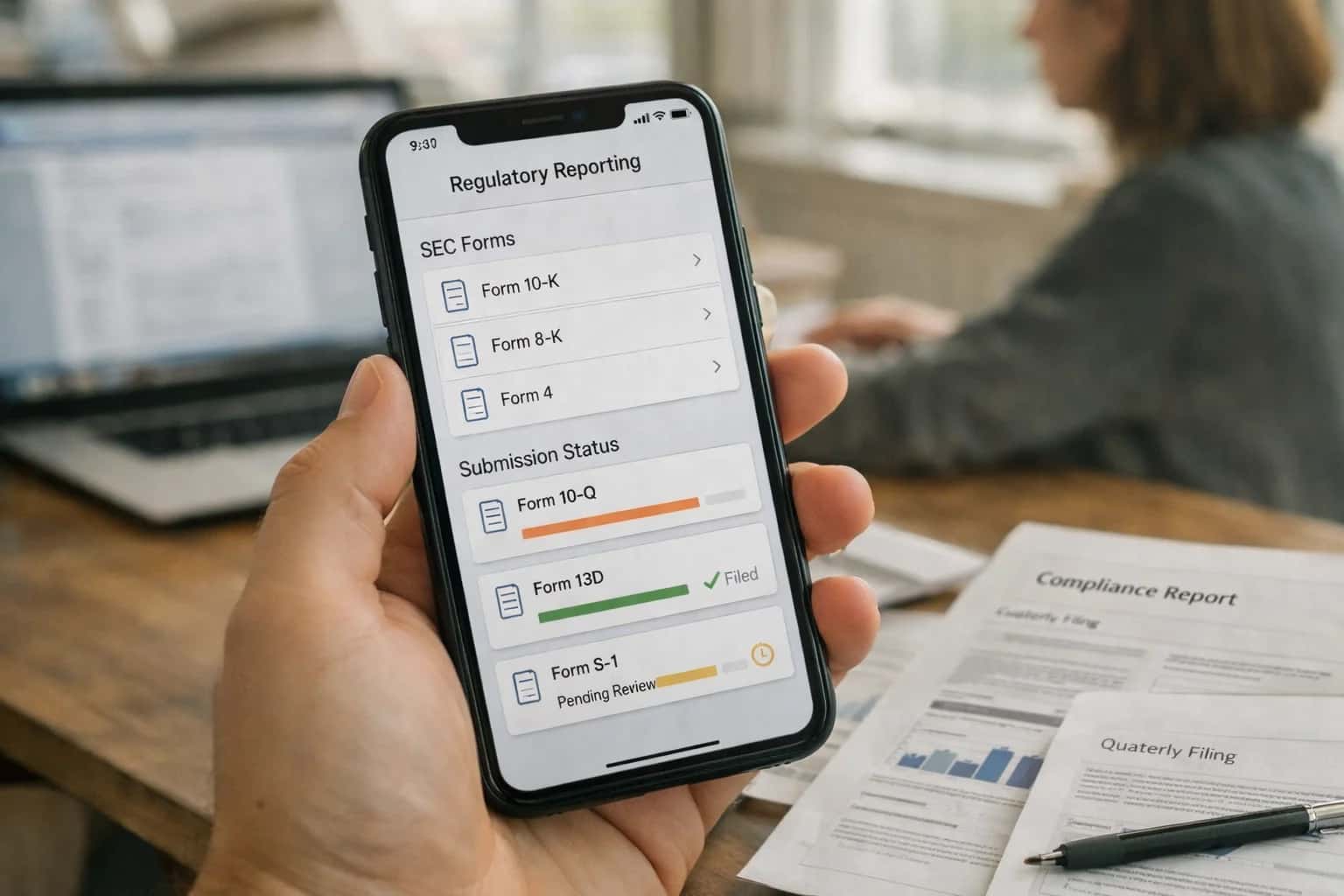
ARCHITECTURE AND ROLLOUT
Where AI Fits into Cority's Compliance Workflow
A practical blueprint for integrating AI into Cority's core compliance modules to automate tracking, evidence collection, and reporting.
The high-value implementation pattern is an AI-powered evidence collector. This agent monitors task deadlines in the Compliance Calendar and, as a due date approaches, queries connected data sources—such as training records in Cority's Learning Management module, completed inspection forms, or permit documents in the Environmental Management module—to compile a preliminary evidence package. It can draft a compliance status summary, flag missing items, and attach the package to the corresponding obligation record, turning a manual, multi-day evidence hunt into a same-day review process for the compliance officer.
Rollout should be phased, starting with a single, high-volume regulation type (e.g., OSHA recordkeeping or a specific air permit) to refine the evidence-gathering logic and user prompts. Governance is critical: all AI-generated tasks, summaries, and evidence packages should be clearly tagged in Cority's audit trail and require a human-in-the-loop approval before status is changed to 'Compliant'. This ensures accountability while still delivering the core efficiency gain—shifting the compliance officer's role from data gatherer to data reviewer and strategic decision-maker.
WHERE TO CONNECT AI FOR REGULATORY COMPLIANCE
Key Cority Modules and Surfaces for AI Integration
The Central Registry for AI Analysis
This module is the system of record for all regulatory requirements, permits, and internal policies. AI integration here focuses on automating the ingestion and mapping of regulatory text. Use natural language processing to parse new regulations from sources like the Federal Register or agency websites, extracting specific obligations (e.g., "monitor VOC emissions quarterly," "report injury within 8 hours").
AI can then map these extracted obligations to existing controls, procedures, and assets within Cority, automatically flagging gaps and creating new compliance tasks. This transforms a manual research and data entry process into an automated, continuous monitoring workflow, ensuring the obligation register is always current.
AUTOMATED REGULATORY OPERATIONS
High-Value AI Use Cases for Cority Compliance
Transform Cority's compliance modules from manual tracking systems into an intelligent, proactive engine. These AI integrations automate evidence collection, simulate inspections, and provide a single pane of glass for your compliance status.
01
Automated Regulatory Change Impact Analysis
AI continuously monitors regulatory sources (e.g., OSHA, EPA, state agencies), parses new rules, and maps requirements to your specific facilities, chemicals, and processes within Cority. It generates a prioritized impact assessment and auto-creates action items in the compliance calendar.
Batch -> Real-time
Monitoring cadence
02
AI-Powered Evidence Collection & Audit Prep
For each compliance obligation in Cority, an AI agent orchestrates the collection of required evidence. It pulls training records from the LMS module, inspection reports from the audit module, and monitoring data from environmental modules, assembling a pre-audit evidence package. It flags gaps for manual intervention.
1 sprint
Prep time reduction
03
Virtual Regulatory Inspection Simulation
Run a simulated audit against your live Cority data. An AI agent acts as a virtual regulator, asking probing questions based on the applicable regulations, reviewing your evidence packages, and generating a mock findings report. This stress-tests your readiness before the real inspection.
Same day
Readiness assessment
04
Unified Compliance Status Dashboard
Move beyond static dashboards. An AI layer aggregates status from thousands of obligations across permits, training, reporting, and inspections in Cority. It provides a natural-language summary of overall health, highlights high-risk areas, and explains the 'why' behind status changes.
Hours -> Minutes
Status review
05
Intelligent Permit Condition Tracking
AI extracts specific conditions and deadlines from permit documents (PDFs) and creates structured, trackable tasks in Cority's permit management module. It connects these tasks to related monitoring data (e.g., discharge limits) and triggers alerts if data trends suggest a potential future violation.
Batch -> Real-time
Violation risk alerting
06
Automated Mandatory Report Drafting
For recurring reports like OSHA 300A, TRI, or DMRs, AI pulls the required data from across Cority modules, validates it against business rules, populates the official form templates, and drafts the narrative sections. A compliance officer reviews, edits, and submits, cutting drafting time significantly.
Hours -> Minutes
Draft generation
CORITY REGULATORY COMPLIANCE
Example AI-Driven Compliance Workflows
These concrete workflows illustrate how AI agents and automations connect directly to Cority's data model and compliance modules, turning manual processes into intelligent, governed operations.
Trigger: A new or updated regulation (e.g., EPA rule, OSHA standard) is published to a monitored feed.
Context/Data Pulled: An AI agent retrieves the regulatory text and uses Cority's API to pull relevant master data:
- List of company sites/facilities
- Applicable permits and licenses per site
- Current control procedures and linked documents
- Chemical inventories and associated SDSs
- Past audit findings and corrective actions
Model or Agent Action: The agent performs a semantic comparison between the new regulation and existing compliance data. It identifies specific gaps, such as:
- New reporting requirements not covered by existing procedures.
- Stricter exposure limits for chemicals in inventory.
- Additional training mandates for certain job codes.
System Update or Next Step: The agent creates structured findings in Cority's Compliance Obligations or Action Tracking module:
- Generates a summary impact report.
- Creates specific action items, tagged to responsible parties (EHS Manager, Site Lead).
- Updates the compliance calendar with new deadlines.
Human Review Point: The generated impact assessment and proposed actions are routed to the Corporate EHS Director for review and approval before tasks are officially assigned and tracked.
PRODUCTION-READY INTEGRATION
Implementation Architecture: Data Flow and Guardrails
A secure, governed architecture for connecting AI to Cority's compliance data and workflows.
A production AI integration for Cority regulatory compliance is built on a three-layer architecture that respects the platform's data model and security posture. The ingestion layer connects to Cority's REST API and webhooks to pull structured data from key modules—Compliance Obligations, Audit Findings, Action Tracking, and Regulatory Libraries—and listens for events like new regulatory updates or audit deadlines. Unstructured data, such as uploaded policy PDFs or inspection notes, is processed through a secure extraction pipeline. This raw data flows into a processing and reasoning layer, typically a secure cloud service, where a Retrieval-Augmented Generation (RAG) system indexes content into a vector store for semantic search. LLMs are invoked here with carefully engineered prompts to perform tasks like gap analysis, evidence synthesis, and report drafting. Finally, the action layer writes results back into Cority via its API, creating new Action Items, updating Compliance Calendar events, or populating draft reports in the Document Control module, all while maintaining a full audit trail.
Critical guardrails are implemented at each step to ensure safety and compliance. All AI-generated outputs—such as a drafted compliance status summary or a recommended corrective action—are routed through a human-in-the-loop approval workflow before being committed to the system of record. This is configured within Cority's existing approval routing rules. A content filter and fact-checking service scans outputs for hallucinations, ensuring citations reference actual Cority records or verified regulatory text. Data access is strictly governed by Cority's native Role-Based Access Control (RBAC); the integration service inherits user context, ensuring an AI agent can only analyze data and propose actions for records and sites the initiating user has permission to view. All prompts, model calls, and data movements are logged to a dedicated audit index for traceability and model performance monitoring.
Rollout follows a phased, risk-based approach. A pilot typically begins with a single, high-value workflow—such as automating the monthly compliance status report for a specific regulation (e.g., OSHA 1910.119). This limits scope, allows for tuning, and builds stakeholder confidence. The integration is deployed as a containerized service outside Cority's core, communicating via secure API gateways, ensuring zero impact on Cority's performance and enabling independent updates. Success is measured by reduction in manual compilation hours, increase in proactive compliance task completion rates, and qualitative feedback from Compliance Officers on the relevance and accuracy of AI-generated insights. This architecture ensures AI augments Cority as a force multiplier, not a disruptive replacement, for the compliance team.
CORITY REGULATORY COMPLIANCE INTEGRATION
Code and Payload Examples
Automating Obligation Discovery
Ingest regulatory text from agency websites, subscription feeds, or internal policy libraries. Use an AI agent to parse, classify, and map new requirements to existing controls, assets, and sites in Cority.
Example Python payload for processing a new OSHA regulation:
pythonimport requests # Payload to AI service for analysis analysis_payload = { "source_text": "OSHA Standard 1910.1200 - Updated Hazard Communication...", "extraction_instructions": "Identify regulated entities (e.g., 'manufacturers'), new obligations, deadlines, and affected Cority modules (e.g., Chemical Management, Training).", "cority_context": { "company_sites": ["Plant_A", "Warehouse_B"], "existing_chemicals": ["Sodium_Hydroxide", "Acetone"] } } # Send to AI orchestration layer response = requests.post( "https://api.inferencesystems.com/v1/regulatory/parse", json=analysis_payload, headers={"Authorization": "Bearer YOUR_API_KEY"} ) # Result includes structured obligations for Cority import obligations = response.json().get("structured_obligations", [])
The AI returns structured obligations, which are then posted to the Cority Compliance Obligations API to create new tracking records.
AI-ENHANCED COMPLIANCE OPERATIONS
Realistic Time Savings and Operational Impact
This table illustrates the tangible workflow improvements and time savings achievable by integrating AI into Cority's regulatory compliance modules, focusing on high-effort, repetitive tasks.
| Compliance Workflow | Before AI Integration | After AI Integration | Key Notes |
|---|---|---|---|
Regulatory Change Impact Analysis | Manual review of 100+ pages per week | AI-summarized changes with relevance scoring | Compliance officer reviews AI output, focus shifts to action planning |
Evidence Collection for Audits | 2-3 days of manual document gathering per site | AI auto-retrieves relevant records in 2-4 hours | Links to Cority document control; ensures version accuracy |
Compliance Calendar Maintenance | Manual entry and reminder setup for deadlines | AI parses regulations to auto-populate dates & tasks | Reduces missed deadlines; integrates with Cority action tracking |
Gap Analysis Against New Rules | Spreadsheet-based, multi-week cross-reference | AI performs initial mapping in hours, highlights gaps | Human expert validates AI findings, finalizes action plan |
Drafting Mandatory Reports (e.g., Form R) | Days of data consolidation and form filling | AI aggregates data, pre-fills 70-80% of report drafts | Specialist reviews and submits; audit trail maintained in Cority |
Audit Finding Categorization & Triage | Manual tagging and routing of 100+ findings | AI categorizes and suggests priority/owner in minutes | Improves consistency; speeds up corrective action assignment |
Simulating Regulatory Inspection Q&A | Ad-hoc, experience-based preparation | AI generates likely question sets based on site data | Helps site managers prepare; uses historical Cority audit data |
ENSURING CONTROLLED AND AUDITABLE AI OPERATIONS
Governance, Security, and Phased Rollout
A practical framework for implementing AI in Cority with robust controls, data security, and a risk-aware rollout plan.
Integrating AI into Cority's regulatory compliance workflows requires a governance-first architecture. This means implementing AI agents and RAG pipelines that operate within the platform's existing role-based access controls (RBAC), ensuring AI only accesses data and modules (e.g., Compliance Calendar, Audit Management, Regulatory Reporting) that the end-user is authorized to view. All AI-generated outputs—such as automated gap analyses, evidence collection summaries, or simulated inspection findings—should be logged as system activities within Cority's audit trail, creating a clear lineage from source data to AI-suggested action. For sensitive operations like auto-populating regulatory report drafts, we recommend a human-in-the-loop approval step before submission, managed through Cority's native workflow engine.
A phased rollout mitigates risk and builds confidence. Start with a read-only pilot in a single module, such as using AI to parse new regulatory text and map it to existing obligations in the Compliance Calendar, providing a 'single pane of glass' for status without making changes. Phase two introduces assistive writing and summarization for audit evidence compilation and management review reports. The final phase activates predictive and prescriptive workflows, like simulating regulatory inspections by analyzing historical audit and incident data to predict likely findings. Each phase should be accompanied by change management protocols and measured against key metrics like time-to-compliance and manual data entry reduction.
Security is paramount. AI models should be hosted in a private, compliant cloud environment (e.g., Azure, AWS GovCloud) with all data encrypted in transit and at rest. Queries to foundational models (like OpenAI or Anthropic) should be routed through a secure gateway that strips out personally identifiable information (PII) or sensitive operational details before processing. Inference Systems implements this via a proxy layer that enforces data loss prevention policies and maintains strict session isolation. Furthermore, we design integrations to keep vector embeddings of your Cority data within your controlled infrastructure, ensuring your proprietary compliance intelligence never becomes part of a public model's training data.
Enabling Efficiency, Speed & Accuracy
Intelligent Analysis, Decision & Execution
We build AI systems for teams that need search across company data, workflow automation across tools, or AI features inside products and internal software.
Talk to Us
Search across company data
Give teams answers from docs, tickets, runbooks, and product data with sources and permissions.
Useful when people spend too long searching or get different answers from different systems.
Enterprise searchRAGPermissions
Read more
Automate internal workflows
Use AI to route work, draft outputs, trigger actions, and keep approvals and logs in place.
Useful when repetitive work moves across multiple tools and teams.
AI agentsWorkflow automationGovernance
Read more
Add AI to products and internal tools
Build assistants, guided actions, or decision support into the software your team or customers already use.
Useful when AI needs to be part of the product, not a separate tool.
AI integrationDecision supportModel routing
Read moreIMPLEMENTATION AND GOVERNANCE
Frequently Asked Questions
Practical questions for technical and compliance leaders planning an AI integration with Cority to enhance regulatory management.
AI integrations are built with a zero-trust data access model. Implementation typically follows this pattern:
- API-Based Access: AI agents interact with Cority via its secure REST APIs, using service accounts with role-based access control (RBAC) scoped to specific modules (e.g., Compliance Obligations, Audit Management).
- Data Minimization: Queries are designed to pull only the necessary fields (e.g., obligation text, due dates, linked evidence IDs) rather than full record dumps.
- In-Place Processing: For highly sensitive data, we deploy inference models that can run queries directly against your Cority database (via approved connectors) without persisting data externally. For cloud-based LLMs, data is anonymized or pseudonymized before leaving your environment.
- Audit Trail: All AI-initiated actions (e.g.,
status_update,evidence_tagged) create a system log in Cority, attributing the change to the service account for full traceability.
Key governance questions to ask your team: Do our API tokens have the minimum necessary permissions? Is our compliance data schema mapped to identify PII/PHI fields for special handling?

About the author
Prasad Kumkar
CEO & MD, Inference Systems
Prasad Kumkar is the CEO & MD of Inference Systems and writes about AI systems architecture, LLM infrastructure, model serving, evaluation, and production deployment. Over 5+ years, he has worked across computer vision models, L5 autonomous vehicle systems, and LLM research, with a focus on taking complex AI ideas into real-world engineering systems.
His work and writing cover AI systems, large language models, AI agents, multimodal systems, autonomous systems, inference optimization, RAG, evaluation, and production AI engineering.
LinkedIn
Limited slotsGet a Free AI Consultation
Partnered with leading AI, data, and software stack.





How We Work
Custom AI workflows for your Business
One-fit-all AI don't work for modern businesses. At Inferensys, we aim to understand your business & custom requirements; which we use to define most efficient agentic workflows, the data, and the tools for your business.
01
Review the use case
We understand the task, the users, and where AI can actually help.
Read more02
Pick the right approach
We define what needs search, automation, or product integration.
Read more03
Build the first useful version
We implement the part that proves the value first.
Read more04
Improve from there
We add the checks and visibility needed to keep it useful.
Read moreThe first call is a practical review of your use case and the right next step.
Talk to Us