AI integration connects to the core data objects and workflows within Cority's emergency preparedness modules, such as Emergency Plans, Drill Schedules, Resource Inventories (e.g., spill kits, fire equipment, PPE caches), and Response Teams. The primary architectural touchpoints are the plan repository, the drill management console, and the resource allocation tables. AI acts as an intelligence layer that ingests this operational data alongside external feeds (like weather, site occupancy, or process status) to simulate scenarios, optimize response strategies, and automate routine compliance tasks.

Integration
AI Integration for Cority Emergency Preparedness
Add AI to Cority's emergency preparedness modules to automate planning, simulate response scenarios, optimize resource placement, and generate drill reports—turning reactive plans into proactive, intelligent operations.
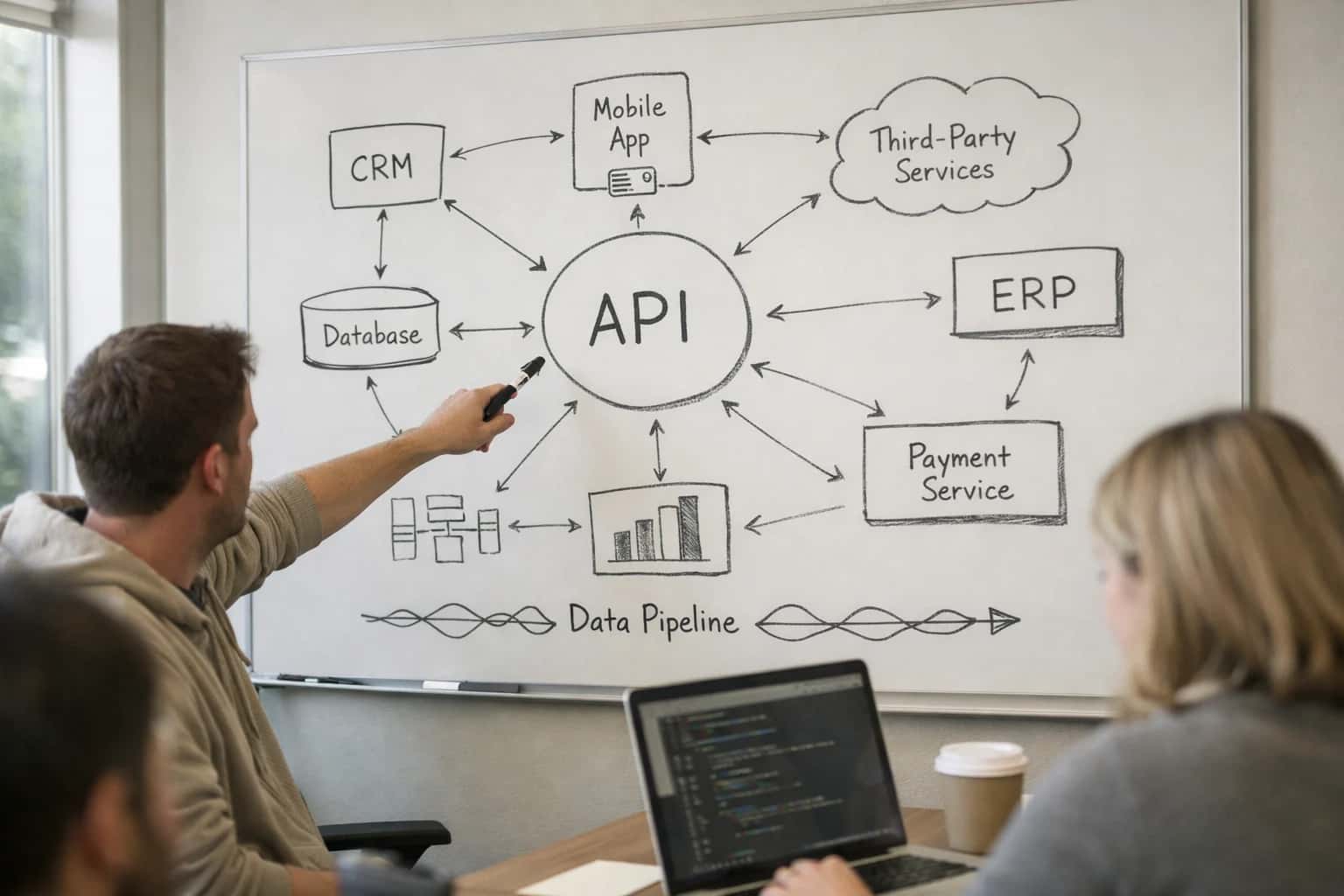
ARCHITECTURE AND IMPLEMENTATION
Where AI Fits in Cority Emergency Preparedness
Integrating AI into Cority's emergency preparedness modules transforms static plans into dynamic, intelligent systems for proactive risk management.
Implementation typically involves deploying AI agents that monitor the Cority database via secure APIs or webhooks. For example, an agent can analyze historical drill outcomes and resource consumption rates to recommend optimal stock levels and placement for emergency equipment. Another can use natural language processing to parse new regulatory texts and automatically update plan requirements in the compliance calendar. A key workflow is post-drill analysis: AI can summarize participant feedback from free-text fields, correlate performance against plan objectives, and generate a first-draft After Action Report (AAR) for review, turning a multi-day manual process into a same-day activity.
Rollout should be phased, starting with a single high-impact use case like automated drill schedule optimization based on risk scores and workforce availability. Governance is critical; all AI-generated recommendations—such as changes to evacuation routes or resource allocations—should flow through Cority's existing Management of Change (MOC) and approval workflows, creating a clear audit trail. This ensures AI augments human expertise without bypassing established safety protocols, making the emergency preparedness program more responsive and data-driven while maintaining rigorous compliance.
EMERGENCY PREPAREDNESS
Cority Modules and Surfaces for AI Integration
Core Data Objects for AI Enhancement
The Emergency Plan and Procedure modules in Cority are the central repositories for response protocols, contact lists, and resource inventories. AI integration here focuses on making these static documents dynamic and actionable.
Key integration surfaces include:
- Plan Narrative Fields: Use LLMs to generate draft plan sections or update existing text based on new regulatory requirements or lessons learned from drills.
- Resource Allocation Tables: AI can analyze historical incident data and facility layouts to simulate and optimize the placement of spill kits, fire extinguishers, and first-aid stations, suggesting updates to the resource inventory.
- Procedure Step Libraries: AI can retrieve and suggest the most relevant procedural steps during an active incident by analyzing the incident type and location, pulling from a vectorized knowledge base of approved procedures.
This turns the plan from a compliance document into an intelligent, living system that improves with each drill and real event.
CORITY INTEGRATION PATTERNS
High-Value AI Use Cases for Emergency Preparedness
Integrating AI into Cority's emergency preparedness modules transforms static plans into dynamic, intelligent systems. These use cases focus on automating planning workflows, optimizing resource allocation, and generating actionable insights from drill data to improve readiness and response times.
01
Automated Emergency Plan Generation & Updates
AI analyzes facility layouts, chemical inventories, and historical incident data to draft and maintain site-specific emergency response plans (ERPs) within Cority. It auto-populates evacuation routes, assembly points, and contact lists, and triggers plan reviews when operational changes (via Management of Change) or new regulations are detected.
Weeks -> Days
Plan update cycle
02
Intelligent Resource Allocation & Simulation
AI models optimize the placement and quantities of emergency equipment (spill kits, fire extinguishers, AEDs) based on risk assessments, incident history, and personnel density. It simulates response scenarios to identify bottlenecks and recommends resource adjustments directly within Cority's asset and inventory modules.
Batch -> Predictive
Resource planning
03
Drill Schedule Optimization & Outcome Analysis
AI evaluates regulatory requirements, site risk scores, and past drill performance to generate a risk-based, optimized annual drill schedule. Post-drill, it analyzes participant feedback and timing data from Cority to score effectiveness, identify procedural gaps, and automatically generate after-action reports with improvement tasks.
Manual -> Automated
Scheduling & scoring
04
Real-Time Notification & Communication Orchestration
Upon incident trigger, AI dynamically builds notification lists based on incident type, location, and severity by querying Cority's personnel roles, training records, and on-call schedules. It orchestrates multi-channel alerts (SMS, email, app) and can generate initial situational summaries for distribution, ensuring the right people are informed with the right context.
Minutes -> Seconds
Initial notification
05
Post-Incident & Drill Data Synthesis
AI aggregates and structures fragmented data from incident reports, drill logs, and equipment checks within Cority. It identifies recurring issues (e.g., slow evacuation times for a specific area, frequent PPE shortages) and generates prioritized recommendations for plan updates, training needs, or capital expenditures, feeding directly into corrective action workflows.
Data -> Insights
Analysis turnaround
06
Regulatory Compliance Automation for Preparedness
AI monitors regulatory libraries (OSHA, EPA, local) for changes to emergency planning rules (e.g., EPCRA Tier II, facility response plans). It maps new requirements to existing Cority plans and procedures, flags gaps, and can auto-draft compliance calendars and task assignments for the EHS team to review and execute.
Reactive -> Proactive
Compliance posture
CORITY INTEGRATION PATTERNS
Example AI-Automated Emergency Workflows
These workflows demonstrate how AI agents and automations can be integrated into Cority's emergency preparedness modules to reduce response times, optimize resource allocation, and improve drill effectiveness. Each pattern connects to specific Cority objects, APIs, and user roles.
Trigger: A site manager updates the facility's Hazard Inventory in Cority, adding a new chemical with a large on-site quantity.
AI Agent Action:
- An AI agent, triggered via a Cority API webhook, reads the new hazard's properties (e.g., flammability, toxicity, quantity).
- It queries Cority's
Emergency Response Planmodule andAsset Registerto identify relevant plans and the location of key response equipment (e.g., spill kits, fire suppression). - The agent runs a lightweight simulation using the hazard data and Cority's
Site Layoutdata to model potential impact zones and estimated response times.
System Update:
- The agent generates a summary and posts it as a
Taskassigned to the EHS coordinator, flagging if critical equipment is outside the simulated impact zone or if response times exceed policy thresholds. - It automatically creates a draft
Drill Recordin Cority'sDrill Schedulerfor a table-top exercise based on the new scenario.
Human Review Point: The EHS coordinator reviews the AI-generated task and drill proposal, adjusting or approving it for scheduling.
CONNECTING AI TO EMERGENCY PLANS, RESOURCES, AND DRILLS
Implementation Architecture: Data Flow and Integration Points
A production-ready AI integration for Cority Emergency Preparedness connects to core data objects and workflows to simulate scenarios, optimize resources, and automate drill management.
The integration architecture connects to three primary surfaces within Cority: the Emergency Plan module, the Resource & Asset register, and the Drill & Exercise management workflows. AI agents are triggered by plan updates, scheduled audits, or new incident data. They ingest structured data (e.g., facility layouts, equipment lists, employee headcounts by zone) and unstructured documents (historical drill reports, emergency procedures) to build a contextual knowledge base. A Retrieval-Augmented Generation (RAG) system, using a vector database like Pinecone or Weaviate, grounds all AI responses in your specific Cority data, ensuring recommendations are facility-accurate and compliant.
For simulation and optimization, the AI calls dedicated reasoning models. For example, when evaluating a new spill response plan, an agent can:
- Pull the location and quantity of spill kits, PPE, and neutralizers from the Resource register.
- Calculate estimated response times based on facility maps and shift schedules.
- Simulate different scenarios (e.g., wind direction, chemical compatibility) using encoded safety rules.
- Output a prioritized list of resource gaps or relocation suggestions back into Cority as actionable findings or resource reallocation tasks. This same pattern applies to fire equipment placement, evacuation route validation, and first-aid station optimization.
Drill management is automated through scheduled agents that review the compliance calendar for upcoming drill requirements. The AI can draft drill scenarios based on recent risk assessments or real incidents, auto-populate checklists in Cority, and after the drill, analyze participant feedback and observer reports to generate a summarized outcomes document. All AI-generated content and recommendations are logged as system comments with a clear audit trail, and critical suggestions (like major resource reallocations) can be routed through existing Cority approval workflows before implementation. This ensures AI augments the process without bypassing human oversight and governance.
EMERGENCY PREPAREDNESS INTEGRATION PATTERNS
Code and Payload Examples
Simulating Response with AI
AI can analyze historical incident data, site layouts, and resource inventories to model emergency scenarios. For Cority, this means generating realistic drill parameters and predicting response times. The integration typically involves querying Cority's EmergencyPlans and Site objects to build a context, then calling an LLM to produce a simulation narrative and key metrics.
Example Payload to AI Service:
json{ "plan_id": "EP-2024-015", "scenario_type": "chemical_spill", "site_characteristics": { "area_sqft": 50000, "personnel_count": 120, "nearest_medical": 15, "primary_wind_direction": "NE" }, "available_resources": ["spill_kits", "fire_extinguishers", "first_aid_stations"], "query": "Simulate a 50-gallon solvent spill in the main warehouse. Estimate evacuation time, primary hazards, and initial resource deployment." }
The AI returns a structured simulation report, which is then posted back to a Cority DrillRecord or attached to the EmergencyPlan for review.
AI-ENHANCED EMERGENCY PREPAREDNESS
Realistic Time Savings and Operational Impact
How AI integration transforms key emergency preparedness workflows in Cority, from planning to post-drill analysis.
| Metric | Before AI | After AI | Notes |
|---|---|---|---|
Emergency Plan Drafting & Updates | Days of manual research and writing | Hours with AI-assisted drafting and gap analysis | AI cross-references regulations, site layouts, and historical incidents |
Resource Allocation Optimization | Static, spreadsheet-based inventory checks | Dynamic simulation of response times and resource needs | AI models scenarios (e.g., chemical spill, fire) to recommend kit placement |
Drill Schedule Creation | Manual coordination based on calendar availability | AI-optimized scheduling balancing risk, compliance, and resources | Considers facility risk profiles, regulatory cycles, and past drill outcomes |
Drill Scenario Generation | Generic, repetitive scenarios from templates | Tailored, realistic scenarios based on site-specific hazards | AI pulls from chemical inventories, process maps, and weather data |
Post-Drill Analysis & Reporting | Weeks to consolidate notes and compile findings | Same-day automated summaries and action item extraction | AI processes participant feedback, observer notes, and timing data |
Compliance Evidence Compilation | Manual folder searches for audit proof | Automated tagging and retrieval of drill records and plan versions | Links drill outcomes to specific regulatory requirements (e.g., OSHA 1910.38) |
Critical Asset & Contact List Maintenance | Quarterly manual reviews prone to errors | Continuous validation and alerting for expired certifications or personnel changes | AI monitors integration with HR systems and certification databases |
IMPLEMENTING AI IN REGULATED ENVIRONMENTS
Governance, Security, and Phased Rollout
A controlled, phased approach ensures AI enhances emergency preparedness without disrupting critical safety protocols.
Integrating AI into Cority's emergency preparedness modules requires strict adherence to data governance and security models already defined within your EHS program. AI agents and workflows should operate within the same role-based access controls (RBAC) and audit trails used for manual processes. For example, an AI that simulates spill response times or optimizes resource allocation for fire equipment must only access facility data, chemical inventories, and personnel records that the assigned emergency coordinator or EHS manager is permitted to see. All AI-generated recommendations—such as revised drill schedules or suggested kit placements—should be logged as system-generated proposals, requiring human review and approval before any automated updates are made to live plans, asset registries, or the compliance calendar.
A practical rollout begins with a single, high-value workflow. A common starting point is drill outcome analysis: using AI to read after-action reports from tabletop or field exercises within Cority, extract key learnings, and auto-populate follow-up action items linked to specific corrective action (CAPA) records. This non-disruptive integration delivers immediate value by reducing administrative lag, while operating in an "assistive" mode. The next phase could introduce predictive resource modeling, where AI analyzes historical incident data, seasonal factors, and asset maintenance records to forecast optimal stock levels for spill kits or emergency equipment, generating alerts within Cority for planner review.
For broader adoption, establish a clear governance framework that defines who can approve AI-generated changes to emergency plans, how often simulations are re-run with updated data, and which outputs require secondary verification (e.g., changes to evacuation routes). This phased, governed approach minimizes risk, builds organizational trust in AI-assisted decision-making, and ensures the integration scales in alignment with your overall safety management system, not as a separate, ungoverned tool. For related architectural patterns, see our guide on [/integrations/environmental-health-and-safety-platforms/ai-integration-for-cority-incident-management](AI Integration for Cority Incident Management).
Enabling Efficiency, Speed & Accuracy
Intelligent Analysis, Decision & Execution
We build AI systems for teams that need search across company data, workflow automation across tools, or AI features inside products and internal software.
Talk to Us
Search across company data
Give teams answers from docs, tickets, runbooks, and product data with sources and permissions.
Useful when people spend too long searching or get different answers from different systems.
Enterprise searchRAGPermissions
Read more
Automate internal workflows
Use AI to route work, draft outputs, trigger actions, and keep approvals and logs in place.
Useful when repetitive work moves across multiple tools and teams.
AI agentsWorkflow automationGovernance
Read more
Add AI to products and internal tools
Build assistants, guided actions, or decision support into the software your team or customers already use.
Useful when AI needs to be part of the product, not a separate tool.
AI integrationDecision supportModel routing
Read moreAI INTEGRATION FOR EMERGENCY PREPAREDNESS
Frequently Asked Questions (FAQ)
Practical questions for teams planning to integrate AI into Cority's emergency preparedness modules for planning, simulation, and drill management.
AI integration typically connects via Cority's REST API or a direct database connection (for read-only analytics) to key objects:
- Emergency Plans & Procedures: To analyze and simulate response steps.
- Resource Registries (e.g., spill kits, fire equipment, personnel): To assess allocation and availability.
- Drill Schedules & Outcomes: To review historical performance and identify patterns.
- Site & Facility Data: For geospatial context in simulation models.
- Chemical Inventory / SDS Data: For modeling specific hazard scenarios (e.g., chemical spills).
The AI layer acts as an analytical and automation engine, pulling this data to power simulations, generate recommendations, and update plan attributes or task lists based on its analysis.

About the author
Prasad Kumkar
CEO & MD, Inference Systems
Prasad Kumkar is the CEO & MD of Inference Systems and writes about AI systems architecture, LLM infrastructure, model serving, evaluation, and production deployment. Over 5+ years, he has worked across computer vision models, L5 autonomous vehicle systems, and LLM research, with a focus on taking complex AI ideas into real-world engineering systems.
His work and writing cover AI systems, large language models, AI agents, multimodal systems, autonomous systems, inference optimization, RAG, evaluation, and production AI engineering.
LinkedIn
Limited slotsGet a Free AI Consultation
Partnered with leading AI, data, and software stack.





How We Work
Custom AI workflows for your Business
One-fit-all AI don't work for modern businesses. At Inferensys, we aim to understand your business & custom requirements; which we use to define most efficient agentic workflows, the data, and the tools for your business.
01
Review the use case
We understand the task, the users, and where AI can actually help.
Read more02
Pick the right approach
We define what needs search, automation, or product integration.
Read more03
Build the first useful version
We implement the part that proves the value first.
Read more04
Improve from there
We add the checks and visibility needed to keep it useful.
Read moreThe first call is a practical review of your use case and the right next step.
Talk to Us