Traditional ERP analytics rely on batch ETL jobs that load data into a data warehouse, creating a lag of hours or days between a transaction and its visibility. To enable real-time operational intelligence, you need an architecture that captures Change Data Capture (CDC) events or platform-native event streams (like SAP OData notifications, Oracle Cloud ERP events, or NetSuite SuiteTalk webhooks) as they occur. This streams critical transactions—sales orders, inventory movements, production confirmations, journal entries, and payment postings—into a real-time processing layer. Here, AI models can analyze patterns, detect anomalies, and trigger alerts or enrich records before the data even lands in the nightly report.

Integration
Real-Time Analytics with AI for ERP
Build AI-powered operational dashboards and alerts that process streaming ERP transaction data via CDC or eventing for instant insights into production, fulfillment, and cash positions.
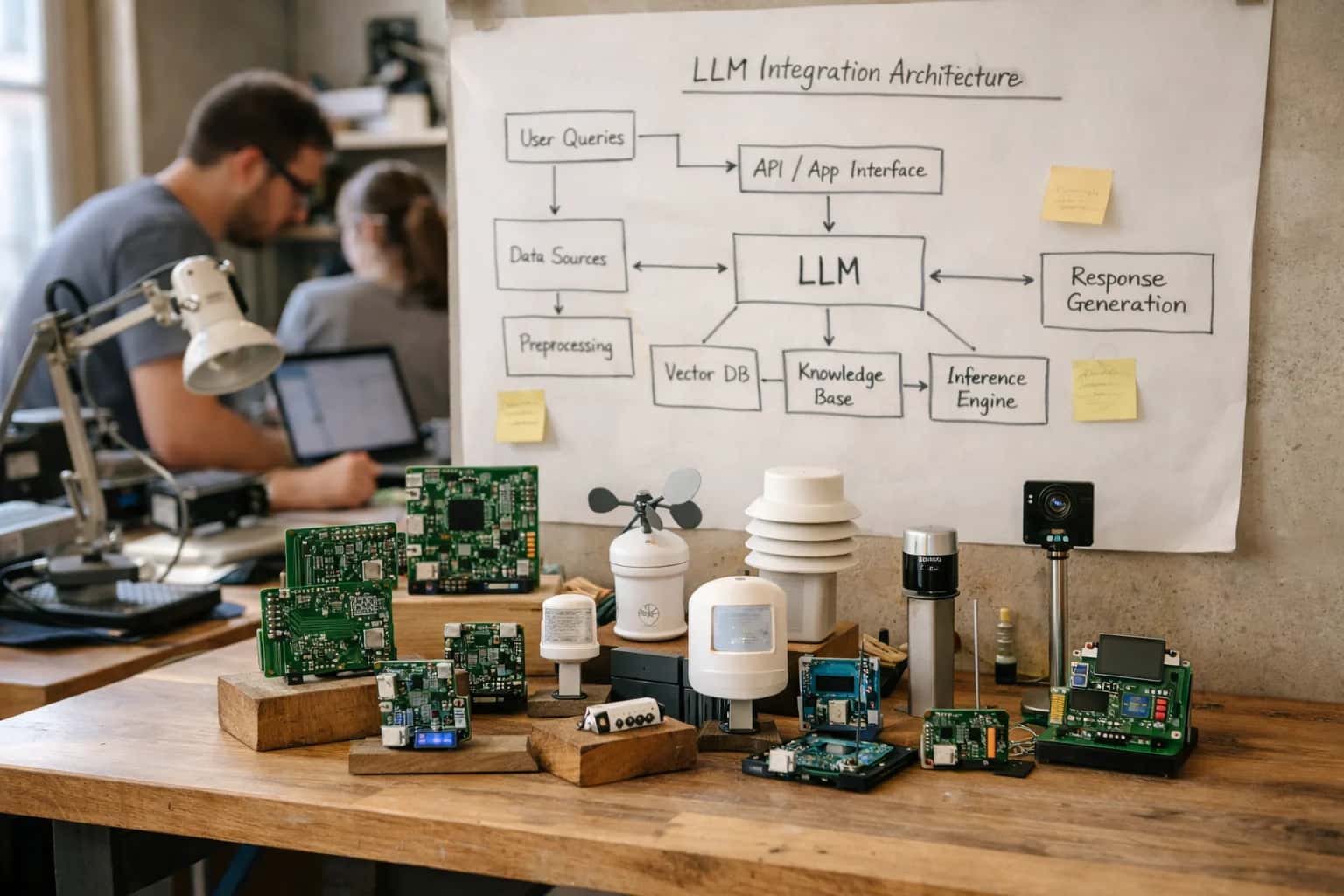
ARCHITECTURE FOR STREAMING ERP INSIGHTS
From Batch to Real-Time: AI-Powered Operational Intelligence
Build real-time operational dashboards and alerts by processing streaming ERP transaction data with AI, moving from nightly batch reports to instant insights on production, fulfillment, and cash positions.
The implementation centers on a lightweight, event-driven pipeline. CDC tools or ERP event APIs publish transactions to a message queue (e.g., Apache Kafka, AWS Kinesis). A stream processing service (e.g., Apache Flink, AWS Lambda) applies pre-trained AI models to this data. For example, an anomaly detection model can flag a sudden drop in production yield against the work order in real-time, or a forecasting model can update a cash position dashboard instantly when a large invoice is posted. The results are pushed to operational dashboards (like Grafana or embedded Fiori apps), alerting systems (like PagerDuty), or back into the ERP via API to update a custom field or create a follow-up task. This creates a closed-loop system where insight leads to immediate action.
Rollout requires careful governance. Start with a single, high-impact data stream, such as inventory transactions for stock-out risk or accounts receivable postings for cash flow visibility. Implement strict schema validation on the event stream to ensure data quality. Use a feature store to maintain consistent inputs for both real-time and batch models. Crucially, design alerts with human-in-the-loop approval where needed; not every anomaly requires an automated system intervention. This architecture shifts the role of ERP data from historical record-keeping to a live nervous system for the business, enabling planners and operators to respond to conditions as they happen, not as they are reported.
ARCHITECTURE FOR REAL-TIME INSIGHTS
ERP Streaming Data Sources and Integration Points
Key ERP Data Feeds for Real-Time AI
Real-time analytics require access to high-velocity transaction data. In major ERPs, these are the primary integration points:
- Change Data Capture (CDC) Logs: Capture every
INSERT,UPDATE, andDELETEon critical tables likeGL_JE_LINES,PO_HEADERS,SO_LINE_DETAILS, andINV_TRANSACTIONS. Tools like Oracle GoldenGate, SAP SLT, or platform-specific CDC APIs feed event streams to a message broker (e.g., Kafka). - Native Eventing Frameworks: Leverage built-in publish-subscribe models like SAP Event Mesh, Oracle Integration Cloud (OIC) Events, NetSuite SuiteScript 2.x User Event Scripts, or Infor ION Event Publisher. These emit structured events for business actions like 'Purchase Order Approved' or 'Invoice Posted'.
- API Polling for Near-Real-Time: For platforms without robust streaming, implement intelligent polling of REST/SOAP APIs (e.g., SAP OData, NetSuite SuiteTalk) for recent transactions, using watermark timestamps to minimize latency.
These streams provide the raw material for AI models to detect anomalies, update forecasts, and trigger alerts within seconds of a business event.
STREAMING ANALYTICS & OPERATIONAL INTELLIGENCE
High-Value Real-Time AI Use Cases for ERP
Move beyond batch reporting. These architectures process live transaction streams from SAP, Oracle, NetSuite, or Infor to deliver instant insights, automated alerts, and prescriptive actions directly into operational workflows.
01
Real-Time Cash Position Dashboard
Streams payment runs, customer receipts, and bank feed data via ERP APIs to calculate a live, rolling 13-week cash forecast. AI flags projected shortfalls, suggests optimal payment timing for discounts, and triggers automated collection workflows for high-risk accounts.
Batch → Real-time
Visibility shift
02
Production Line Anomaly Detection
Ingests real-time production order confirmations and sensor data from MES/MOM systems. AI models detect deviations from standard yield, cycle time, or quality rates, automatically generating quality alerts or maintenance work orders in the ERP before a shift ends.
Same day
Issue resolution
03
Dynamic Fulfillment Promise
Processes live sales orders against real-time inventory (on-hand, in-transit, WIP), warehouse capacity, and carrier schedules. An AI agent calculates and offers optimal ATP (Available-to-Promise) dates with reasoning, and automatically triggers backorder workflows if needed.
Seconds
Promise generation
04
Procurement Spend Alerting
Monitors streaming PO and invoice data to detect off-contract spending, tail-spend leakage, or budget overruns in real-time. AI categorizes spend, compares to agreements, and sends alerts to category managers with suggested corrective actions via ERP workflow.
Hours → Minutes
Anomaly detection
05
Automated Journal Entry Proposals
Listens to event streams for closed sales orders, received invoices, or contract milestones. AI interprets the transaction context, applies relevant accounting standards (e.g., ASC 606), and drafts complete, coded journal entries ready for reviewer approval in the ERP GL.
1 sprint
Implementation cycle
06
Live Project Health & Risk Scoring
Consumes real-time project actuals (costs, hours), milestone completions, and change orders from ERP project modules. AI calculates a live health score, predicts budget/timeline overruns, and flags at-risk projects for PMO review, triggering corrective action workflows.
Continuous
Monitoring
ERP OPERATIONAL INTELLIGENCE
Example Real-Time AI Workflows in Action
These workflows illustrate how AI agents, triggered by streaming ERP events, deliver instant operational insights and automated actions. Each example connects to specific ERP modules, APIs, and user roles.
Trigger: A high-value customer payment is posted in the ERP Accounts Receivable module (e.g., SAP FBL5N, NetSuite Customer Payment record).
Context Pulled: The AI agent receives the payment event via Change Data Capture (CDC) or a webhook. It immediately queries:
- The customer's recent order history and credit limit.
- Open payables due in the next 7 days from the AP subledger.
- Current bank account balances from the treasury module or an integrated TMS.
AI Action: A small language model (SLM) analyzes the data to assess the immediate cash impact. It generates a concise natural language summary and a recommendation.
System Update: An alert is posted to a designated Slack/Teams channel for the Treasury team and creates a task in the CFO's dashboard in the ERP analytics portal (e.g., SAP Analytics Cloud, Oracle Analytics).
Example Payload to Alerting System:
json{ "workflow": "cash_position_alert", "timestamp": "2024-05-15T10:30:00Z", "customer": "Acme Corp", "payment_amount": 250000, "currency": "USD", "impact_summary": "Payment received covers 85% of payables due Friday. Liquidity buffer increases by $120k.", "recommendation": "Consider early payment to vendor XYZ for 2% discount ($5k savings).", "erp_links": [ "https://erp.example.com/app#/payment/PAY-12345", "https://erp.example.com/app#/cashforecast" ] }
Human Review Point: The Treasury manager reviews the early payment recommendation and approves it with one click, triggering a payment proposal workflow back in the ERP.
FROM BATCH TO STREAMING
Architecture: Building the Real-Time AI Pipeline
A technical blueprint for connecting AI to live ERP transaction streams to power operational dashboards and automated alerts.
The foundation of real-time AI analytics is a change data capture (CDC) or eventing layer that streams transactional data from your ERP's core modules—like SAP S/4HANA's FI/CO, Oracle Cloud ERP's Financials, or NetSuite's Sales Orders—into a processing pipeline. This moves intelligence from overnight batch cycles to a sub-minute latency model, enabling live insights into production status, cash positions, and fulfillment exceptions.
The pipeline architecture typically involves: a CDC tool (e.g., Debezium, Oracle GoldenGate) publishing to a message queue (Kafka, AWS Kinesis); a stream processor (Flink, Spark) that enriches data with external signals (weather, market rates); and an AI inference service that applies pre-trained models for anomaly detection, classification, or prediction. Results are pushed to a real-time dashboard (Power BI, Tableau) via WebSocket and can trigger alerts in Slack, Teams, or create follow-up actions in the ERP via its REST APIs.
Governance is critical. Implement role-based access controls (RBAC) for who sees which alerts, maintain a full audit trail of AI inferences and data sources, and design a human-in-the-loop review step for high-stakes recommendations (e.g., pausing a production line). Start with a single, high-value stream—like real-time inventory depletion against sales orders—to validate the pipeline before scaling to cash flow or supply chain disruption alerts.
ARCHITECTURE FOR STREAMING ERP INSIGHTS
Code and Configuration Patterns
Capturing Real-Time Transaction Streams
The foundation of real-time analytics is a reliable stream of ERP transaction events. This is typically achieved via Change Data Capture (CDC) tools or native platform eventing APIs.
Key Configuration Patterns:
- SAP S/4HANA: Use SAP Event Mesh or the OData API with
$deltatokens to subscribe to changes in key business documents (e.g., FI documents, sales orders, production confirmations). - Oracle Cloud ERP: Leverage Oracle Integration Cloud (OIC) or the native Events Service to publish business events from modules like Financials, Procurement, and Order Management.
- NetSuite: Configure SuiteScript 2.x User Event scripts or Map/Reduce scripts to emit transaction events to a message queue (Kafka, AWS Kinesis) upon commit.
- Infor: Utilize Infor OS ION events to publish XML messages for created or updated M3 or CloudSuite records.
Architecture Goal: Establish a unidirectional flow where ERP events are published to a durable, scalable message bus, decoupling the analytics pipeline from the core system's performance.
REAL-TIME ANALYTICS FOR ERP
Realistic Operational Impact and Time-to-Insight Gains
This table illustrates the shift from periodic, manual reporting to AI-powered real-time analytics, showing concrete improvements in speed, accuracy, and operational responsiveness for key ERP workflows.
| Metric | Before AI | After AI | Notes |
|---|---|---|---|
Cash Position Visibility | End-of-day batch report | Real-time dashboard with predictive alerts | Treasury can react to liquidity shifts within hours, not days. |
Production Line Downtime Detection | Manual shift-end log review | Automated anomaly detection from MES/PLC feeds | Alerts trigger within minutes, enabling same-shift corrective action. |
Order Fulfillment Exception | Daily exception report from WMS | Streaming alert on delayed picks or stock-outs | Warehouse supervisors are notified instantly, reducing SLA breaches. |
Procurement Spend Analysis | Monthly category report with 3-day lag | Continuous spend monitoring with vendor risk scoring | Procurement can negotiate or re-source based on near-real-time data. |
Inventory Accuracy & Cycle Counts | Quarterly physical counts with variance analysis | AI-prioritized cycle counts based on transaction volatility | Focus effort on high-risk items, improving overall accuracy faster. |
Financial Close Task Completion | Manual tracking via spreadsheet; status unclear until deadline | Real-time progress dashboard with AI-predicted bottlenecks | Controllers gain daily visibility into close risks, reducing last-minute fire drills. |
Compliance & Policy Deviation | Post-audit sampling identifies historical violations | Continuous transaction monitoring flags deviations as they occur | Shifts compliance from detective to preventive, reducing exposure. |
ARCHITECTING FOR PRODUCTION
Governance, Security, and Phased Rollout
A practical framework for deploying AI-driven real-time analytics on ERP data with enterprise-grade controls.
A production architecture for real-time ERP analytics must be built on a secure, event-driven foundation. This typically involves capturing change data from core transactional tables—like GL_JE_LINES, PO_HEADERS, or INV_TRANSACTIONS—using CDC tools or native ERP eventing APIs (e.g., SAP OData change streams, Oracle Transactional Business Events). These events are streamed to a secure message broker (Kafka, AWS Kinesis) where an AI processing service, governed by strict RBAC tied to your ERP roles, subscribes. The service enriches the raw transaction data with context from master data, runs it through pre-trained or fine-tuned models for anomaly detection or prediction, and pushes insights to a real-time dashboard (e.g., Power BI Streaming, custom React app) or triggers alerts in tools like ServiceNow or Microsoft Teams. All model inputs, outputs, and user interactions are logged to a dedicated audit trail, creating a lineage from ERP transaction to AI-generated insight.
Rollout should follow a phased, risk-managed approach. Phase 1 (Read-Only Monitoring): Deploy dashboards that surface AI-generated insights—like a sudden spike in POs from a single vendor or a potential cash flow shortfall—to a pilot group of analysts and controllers for validation. No automated actions are taken. Phase 2 (Guided Intervention): Introduce alerting workflows where the system recommends actions (e.g., "Review this journal entry for duplicate posting") within the ERP's native interface or a companion copilot, requiring explicit user approval. Phase 3 (Conditional Automation): For high-confidence, low-risk predictions—such as auto-categorizing recurring utility invoices—implement automated backend updates via ERP APIs, but with a mandatory weekly review queue for the finance team. This crawl-walk-run method builds trust, isolates impact, and allows for tuning of prompts and model thresholds based on real feedback.
Governance is critical. Establish a cross-functional steering committee (IT, Security, Finance, Business Process Owners) to approve use cases and define the guardrails: which data fields can be processed, where outputs can be written, and the required confidence scores for automated actions. Implement a model registry to track versions and performance drift of your forecasting or anomaly detection models. Use a secure API gateway to manage all calls between your AI services and the ERP, enforcing rate limits and masking sensitive fields. For a deeper dive into the technical patterns for connecting AI to specific ERP APIs, see our guide on AI Integration for ERP Analytics and Reporting. This structured approach ensures your real-time AI analytics deliver actionable intelligence without compromising the integrity of your core financial system.
Enabling Efficiency, Speed & Accuracy
Intelligent Analysis, Decision & Execution
We build AI systems for teams that need search across company data, workflow automation across tools, or AI features inside products and internal software.
Talk to Us
Search across company data
Give teams answers from docs, tickets, runbooks, and product data with sources and permissions.
Useful when people spend too long searching or get different answers from different systems.
Enterprise searchRAGPermissions
Read more
Automate internal workflows
Use AI to route work, draft outputs, trigger actions, and keep approvals and logs in place.
Useful when repetitive work moves across multiple tools and teams.
AI agentsWorkflow automationGovernance
Read more
Add AI to products and internal tools
Build assistants, guided actions, or decision support into the software your team or customers already use.
Useful when AI needs to be part of the product, not a separate tool.
AI integrationDecision supportModel routing
Read moreIMPLEMENTATION BLUEPRINT
Frequently Asked Questions
Architecting real-time AI analytics for ERP requires careful planning around data streaming, model integration, and operational workflows. Below are the most common technical and strategic questions from enterprise architects and operations leaders.
Real-time analytics require a low-latency pipeline from your ERP to the AI layer. The primary methods are:
- Change Data Capture (CDC): The most robust method. Tools like Oracle GoldenGate, SAP Landscape Transformation, or third-party CDC platforms capture insert/update events from ERP database logs and publish them to a message queue (e.g., Kafka, AWS Kinesis).
- Eventing / Webhooks: For cloud ERPs (NetSuite, Oracle Cloud ERP, S/4HANA Cloud), leverage native event frameworks. Configure listeners for key business events (e.g.,
salesorder.created,invoice.posted) to trigger webhooks that push payloads to your event bus. - API Polling (Fallback): For ERPs without strong CDC or eventing, implement high-frequency, filtered API calls to transaction tables (using
lastModifiedDate). This adds latency and load, so it's a secondary option.
Key Architecture Decision: Your AI analytics service should consume from the event stream, not query the ERP directly, to avoid performance impact on operational systems.

About the author
Prasad Kumkar
CEO & MD, Inference Systems
Prasad Kumkar is the CEO & MD of Inference Systems and writes about AI systems architecture, LLM infrastructure, model serving, evaluation, and production deployment. Over 5+ years, he has worked across computer vision models, L5 autonomous vehicle systems, and LLM research, with a focus on taking complex AI ideas into real-world engineering systems.
His work and writing cover AI systems, large language models, AI agents, multimodal systems, autonomous systems, inference optimization, RAG, evaluation, and production AI engineering.
LinkedIn
Limited slotsGet a Free AI Consultation
Partnered with leading AI, data, and software stack.





How We Work
Custom AI workflows for your Business
One-fit-all AI don't work for modern businesses. At Inferensys, we aim to understand your business & custom requirements; which we use to define most efficient agentic workflows, the data, and the tools for your business.
01
Review the use case
We understand the task, the users, and where AI can actually help.
Read more02
Pick the right approach
We define what needs search, automation, or product integration.
Read more03
Build the first useful version
We implement the part that proves the value first.
Read more04
Improve from there
We add the checks and visibility needed to keep it useful.
Read moreThe first call is a practical review of your use case and the right next step.
Talk to Us