Traditional EAM dashboards in IBM Maximo, SAP EAM, or Infor EAM display lagging indicators: overdue work orders, mean time to repair, or backlog counts. AI-driven dashboards connect to the same asset health, work order, and sensor data streams, but apply models to surface why metrics are trending, what will likely fail next, and which actions will have the greatest impact. This shifts the role from monitoring to decision support, highlighting prescriptive maintenance tasks, at-risk assets based on IoT condition monitoring, and resource bottlenecks forecasted from scheduling data.

Integration
AI for EAM Dashboards with AI Insights
Move from static EAM dashboards to AI-driven operational intelligence surfaces that surface predictive alerts, prescriptive actions, and natural-language insights for maintenance and reliability leaders.
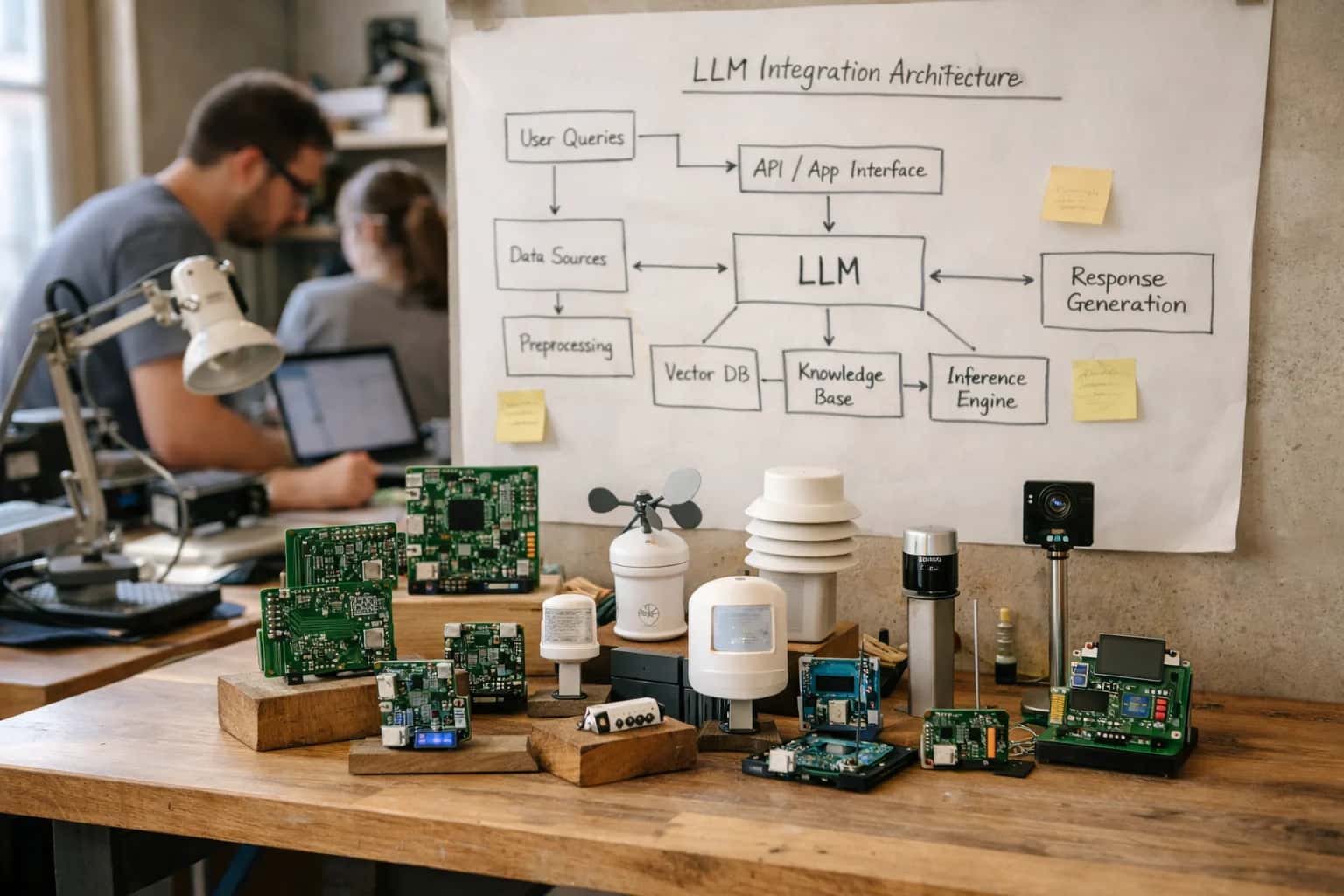
EAM DASHBOARD TRANSFORMATION
From Static Dashboards to AI-Driven Operational Intelligence
Move beyond static KPIs to dashboards that proactively surface AI-generated insights, prescriptive actions, and real-time alerts for maintenance, reliability, and operations leaders.
Implementation involves building a middleware layer that subscribes to EAM events (new work orders, completed inspections, updated meter readings) and API data pulls. This layer runs AI models—for failure prediction, resource optimization, or anomaly detection—and posts the results as enriched, actionable records back into the EAM. Dashboards are then configured to visualize these AI-generated insights as prioritized alerts, recommended work order sequences, or dynamic asset criticality scores, often using the EAM's native dashboard builder or a connected BI tool like Tableau or Power BI.
Rollout starts with a single, high-impact insight surface, such as a Predictive Maintenance Alert Queue that integrates failure predictions from an external ML platform with Maximo's Asset Health module. Governance is critical: each AI insight should be traceable to source data and model version, include a confidence score, and have a clear human review and approval workflow before auto-creating work orders. This controlled approach builds trust and allows planners to validate AI recommendations against their domain expertise, creating a collaborative feedback loop that continuously improves model accuracy.
ARCHITECTURE BLUEPRINT
Where AI Insights Plug Into Your EAM Dashboard Layer
Asset Health & Risk Dashboards
AI transforms static asset health scores into dynamic, predictive risk surfaces. Instead of showing last month's compliance status, dashboards can surface prescriptive alerts like "Pump P-101 bearing temperature trend indicates 85% probability of failure within 14 days; recommend vibration analysis and order part #BX-203."
Integration Points:
- Health Score Overrides: Inject AI-calculated risk scores into the native asset health module (e.g., IBM Maximo Asset Health, SAP EAM Asset Analytics).
- Alert Queues: Create prioritized alert records that link directly to recommended inspection or work order templates.
- KPI Tiles: Replace legacy MTBF/MTTR gauges with AI-forecasted reliability metrics and confidence intervals.
This layer consumes IoT streams, work order history, and inspection logs to provide operations leaders with a forward-looking view of portfolio risk.
ACTIONABLE INSIGHTS FOR MAINTENANCE & RELIABILITY LEADERS
High-Value AI Dashboard Use Cases for EAM
Modern EAM dashboards should move beyond static charts to deliver AI-generated insights, prescriptive actions, and real-time alerts. These cards outline specific integration patterns to surface intelligence from IBM Maximo, SAP EAM, Infor EAM, and Asset Panda data, directly within the operational views used by planners, schedulers, and reliability engineers.
01
Predictive Alert Triage & Prioritization
Integrate AI failure prediction models with the EAM dashboard to transform raw sensor alerts and work order backlogs into a prioritized action queue. The dashboard surfaces assets with the highest predicted downtime cost or safety risk, recommends immediate inspections, and provides one-click work order creation. This shifts teams from reactive firefighting to planned intervention.
Batch -> Real-time
Alert processing
02
Maintenance Schedule Health & Risk
Provide a live view of schedule adherence and risk by analyzing SAP EAM or Maximo work orders against resource calendars, parts availability, and asset criticality. The AI dashboard highlights tasks at risk of delay, suggests resource reallocations, and forecasts weekly backlog impact. Planners use this to proactively adjust schedules instead of discovering conflicts mid-week.
1 sprint
Visibility gain
03
Spare Parts Optimization Intelligence
Connect inventory data from Asset Panda or EAM modules to AI models analyzing usage patterns, lead times, and asset criticality. The dashboard visualizes parts facing stockout risk, recommends safety stock adjustments, and identifies slow-moving inventory for cost reduction. This turns spare parts management from a manual guessing game into a data-driven process.
Hours -> Minutes
Re-order analysis
04
Compliance & Audit Readiness Monitor
Automate compliance tracking for environmental, safety, and quality regulations. The dashboard ingests Infor EAM inspection results, work order completion evidence, and document metadata to provide a real-time compliance score. It flags gaps, auto-generates audit trail summaries, and alerts managers to expiring certifications—turning a quarterly scramble into continuous readiness.
Same day
Audit prep
05
Asset Criticality & Investment Planning
Move from static criticality rankings to dynamic, AI-updated scores. The dashboard analyzes EAM data for downtime cost, redundancy, safety impact, and repair history to continuously re-rank asset priority. It surfaces visualizations for capital planning, forecasting replacement waves and budget needs based on performance degradation, not just age.
06
Root Cause Analysis Accelerator
Accelerate failure investigation by integrating the dashboard with EAM work history and free-text notes. For a selected asset or failure mode, the AI clusters similar past incidents, extracts common contributing factors from technician notes, and suggests probable root causes. This reduces mean time to repair (MTTR) and helps build more effective preventive plans.
PRESCRIPTIVE OPERATIONS
Example AI Dashboard Workflows: From Data to Action
Modern EAM dashboards must move beyond descriptive charts to prescriptive actions. These workflows illustrate how AI-powered insights are generated from EAM data and automatically trigger maintenance, planning, and compliance actions within your platform.
Trigger: AI model processes daily IoT sensor streams (vibration, temperature, pressure) and compares against baseline performance envelopes.
Context Pulled: Real-time telemetry is enriched with the asset's master record from the EAM (make/model, criticality, warranty status, last maintenance date) and related work order history.
Agent Action: A reliability-focused agent evaluates the anomaly severity, predicted time-to-failure, and asset criticality. It cross-references the EAM's resource calendar and spare parts inventory.
System Update: The agent automatically creates a corrective work order in the EAM with:
- Pre-filled failure code and symptom description.
- Recommended priority and due date.
- Linked standard job plan and required parts list.
- Assigned crew based on skill and availability.
Human Review Point: The generated work order is placed in a "Planner Review" queue. The planner can adjust details before releasing it to the schedule, with the AI's rationale logged for audit.
FROM STATIC REPORTS TO PRESCRIPTIVE INTELLIGENCE
Implementation Architecture: Building the AI Dashboard Layer
A practical guide to architecting an AI-powered dashboard layer that connects to your core EAM system to surface actionable insights.
The AI dashboard layer is a separate, modern application service that sits alongside your core EAM platform (like IBM Maximo, SAP EAM, or Infor EAM). It connects via secure APIs to read key data objects—asset hierarchies, work order history, meter readings, failure codes, and inventory levels—without disrupting the core transactional system. This layer hosts the AI models and RAG (Retrieval-Augmented Generation) systems that analyze this data to generate insights, which are then presented in a dedicated operational dashboard for maintenance, reliability, and operations leaders.
A typical implementation involves several key components wired together: an event listener (polling EAM APIs or listening to webhooks for new work orders or sensor alerts), a vector database (like Pinecone or Weaviate) that stores embedded historical data for semantic search, and a set of specialized AI agents. For example, one agent might continuously analyze work order backlog and resource calendars to flag scheduling conflicts, while another parses free-text inspection notes to detect emerging safety hazards. These agents write their findings—prescriptive actions, priority alerts, forecasted failures—back to a dedicated ai_insights table or a messaging queue, which the dashboard UI consumes in real-time.
Rollout is phased, starting with a single high-impact workflow like predictive maintenance alerts for critical assets. Governance is critical: all AI-generated recommendations should be logged with a full audit trail, and the system should enforce a human-in-the-loop approval step before any AI insight can automatically create a work order or change a schedule in the core EAM. This architecture ensures the AI layer enhances decision-making without compromising system integrity, allowing teams to move from reactive reporting to prescriptive operations.
ARCHITECTING ACTIONABLE INSIGHTS
Code & Payload Examples
Aggregating Raw Data into Executive Summaries
EAM dashboards often drown leaders in raw alerts and conflicting KPIs. An AI insight layer consumes these disparate signals—from high-priority work orders in SAP PM to IoT alerts in Maximo—and synthesizes them into narrative summaries.
A common pattern is to query the EAM database for the last 24 hours of events, then use an LLM to generate a daily briefing. The payload sent to the AI model includes structured context: asset criticality scores, unresolved high-severity alerts, and KPIs like MTTR (Mean Time to Repair) or backlog count.
json{ "timestamp": "2024-05-15T08:00:00Z", "data_context": { "system": "SAP_EAM", "site": "Plant_B17" }, "kpi_snapshot": { "overall_equipment_effectiveness": 0.72, "maintenance_backlog_count": 47, "critical_work_orders_open": 5 }, "priority_alerts": [ { "asset_id": "PUMP-1001", "description": "Vibration exceedance on discharge bearing", "severity": "HIGH" }, { "asset_id": "CHILLER-2005", "description": "Low refrigerant pressure alert", "severity": "MEDIUM" } ], "instruction": "Generate a concise, actionable summary for the maintenance manager highlighting the top priority and recommended immediate focus." }
The AI returns a prescriptive summary, such as: "Focus on PUMP-1001; vibration trend indicates impending bearing failure. Defer CHILLER-2005 review until afternoon. Backlog increase suggests reviewing planner capacity." This transforms data overload into directed action.
AI-POWERED DASHBOARD INSIGHTS
Realistic Time Savings & Operational Impact
How AI-generated insights transform EAM operational dashboards from reactive reporting to proactive decision-making for maintenance, reliability, and operations leaders.
| Dashboard Activity | Traditional Workflow | AI-Enhanced Workflow | Impact & Notes |
|---|---|---|---|
Asset Health Score Review | Manual analysis of 10+ reports; 2-3 hours weekly | Automated anomaly detection & root cause summaries; 15-30 minutes weekly | Focus shifts from data gathering to action planning |
Maintenance Backlog Prioritization | Planner-led review based on due dates & experience; 4-6 hours weekly | AI-assisted criticality scoring & resource optimization; 1-2 hours weekly | Reduces risk-based backlog by 20-30%; aligns with business impact |
Failure Prediction Alert Triage | Engineer reviews sensor alerts; 1-2 hours daily | AI clusters & prioritizes alerts with prescriptive actions; 20-30 minutes daily | Reduces alert fatigue; focuses on high-likelihood, high-impact events |
Spare Parts Inventory Analysis | Monthly manual review of stockouts & excess; 8-10 hours monthly | AI-driven demand forecasting & reorder suggestions; 2-3 hours monthly | Targets 10-15% reduction in carrying costs while improving availability |
Regulatory Compliance Reporting | Manual data consolidation from inspections & logs; 1-2 days quarterly | Automated data aggregation & gap analysis; half-day quarterly | Ensures audit readiness; surfaces non-compliance risks proactively |
Energy & Sustainability Tracking | Spreadsheet-based utility data review; 4-6 hours monthly | AI correlates asset runtime with consumption, suggests optimizations; 1 hour monthly | Identifies 5-10% energy waste opportunities for capital planning |
Capital Planning Scenario Modeling | Manual lifecycle cost projections using static data; 1-2 weeks annually | AI simulates replacement timing & ROI under multiple scenarios; 2-3 days annually | Improves budget accuracy and long-term asset strategy |
ARCHITECTING FOR PRODUCTION
Governance, Security, and Phased Rollout
Deploying AI-enhanced dashboards requires a controlled approach that respects existing EAM governance while delivering measurable operational impact.
Effective AI integration for EAM dashboards starts with a clear data and access model. AI agents should operate with read-only access to core asset, work order, and sensor data tables initially, pulling from dedicated reporting views or APIs like Maximo's MBO API or SAP EAM's OData services. All generated insights—such as a predicted failure probability or a suggested maintenance deferral—are written to a separate AI_Insights custom object or table, creating a clear audit trail. This separation allows dashboards to surface AI recommendations as a distinct data layer, enabling maintenance planners to review and approve actions before any automated updates to work orders or asset health scores are executed.
A phased rollout is critical for user adoption and risk management. Phase 1 focuses on passive insight generation: dashboards display AI-powered alerts (e.g., "Asset X shows a 40% increase in vibration trend") alongside traditional KPIs, with drill-downs to the supporting data. Phase 2 introduces prescriptive actions, where the dashboard suggests a specific work order type, priority, and required parts, which a planner can accept with one click, triggering the standard EAM workflow. Phase 3 enables conditional automation for low-risk, high-frequency tasks, such as auto-creating inspection work orders for assets where AI confidence exceeds a governed threshold. Each phase incorporates feedback loops where user overrides train and improve the underlying models.
Security and compliance are non-negotiable, especially for regulated industries like utilities or healthcare. Implement role-based access control (RBAC) so AI insights are filtered by user responsibility—a facility manager sees only their building assets. All AI model inputs and outputs should be logged for explainability, supporting audits and root cause analysis if a recommendation is questioned. For cloud-based AI services, ensure data residency and encryption protocols align with your EAM deployment model. Start with a pilot asset group or site, measure impact on metrics like mean time to repair (MTTR) or preventive maintenance compliance, and scale the integration based on proven value, not just technical possibility.
Enabling Efficiency, Speed & Accuracy
Intelligent Analysis, Decision & Execution
We build AI systems for teams that need search across company data, workflow automation across tools, or AI features inside products and internal software.
Talk to Us
Search across company data
Give teams answers from docs, tickets, runbooks, and product data with sources and permissions.
Useful when people spend too long searching or get different answers from different systems.
Enterprise searchRAGPermissions
Read more
Automate internal workflows
Use AI to route work, draft outputs, trigger actions, and keep approvals and logs in place.
Useful when repetitive work moves across multiple tools and teams.
AI agentsWorkflow automationGovernance
Read more
Add AI to products and internal tools
Build assistants, guided actions, or decision support into the software your team or customers already use.
Useful when AI needs to be part of the product, not a separate tool.
AI integrationDecision supportModel routing
Read moreIMPLEMENTATION QUESTIONS
FAQ: AI Dashboards for EAM Platforms
Practical answers for operations, reliability, and IT leaders planning to embed AI-generated insights into IBM Maximo, SAP EAM, Infor EAM, or Asset Panda dashboards.
Secure integration typically follows a layered pattern:
- API Gateway & Authentication: Use the EAM platform's native REST API (e.g., Maximo's MBO API, SAP's OData services) through a dedicated service account with role-based permissions. All calls are routed through an API gateway for rate limiting, logging, and consistent authentication (OAuth 2.0, API keys).
- Data Extraction for Context: For real-time dashboards, the AI agent queries specific endpoints to fetch context—like an asset's recent work order history, current meter readings, or open notifications—using a predefined, parameterized query to limit data exposure.
- Zero Data Persistence (Optional): For high-security environments, the AI agent can be designed as a stateless service where prompts and EAM context are held in memory only for the duration of the request, with no long-term storage of raw EAM data in the AI platform.
- Audit Trail: All AI-generated insights written back to the EAM (e.g., a recommended action) should create an audit record in the EAM's native history table, noting the source as the AI service, the timestamp, and the triggering user or event.
This pattern ensures governance while enabling the AI to operate on live, operational data.

About the author
Prasad Kumkar
CEO & MD, Inference Systems
Prasad Kumkar is the CEO & MD of Inference Systems and writes about AI systems architecture, LLM infrastructure, model serving, evaluation, and production deployment. Over 5+ years, he has worked across computer vision models, L5 autonomous vehicle systems, and LLM research, with a focus on taking complex AI ideas into real-world engineering systems.
His work and writing cover AI systems, large language models, AI agents, multimodal systems, autonomous systems, inference optimization, RAG, evaluation, and production AI engineering.
LinkedIn
Limited slotsGet a Free AI Consultation
Partnered with leading AI, data, and software stack.





How We Work
Custom AI workflows for your Business
One-fit-all AI don't work for modern businesses. At Inferensys, we aim to understand your business & custom requirements; which we use to define most efficient agentic workflows, the data, and the tools for your business.
01
Review the use case
We understand the task, the users, and where AI can actually help.
Read more02
Pick the right approach
We define what needs search, automation, or product integration.
Read more03
Build the first useful version
We implement the part that proves the value first.
Read more04
Improve from there
We add the checks and visibility needed to keep it useful.
Read moreThe first call is a practical review of your use case and the right next step.
Talk to Us