
Inferensys

Integration

AI Integration for Dental Staff Scheduling AI

A practical guide to integrating AI for intelligent staff and operatory scheduling in dental PMS platforms like Dentrix, Eaglesoft, Open Dental, and Curve Dental. Automate shift creation, credential matching, and labor law compliance.
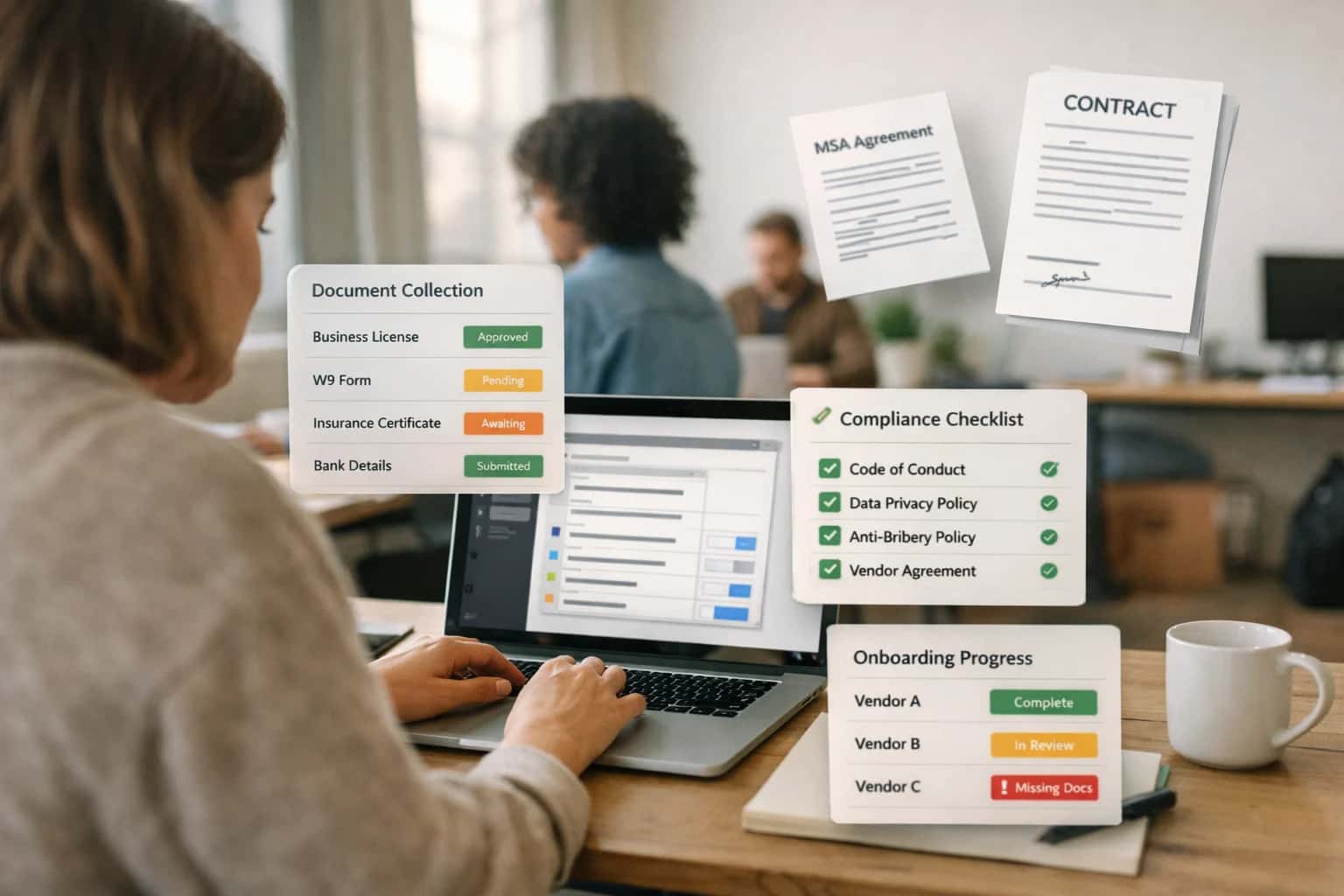
Operations team reviewing AI vendor onboarding platform on laptop, forms and contracts visible, casual office workspace.
ARCHITECTURE AND ROLLOUT

Where AI Fits into Dental Staff Scheduling

Integrating AI into dental staff scheduling connects directly to your practice management system's core data to optimize provider assignments, reduce manual coordination, and protect production.

The integration connects to your PMS (Dentrix, Eaglesoft, Open Dental, or Curve) via its scheduling API or a secure database bridge. It ingests real-time data on:

  • Provider objects: Credentials, specialties, preferred hours, and scheduled PTO.
  • Appointment objects: Procedure codes, planned duration, operatory assignments, and patient history.
  • Practice rules: Labor laws, break requirements, and operatory turnover buffers. The AI uses this live data layer to model constraints and generate optimal shift assignments.


In practice, the system acts as a copilot for your office manager. It runs nightly to propose a schedule for the next day or week, highlighting conflicts like a hygienist scheduled for a complex perio scaling without an assistant, or a doctor double-booked across operatories. The proposed schedule is presented in a review queue within the PMS interface or a companion dashboard, where the manager can approve, tweak, or reject assignments with one click before publishing to the master schedule.

Rollout is phased, starting with read-only analysis to build trust in the AI's recommendations without making changes. After a calibration period, it moves to a draft-and-approve workflow, and finally to automated execution for low-risk changes like filling last-minute cancellations. Governance is critical: all schedule changes are logged in the PMS audit trail with an AI_Source tag, and human-in-the-loop approval remains for any change affecting provider hours or patient care continuity.

INTELLIGENT STAFF SCHEDULING

Scheduling Touchpoints Across Dental PMS Platforms

Core Scheduling Surfaces

The primary integration point is the schedule or calendar module, where AI can read and write appointment data. This includes the master schedule view, individual provider columns, and operatory assignments.

Key data objects to interact with are:

  • Appointment Records: Containing patient ID, provider ID, procedure code, duration, operatory, and status (scheduled, confirmed, completed).
  • Provider Records: Storing credentials, specialties, working hours, and time-off requests.
  • Operatory Records: Defining room types, equipment, and setup/cleanup requirements.

AI agents can query this module to understand current utilization, predict no-shows based on historical patterns, and propose optimal shift assignments. Changes are written back via the PMS API to update the schedule in real-time, ensuring the front desk and clinical teams see a single source of truth.

DENTAL STAFF & OPERATORY OPTIMIZATION

High-Value AI Scheduling Use Cases

Intelligent scheduling in dental practices goes beyond simple calendar management. It requires balancing provider credentials, patient needs, labor laws, and operational efficiency. These AI integration patterns connect directly to your practice management system (Dentrix, Eaglesoft, Open Dental, Curve) to transform static schedules into dynamic, optimized assets.

01

Dynamic Hygiene Column Optimization

AI analyzes the upcoming hygiene schedule, considering each patient's periodontal status (AAP classification), last recall date, and required procedure time. It automatically assigns patients to the most appropriate hygienist and suggests appointment lengths, maximizing productivity and care continuity. Integrates with the PMS recall module and provider credentials.

1-2 Hours → 15 Minutes
Weekly planning time
02

Credential-Aware Operatory Assignment

Prevents scheduling errors by enforcing provider credentials and preferences in real-time. When a complex procedure (e.g., implant surgery, Invisalign attachment) is booked, the AI checks the provider's certifications, preferred operatory setups, and assistant requirements against the PMS schedule before confirming. Flags conflicts and suggests alternatives.

Zero
Credentialing oversights
03

Predictive Labor & Break Scheduling

Uses historical PMS data on appointment duration variance, seasonal demand, and staff availability to forecast daily labor needs. Automatically generates staff schedules that comply with break laws, optimize overtime, and align support staff (assistants, front desk) with predicted clinical peaks. Outputs feed directly into the PMS staff module.

Same Day
Adapt to call-outs
04

Multi-Location DSO Staff Pooling

For Dental Service Organizations (DSOs), AI acts as a central orchestrator across multiple PMS instances. It monitors real-time schedule density, provider PTO, and patient waitlists across locations. Suggests temporary staff reallocations or patient transfers to balance load, fill open chairs, and maintain service levels. Requires a centralized integration layer.

15%+
Higher utilization
05

Procedural Buffer & Turnover Automation

AI learns from historical operatory turnover times logged in the PMS for different procedure types (crown prep vs. prophy). It dynamically inserts intelligent buffer times between appointments and generates optimized cleaning/setup task lists for assistants. Reduces running behind and overtime. Integrates via PMS schedule API and operatory status flags.

Batch → Real-time
Buffer adjustment
06

Compliance-Aware Schedule Auditing

A continuous AI audit of the PMS schedule against state labor laws, provider contract terms (e.g., minimum hours), and HIPAA-mandated access logs. Flags potential violations (e.g., insufficient break between long surgeries) and anomalous scheduling behavior for office manager review. Creates an audit trail for compliance reporting.

CONCRETE IMPLEMENTATION PATTERNS

Example AI Scheduling Workflows

These workflows illustrate how AI agents integrate directly with your dental practice management system (PMS) to automate and optimize staff scheduling. Each pattern uses real-time data from Dentrix, Eaglesoft, Open Dental, or Curve Dental to make intelligent decisions, update records, and trigger actions.

Trigger: A staff member calls out sick via the PMS mobile app or an automated alert from an integrated timeclock system.

Context/Data Pulled: The AI agent queries the PMS for:

  • The affected provider's schedule for the day.
  • Credentialed and available backup staff (hygienists, assistants) with matching skill sets.
  • Patient appointments (procedure type, duration, medical flags).
  • Labor rules (state-mandated breaks, overtime thresholds).

Model/Agent Action: A rules-based AI model evaluates the context and:

  1. Scores available staff based on proximity, historical performance with the provider, and patient preferences.
  2. Generates a ranked list of optimal reassignments.
  3. Drafts a revised schedule that minimizes disruption.

System Update/Next Step: The agent presents the proposed schedule change to the office manager via a Slack/Teams alert or a dashboard in the PMS. Upon one-click approval, it automatically:

  • Updates the operatory and staff assignments in the PMS.
  • Sends a notification to the assigned staff member via the integrated staff portal.
  • Adjusts patient-facing details in the online booking portal if necessary.

Human Review Point: The office manager must approve all automated reassignments. The agent logs the decision and rationale in an audit trail.

FROM SCHEDULE DATA TO OPTIMIZED SHIFTS

Implementation Architecture & Data Flow

A production-ready AI integration for staff scheduling connects directly to your practice management system's core data model to generate and validate shift assignments.

The integration architecture is event-driven, anchored on your PMS's appointment book, provider records, and operatory master list. A nightly batch job extracts the next day's scheduled procedures, provider credentials (e.g., hygiene vs. dentist, sedation certifications), and operatory capabilities. This data is sent to a secure inference endpoint where the scheduling AI model evaluates constraints: matching provider licenses to procedure types, honoring patient preferences for specific clinicians, ensuring labor law compliance for break times, and balancing workload across available operatories. The model outputs a proposed staff-to-operatory assignment matrix and a shift timeline for each team member.

The proposed schedule is not pushed directly back into the PMS. Instead, it's routed to an approval workflow—typically via a webhook to a Slack channel or a dedicated admin dashboard—where the office manager can review, adjust, and approve. Upon approval, the integration uses the PMS API (e.g., Dentrix's StaffSchedules API or Open Dental's ScheduleOps endpoints) to write the finalized assignments back into the system's schedule module. This creates a closed-loop system where the AI's recommendations are governed by human oversight, and the resulting schedule is the single source of truth for the front desk and clinical teams.

For ongoing optimization, the system implements a feedback loop. Post-day analytics compare the AI-proposed schedule against actual outcomes—tracking metrics like operatory utilization, overtime incurred, and no-show rates. This performance data is anonymized and used to retrain the underlying model, allowing it to learn from your practice's unique patterns. The entire data flow is encrypted in transit, logs all schedule changes for audit compliance, and respects the RBAC permissions of your PMS to ensure only authorized users can trigger or approve schedule generation.

ARCHITECTURE BLUEPRINT

Code & Integration Patterns

Core Integration Points

Intelligent scheduling requires real-time read/write access to the appointment book. Integration typically occurs via the PMS's REST or SOAP API, focusing on specific endpoints for provider availability, patient records, and appointment objects.

Key API Surfaces:

  • GET /providers: Retrieve credentialed staff, their specialties, and working hours.
  • GET /appointments: Pull existing bookings with procedure codes, durations, and operatory assignments.
  • POST /appointments: Create or modify appointments, applying AI-optimized time slots.
  • GET /patients: Access patient preferences, historical no-show rates, and required provider continuity.

Example Python call to fetch provider availability for optimization:

python
import requests
# Fetch provider schedule from PMS API
response = requests.get(
    'https://api.pms-instance.com/v1/providers/availability',
    params={'date': '2024-05-15', 'procedure_code': 'D1110'},
    headers={'Authorization': 'Bearer YOUR_API_KEY'}
)
availability_slots = response.json()['slots']
# Pass to AI model for optimal staff assignment
optimized_schedule = ai_scheduler.optimize(availability_slots, patient_load, labor_rules)

This pattern allows the AI agent to evaluate constraints and propose optimal shifts without direct UI interaction.

AI-ASSISTED STAFF SCHEDULING

Realistic Time Savings & Operational Impact

How AI integration for dental staff scheduling reduces manual effort and optimizes daily operations by connecting to your practice management system's schedule, provider, and patient data.

WorkflowBefore AIAfter AIImplementation Notes

Weekly schedule creation & balancing

2–4 hours of manual review and slotting

30–60 minutes of AI-assisted draft generation

AI suggests optimal provider-operatory assignments; manager reviews and approves.

Shift swap & time-off coverage

Manual coordination via text/email, often unresolved for 1–2 days

AI proposes qualified internal swaps within hours

System checks credentials, labor laws, and patient continuity; requires manager sign-off.

Daily schedule optimization for no-shows

Reactive phone calls to waitlist after a cancellation

Proactive AI-driven waitlist outreach at first sign of risk

Integrates with patient portal/SMS; fills 15–20% more last-minute openings.

Hygiene column optimization

Static column assignments, leading to uneven utilization

Dynamic assignment based on patient periodontal status and provider skill

AI reads patient history from clinical notes; improves hygiene production by 5–10%.

Labor law & overtime compliance check

Manual review of timesheets post-payroll

Real-time alerts during schedule creation

AI flags potential overtime or break violations before schedule is published.

New hire on-boarding to schedule

Manual entry of credentials, availability, and training shifts

Automated profile creation with AI-suggested training shadow shifts

Pulls data from HR forms; reduces admin setup time from 1 hour to 10 minutes.

Peak/seasonal demand forecasting

Gut-feel based on last year's calendar

Data-driven projections using historical PMS production data

AI forecasts patient demand 4–6 weeks out, suggesting optimal staffing levels.

PRACTICAL IMPLEMENTATION FOR DENTAL PRACTICES

Governance, Security, and Phased Rollout

A secure, staged approach to deploying AI scheduling that respects clinical workflows and protects patient data.

Integrating AI for staff scheduling requires a secure-by-design architecture. This typically involves a middleware layer that connects to your practice management system (e.g., Dentrix, Eaglesoft) via its API or a secure database connection. The AI agent acts as a read-only or suggestion-only system initially, analyzing provider credentials, patient preferences, labor laws, and historical operatory utilization to propose optimal schedules. All data exchanges should be encrypted in transit, and the AI service should never store persistent PHI. Access is controlled via role-based permissions, ensuring only office managers or administrators can approve and publish AI-generated schedule changes, with a full audit trail logged back to the PMS.

A phased rollout minimizes disruption. Phase 1 is a shadow mode: the AI analyzes the existing schedule and generates a "recommended" version in parallel, allowing staff to compare and build trust in its logic without any live changes. Phase 2 introduces assisted scheduling: the AI suggests fill-ins for last-minute cancellations or optimizations for the next day's hygiene column, requiring a human-in-the-loop approval. Phase 3 enables proactive optimization, where the AI automatically flags scheduling conflicts, suggests template adjustments for peak seasons, and manages waitlist prioritization, all while sending notifications for any significant proposed change.

Governance is critical for clinical environments. Establish a clear protocol for exception handling: any schedule change involving a high-needs patient, complex procedure, or specific provider request must be flagged for manual review. Regularly audit the AI's decisions for bias—ensuring equitable shift distribution and adherence to labor regulations. Start with a single location or provider group to measure impact on key metrics like operatory utilization, overtime reduction, and staff satisfaction before expanding. This controlled, iterative approach de-risks the integration and ensures the AI augments—rather than disrupts—your practice's daily rhythm.

AI-ENHANCED STAFF SCHEDULING

Implementation & Workflow Walkthrough

A practical guide to integrating intelligent scheduling agents with your dental practice management system. These workflows show how AI consumes PMS data to create optimal, compliant staff assignments.

Trigger: End-of-day schedule finalization or a new week's template creation.

Context Pulled: The AI agent queries the PMS via API for:

  • Upcoming appointments by provider, procedure, and operatory.
  • Staff master list with credentials (DDS, RDH, DA, Front Office), certifications, and availability preferences.
  • Historical no-show and procedure duration data.
  • Local labor laws (e.g., mandatory breaks, overtime rules).

Agent Action: A scheduling model processes this data to:

  1. Generate a baseline shift schedule that aligns staff credentials with procedural needs (e.g., a hygienist for prophylaxis columns).
  2. Flag potential conflicts (e.g., a DA certified for nitrous oxide not scheduled for sedation appointments).
  3. Ensure labor law compliance across all shifts.

System Update: The proposed schedule is posted as a draft in the PMS's staff scheduling module, with conflict alerts attached to specific shifts for manager review.

Human Review Point: The office manager reviews the draft, adjusts based on unlogged PTO or personal requests, and publishes the final schedule. The AI learns from these overrides.

Prasad Kumkar

About the author

Prasad Kumkar

CEO & MD, Inference Systems

Prasad Kumkar is the CEO & MD of Inference Systems and writes about AI systems architecture, LLM infrastructure, model serving, evaluation, and production deployment. Over 5+ years, he has worked across computer vision models, L5 autonomous vehicle systems, and LLM research, with a focus on taking complex AI ideas into real-world engineering systems.

His work and writing cover AI systems, large language models, AI agents, multimodal systems, autonomous systems, inference optimization, RAG, evaluation, and production AI engineering.


