AI integration for dental inventory targets three core data surfaces within your PMS: the supply catalog, appointment schedule, and procedure history. By connecting to the APIs or databases of platforms like Dentrix, Eaglesoft, Open Dental, or Curve Dental, an AI agent can monitor procedure codes from completed appointments to predict consumable usage (e.g., composite, anesthetic, gloves). It correlates scheduled future procedures—like a full day of crown preps—with the material kits and instruments required, creating a real-time demand forecast. This model sits as a middleware service, subscribing to schedule updates and posting recommended purchase orders or low-stock alerts back to the PMS's inventory module or via email to the office manager.

Integration
AI Integration for Dental Inventory Management
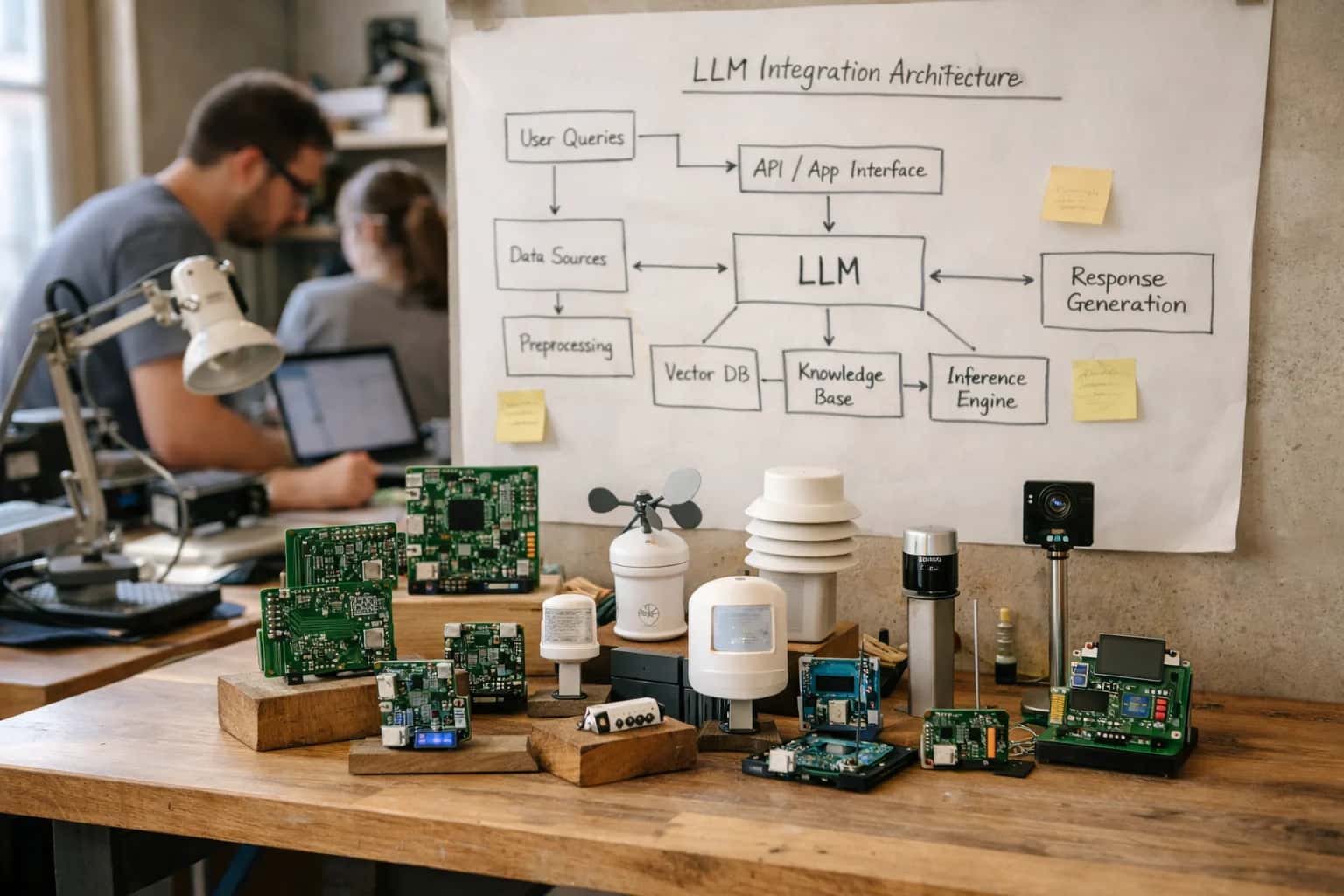
Where AI Fits in Dental Inventory Workflows
A practical blueprint for integrating AI into the supply chain of a dental practice, connecting directly to your Practice Management System (PMS) to automate ordering and track sterilization.
The high-impact workflow is automated purchase order generation. When stock for a high-turnover item like prophy paste dips below a dynamic threshold—calculated from usage rate and lead time—the system can draft a PO with the preferred vendor, route it for approval within the PMS, and even submit it via email or vendor portal. For instrument tracking, the AI can integrate with sterilization log modules or standalone CMMS platforms, using barcode scan data to enforce cycle counts, flag instruments due for maintenance, and generate sterilization batches based on the next day's scheduled procedures. The result is moving from weekly manual inventory checks to a just-in-time system that reduces stockouts and eliminates over-ordering of expired materials.
Rollout should start with a pilot on 2-3 high-cost, high-usage consumables. Governance is critical: the AI's purchase recommendations should flow into an existing approval workflow (e.g., office manager review in the PMS) with a clear audit trail. The system must respect practice-specific formularies and vendor contracts stored in the PMS data. For a scalable implementation, Inference Systems typically deploys a secure cloud service that uses OAuth or API keys to connect to your PMS, ensuring no patient health data (PHI) is processed—only procedural and inventory metadata—keeping the integration simple and HIPAA-compliant. This approach turns inventory from a reactive, manual task into a predictive, automated operation integrated directly with your practice's clinical rhythm.
Inventory Touchpoints in Your Dental PMS
Predicting Consumable Demand
The daily appointment schedule is the primary signal for inventory consumption. By integrating with the PMS schedule module, an AI system can analyze:
- Planned procedures (e.g., prophylaxis, composite filling, crown prep) to predict material kits.
- Provider preferences linked to operatory setups.
- Patient-specific notes indicating special needs (e.g., latex-free, specific cement brands).
This enables a just-in-time inventory model. For example, seeing 12 prophy appointments scheduled for Thursday triggers an automatic check of prophy paste, gloves, and sterilization pouches. The AI can generate a purchase requisition or alert staff to low stock levels before the day begins, preventing procedural delays.
High-Value AI Use Cases for Dental Inventory
Connect AI directly to your practice management system to automate stock monitoring, predict usage, and eliminate manual ordering tasks. These workflows turn inventory from a cost center into a data-driven, proactive operation.
Predictive Consumable Replenishment
AI analyzes the appointment schedule from your PMS (Dentrix, Eaglesoft, etc.) and historical procedure data to forecast usage of gloves, bibs, prophy paste, and anesthetic. It automatically generates purchase orders when stock dips below predicted thresholds, preventing costly last-minute orders.
Procedure-Driven Kit Assembly
For each scheduled procedure (e.g., crown prep, extraction), the AI reviews the clinical notes module and provider preferences to generate a setup list. It cross-references this with instrument sterilization cycles and consumable stock levels, alerting staff if any items are missing or due for maintenance.
Sterilization Cycle Tracking & Compliance
Integrates with instrument tracking barcodes or logs to monitor autoclave cycles. AI predicts instrument end-of-life based on manufacturer specs and usage frequency, generating work orders for repair or replacement. Automates compliance reporting for infection control audits.
Waste & Expiry Management
Scans inventory records for items approaching expiration (e.g., composite, bonding agents) and suggests clinical use in upcoming applicable procedures. Tracks regulated medical waste generation against schedule volume to optimize pickup schedules and reduce fees.
Multi-Location Inventory Orchestration
For DSOs and group practices, AI provides a centralized view of stock across all locations. It intelligently suggests transfers between offices to cover shortages, aggregates purchase data for better vendor pricing, and identifies usage pattern discrepancies by location or provider.
Vendor Performance & Cost Analysis
Continuously analyzes purchase order history, delivery times, and price fluctuations from integrated vendors. AI flags unreliable suppliers, suggests cost-saving alternatives for equivalent products, and can even draft negotiation briefs for practice managers based on spend data.
Example AI Automation Workflows
These concrete workflows illustrate how AI can be integrated with your dental practice management system (PMS) to automate supply chain operations, predict usage, and reduce stockouts or waste.
Trigger: A daily scheduled job runs after the last appointment.
Context/Data Pulled:
- The AI agent queries the PMS for the next 14 days of scheduled procedures, extracting the planned CDT codes.
- It checks current inventory levels for consumables linked to those procedures (e.g., composite, anesthetic, gloves, prophy paste) via the PMS's inventory module or a connected database.
- It pulls historical usage rates per procedure from past months.
Model/Agent Action: A predictive model calculates the expected consumption for each item, factoring in procedure volume and typical waste. The agent compares this against minimum stock thresholds and vendor lead times.
System Update/Next Step: The agent generates a draft purchase order in the PMS or an external procurement system, pre-filled with items, quantities, and preferred vendor. It routes the PO for a single-click approval by the office manager.
Human Review Point: The office manager reviews and approves the PO. The agent can flag any items with unusual predicted spikes for manual verification.
Implementation Architecture: Data Flow & APIs
A practical blueprint for integrating AI-driven inventory management with your dental practice management system.
The integration connects to your PMS's inventory and supply modules—often found in the back-office or purchasing sections of Dentrix, Eaglesoft, Open Dental, or Curve Dental. The AI agent acts as a middleware layer, consuming real-time data via REST APIs or scheduled database syncs for key objects: Procedure Schedule, Provider Production, Supply Item Master, and Purchase Order History. It uses this data to predict consumption of items like anesthetic carpules, composite resin, gloves, and sterilization pouches, generating a daily low-stock forecast that accounts for scheduled procedures, seasonal trends, and historical waste rates.
For automation, the system creates draft purchase orders within the PMS when thresholds are breached, pre-filled with vendor catalogs and optimal order quantities. It can also trigger sterilization cycle tracking workflows by linking instrument sets checked out in the schedule to autoclave logs, flagging overdue items. Implementation typically involves setting up a secure cloud service that polls the PMS API, runs prediction models, and posts recommendations back via webhook or a dedicated service account, all logged in the PMS audit trail for compliance. This reduces manual stock checks from hours to minutes and cuts down on last-minute rush orders.
Rollout starts with a pilot on 3-5 high-consumption items, using a human-in-the-loop approval step for the first 30 days to validate AI recommendations against manager intuition. Governance requires configuring RBAC so only authorized staff can approve automated POs and setting up alerting for prediction drift—ensuring the model adapts to changes like new procedure codes or suppliers. For practices using multiple locations (DSOs), the architecture supports a central AI engine with tenant-aware data isolation, providing consolidated purchasing insights while executing locally within each PMS instance. Explore our guide on AI Integration for Dental Back Office Automation for related workflow patterns.
Code & Payload Examples
Predicting Consumable Demand from the Schedule
An AI agent analyzes the upcoming day's schedule, extracting procedure codes (CDT) and provider notes. It cross-references a configured material matrix to predict usage for items like composite resin, anesthetic carpules, and sterilization pouches. This payload is sent to the inventory module to trigger low-stock alerts or draft purchase orders.
python# Example: Predict material usage from scheduled appointments import requests # 1. Query PMS for tomorrow's appointments schedule_payload = { "date": "2024-05-21", "location_id": "main_office" } schedule = requests.post( PMS_API_BASE + "/appointments/search", json=schedule_payload, headers={"Authorization": f"Bearer {API_KEY}"} ).json() # 2. For each appointment, extract procedure codes procedure_codes = [ apt["procedure_code"] for apt in schedule["appointments"] if apt.get("procedure_code") ] # 3. Call AI service for material prediction ai_prediction_payload = { "procedures": procedure_codes, "practice_id": "dental_practice_123", "model_version": "material_v1" } prediction = requests.post( AI_SERVICE_URL + "/inventory/predict-usage", json=ai_prediction_payload ).json() # prediction = { # "predicted_usage": [ # {"material_sku": "COMP-A2-0.5G", "quantity": 12}, # {"material_sku": "LIDO-2%-1.8ML", "quantity": 25} # ] # }
Realistic Time Savings & Operational Impact
How AI integration transforms manual, reactive inventory tasks into proactive, data-driven workflows within your dental practice management system.
| Metric | Before AI | After AI | Notes |
|---|---|---|---|
Consumable Reorder Trigger | Manual weekly count & guesswork | Automated prediction based on schedule & usage | Reduces stockouts and overstock of items like gloves, bibs, and anesthetic |
Purchase Order Creation | 30-45 minutes per order | <5 minutes for review & submission | AI drafts POs with preferred vendors; staff approves |
Instrument Sterilization Tracking | Paper logs or spreadsheet checks | Automated cycle monitoring & alerting | Flags overdue instruments, ensures compliance and readiness |
Expiry Date Monitoring | Visual checks during monthly audits | Proactive alerts 30 days before expiry | For materials like bonding agents and cements, reducing waste |
Supplier Price Comparison | Manual review of catalogs/emails | Automated analysis on reorder | Suggests cost-saving alternatives for non-brand-locked items |
Procedure-Specific Kit Preparation | Assistant checks schedule and pulls items | Daily prep list generated from PMS schedule | Ensures operatory is stocked for each specific procedure type |
Inventory Variance Reporting | Quarterly physical count & reconciliation | Continuous cycle counting with anomaly alerts | Identifies shrinkage or data entry errors in near real-time |
Budget vs. Actual Spend Analysis | End-of-month manual report generation | Real-time dashboard with forecasting | Provides visibility for office manager to control costs proactively |
Governance, Security & Phased Rollout
A secure, phased approach to integrating AI with your dental practice management system ensures operational stability and protects sensitive patient data.
Inventory AI integrations must operate within the strict access controls of your PMS (e.g., Dentrix, Eaglesoft). We architect connections to read-only views of key data objects: the appointment schedule (procedure codes, provider, duration), patient clinical records (allergies, medical alerts), and supply usage logs from sterilization tracking modules. AI agents never write directly to clinical charts; instead, they generate purchase order suggestions or low-stock alerts that route through existing approval workflows in your system, maintaining a clear audit trail.
A typical rollout follows three phases: 1) Data Connection & Baseline Analysis, where we establish a secure API/webhook link to a staging environment and analyze 3-6 months of historical procedure and supply data to calibrate prediction models. 2) Pilot Workflow Activation, enabling AI-driven purchase suggestions for a single operatory or high-volume consumable category (e.g., exam gloves, prophy paste), with all recommendations requiring manager approval before syncing to your PMS's vendor module. 3) Full Scale & Optimization, expanding to predict instrument sterilization cycles, automate reorder points for all consumables, and integrate with vendor portals for electronic PO submission.
Governance is built around role-based access and human-in-the-loop checkpoints. The AI system's predictions and automated actions are logged with user IDs and timestamps, visible within a dedicated dashboard or appended to the PMS's internal notes. This allows for continuous monitoring of accuracy (e.g., predicted vs. actual glove usage) and quick intervention. Security is enforced via encrypted data in transit, strict API key rotation, and ensuring all AI processing occurs in a HIPAA-compliant cloud environment, with no PHI stored in vector databases used for pattern recognition.
Enabling Efficiency, Speed & Accuracy
Intelligent Analysis, Decision & Execution
We build AI systems for teams that need search across company data, workflow automation across tools, or AI features inside products and internal software.
Talk to Us
Search across company data
Give teams answers from docs, tickets, runbooks, and product data with sources and permissions.
Useful when people spend too long searching or get different answers from different systems.

Automate internal workflows
Use AI to route work, draft outputs, trigger actions, and keep approvals and logs in place.
Useful when repetitive work moves across multiple tools and teams.

Add AI to products and internal tools
Build assistants, guided actions, or decision support into the software your team or customers already use.
Useful when AI needs to be part of the product, not a separate tool.
Frequently Asked Questions
Practical questions and workflow details for implementing AI-driven supply chain intelligence in dental practices using Dentrix, Eaglesoft, Open Dental, or Curve Dental data.
This workflow connects the PMS schedule to inventory levels to create a just-in-time ordering system.
- Trigger: A new appointment is booked or confirmed in the PMS (Dentrix, Eaglesoft, etc.).
- Context Pulled: The AI agent queries the PMS API for:
- Procedure codes (e.g., D1110, D2740)
- Provider assigned
- Patient age/characteristics (for items like child-sized prophy angles)
- Historical data on material usage for similar procedures by that provider.
- AI Action: A model maps procedure codes to a bill of materials (BOM). For example:
The system aggregates predicted usage across the upcoming 1-2 week schedule.json{ "procedure": "D1110", "estimated_consumables": [ {"item": "Prophy Paste (grit M)", "qty": 1}, {"item": "Disposable Prophy Angle", "qty": 1}, {"item": "Patient Bib", "qty": 1}, {"item": "Surface Disinfectant Wipes", "qty": 2} ] } - System Update: The predicted usage is compared against current stock levels in the inventory module. If stock for any item falls below a reorder threshold, a draft purchase order is generated or an alert is sent to the office manager.
- Human Review Point: The system flags any unusual predictions (e.g., a sudden 300% spike in composite resin) for manager approval before the PO is finalized, allowing for adjustment for known large cases.

About the author
Prasad Kumkar
CEO & MD, Inference Systems
Prasad Kumkar is the CEO & MD of Inference Systems and writes about AI systems architecture, LLM infrastructure, model serving, evaluation, and production deployment. Over 5+ years, he has worked across computer vision models, L5 autonomous vehicle systems, and LLM research, with a focus on taking complex AI ideas into real-world engineering systems.
His work and writing cover AI systems, large language models, AI agents, multimodal systems, autonomous systems, inference optimization, RAG, evaluation, and production AI engineering.
Partnered with leading AI, data, and software stack.





How We Work
Custom AI workflows for your Business
One-fit-all AI don't work for modern businesses. At Inferensys, we aim to understand your business & custom requirements; which we use to define most efficient agentic workflows, the data, and the tools for your business.
01
Review the use case
We understand the task, the users, and where AI can actually help.
Read more02
Pick the right approach
We define what needs search, automation, or product integration.
Read more03
Build the first useful version
We implement the part that proves the value first.
Read more04
Improve from there
We add the checks and visibility needed to keep it useful.
Read moreThe first call is a practical review of your use case and the right next step.
Talk to Us