The hygiene schedule in platforms like Dentrix, Eaglesoft, Open Dental, and Curve Dental is more than a calendar—it’s a complex matrix of provider skills, patient periodontal status, recall timing, and operatory availability. AI fits into this workflow by connecting to the PMS's appointment book API and patient chart data. It analyzes historical no-show rates, periodontal charting history (e.g., bleeding points, pocket depths), and provider preferences to intelligently suggest which patients to recall, which hygienist to assign them to, and the optimal appointment length. This moves scheduling from a reactive, manual task to a proactive, data-driven operation.

Integration
AI Integration for Dental Hygiene Scheduling
A technical guide to integrating AI with dental practice management software (Dentrix, Eaglesoft, Open Dental, Curve Dental) to optimize hygiene appointment books, considering provider skill, patient periodontal status, and recall timing.
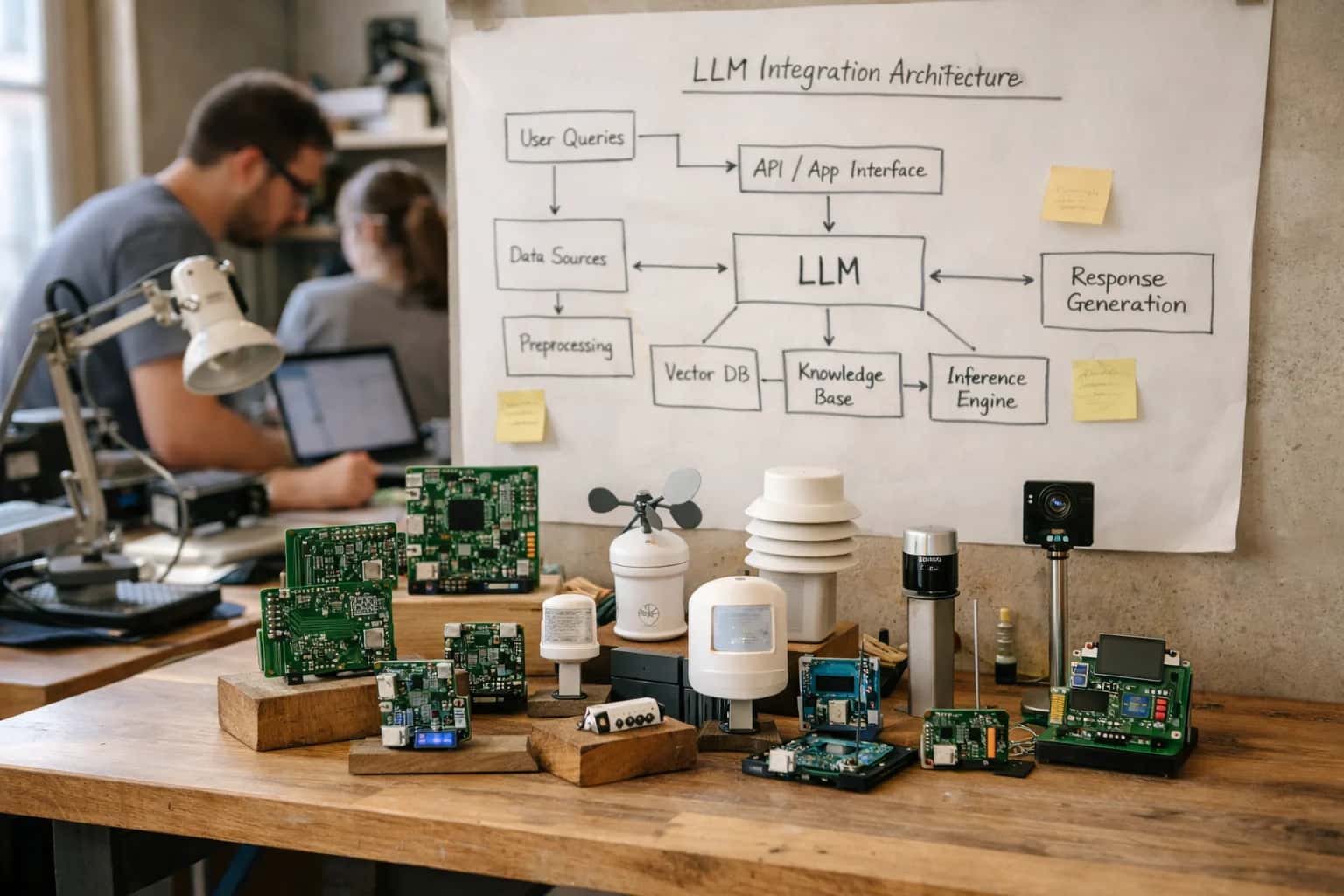
ARCHITECTURE
Where AI Fits in the Dental Hygiene Schedule
AI integration transforms the hygiene schedule from a static grid into a dynamic, patient-centric engine for productivity and care continuity.
Implementation typically involves a secure microservice that polls or receives webhooks for schedule changes and new patient visits. This service runs models that score each patient on recall urgency and procedure complexity, then suggests scheduling actions. For example, a patient with a history of moderate periodontitis might be flagged for a 90-minute appointment with a periodontal-focused hygienist, while a healthy maintenance patient is slotted into a standard 60-minute recall. These suggestions can be surfaced directly in the PMS interface via a sidebar widget or pushed to office managers via a daily digest, creating a closed-loop system that learns from booking outcomes.
Rollout requires a phased approach, starting with read-only analysis to build trust in the AI's recommendations before enabling write-back capabilities for automated rescheduling or waitlist management. Governance is critical: all recommendations must be logged with an audit trail, and a human-in-the-loop approval step should be maintained for schedule changes. This ensures the AI augments—not replaces—clinical judgment and front-desk expertise, ultimately maximizing hygiene column utilization while preserving the patient-provider relationship that is central to dental care.
AI INTEGRATION FOR DENTAL HYGIENE SCHEDULING
Connecting AI to Your Dental PMS
Core Scheduling Surfaces
AI connects directly to the appointment book API in your PMS (Dentrix, Eaglesoft, Open Dental, or Curve) to optimize the hygiene column. The primary targets are the Schedule Module and Provider Setup tables. AI analyzes historical data to understand:
- Average procedure times for prophylaxis, SRP, and perio maintenance.
- Provider skill levels and preferences.
- Required operatory turnover buffers.
The system then suggests optimal sequencing, flags potential double-booking conflicts, and recommends template adjustments to maximize daily production. This is executed via secure API calls that read the schedule and propose updates, which are presented to the scheduler for approval before being written back.
INTELLIGENT AUTOMATION FOR THE HYGIENE COLUMN
High-Value AI Use Cases for Hygiene Scheduling
Maximize hygiene productivity and patient care continuity by integrating AI directly with your practice management software. These workflows use patient history, provider skill, and recall timing to optimize scheduling and operations.
01
Predictive Recall & Reactivation
AI analyzes patient visit history, periodontal status, and past engagement to predict the optimal recall date and automatically trigger personalized reactivation campaigns. Integrates with the PMS recall module to update patient status and populate the hygiene schedule.
Batch → Real-time
Recall workflow
02
Intelligent Appointment Sequencing
Dynamically sequences hygiene appointments based on provider skill level, procedure complexity, and patient medical history. AI suggests the optimal order and buffer times, feeding directly into the PMS scheduling grid to reduce bottlenecks and overtime.
Hours → Minutes
Daily schedule optimization
03
No-Show Risk Scoring & Mitigation
A real-time model scores each scheduled hygiene appointment for no-show or late-cancellation risk based on historical attendance, appointment type, and time of day. High-risk appointments trigger automated, multi-channel confirmations or waitlist management via the PMS communication module.
Same day
Intervention lead time
04
Periodontal-Driven Time Blocking
AI reviews the patient's upcoming periodontal charting and maintenance history to recommend the precise time block needed. For a patient with stable gingivitis vs. active periodontitis, the system adjusts the scheduled duration in the PMS, ensuring accurate booking and adequate care time.
1 sprint
Implementation timeline
05
Hygienist Capacity & Skill Matching
Orchestrates the match between hygienist credentials, patient needs, and practice production goals. AI evaluates the schedule, suggesting which hygienist should see which patient (e.g., assigning perio maintenance to a specialist) to optimize care quality and practice revenue.
06
Automated Schedule Gap Filling
When a cancellation occurs, AI scans the patient waitlist and recall list to find the best-fit patient to fill the slot, considering procedure type, insurance, and travel time. Initiates a one-click rescheduling workflow within the PMS to fill the gap instantly.
Minutes
Gap fill time
IMPLEMENTATION PATTERNS
Example AI-Powered Hygiene Workflows
These workflows illustrate how AI can be integrated into the hygiene scheduling engine of your dental practice management system (Dentrix, Eaglesoft, Open Dental, Curve) to move from reactive booking to proactive, productivity-maximizing operations.
Trigger: A patient's recall due date passes without a scheduled appointment.
Context Pulled: The AI agent queries the PMS for:
- Patient's full history (last prophy, perio status, medical alerts, insurance details).
- Historical no-show/cancellation rate and preferred communication channel.
- Provider skill matrix (e.g., which hygienist is certified for SRP).
- Real-time hygiene column availability for the next 6 weeks.
Agent Action: The model evaluates the patient's periodontal risk and schedules a Prophy or Perio Maintenance appointment accordingly. It drafts a personalized message:
"Hi [Patient Name], our records show you're due for your cleaning. Based on your last visit, we've reserved a 60-minute Perio Maintenance appointment with [Hygienist Name], who is experienced with your care plan, on [Date] at [Time]. This aligns with your [Insurance Plan] benefits. Confirm, reschedule, or call us."
System Update: The appointment is tentatively booked in the PMS with a "Pending Patient Confirmation" status. An automated task is created for the front desk to follow up in 48 hours if no response.
Human Review Point: The front desk reviews all pending bookings daily. The system provides a reason code for each AI-suggested appointment type (e.g., "Perio Maintenance recommended due to history of 4-5mm pockets").
BUILDING A HYGIENE-SPECIFIC AI LAYER
Implementation Architecture & Data Flow
A production-ready AI integration for hygiene scheduling connects to your practice management system's data model to orchestrate appointments based on clinical context, not just calendar availability.
The integration is built on a secure middleware layer that polls or receives webhook events from your PMS (Dentrix, Eaglesoft, Open Dental, or Curve). Key data objects are synchronized to a vector-enabled operational datastore:
- Patient Records: Medical history, periodontal charting (pocket depths, BOP), last prophylaxis date, and planned recare interval.
- Provider Profiles: Hygienist credentials, skill certifications (e.g., periodontal therapy), preferred operatory, and historical production rates.
- Schedule Templates: Existing column structure, appointment types (prophy, SRP, perio maint), and procedure time mappings.
- Clinical Notes: Unstructured text from previous hygiene visits indicating patient comfort, compliance, and specific challenges.
An AI scheduling agent uses this enriched context to evaluate incoming booking requests or optimize the existing book. For a new patient booking for a 'prophy', the workflow is:
- Patient Context Retrieval: The agent queries the vector store for similar patient profiles based on periodontal status and history.
- Provider Matching: It scores available hygienists based on skill alignment (e.g., matches patients with moderate periodontitis to hygienists certified in SRP) and historical patient satisfaction.
- Slot Optimization: It evaluates open slots against the procedure's ideal duration (factoring in likely charting time for a complex case) and necessary turnover buffer.
- Proactive Recommendation: If the patient is overdue or at high risk, the agent can trigger a recall workflow or flag for a longer appointment in the PMS, preventing double-booking issues.
Rollout is phased, starting with a shadow mode where the AI suggests schedules to human schedulers, with all actions logged to an audit trail in the PMS. Governance is critical: the system operates under configurable business rules (e.g., never overbook a hygienist, respect patient-provider preferences) and includes a human-in-the-loop approval step for any schedule changes exceeding a confidence threshold. This ensures the AI augments—rather than disrupts—established clinical workflows and front-desk operations.
ARCHITECTURAL BLUEPRINTS
Code & Integration Patterns
Core Scheduling Data Model
The hygiene schedule is typically managed via a Schedule or Appointment API object. Key fields for AI optimization include:
provider_id(hygienist skill level, certifications)patient_id(links to periodontal chart, last recall date)procedure_code(D1110 prophylaxis vs. D4341 perio scaling)duration(block length, often needs adjustment based on patient status)operatory_id(room and equipment constraints)
Integration Pattern: Implement a webhook listener for appointment.created and appointment.updated events. Use this to trigger an AI agent that evaluates the booking against patient history and provider capacity, suggesting adjustments before confirmation.
python# Example: Webhook handler for schedule events from your_pms_sdk import DentalPMSClient def handle_appointment_webhook(event): appointment_data = event['data'] # Enrich with patient periodontal status from chart API patient_chart = pms_client.get_perio_chart(appointment_data['patient_id']) # Call AI service for scheduling recommendation recommendation = ai_client.evaluate_hygiene_booking( appointment=appointment_data, perio_status=patient_chart ) if recommendation['needs_adjustment']: # Suggest updated duration or provider via PMS API pms_client.suggest_schedule_update(appointment_data['id'], recommendation)
AI FOR HYGIENE COLUMN OPTIMIZATION
Realistic Time Savings & Operational Impact
How AI integration transforms manual hygiene scheduling tasks by analyzing patient history, provider skill, and recall timing to maximize productivity.
| Workflow | Before AI | After AI | Implementation Notes |
|---|---|---|---|
Recall Patient Identification | Manual report review (15-30 min/day) | Automated scoring & prioritization (2 min/day) | AI flags high-priority recalls based on perio status & lapse time |
Appointment Slot Matching | Trial-and-error across provider columns | Assisted matching for skill & procedure | Suggests optimal hygienist based on patient complexity & provider certification |
Patient Pre-Visit Outreach | Batch calls/emails (60-90 min/day) | Personalized, automated messaging sequences | Triggers SMS/email based on schedule, confirms medical updates & pre-appointment instructions |
No-Show Risk Mitigation | Reactive phone calls after cancellation | Proactive confirmation & waitlist automation | Scores no-show likelihood, triggers tailored reminders, auto-fills from waitlist |
Hygiene Production Forecasting | Manual estimation from past months | Predictive weekly output by provider | Models likely production based on booked mix, procedure times, and historical collection rates |
Periodontal Re-evaluation Scheduling | Manual chart review for due dates | Automated flagging & schedule block creation | Integrates with perio chart data to auto-create future SRP or maintenance appointments |
Operatory Turnover Coordination | Front desk verbal handoffs | AI-assisted turnover alerts & setup lists | Notifies assistant of upcoming procedure needs based on schedule, reducing downtime between patients |
IMPLEMENTING AI WITH CONTROL
Governance, Security & Phased Rollout
A secure, phased approach to integrating AI into your dental practice management system, ensuring compliance and maximizing hygiene productivity.
Integrating AI into your hygiene scheduling requires a secure, event-driven architecture. We recommend a middleware layer that listens for schedule changes via your PMS's API or database webhooks (e.g., a new appointment booked, a cancellation). This layer processes the event—checking the patient's periodontal status from their chart, evaluating the hygienist's skill set and current load, and analyzing recall timing—before returning an optimized suggestion or automated action back to the PMS. All data flows are encrypted in transit, and PHI is never persisted in long-term AI training logs without explicit de-identification and consent workflows.
A phased rollout is critical for adoption and risk management. Phase 1 focuses on a read-only 'copilot' mode: the AI analyzes the hygiene column and surfaces recommendations (e.g., "Consider moving this perio maintenance patient to a 90-minute slot") directly in the scheduler for staff review. Phase 2 introduces guarded automation for low-risk tasks, like sending personalized recall reminders or proposing template adjustments, with a mandatory human-in-the-loop approval step logged in the PMS audit trail. Phase 3 enables closed-loop automation for specific, high-confidence scenarios, such as auto-filling last-minute cancellations from a prioritized waitlist, with weekly reports for the Office Manager to review AI-driven decisions.
Governance is built around the PMS's native role-based access control (RBAC). The AI system inherits permissions from the integrating service account, ensuring it cannot access data or perform actions beyond what a front-desk supervisor is allowed to do. All AI-generated actions create an immutable audit log entry within the PMS, tagging the source as 'AI Agent' for complete traceability. Regular compliance checks validate that the AI's scheduling logic does not create discriminatory patterns and adheres to practice policies. This controlled, incremental approach de-risks the integration, builds team trust, and allows you to measure tangible impact on hygiene column utilization before scaling.
Enabling Efficiency, Speed & Accuracy
Intelligent Analysis, Decision & Execution
We build AI systems for teams that need search across company data, workflow automation across tools, or AI features inside products and internal software.
Talk to Us
Search across company data
Give teams answers from docs, tickets, runbooks, and product data with sources and permissions.
Useful when people spend too long searching or get different answers from different systems.
Enterprise searchRAGPermissions
Read more
Automate internal workflows
Use AI to route work, draft outputs, trigger actions, and keep approvals and logs in place.
Useful when repetitive work moves across multiple tools and teams.
AI agentsWorkflow automationGovernance
Read more
Add AI to products and internal tools
Build assistants, guided actions, or decision support into the software your team or customers already use.
Useful when AI needs to be part of the product, not a separate tool.
AI integrationDecision supportModel routing
Read moreAI INTEGRATION FOR DENTAL HYGIENE SCHEDULING
Frequently Asked Questions
Practical answers for practice owners, office managers, and IT leads evaluating AI to optimize the hygiene column, reduce gaps, and improve patient care continuity.
The AI agent analyzes multiple data points from your PMS to score and rank patients for a given opening. It typically follows this logic:
- Trigger: A hygiene appointment cancellation or a new opening is detected in the schedule (via API event or periodic sync).
- Context Pull: The agent queries the PMS for:
- Patients overdue for prophylaxis or periodontal maintenance (based on their last visit and recommended recall interval).
- Their periodontal status (health, gingivitis, periodontitis) to match appointment duration and provider skill.
- Historical no-show/cancellation rate.
- Preferred provider and time-of-day patterns.
- Outstanding treatment plans that might be discussed during the hygiene visit.
- Scoring & Ranking: A model weights these factors (e.g., overdue status is highest weight) to generate a prioritized call list.
- System Update: The ranked list is presented in a dashboard or pushed to the front desk's PMS interface. Some systems can trigger the first step of an automated outreach workflow.
Key Takeaway: It doesn't auto-book. It provides intelligence to the scheduler, turning a 30-minute search task into a 30-second decision.

About the author
Prasad Kumkar
CEO & MD, Inference Systems
Prasad Kumkar is the CEO & MD of Inference Systems and writes about AI systems architecture, LLM infrastructure, model serving, evaluation, and production deployment. Over 5+ years, he has worked across computer vision models, L5 autonomous vehicle systems, and LLM research, with a focus on taking complex AI ideas into real-world engineering systems.
His work and writing cover AI systems, large language models, AI agents, multimodal systems, autonomous systems, inference optimization, RAG, evaluation, and production AI engineering.
LinkedIn
Limited slotsGet a Free AI Consultation
Partnered with leading AI, data, and software stack.





How We Work
Custom AI workflows for your Business
One-fit-all AI don't work for modern businesses. At Inferensys, we aim to understand your business & custom requirements; which we use to define most efficient agentic workflows, the data, and the tools for your business.
01
Review the use case
We understand the task, the users, and where AI can actually help.
Read more02
Pick the right approach
We define what needs search, automation, or product integration.
Read more03
Build the first useful version
We implement the part that proves the value first.
Read more04
Improve from there
We add the checks and visibility needed to keep it useful.
Read moreThe first call is a practical review of your use case and the right next step.
Talk to Us