AI integration for wealth management on core banking platforms connects to three primary surfaces: the client portfolio record, the advisor workstation or CRM module, and the reporting and compliance engine. The goal is to augment, not replace, the core system's book of record. For example, in Temenos WealthSuite or Oracle FLEXCUBE's wealth modules, AI agents can be triggered by lifecycle events (e.g., a large deposit, a client login to review performance) to analyze the portfolio against market data and the client's profile stored in the core platform. This analysis—covering rebalancing signals, concentration risks, or tax-loss harvesting opportunities—is then presented as a draft note or alert within the advisor's workflow, ready for review and action. The core system remains the system of record for all transactions and holdings; AI acts as an intelligent layer that synthesizes data from the core ledger with external sources.

Integration
AI Integration for Core Banking Platforms in Wealth Management
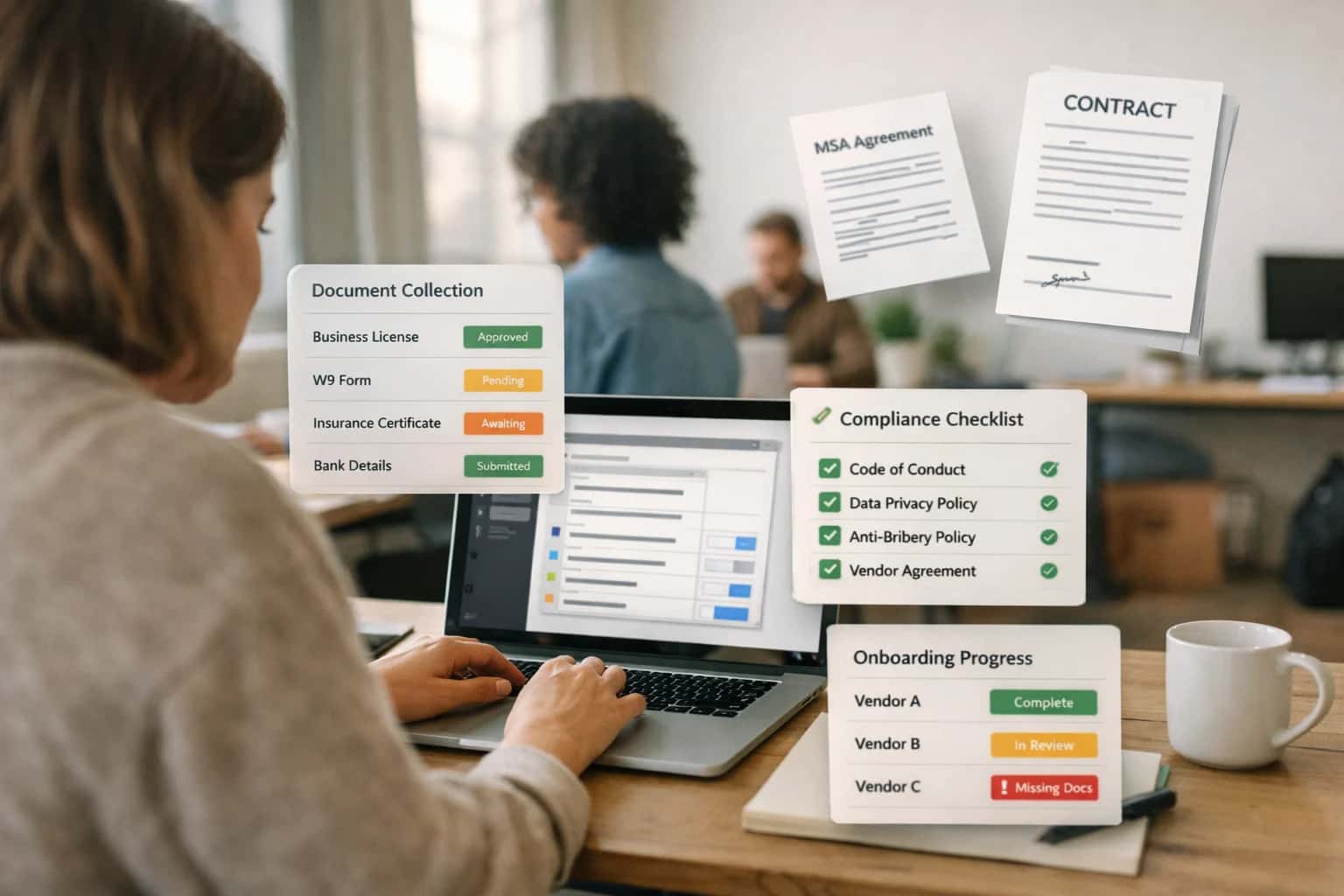
Where AI Fits in Wealth Management on Core Banking Platforms
A practical guide to integrating AI into the wealth management modules of Temenos, Mambu, Oracle FLEXCUBE, and Finacle for advisory automation and client service.
Implementation typically follows an event-driven pattern. A webhook from the core banking platform on a portfolio valuation run or a client interaction triggers an AI workflow. This workflow retrieves the necessary structured data (holdings, client risk score, investment objectives) via the platform's APIs—such as Temenos' T24 Transact APIs or Finacle's Open APIs. An AI service then processes this data, often enriched with real-time market feeds, through a Retrieval-Augmented Generation (RAG) system grounded in the firm's research and policy documents. The output—a concise insight or a draft client communication—is posted back to a dedicated AI Insights object or activity log within the advisor's console, maintaining a clear audit trail. This keeps the AI's suggestions contextual, traceable, and within the existing compliance and approval workflows of the wealth management platform.
Rollout requires careful governance. Start with a single, high-impact workflow like automated investment commentary generation for quarterly reviews. Pilot with a controlled group of advisors, ensuring all AI-generated content is flagged for human review before client dissemination. Integrate with the platform's existing entitlement and access controls to ensure insights are only visible to authorized advisors. A successful integration reduces the time advisors spend on data aggregation and report drafting from hours to minutes, allowing them to focus on high-touch client counsel and complex planning. The architecture must be designed for explainability, with the ability to trace any AI-generated recommendation back to the source data in the core banking platform for compliance and client trust.
AI Integration Surfaces by Core Banking Platform
Core Integration Points for Advisor Copilots
AI integration surfaces within wealth management modules focus on augmenting advisor workflows. Key surfaces include:
- Portfolio Analysis APIs: Pull current holdings, performance data, and asset allocation from the core banking platform's portfolio management engine. AI agents use this to generate pre-meeting briefings, rebalancing suggestions, and tax-loss harvesting opportunities.
- Client Profile & Goals Objects: Enrich static client profile records (risk tolerance, investment objectives, life events) with dynamic insights from transaction history and external data. This powers hyper-personalized investment policy statement (IPS) updates and goal-progress simulations.
- Order Management System (OMS) Hooks: Integrate with the OMS to provide AI-generated trade rationale, pre-trade compliance checks, and post-trade commentary for automated client reporting.
Implementation typically involves service accounts with appropriate entitlements to query portfolio data via REST APIs or direct database views, ensuring audit trails for all AI-generated recommendations.
High-Value AI Use Cases for Wealth Management
Integrating AI directly into the wealth management modules of platforms like Temenos, Oracle FLEXCUBE, and Finacle automates advisory workflows, enriches client interactions, and powers data-driven portfolio decisions. These patterns connect AI to the core banking ledger, customer master, and investment book of record.
Advisor Copilot for Client Meetings
An AI agent integrates with the core banking client profile and portfolio holding APIs to pre-populate meeting briefs. It analyzes recent transactions, life events from notes, and market movements to suggest talking points, risk tolerance checks, and rebalancing opportunities, turning prep from hours to minutes.
Automated Investment Commentary & Reporting
AI triggers on portfolio valuation batch jobs within the core system to generate personalized performance commentary. It synthesizes market data, benchmarks from the platform, and individual holding changes to draft quarterly reports and client communications, ensuring consistency and freeing up analyst capacity.
Proactive Portfolio Drift & Compliance Monitoring
AI models monitor the investment book of record in real-time via event streams. They detect drifts from model portfolios or mandate breaches (e.g., ESG criteria, sector limits) and automatically generate alerts and proposed trade tickets within the core banking order management workflow for advisor review.
Next-Best-Action for Client Servicing
Using the core banking client 360 view—including assets, liabilities, and transaction history—AI scores clients for cross-sell opportunities like trust services or liquidity solutions. It pushes actionable insights and scripted recommendations directly into the CRM or advisor dashboard, integrated via platform APIs.
Intelligent Document Processing for Onboarding
AI integrates at the point of account opening within the core platform's workflow engine. It extracts and validates data from scanned KYC documents, risk questionnaires, and transfer forms, populating client master records and compliance fields automatically, reducing manual entry and speeding up time-to-invest.
Research Synthesis & Market Intelligence
An AI agent connects to the core banking research repository and external data feeds. It summarizes earnings reports, central bank announcements, and geopolitical events, tagging relevant impacts to specific client portfolios or model strategies in the system, enabling advisors to act on concise, relevant intelligence.
Example AI-Enhanced Wealth Management Workflows
These workflows illustrate how AI agents and copilots can be integrated into the wealth management modules of core banking platforms like Temenos, Oracle FLEXCUBE, and Finacle. Each pattern connects to specific APIs, data objects, and user surfaces to automate high-touch, manual processes.
Trigger: Scheduled batch job (e.g., end-of-day) or a significant market movement event detected by the core banking platform's market data feed.
Context/Data Pulled:
- Client portfolio holdings, target asset allocation, and investment mandate from the
PortfolioandInvestment Policy Statementobjects. - Realized/unrealized gains from the
Transaction Ledger. - Current market prices and liquidity data from integrated feeds.
Model or Agent Action: An AI agent analyzes the drift from target allocation, considering:
- Tax implications of selling specific lots.
- Transaction costs and market impact.
- Client's recent cash flow needs (from
Cash Accounttransactions).
The agent generates a detailed rebalancing proposal with a net-benefit score.
System Update or Next Step:
The proposal, along with a plain-English rationale, is posted to the client's Activity record and creates a pending Trade Order task for the assigned advisor in the CRM/advice module.
Human Review Point:
The advisor reviews the proposal in their dashboard. A single click approves the trades, which are then sent to the core platform's Order Management System (OMS) API for execution. The agent can also be configured for straight-through processing for pre-authorized, rules-based mandates.
Implementation Architecture: Connecting AI to Core Banking Data
A practical blueprint for integrating AI into the wealth management modules of core banking platforms to automate advisory workflows and enhance client service.
AI integration for wealth management focuses on three primary surfaces within platforms like Temenos Infinity, Oracle FLEXCUBE Wealth, and Finacle Wealth Management: the client portfolio dashboard, the investment research repository, and the client reporting engine. The goal is to connect AI agents to the underlying data objects—such as portfolio_holdings, client_risk_profile, market_data_feeds, and advisor_notes—via the platform's REST APIs or direct database connectors. This allows AI to perform real-time portfolio analysis, synthesize research for specific client situations, and draft personalized performance commentary.
A typical implementation uses an event-driven architecture. For example, a nightly batch job in the core banking system exports updated portfolio data to a secure cloud storage layer. An AI orchestration service is triggered, running models for anomaly detection (e.g., unusual sector concentration), performance attribution analysis, and regulatory compliance checks (like PRIIPs or MiFID II). The results are written back to a portfolio_insights table or sent via webhook to the advisor's workspace within the core platform. For client interactions, a RAG (Retrieval-Augmented Generation) system is built atop the platform's document management module, enabling advisors to ask natural language questions like "Show me all research on sustainable energy ETFs for a moderate-risk client" and get grounded, cited answers.
Rollout requires careful governance. AI-generated insights and draft reports should be flagged as such within the platform's user interface, with clear audit trails linking outputs to source data and model versions. Implement a human-in-the-loop approval step for any AI-drafted client communication before it's sent, configured within the core banking system's existing workflow engine. Start with a pilot on non-discretionary advisory workflows, such as automated report generation for a segment of clients, measuring time saved per advisor and client satisfaction scores before scaling to discretionary portfolio recommendations.
Code and Payload Examples for Core Banking Integrations
AI-Driven Portfolio Insights
Integrate AI to analyze client portfolios, generate performance commentary, and trigger rebalancing alerts directly within the core banking platform's wealth management module. This typically involves querying the portfolio holding and transaction APIs, then using an LLM to synthesize insights.
Example Payload for Portfolio Data Retrieval:
json{ "client_id": "CUST-78910", "portfolio_id": "PORT-2024-001", "as_of_date": "2024-05-15", "data_points": [ "holdings", "transactions_last_90d", "performance_ytd", "benchmark_comparison" ] }
The AI service processes this data to generate a narrative summary, highlight concentration risks, and suggest talking points for the next advisor review, which is then posted back to the client's activity log.
Realistic Time Savings and Business Impact
How AI integration for core banking platforms accelerates advisory workflows, enhances client service, and reduces manual effort in wealth management operations.
| Workflow / Metric | Before AI Integration | After AI Integration | Implementation Notes |
|---|---|---|---|
Portfolio Performance Report Generation | Analyst compiles data manually (4-6 hours per report) | AI drafts report with analyst review (1-2 hours) | Pulls from core banking investment ledgers, market data APIs; human final approval required |
Client Meeting Preparation & Briefing | Advisor manually reviews history, recent transactions (1-2 hours) | AI generates meeting brief with key updates & talking points (15-30 mins) | Integrates with core banking client profile, portfolio, and interaction history |
Investment Research Synthesis | Manual search & summarization of market news, research notes (2-3 hours daily) | AI curates & summarizes relevant research based on client holdings (30 mins daily) | Connects to external data feeds; filters and prioritizes based on portfolio strategy |
Client Onboarding for Managed Accounts | Manual data entry, document collection, compliance checks (3-5 business days) | AI-assisted data extraction, pre-filled forms, automated checks (1-2 business days) | KYC/AML checks remain; AI reduces manual data handling from core banking forms |
Regular Portfolio Rebalancing Alerts | Scheduled manual review of drift against model portfolios (weekly) | AI monitors drift in real-time, generates actionable alerts with trade suggestions | Triggers based on core banking portfolio data; advisor approves all trades |
High-Net-Worth Client Service Inquiry Triage | Service team manually categorizes & routes requests (next-business-day response) | AI categorizes intent, retrieves client context, suggests resolution (same-day response) | Integrates with core banking service desk; escalates complex cases to senior advisors |
Wealth Plan Document Updates (e.g., Life Events) | Manual review and amendment of financial plans (5-8 hours) | AI suggests plan adjustments based on new data, drafts changes (2-3 hours) | Works within core banking financial planning module; requires certified planner sign-off |
Governance, Security, and Phased Rollout
A practical guide to deploying AI within the wealth management modules of core banking platforms with appropriate controls and a low-risk rollout.
Integrating AI into wealth management workflows requires a governance-first architecture that respects the sensitivity of client financial data and advisor discretion. This typically involves a secure middleware layer that sits between the core banking platform (e.g., Temenos WealthSuite, Oracle FLEXCUBE Wealth) and the AI services. Key design patterns include:
- API Gateways & Service Meshes: To authenticate, log, and rate-limit all AI tool calls to core banking APIs for portfolio data (
PORTFOLIO_HOLDINGS), client profiles (CLIENT_MASTER), and transaction history. - Prompt & Data Sanitization Pipelines: To strip Personally Identifiable Information (PII) from queries before sending to external LLMs, using predefined data masking rules for account numbers and client names.
- Audit Logging at the Workflow Level: Capturing which advisor requested an AI-generated portfolio analysis, the inputs provided, the model used, and the outputs returned for compliance review (
AUDIT_TRAIL).
A phased rollout is critical for adoption and risk management. Start with low-risk, high-impact workflows that augment rather than replace advisor judgment.
Phase 1: Read-Only Intelligence (Weeks 1-4)
- Deploy AI agents that synthesize market research and internal investment memos, presenting summaries within the advisor's dashboard. No write-backs to core systems.
- Implement a human-in-the-loop approval for any AI-generated client communication draft before it's sent via the core platform's messaging module.
Phase 2: Assisted Analysis & Drafting (Months 2-3)
- Integrate AI for automated performance attribution and tax-lot harvesting scenarios, pulling data from the core banking
SECURITIES_LEDGER. Outputs are saved as drafts for advisor review and manual posting. - Introduce anomaly detection on portfolio rebalancing alerts, flagging deviations from model portfolios or client mandates for advisor review.
Phase 3: Conditional Automation (Months 4-6)
- After establishing trust, enable automated generation of quarterly client report drafts by pulling performance data, market commentary, and pre-approved narrative templates. Advisors retain final edit and release control within the reporting module.
- Pilot AI-driven next-meeting agenda generation by analyzing recent client transactions and portfolio changes, creating a structured briefing note in the CRM module.
Security and model governance are non-negotiable. Ensure your integration includes:
- Role-Based Access Control (RBAC) Integration: AI tool access must respect the same entitlements defined in the core banking platform (e.g., an associate advisor cannot trigger high-net-worth client portfolio simulations).
- Model Versioning and Drift Monitoring: Track which version of your financial summarization or risk-scoring model was used for each analysis to support explainability and regulatory inquiries.
- Data Residency and Sovereignty: For global wealth managers, AI processing and vector embeddings of client documents must comply with regional data laws (e.g., GDPR, FINMA). This often dictates a hybrid or private cloud deployment for AI services.
- Regular Penetration Testing & Compliance Reviews: Treat the AI integration layer as a critical extension of the core banking platform's security perimeter, subject to the same third-party audits and vulnerability assessments.
By following this structured approach, you can deliver tangible productivity gains—like reducing report preparation from hours to minutes—while maintaining the fiduciary rigor and client trust that defines wealth management. For related architectural patterns, see our guides on AI Integration for Wealth Management Platforms and Secure API Management for Financial Services.
Enabling Efficiency, Speed & Accuracy
Intelligent Analysis, Decision & Execution
We build AI systems for teams that need search across company data, workflow automation across tools, or AI features inside products and internal software.
Talk to Us
Search across company data
Give teams answers from docs, tickets, runbooks, and product data with sources and permissions.
Useful when people spend too long searching or get different answers from different systems.

Automate internal workflows
Use AI to route work, draft outputs, trigger actions, and keep approvals and logs in place.
Useful when repetitive work moves across multiple tools and teams.

Add AI to products and internal tools
Build assistants, guided actions, or decision support into the software your team or customers already use.
Useful when AI needs to be part of the product, not a separate tool.
FAQ: AI Integration for Wealth Management on Core Platforms
Practical answers for integrating AI into the wealth management modules of Temenos, Mambu, Oracle FLEXCUBE, and Finacle. Focused on advisory workflows, portfolio intelligence, and client service automation.
AI integration requires a secure, governed data pipeline. The typical pattern involves:
- API-Based Data Extraction: Use core banking platform APIs (e.g., Temenos T24 Transact APIs, Oracle FLEXCUBE's REST services) to pull client portfolio holdings, transaction history, and performance data into a secure analytics environment. Never call AI models directly against the production core.
- Role-Based Access Control (RBAC): The integration must respect the platform's existing entitlements. AI queries should be executed under a service account with permissions scoped to the advisor's or team's book of business.
- Data Masking & PII Handling: For development and testing, use synthetic data or masked client identifiers. In production, ensure PII is not sent to external LLM endpoints unless using a private instance with strict data residency controls.
- Audit Trail: Log all data access and AI-generated insights back to the core platform's audit module, linking actions to specific user sessions and client records.
This architecture ensures compliance while enabling AI to analyze holdings for rebalancing suggestions, tax-loss harvesting, or concentration risk.

About the author
Prasad Kumkar
CEO & MD, Inference Systems
Prasad Kumkar is the CEO & MD of Inference Systems and writes about AI systems architecture, LLM infrastructure, model serving, evaluation, and production deployment. Over 5+ years, he has worked across computer vision models, L5 autonomous vehicle systems, and LLM research, with a focus on taking complex AI ideas into real-world engineering systems.
His work and writing cover AI systems, large language models, AI agents, multimodal systems, autonomous systems, inference optimization, RAG, evaluation, and production AI engineering.
Partnered with leading AI, data, and software stack.





How We Work
Custom AI workflows for your Business
One-fit-all AI don't work for modern businesses. At Inferensys, we aim to understand your business & custom requirements; which we use to define most efficient agentic workflows, the data, and the tools for your business.
01
Review the use case
We understand the task, the users, and where AI can actually help.
Read more02
Pick the right approach
We define what needs search, automation, or product integration.
Read more03
Build the first useful version
We implement the part that proves the value first.
Read more04
Improve from there
We add the checks and visibility needed to keep it useful.
Read moreThe first call is a practical review of your use case and the right next step.
Talk to Us