AI integration for IFRS 9 and CECL focuses on automating the data extraction, segmentation, and calculation workflows that feed the provisioning engine within your core banking platform. Instead of manual spreadsheet runs, AI agents can be triggered on a scheduled basis (e.g., month-end) to pull the required data—performing loan balances, historical default rates, forward-looking macroeconomic scenarios, and collateral valuations—from the core system's general ledger, customer master, and loan servicing modules. The AI's role is to prepare, validate, and transform this raw data into the structured inputs your ECL model requires, significantly reducing the manual data-wrangling that delays the financial close.

Integration
AI Integration for Core Banking Platforms in IFRS 9 / CECL
Automate IFRS 9 and CECL expected credit loss calculations, portfolio segmentation, and regulatory disclosures by integrating AI with Temenos, Mambu, Oracle FLEXCUBE, and Finacle core banking platforms.
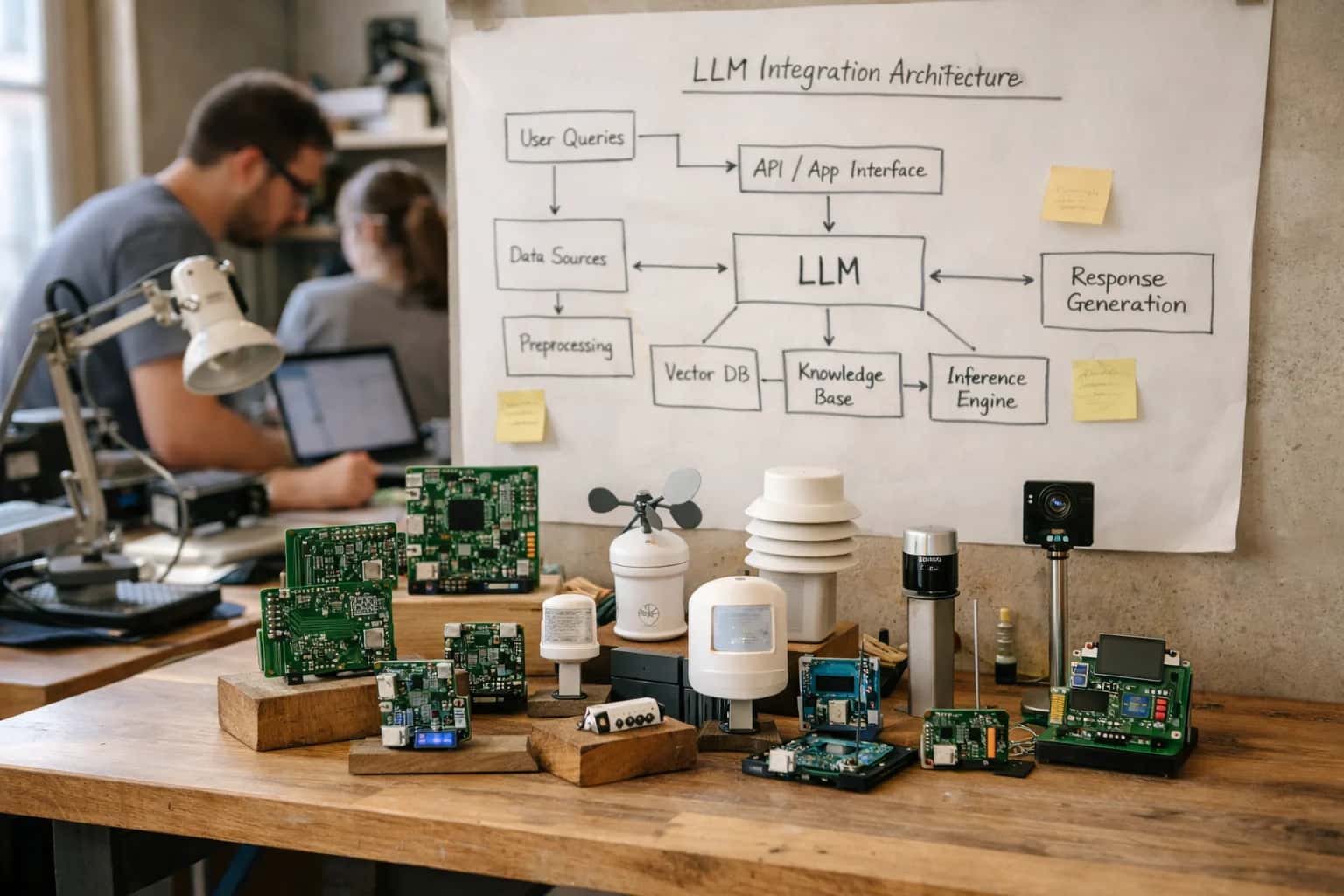
AUTOMATING EXPECTED CREDIT LOSS PROVISIONING
Where AI Fits in IFRS 9 and CECL Compliance
Integrating AI into core banking platforms like Temenos, Oracle FLEXCUBE, and Finacle to automate and enhance IFRS 9 / CECL expected credit loss (ECL) calculations, portfolio segmentation, and disclosure workflows.
The high-value implementation is in dynamic portfolio segmentation and scenario weighting. An AI model, deployed as a microservice, can continuously analyze loan portfolios (residential mortgages, SME loans, credit cards) to identify subtle shifts in risk characteristics that warrant re-segmentation, going beyond static regulatory buckets. It can also ingest real-time economic indicators to adjust the probability-weighted scenarios (base, upside, downside) used in the ECL calculation, making provisions more responsive to current conditions. This process typically involves writing adjusted segmentation flags and scenario weights back to designated fields in the core banking system's risk or provisioning tables, creating a clear audit trail for model governance and regulatory review.
For rollout, we architect a governed pipeline that sits alongside the core platform. Raw data is extracted via secure APIs or from a dedicated reporting database, processed through the AI segmentation and scenario service, and the results are pushed into a staging area. A human-in-the-loop approval step is configured within the bank's existing workflow tool (or the core system's BPM) for the finance team to review material changes before the final ECL journal entries are posted to the general ledger. This approach keeps the core system as the system of record while adding intelligent automation to the most labor-intensive and judgment-heavy parts of the compliance process. For a deeper look at automating financial compliance reports, see our guide on AI Integration for Core Banking Platforms in Compliance Reporting.
IFRS 9 / CECL
Core Banking Platform Touchpoints for AI Integration
Sourcing Inputs for ECL Models
AI integration begins by programmatically extracting and structuring the granular loan-level data required for Expected Credit Loss (ECL) calculations. This involves connecting to core banking modules like the Loan Management System (LMS) and General Ledger (GL) to pull:
- Contractual cash flows and remaining maturity.
- Historical payment performance and arrears status.
- Collateral valuations and security details.
- Customer risk ratings and internal credit scores.
AI agents can automate the segmentation of the loan portfolio into Stage 1, 2, and 3 buckets per IFRS 9, using criteria like significant increase in credit risk (SICR). This requires continuous monitoring of triggers defined in the core system, such as days past due or covenant breaches, and updating segment flags via API.
python# Example: Fetching loan portfolio data for segmentation loan_data = core_banking_api.get_loans( fields=['id', 'outstanding_amt', 'dpd', 'risk_rating', 'product_code'], filters={'status': 'ACTIVE'} ) # AI model predicts SICR and assigns IFRS 9 stage loan_data['ifrs9_stage'] = credit_risk_model.predict_stage(loan_data) # Post updated stage back to core banking core_banking_api.update_loan_stage(loan_data[['id', 'ifrs9_stage']])
AUTOMATING EXPECTED CREDIT LOSS PROVISIONING
High-Value AI Use Cases for IFRS 9 and CECL
Integrate AI directly into your core banking platform to automate data extraction, portfolio segmentation, and forward-looking ECL calculations, reducing manual effort and improving the accuracy of your credit loss reserves.
01
Automated Data Extraction for ECL Inputs
Use AI to extract and validate loan-level data (PD, LGD, EAD) from unstructured documents like financial statements, covenants, and collateral reports stored in your core banking system. Automatically updates the customer master and loan contract records, ensuring models have clean, timely inputs.
Days -> Hours
Data preparation
02
Dynamic Portfolio Segmentation & Staging
Deploy AI models that continuously analyze payment behavior, covenant breaches, and macroeconomic indicators from core banking transaction feeds. Automatically re-stage loans from Stage 1 to Stage 2 or 3 based on significant increase in credit risk (SICR), triggering the correct ECL calculation methodology.
Batch -> Real-time
Risk monitoring
03
Forward-Looking Scenario Generation
Integrate an AI agent with your core banking general ledger and portfolio data to generate multiple, plausible forward-looking economic scenarios. Automatically weights scenarios and applies them to loan-level cash flow projections, moving beyond simple historical averaging for more robust ECL estimates.
04
Collateral Valuation & LGD Estimation
Connect AI to core banking collateral management modules and external data sources. Automatically revalue property, inventory, or equipment collateral using market feeds and image analysis. Provides dynamic, loan-specific Loss Given Default (LGD) estimates for more precise ECL calculations.
Quarterly -> Monthly
Valuation frequency
05
Disclosure Workflow Automation
Orchestrate an AI workflow that pulls finalized ECL figures, segment data, and methodology notes from the core banking reporting layer. Automatically drafts the narrative disclosures for the financial statements and populates quantitative disclosure tables, ready for finance team review and audit.
1-2 Weeks
Disclosure prep time
06
Model Risk Monitoring & Backtesting
Implement an AI governance layer that continuously monitors the performance of your ECL models against actual defaults and losses recorded in the core banking credit ledger. Flags model drift, recommends recalibration, and maintains an audit trail for model risk management (MRM) and regulatory review.
AUTOMATED PROVISIONING & DISCLOSURE
Example AI-Powered IFRS 9/CECL Workflows
These workflows illustrate how AI agents and models can integrate with Temenos, Mambu, Oracle FLEXCUBE, or Finacle to automate ECL calculations, portfolio segmentation, and regulatory reporting. Each flow is triggered by core banking data changes and executes a series of steps, often with a human review point for model governance.
Trigger: A loan payment is 30 days past due, recorded in the core banking platform's delinquency status field.
Context/Data Pulled: An AI agent, via API, retrieves the full loan record (customer ID, original amount, remaining term, collateral details) and the last 12 months of payment history from the core system.
Model/Agent Action:
- The agent passes the loan data and payment history to a classification model to assess the significant increase in credit risk (SICR).
- Based on the model's output and predefined policy rules (e.g., days past due + behavioral score), the agent determines the loan should move from Stage 1 to Stage 2.
- The agent triggers a new, forward-looking ECL calculation for the loan using updated probability of default (PD), loss given default (LGD), and exposure at default (EAD) parameters, factoring in macroeconomic scenarios.
System Update:
- The agent posts an update to the core banking loan record, setting the new IFRS 9 stage (e.g.,
stage = 2). - It creates a journal entry draft for the incremental ECL provision, posting to the appropriate general ledger suspense account for review.
Human Review Point: The stage transfer decision and the calculated ECL journal entry are logged in a governance dashboard. A credit risk analyst must review and approve the stage change and provision amount before it is finalized in the general ledger.
IFRS 9 / CECL AUTOMATION
Implementation Architecture: Data Flow and Integration Patterns
A practical blueprint for integrating AI into core banking platforms to automate Expected Credit Loss (ECL) calculations and regulatory disclosures.
An AI integration for IFRS 9 or CECL provisions is built on a data extraction, enrichment, and calculation pipeline that connects to the core banking platform's general ledger, loan master, and historical default data. The typical pattern involves:
- Batch Data Pulls: Scheduled extraction of loan portfolios, customer risk ratings, collateral details, and macroeconomic scenarios from core tables (e.g.,
LOAN_MASTER,CUSTOMER_RISK,ECONOMIC_FACTORS). - Real-time Event Triggers: Webhooks or event listeners for significant events like rating downgrades, payment delinquencies, or covenant breaches that require an immediate ECL re-calculation for specific exposures.
- Enrichment Layer: An AI service that augments core banking data with external signals (e.g., industry stress scores, geospatial risk data) to improve forward-looking estimates.
The core AI logic—segmenting portfolios, calculating Probability of Default (PD), Loss Given Default (LGD), and Exposure at Default (EAD)—runs in a separate, governed service layer. This architecture ensures the core banking platform's transactional integrity while enabling advanced modeling. Key integration points include:
- API-based Calculation Calls: The AI service receives portfolio snapshots via secure APIs, runs models, and posts results back to a dedicated
PROVISION_CALCULATIONtable or staging area within the core platform. - Audit Trail Synchronization: Every AI-driven calculation is logged with a unique trace ID, model version, and input data hash, which is written back to the core banking audit log for compliance and model risk management.
- Disclosure Workflow Triggers: Calculated ECL figures automatically populate pre-configured report templates (e.g.,
IFRS9_DISCLOSURE_WORKBENCH) and trigger approval workflows within the core system's financial close module.
Rollout and governance are critical. A phased implementation starts with a parallel run for a single product portfolio (e.g., corporate loans), comparing AI-generated provisions against existing manual or rule-based calculations. Governance is enforced through:
- Model Risk Management Integration: The AI service's model cards, performance metrics, and drift alerts feed into the bank's existing MRM platform, ensuring validation and ongoing monitoring.
- Human-in-the-Loop Gates: For material exposures or high-volatility scenarios, the system flags recommendations for manual review by credit risk analysts before final posting to the general ledger.
- Explainability Reports: For each material provision, the system generates a plain-language summary of key drivers (e.g., "ECL increased by 15% due to deteriorating sector outlook and increased PD for Segment B") attached to the core banking record, supporting auditor and regulator reviews.
IFRS 9 / CECL WORKFLOWS
Code and Payload Examples
Segmenting Loan Portfolios for ECL
AI models for IFRS 9 require granular segmentation based on risk characteristics. This typically involves querying the core banking system for loan-level data, then clustering accounts into stages (1, 2, 3). A common first step is to retrieve the necessary portfolio snapshot.
Example SQL Query (Pseudocode for Core Banking Data Warehouse):
sqlSELECT loan_id, product_type, remaining_term, current_balance, arrears_status, risk_rating, collateral_value, date_of_origination FROM core_loan_portfolio WHERE reporting_date = '2024-03-31' AND status IN ('ACTIVE', 'NON-ACCURAL');
This dataset feeds into an AI clustering service to dynamically assign stage classification, moving beyond static rule-based buckets.
IFRS 9 / CECL PROVISIONING WORKFLOWS
Realistic Time Savings and Operational Impact
How AI integration for IFRS 9 and CECL expected credit loss (ECL) calculations impacts key provisioning and reporting workflows by connecting to core banking loan data.
| Metric | Before AI | After AI | Notes |
|---|---|---|---|
Portfolio segmentation & staging | Manual rule-based SQL queries, spreadsheets | AI-assisted clustering & probability-of-default (PD) analysis | Automates initial segmentation; final staging requires model validation sign-off |
Data validation for ECL calculation | Sample-based manual checks for missing fields | Automated anomaly detection across entire loan book | Flags data gaps in collateral values or payment history for remediation |
Macroeconomic scenario application | Manual overlay of external forecasts to portfolio | Automated scenario weighting & impact simulation | Reduces errors in applying multiple regulatory scenarios (base, upside, downside) |
ECL calculation run time | Overnight batch jobs (8-12 hours) | Near-real-time incremental updates (1-2 hours) | Enables more frequent what-if analysis without full batch runs |
Disclosure note drafting | Manual compilation from multiple reports | AI-assisted summarization of key drivers & movements | First draft generated; legal and finance review required for final sign-off |
Audit evidence preparation | Manual gathering of supporting documents | Automated lineage & documentation of data inputs and model outputs | Creates an audit trail for model inputs, segmentation logic, and calculation parameters |
Model monitoring & validation | Quarterly back-testing with significant manual effort | Continuous monitoring for drift in PD, LGD, and EAD parameters | Alerts model risk teams to deviations requiring investigation or re-calibration |
CONTROLLED IMPLEMENTATION FOR FINANCIAL REPORTING
Governance, Audit, and Phased Rollout
A structured approach to integrating AI into IFRS 9 and CECL workflows ensures accuracy, auditability, and controlled adoption.
Integrating AI for Expected Credit Loss (ECL) calculations requires a governance-first architecture. This typically involves creating a dedicated AI calculation service that pulls segmented portfolio data (e.g., performing vs. stage 2/3 loans, PD/LGD/EAD parameters) from the core banking platform's credit risk or general ledger modules. The service executes AI models for forward-looking macroeconomic scenario weighting, lifetime loss forecasting, or segment reclassification, then posts the resulting provision amounts back to the core system's regulatory ledger or provisioning sub-ledger. All data lineage—source records, model version, input parameters, and output journals—must be logged to an immutable audit trail linked to the financial close cycle.
A phased rollout is critical for risk management and user adoption. A common pattern is: Phase 1 (Parallel Run): AI-generated ECL estimates run in a sandbox environment, with results compared against existing methodology outputs for a subset of portfolios (e.g., retail unsecured loans). Phase 2 (Assisted Calculation): Analysts in the finance or credit risk team use the AI tool as a copilot within their existing workflow, reviewing and overriding model suggestions before final submission to the core banking ledger. Phase 3 (Automated Posting): For pre-approved segments and scenarios, the AI service automatically generates and posts provision entries, flagging only high-variance exceptions for human review. This gradual approach builds trust in the model's outputs and surfaces integration issues with the core platform's batch posting schedules.
Governance controls must be embedded into the integration. This includes RBAC (Role-Based Access Control) synced with the core banking system to ensure only authorized credit officers or financial controllers can approve model outputs, prompt and model version management to track changes in AI logic affecting financial statements, and drift detection monitors that alert if input data distributions from the core system shift significantly. The entire workflow, from data extraction to ledger postings, should be designed to support external audit requests, providing clear evidence of model rationale, data inputs, and approval steps for regulatory scrutiny.
Enabling Efficiency, Speed & Accuracy
Intelligent Analysis, Decision & Execution
We build AI systems for teams that need search across company data, workflow automation across tools, or AI features inside products and internal software.
Talk to Us
Search across company data
Give teams answers from docs, tickets, runbooks, and product data with sources and permissions.
Useful when people spend too long searching or get different answers from different systems.
Enterprise searchRAGPermissions
Read more
Automate internal workflows
Use AI to route work, draft outputs, trigger actions, and keep approvals and logs in place.
Useful when repetitive work moves across multiple tools and teams.
AI agentsWorkflow automationGovernance
Read more
Add AI to products and internal tools
Build assistants, guided actions, or decision support into the software your team or customers already use.
Useful when AI needs to be part of the product, not a separate tool.
AI integrationDecision supportModel routing
Read moreAI FOR IFRS 9 & CECL
Frequently Asked Questions
Practical questions about integrating AI into core banking platforms to automate Expected Credit Loss (ECL) calculations, portfolio segmentation, and regulatory disclosures for IFRS 9 and CECL compliance.
AI integration for ECL typically involves a multi-step data pipeline that extracts, transforms, and enriches data from your core banking platform's loan ledger and customer master.
Typical Architecture:
- Data Extraction: Scheduled jobs or event listeners pull key data fields from core banking tables (e.g., loan balances, remaining term, payment history, customer risk ratings, collateral details, covenant status).
- External Data Enrichment: The pipeline appends external macroeconomic indicators (GDP, unemployment rates) and sector-specific risk data via APIs.
- Feature Engineering: An AI service creates model-ready features, such as calculating payment-to-income ratios or detecting patterns of delinquency.
- Model Execution: The enriched dataset is passed to AI models for Probability of Default (PD), Loss Given Default (LGD), and Exposure at Default (EAD) calculations.
- Results Posting: Calculated ECL provisions are formatted and posted back to designated general ledger accounts or provisioning systems via secure APIs, with a full audit trail.
This approach keeps the core banking system as the system of record while moving complex analytical workloads to a dedicated AI layer. See our guide on Data Integration and ETL Platforms for more on building these pipelines.

About the author
Prasad Kumkar
CEO & MD, Inference Systems
Prasad Kumkar is the CEO & MD of Inference Systems and writes about AI systems architecture, LLM infrastructure, model serving, evaluation, and production deployment. Over 5+ years, he has worked across computer vision models, L5 autonomous vehicle systems, and LLM research, with a focus on taking complex AI ideas into real-world engineering systems.
His work and writing cover AI systems, large language models, AI agents, multimodal systems, autonomous systems, inference optimization, RAG, evaluation, and production AI engineering.
LinkedIn
Limited slotsGet a Free AI Consultation
Partnered with leading AI, data, and software stack.





How We Work
Custom AI workflows for your Business
One-fit-all AI don't work for modern businesses. At Inferensys, we aim to understand your business & custom requirements; which we use to define most efficient agentic workflows, the data, and the tools for your business.
01
Review the use case
We understand the task, the users, and where AI can actually help.
Read more02
Pick the right approach
We define what needs search, automation, or product integration.
Read more03
Build the first useful version
We implement the part that proves the value first.
Read more04
Improve from there
We add the checks and visibility needed to keep it useful.
Read moreThe first call is a practical review of your use case and the right next step.
Talk to Us