The integration connects to CTMS APIs—such as those in Veeva Vault CTMS, Oracle Clinical One, or Medidata Rave—to pull real-time data objects: site enrollment rates, query backlog, protocol deviation counts, patient screening logs, and monitoring visit completion status. This data is aggregated into a unified scoring engine that weights factors based on the study's risk profile, generating a dynamic performance score for each site. The score is then written back to a custom object or dashboard within the CTMS, often via a webhook or REST API, making it actionable for Clinical Research Associates (CRAs) and study managers.

Integration
AI Integration for Clinical Trial Site Performance Scoring
Build AI-driven site performance scores by aggregating CTMS data on enrollment, query rates, and protocol compliance to guide monitoring resource allocation and site support strategies.
ARCHITECTURE AND ROLLOUT
Where AI Fits into Site Performance Management
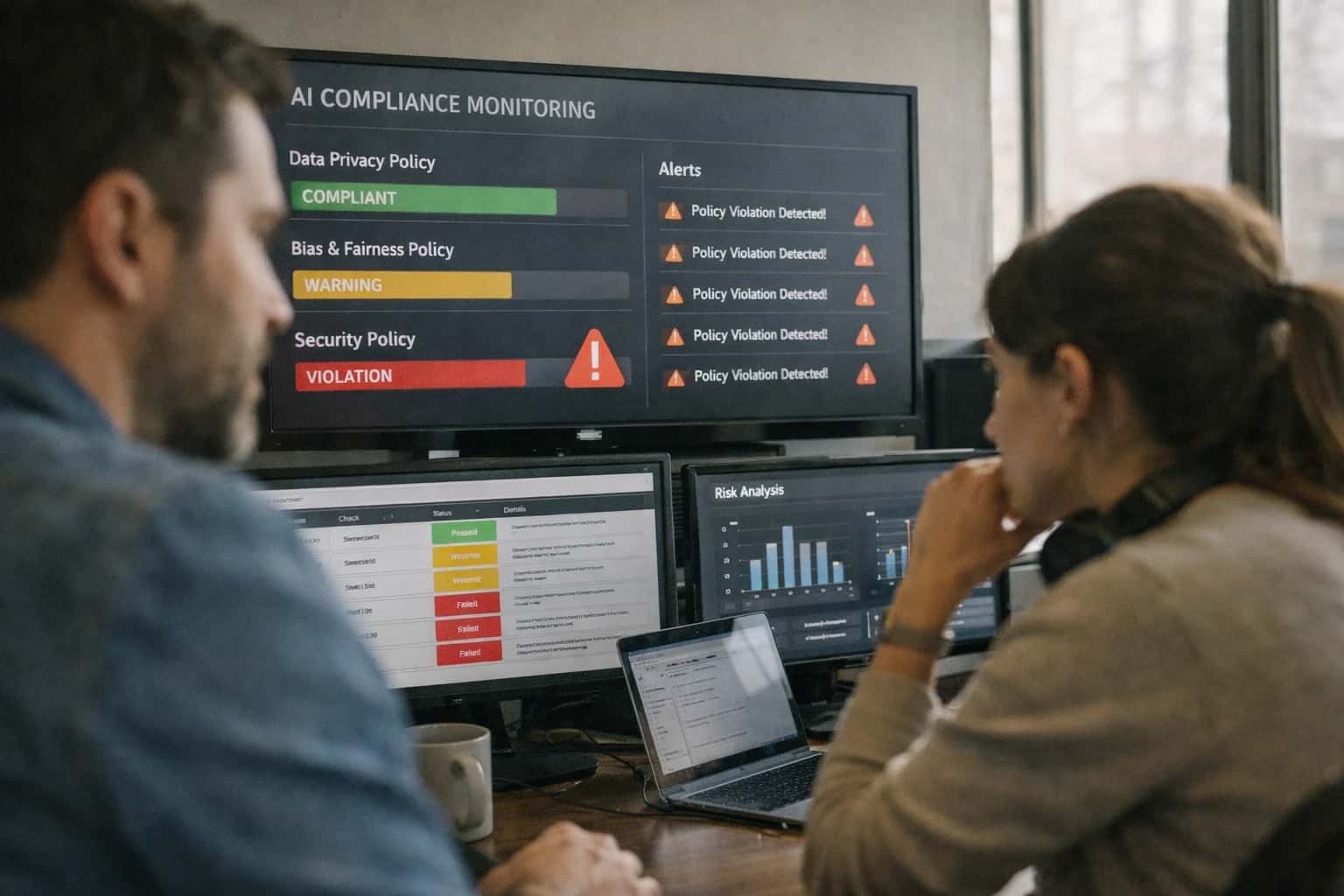
Integrating AI for site performance scoring requires connecting to CTMS data streams and orchestrating a closed-loop workflow for monitoring teams.
Implementation typically involves a scheduled batch job (e.g., nightly) that extracts, transforms, and loads the raw CTMS data into a vector-enabled data store for analysis. An AI agent evaluates the aggregated metrics against historical benchmarks and protocol-specific thresholds to produce a score and a prioritized list of risk factors. High-priority alerts—like a site's enrollment dropping 30% below forecast—can trigger automated workflows, such as creating a corrective action task in the CTMS for the assigned CRA or sending a summary to a central monitoring dashboard for review. This creates a feedback loop where the score influences resource allocation, guiding which sites need an additional monitoring visit versus which are performing optimally.
Rollout should be phased, starting with a pilot study to calibrate the scoring model's weights against actual monitoring outcomes. Governance is critical: scores should be audit-logged with explanations (e.g., "score decreased due to increased query aging") to ensure transparency. Access to the scoring dashboard should follow the CTMS's existing RBAC model, typically granting view access to study managers and CRAs, with edit permissions reserved for data stewards. This approach turns static CTMS reports into a proactive, AI-driven command center for site management, helping teams move from reactive firefighting to predictive support. For related patterns, see our guides on AI Integration for Clinical Trial Risk-Based Monitoring and AI Integration for Clinical Trial Centralized Monitoring.
SITE PERFORMANCE SCORING
CTMS Modules and Data Surfaces for AI Integration
Site Profile and Feasibility Data
AI-driven site scoring begins with the foundational data in the CTMS Site Management module. This includes structured profiles with historical performance metrics, investigator qualifications, and regulatory document status. For scoring models, key data surfaces are:
- Historical Enrollment Rates: Past performance on similar protocols, often stored as custom objects or linked study records.
- Feasibility Questionnaire Responses: Unstructured text and scored responses from site selection surveys.
- Activation Timeline Data: Dates for regulatory submissions, contract execution, and IRB approvals, used to predict future speed.
An AI agent can continuously ingest this data via CTMS REST APIs (e.g., Veeva Vault Query API, Oracle Clinical One Site API) to calculate a baseline 'capability score.' This score informs initial site tiering for monitoring resource allocation before the first patient is enrolled.
CLINICAL TRIAL MANAGEMENT PLATFORMS
High-Value Use Cases for AI Site Scoring
AI-driven site performance scoring transforms CTMS data into actionable intelligence, enabling proactive resource allocation and targeted site support. These use cases integrate directly with platforms like Veeva Vault CTMS, Medidata Rave, and Oracle Clinical One to automate scoring workflows.
01
Enrollment Velocity & Feasibility Scoring
Automatically score sites based on real-time enrollment rates against protocol targets, historical performance, and patient population data. Integrates with CTMS enrollment modules to flag at-risk sites for additional recruitment support or feasibility reassessment.
Batch -> Real-time
Scoring cadence
02
Data Quality & Query Rate Scoring
Generate a composite data quality score by analyzing query rates, resolution times, and protocol deviation trends from EDC systems like Medidata Rave. Routes high-priority data issues to monitors and triggers corrective action plans for low-scoring sites.
1 sprint
Time to insight
03
Monitoring Resource Allocation Engine
Dynamically allocate Clinical Research Associate (CRA) visits and central monitoring effort based on AI-calculated site risk scores. Pulls data from CTMS visit reports and EDC to prioritize high-risk sites, optimizing travel budgets and monitoring efficiency.
Hours -> Minutes
Planning cycle
04
Site Activation & Startup Readiness Scoring
Score site activation potential by analyzing feasibility questionnaire responses, regulatory document submission status, and historical activation timelines in study startup platforms. Predicts activation delays and recommends mitigation steps for study managers.
Same day
Readiness assessment
05
Financial & Contract Performance Scoring
Assess site financial performance by correlating patient visit completion, invoice accuracy, and grant payment timelines from CTMS financial modules. Flags sites for payment reconciliation issues or budget overruns, automating alerts to clinical operations finance.
Batch -> Real-time
Oversight mode
06
Protocol Compliance & Training Adherence Scoring
Continuously score sites on protocol amendment comprehension, training completion rates, and key procedure adherence. Integrates with CTMS training portals and EDC data to identify sites needing re-training, reducing protocol deviation risks.
Hours -> Minutes
Compliance check
SITE PERFORMANCE OPERATIONS
Example AI Scoring Workflows and Automation Triggers
These workflows illustrate how AI-driven scoring integrates with CTMS data to automate monitoring prioritization, site support, and resource allocation. Each flow is triggered by CTMS events and updates scores in near real-time.
Trigger: A Clinical Research Associate (CRA) submits a monitoring visit report in Veeva Vault CTMS, marking the visit as complete.
Context Pulled: The AI agent retrieves:
- Site's last 30-day enrollment figures vs. target.
- Screen failure rates and reasons from the EDC (e.g., Medidata Rave).
- Historical enrollment trend from the CTMS data warehouse.
- Protocol complexity score (pre-loaded).
Agent Action: A model calculates a new Enrollment Velocity Score (0-100), weighing recent performance most heavily. It generates a brief narrative: "Site 101 enrolled 5 patients vs. target of 8. Primary screen failure reason: lab values out of range. Velocity score decreased from 85 to 72."
System Update: The new score and narrative are posted via CTMS API to:
- The site's performance dashboard in the CTMS.
- The CRA's task list, flagging if the score dropped below a threshold (e.g., 70).
- A centralized monitoring report for the study manager.
Human Review Point: The CRA and study manager review the score change and narrative. The system can suggest a follow-up call if the score drop is significant.
FROM CTMS DATA TO ACTIONABLE SCORES
Implementation Architecture: Data Flow and System Integration
A practical blueprint for building an AI-driven site performance scoring system by integrating with your Clinical Trial Management System (CTMS).
The integration architecture connects directly to your CTMS—such as Veeva Vault CTMS, Oracle Clinical One, or Medidata Rave—via its native REST APIs or a dedicated data warehouse. Core data objects are ingested on a scheduled or event-driven basis, including site enrollment curves, query resolution times, protocol deviation logs, subject screening data, and monitoring visit reports. This raw operational data is transformed and aggregated into a unified scoring model, where each site receives a composite performance index. The scoring logic is typically hosted in a cloud service (e.g., Azure ML, AWS SageMaker) that pulls this prepared data, runs the model, and pushes the resulting scores and insights back to the CTMS as custom objects or via a dedicated dashboard module.
For production rollout, we recommend a phased approach: start with a pilot cohort of 10-20 sites to validate the score's predictive accuracy against manual CRA assessments. The integration should include an audit trail logging all data inputs, model versions, and score calculations for regulatory transparency. Governance is critical; establish a cross-functional steering committee (Clinical Operations, Data Management, Biostatistics) to review score weighting, approve model changes, and define the thresholds for triggering support actions, such as allocating additional monitoring resources or initiating site training workflows directly from the CTMS.
This architecture creates a closed-loop system: low performance scores automatically generate tasks in the CTMS for Clinical Research Associates (CRAs) or trigger alerts in project management tools like Smartsheet or Asana. By making site health a quantifiable, real-time metric, study managers can shift from reactive firefighting to proactive, data-driven site management, optimizing monitoring spend and protecting enrollment timelines. For a deeper look at related risk-based monitoring patterns, see our guide on AI Integration for Clinical Trial Risk-Based Monitoring.
IMPLEMENTING AI-DRIVEN SITE SCORING
Code and Payload Examples for CTMS Integration
Triggering the Scoring Engine
A common integration pattern is to trigger a site performance scoring job via a webhook or scheduled batch process from the CTMS. This example uses a Python function to call the CTMS API, retrieve the latest site metrics, and post them to an AI scoring service for processing.
pythonimport requests import json # Example: Fetch site metrics from Veeva Vault CTMS API def fetch_site_metrics(study_id, site_ids): # Authenticate and retrieve enrollment, query, and compliance data headers = { 'Authorization': 'Bearer YOUR_CTMS_API_TOKEN', 'Content-Type': 'application/json' } # This is a representative payload; actual endpoints vary by CTMS payload = { 'studyId': study_id, 'siteIds': site_ids, 'metrics': ['screeningRate', 'randomizationRate', 'queryOpenCount', 'protocolDeviationCount'] } response = requests.post('https://api.ctms.example.com/v1/sites/metrics/batch', headers=headers, json=payload) return response.json() # Post data to AI scoring service def score_sites(metrics_payload): scoring_endpoint = 'https://api.inferencesystems.com/v1/clinical/site-scoring' headers = {'X-API-Key': 'YOUR_INFERENCE_API_KEY'} # The AI service returns a composite score and risk flags scoring_response = requests.post(scoring_endpoint, headers=headers, json=metrics_payload) return scoring_response.json() # Orchestration site_data = fetch_site_metrics('STUDY-001', ['SITE-101', 'SITE-102']) scores = score_sites(site_data) print(f"Site Scores: {scores}")
This pattern allows for nightly scoring runs or real-time triggers after key site events (e.g., a patient visit is logged).
SITE PERFORMANCE SCORING
Realistic Time Savings and Operational Impact
How AI-driven site scoring transforms manual, reactive monitoring into a proactive, data-driven operation by aggregating and analyzing CTMS data.
| Workflow / Task | Before AI (Manual Process) | After AI (AI-Assisted Process) | Implementation Notes |
|---|---|---|---|
Site performance scoring cycle | Monthly / Quarterly manual report compilation | Real-time scoring dashboard with weekly refresh | Scores update automatically as new CTMS data (enrollment, queries) is ingested |
Identification of underperforming sites | Reactive, after milestone delays or CRA escalations | Proactive alerts based on predictive scoring trends | Alerts routed to CRA managers and site relationship leads for targeted support |
Monitoring visit planning & resource allocation | Based on historical patterns or equal distribution | Prioritized by AI-generated risk and performance scores | Optimizes CRA travel and time, focusing effort where most needed |
Feasibility for new trial placement | Manual review of past performance spreadsheets | AI-generated site profile with predicted performance for new protocol | Leverages historical data from CTMS and similar study types |
Site support strategy development | Generic, one-size-fits-all support plans | Personalized action plans based on score drivers (e.g., enrollment vs. data quality) | AI suggests interventions (e.g., additional training, patient finder support) |
Study leadership reporting | Manual slide creation for monthly updates | Automated executive summary with trend analysis and key risk sites | Report pulls directly from scoring engine, saving 8-12 hours per reporting cycle |
Root cause analysis for site issues | Ad-hoc investigation after problems arise | Integrated analysis correlating scores with specific data points (query types, screen failure reasons) | Accelerates problem-solving from days to hours |
IMPLEMENTING AI WITH CONTROLLED RISK
Governance, Compliance, and Phased Rollout
A structured approach to deploying AI-driven site scoring that maintains regulatory compliance and operational control.
Production deployment begins by integrating with your CTMS data warehouse or APIs—such as those from Veeva Vault CTMS, Medidata Rave, or Oracle Clinical One—to create a secure, read-only data pipeline for the scoring model. The AI agent ingests key performance indicators (KPIs) like enrollment velocity, query resolution time, protocol deviation rates, and patient screening logs. This data is processed in a dedicated environment, with all inputs and outputs logged to an immutable audit trail, ensuring traceability for regulatory inquiries and internal quality audits.
A phased rollout is critical for adoption and risk management. Phase 1 typically involves a pilot with 5-10 high-performing sites, where the AI-generated scores are visible only to the central study team for validation against manual assessments. Phase 2 expands to all sites, with scores integrated into the CTMS dashboard as a new data object or custom report, triggering automated alerts for sites flagged as 'at-risk'. Phase 3 introduces the scores into workflow automation, such as dynamically adjusting CRA visit frequency in the monitoring plan or prioritizing sites in sponsor-CRO operational reviews.
Governance is maintained through a human-in-the-loop approval layer. Before any score-driven automated action (like re-allocating a monitoring visit), the system can require a review by the Clinical Operations Lead or Study Manager. Furthermore, the scoring model itself should be version-controlled and its performance (e.g., accuracy in predicting actual site delays) regularly evaluated against a hold-out dataset. This closed-loop validation ensures the AI remains aligned with study objectives and can be recalibrated as the trial protocol or site landscape evolves.
Enabling Efficiency, Speed & Accuracy
Intelligent Analysis, Decision & Execution
We build AI systems for teams that need search across company data, workflow automation across tools, or AI features inside products and internal software.
Talk to Us
Search across company data
Give teams answers from docs, tickets, runbooks, and product data with sources and permissions.
Useful when people spend too long searching or get different answers from different systems.
Enterprise searchRAGPermissions
Read more
Automate internal workflows
Use AI to route work, draft outputs, trigger actions, and keep approvals and logs in place.
Useful when repetitive work moves across multiple tools and teams.
AI agentsWorkflow automationGovernance
Read more
Add AI to products and internal tools
Build assistants, guided actions, or decision support into the software your team or customers already use.
Useful when AI needs to be part of the product, not a separate tool.
AI integrationDecision supportModel routing
Read moreIMPLEMENTATION AND OPERATIONS
Frequently Asked Questions on AI Site Scoring
Practical questions for clinical operations and data science teams planning to deploy AI-driven site performance scoring within their CTMS.
A robust site performance score aggregates data from multiple systems via API or data warehouse. Core sources include:
- CTMS (Veeva Vault CTMS, Oracle Clinical One): Enrollment rates, screen failure ratios, query response times, monitoring visit findings, and site activation timelines.
- EDC (Medidata Rave): Query volume per site, data entry lag times, protocol deviation rates, and data point completion percentages.
- eTMF (Veeva Vault eTMF): Essential document submission and approval statuses, document quality flags.
- IRT (Suvoda): Drug accountability compliance, randomization errors, supply wastage rates.
- External Feeds: Country/region-specific regulatory intelligence, historical site performance from previous studies.
The AI model weights these signals based on study phase and therapeutic area, creating a composite score (e.g., 1-100) that updates daily or weekly.

About the author
Prasad Kumkar
CEO & MD, Inference Systems
Prasad Kumkar is the CEO & MD of Inference Systems and writes about AI systems architecture, LLM infrastructure, model serving, evaluation, and production deployment. Over 5+ years, he has worked across computer vision models, L5 autonomous vehicle systems, and LLM research, with a focus on taking complex AI ideas into real-world engineering systems.
His work and writing cover AI systems, large language models, AI agents, multimodal systems, autonomous systems, inference optimization, RAG, evaluation, and production AI engineering.
LinkedIn
Limited slotsGet a Free AI Consultation
Partnered with leading AI, data, and software stack.





How We Work
Custom AI workflows for your Business
One-fit-all AI don't work for modern businesses. At Inferensys, we aim to understand your business & custom requirements; which we use to define most efficient agentic workflows, the data, and the tools for your business.
01
Review the use case
We understand the task, the users, and where AI can actually help.
Read more02
Pick the right approach
We define what needs search, automation, or product integration.
Read more03
Build the first useful version
We implement the part that proves the value first.
Read more04
Improve from there
We add the checks and visibility needed to keep it useful.
Read moreThe first call is a practical review of your use case and the right next step.
Talk to Us