AI integrates directly with the billing engine and payment gateway APIs of your daycare management platform. The primary surfaces are the Invoice, PaymentMethod, and Transaction objects. An AI agent monitors the payment queue, analyzing factors like historical payment success, time of day, card type, and family payment plan status. When a scheduled payment is initiated via the platform's API (e.g., Brightwheel's POST /v1/payments or Procare's Billing Service), the AI can intercept the request to dynamically route the transaction—for instance, retrying a failed card on file with an alternative processor or suggesting a lower initial amount to secure a partial payment.

Integration
AI Integration for Daycare Software with Payment Gateways
A technical blueprint for embedding AI into the payment workflows of Brightwheel, Procare, Kangarootime, and Famly. Automate payment routing, reduce failed transaction rates, and personalize dunning communication via integrated payment processors like Stripe, Square, and Authorize.Net.
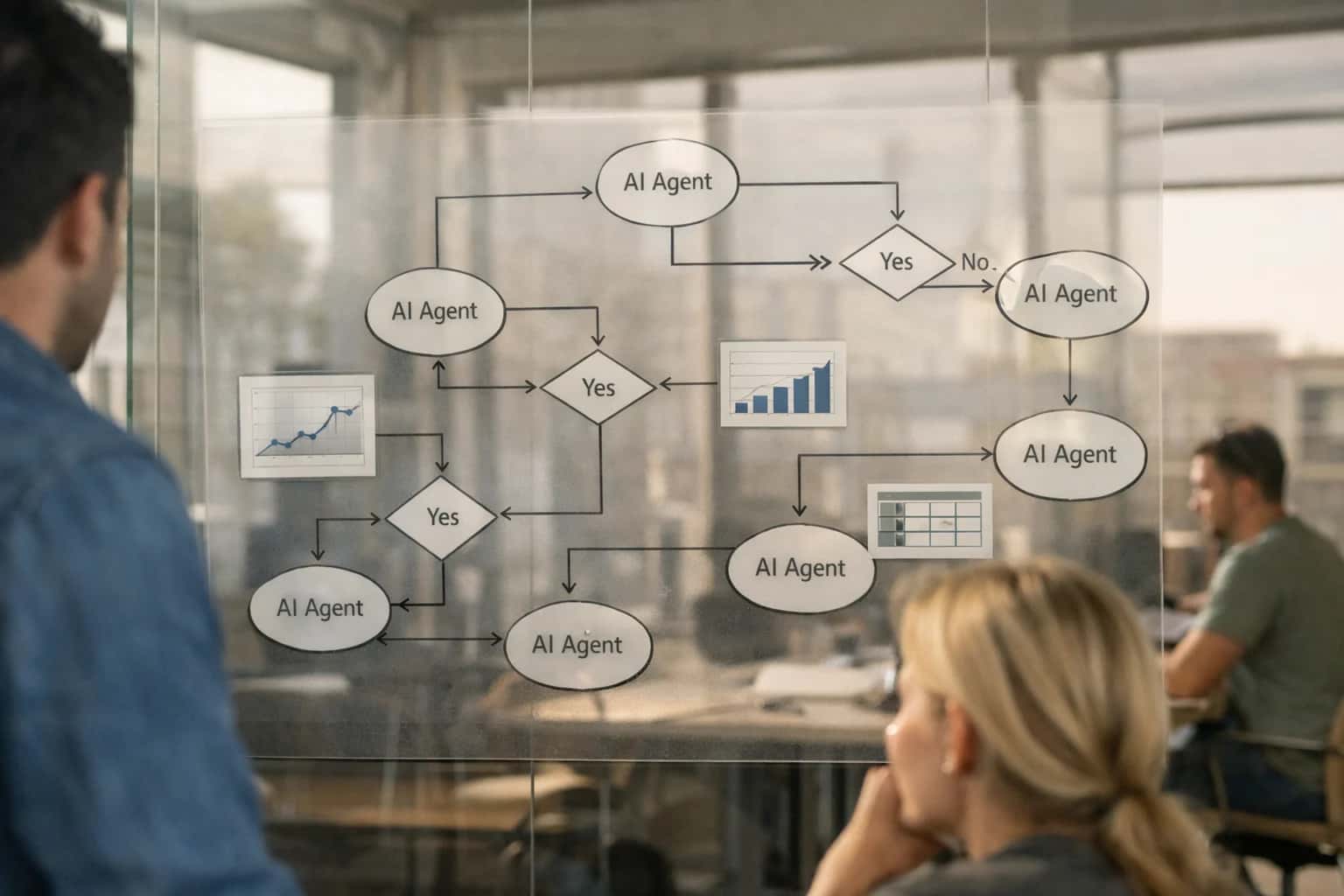
ARCHITECTURE AND ROLLOUT
Where AI Fits in Daycare Payment Workflows
A practical guide to embedding AI into payment processing for platforms like Brightwheel, Procare, and Kangarootime to reduce failed transactions and personalize family communications.
The core workflow involves a state machine for dunning and recovery. After a payment failure event is captured via webhook, the AI evaluates the family's profile: Is this a first-time miss or a pattern? Are there active subsidies? What is the preferred communication channel (SMS, in-app, email)? It then triggers a personalized sequence—perhaps a gentle SMS reminder for a usually reliable family, or an automated call to update payment details for a chronic issue. This logic executes by calling the platform's communication APIs (e.g., Kangarootime's messaging endpoints) and updating the Family and Invoice records with interaction logs, maintaining a full audit trail.
Rollout requires a phased approach, starting with a pilot group of families. Governance is critical: all AI-generated communication must adhere to center policies and regulatory standards like PCI DSS. Implement a human-in-the-loop approval step for any payment plan modifications or fee waivers suggested by the AI before they are written back to the Procare or Brightwheel database. This ensures directors retain control while the AI handles the repetitive analysis and initial outreach, turning payment recovery from a manual, days-long process into a same-hour automated workflow.
AI-ENHANCED PAYMENT PROCESSING
Payment Integration Surfaces by Platform
Core Billing Engine Integration
AI integrates directly with the platform's billing engine to automate and optimize the entire invoicing lifecycle. This includes:
- Invoice Generation: Triggering and personalizing invoice creation based on child schedules, attendance, and fee schedules.
- Dynamic Adjustments: Applying prorated charges, late fees, or sibling discounts using logic that considers payment history and center policies.
- Exception Handling: Identifying and flagging billing anomalies, such as duplicate charges or incorrect subsidy calculations, before invoices are sent.
Integration typically occurs via RESTful APIs (e.g., POST /invoices) or by listening to webhook events for new enrollments, schedule changes, or attendance updates. AI agents can review the generated invoice payloads for accuracy and compliance before they are committed to the family's account.
PAYMENT GATEWAY INTEGRATION
High-Value AI Payment Use Cases
Integrating AI directly with your daycare software's payment gateway APIs enables intelligent, automated workflows that reduce failed transactions, personalize dunning, and optimize revenue operations without manual intervention.
01
Intelligent Payment Routing & Retry
AI analyzes historical transaction success rates by card type, processor, and time of day to dynamically route and retry failed payments. It learns from declines to select optimal gateways (e.g., Stripe, Authorize.Net) and schedules retries when success likelihood is highest, directly via the platform's payment API.
10-15%
Recovery on failed charges
02
Personalized Dunning Communication
Instead of generic late notices, AI crafts personalized payment reminders and offers based on family history, past responsiveness, and balance. It triggers via the software's communication APIs (email/SMS) with tailored messaging, payment plan options, or one-time courtesy waivers to preserve relationships.
Batch -> Contextual
Communication style
03
Anomaly Detection in Payment Patterns
Continuously monitors payment streams from the gateway for unusual patterns—like a sudden spike in declines for a specific card network or atypical high-value refund requests. AI flags these for immediate review, helping prevent fraud and identify systemic gateway issues before they impact cash flow.
Same day
Issue identification
04
Automated Payment Plan Optimization
For families on payment plans, AI evaluates payment history, seasonal income patterns, and upcoming balances to suggest optimal plan adjustments. It can propose modifying installment amounts or dates via the billing module's API to reduce future delinquency risk while maintaining family affordability.
1 sprint
Implementation timeline
05
Payment Exception Triage & Routing
When a payment fails or a dispute is initiated, AI classifies and routes the exception to the correct staff queue or automated workflow. It reads gateway decline codes and dispute reasons, then either triggers a predefined resolution (e.g., card update request) or assigns it to a billing specialist with context, reducing manual sorting.
Hours -> Minutes
Triage time
06
Cash Flow Forecasting & Alerting
AI synthesizes scheduled tuition, recurring payment success rates, and historical seasonal trends from the billing system to generate a 30-60 day cash flow forecast. It alerts directors via dashboard or email if projected dips fall below threshold, enabling proactive outreach or operational adjustments.
Proactive
Visibility shift
INTEGRATION PATTERNS
Example AI-Powered Payment Workflows
These workflows illustrate how AI agents can be integrated with your daycare software's payment gateway to automate complex financial operations, reduce manual overhead, and improve family payment experiences. Each pattern connects to your platform's APIs and payment processor webhooks.
This workflow reduces failed transaction rates and recovers overdue tuition by personalizing outreach based on family history.
- Trigger: A scheduled payment via Stripe, Authorize.Net, or your integrated gateway fails, or an invoice becomes 3 days past due.
- Context Pulled: The AI agent retrieves the family's payment history, preferred communication channel, past late fee waivers, and any recent support tickets from the daycare platform's API.
- Agent Action: Using a configured LLM, the agent generates a personalized message. For a family with a good history, it might draft a friendly reminder with a payment link. For a repeat issue, it may draft a firmer notice and suggest setting up a payment plan.
- System Update: The agent posts the drafted message to the platform's internal communication log and, if configured, dispatches it via the family's preferred channel (SMS, email, in-app message). It can also place a follow-up task on the director's dashboard if no payment is received in 24 hours.
- Human Review Point: For balances over a configurable threshold (e.g., $500) or for families flagged as "high-risk," the agent can escalate the draft message to a staff member for approval before sending.
PAYMENT PROCESSING AUTOMATION
Implementation Architecture: Data Flow & Guardrails
A secure, event-driven architecture for embedding AI into daycare payment workflows to reduce failed transactions and personalize dunning.
The integration connects to your daycare platform's payment gateway APIs (e.g., Stripe, Authorize.Net) and billing engine (e.g., Procare Billing, Brightwheel Invoicing). Core data objects include Family, Invoice, PaymentMethod, and Transaction. The AI agent listens for webhook events like invoice.created, payment.failed, and payment_method.expiring. It processes these events to execute intelligent workflows: analyzing failure reasons, selecting optimal retry logic, and generating personalized communication via the platform's messaging APIs.
Implementation typically involves a middleware service that sits between your daycare software and payment processors. This service uses vector embeddings of family payment history and communication preferences to power a RAG (Retrieval-Augmented Generation) system. When a payment fails, the system retrieves similar past scenarios and successful resolutions to guide its action—such as suggesting a different card on file, proposing a payment plan, or drafting a context-aware SMS reminder. All actions are logged back to the child/family record with an audit trail for compliance.
Rollout should be phased, starting with a pilot group of families. Governance is critical: establish approval gates for any AI-generated communication before sending, and implement circuit breakers to halt automated retries after a defined number of attempts. This architecture ensures the AI augments—not replaces—your existing financial operations, providing staff with actionable insights while maintaining strict control over cash flow and family relationships.
AI-PAYMENT GATEWAY INTEGRATION PATTERNS
Code & Payload Examples
Intelligent Payment Method Selection
AI can analyze historical transaction success rates, family payment history, and real-time gateway latency to dynamically route payments through the optimal processor (e.g., Stripe, Authorize.Net, Square). This reduces failed transactions and processing costs.
Example Python Logic for Routing Decision:
pythondef select_payment_gateway(family_id, amount, childcare_platform_client): """Decides the best gateway for a given family and transaction.""" # Fetch family payment history from platform API history = childcare_platform_client.get_payment_history(family_id) # AI Model Call: Predict success probability for each available gateway # Features: historical success rate per gateway, time of day, amount, card type prediction = ai_model.predict({ 'family_id': family_id, 'amount': amount, 'gateway_options': ['stripe', 'authorize_net', 'square'] }) # Select gateway with highest predicted success rate best_gateway = max(prediction['success_probabilities'], key=prediction['success_probabilities'].get) return best_gateway
This logic is typically triggered via a webhook from your daycare platform when a new invoice is generated or a payment attempt is initiated.
AI-ENHANCED PAYMENT OPERATIONS
Realistic Time Savings & Operational Impact
How AI integration reduces manual work, improves cash flow, and personalizes family financial interactions within your existing payment gateway workflows.
| Payment Workflow | Before AI | After AI | Implementation Notes |
|---|---|---|---|
Failed Transaction Review | Manual daily list review | Prioritized, AI-scored alert list | Focus on high-value, high-likelihood recovery cases first |
Dunning Communication | Generic, batch email/SMS blasts | Personalized, multi-channel sequences | Tailors message tone, channel, and offer based on family history |
Payment Method Update Requests | Manual phone calls or form reminders | AI-generated, contextual in-app messages | Triggers based on failed transaction patterns, not just a single failure |
Payment Routing Logic | Static rules (e.g., ACH first) | Dynamic, success-probability-based routing | Considers card type, time of day, historical success rates per family |
Exception & Dispute Triage | Manual log review and categorization | AI-summarized dispute reasons with suggested responses | Provides context for staff to resolve common issues faster |
Payment Plan Adherence Monitoring | Monthly manual report review | Proactive alerts for at-risk payment plans | Flags patterns suggesting potential default before a missed payment |
Family Payment History Analysis | Spreadsheet exports for review meetings | Automated insights on payment trends & risk segments | Surfaces cohorts for proactive outreach or policy adjustment |
ARCHITECTING FOR FINANCIAL DATA AND COMPLIANCE
Governance, Security, and Phased Rollout
Integrating AI with payment gateways in daycare software requires a security-first architecture and a controlled rollout to protect sensitive family financial data.
A production integration must treat payment data with the highest level of governance. This means AI agents and workflows should never store raw payment card numbers or bank account details. Instead, the architecture should use tokenized payment IDs (like those from Stripe, Authorize.Net, or your processor's vault) and call the gateway's APIs for transaction actions. AI logic operates on metadata—transaction amounts, dates, failure codes, and family profile context—to make routing and communication decisions. All AI tool calls to payment APIs must be logged in an immutable audit trail, linking each action to a specific agent session, user role, and business justification.
Rollout should follow a phased, risk-gated approach. Phase 1 begins in a sandbox environment with synthetic data, validating that AI-driven dunning logic (e.g., personalized SMS for a failed payment) correctly triggers the right gateway calls without errors. Phase 2 moves to a pilot group of consenting families, with AI suggestions presented as human-in-the-loop approvals for a billing manager to review before any automated communication is sent or payment is retried. Phase 3 expands automation to low-risk workflows, like generating personalized payment reminder drafts, while keeping high-stakes actions like payment method updates or retry logic under manual oversight.
Security is enforced through role-based access control (RBAC) integrated with your daycare platform (e.g., Procare, Brightwheel). Only directors or authorized finance staff should have permissions to configure or override AI payment rules. Furthermore, the AI system should be designed for explainability: for every suggested action—like routing a payment to a different processor after two failures—it must provide a clear rationale based on the family's payment history and center policy. This auditability is critical for maintaining trust and for addressing any parent inquiries or disputes. A final governance layer involves regular reviews of AI performance metrics, such as reduction in failed transaction rates and parent satisfaction scores, to ensure the integration delivers tangible operational improvement without introducing new financial or reputational risks.
Enabling Efficiency, Speed & Accuracy
Intelligent Analysis, Decision & Execution
We build AI systems for teams that need search across company data, workflow automation across tools, or AI features inside products and internal software.
Talk to Us
Search across company data
Give teams answers from docs, tickets, runbooks, and product data with sources and permissions.
Useful when people spend too long searching or get different answers from different systems.
Enterprise searchRAGPermissions
Read more
Automate internal workflows
Use AI to route work, draft outputs, trigger actions, and keep approvals and logs in place.
Useful when repetitive work moves across multiple tools and teams.
AI agentsWorkflow automationGovernance
Read more
Add AI to products and internal tools
Build assistants, guided actions, or decision support into the software your team or customers already use.
Useful when AI needs to be part of the product, not a separate tool.
AI integrationDecision supportModel routing
Read moreAI FOR PAYMENT GATEWAYS IN DAYCARE SOFTWARE
FAQ: Technical & Commercial Questions
Integrating AI with payment gateways in platforms like Brightwheel, Procare, and Kangarootime requires a clear understanding of data flows, security, and business impact. Below are answers to the most common technical and commercial questions from directors, operations leads, and technical teams.
The AI agent acts as an intelligent orchestrator between your daycare software's billing engine and connected payment processors (e.g., Stripe, Authorize.Net). It does not store payment details but uses metadata to make routing decisions.
Typical Decision Logic:
- Trigger: A payment transaction fails via the primary gateway.
- Context Pulled: The agent queries the billing API for:
- Transaction amount and type (e.g., tuition, late fee).
- Family's payment history (success/fail patterns).
- On-file payment methods (card A vs. card B).
- Historical gateway performance data.
- AI Action: A lightweight model or rules engine evaluates:
- Retry Logic: Should it retry immediately, after 24 hours, or not at all? This is based on error code (e.g.,
insufficient_fundsvs.card_declined). - Method Routing: If multiple cards are on file, which has the higher historical success rate for this family?
- Gateway Fallback: Should it route to a secondary backup payment processor?
- Retry Logic: Should it retry immediately, after 24 hours, or not at all? This is based on error code (e.g.,
- System Update: The agent calls the daycare platform's API to execute the chosen action (e.g.,
POST /v1/payments/{id}/retrywith a new gateway token). - Audit Trail: All decisions and actions are logged to a dedicated audit table with a
reasonfield for compliance.
Example Payload for Retry Decision:
json{ "transaction_id": "txn_abc123", "family_id": "fam_xyz789", "failed_gateway": "stripe", "error_code": "card_declined", "recommended_action": "retry_with_backup_card", "backup_card_last4": "4321", "scheduled_for": "2023-10-27T20:00:00Z", "decision_factors": { "primary_card_failure_count_30d": 2, "backup_card_success_rate": 0.95 } }

About the author
Prasad Kumkar
CEO & MD, Inference Systems
Prasad Kumkar is the CEO & MD of Inference Systems and writes about AI systems architecture, LLM infrastructure, model serving, evaluation, and production deployment. Over 5+ years, he has worked across computer vision models, L5 autonomous vehicle systems, and LLM research, with a focus on taking complex AI ideas into real-world engineering systems.
His work and writing cover AI systems, large language models, AI agents, multimodal systems, autonomous systems, inference optimization, RAG, evaluation, and production AI engineering.
LinkedIn
Limited slotsGet a Free AI Consultation
Partnered with leading AI, data, and software stack.





How We Work
Custom AI workflows for your Business
One-fit-all AI don't work for modern businesses. At Inferensys, we aim to understand your business & custom requirements; which we use to define most efficient agentic workflows, the data, and the tools for your business.
01
Review the use case
We understand the task, the users, and where AI can actually help.
Read more02
Pick the right approach
We define what needs search, automation, or product integration.
Read more03
Build the first useful version
We implement the part that proves the value first.
Read more04
Improve from there
We add the checks and visibility needed to keep it useful.
Read moreThe first call is a practical review of your use case and the right next step.
Talk to Us