AI-driven billing follow-ups connect to three primary surfaces within Brightwheel: the Billing API for real-time invoice and payment status, the Family and Child records for contextual personalization, and the Communications API for dispatching messages via the platform's native channels (in-app, email, SMS). The integration acts as an orchestration layer that listens for webhook events like invoice.created, payment.failed, or invoice.overdue, then triggers a sequenced, personalized communication workflow. This allows centers to maintain a consistent, professional tone while reducing the manual burden on directors who typically manage collections during operating hours.

Integration
AI Integration for Brightwheel Automated Billing Follow-ups
Automate past-due payment reminders, personalize payment plan offers, and reduce manual accounts receivable work by integrating AI directly with Brightwheel's billing APIs and webhooks.
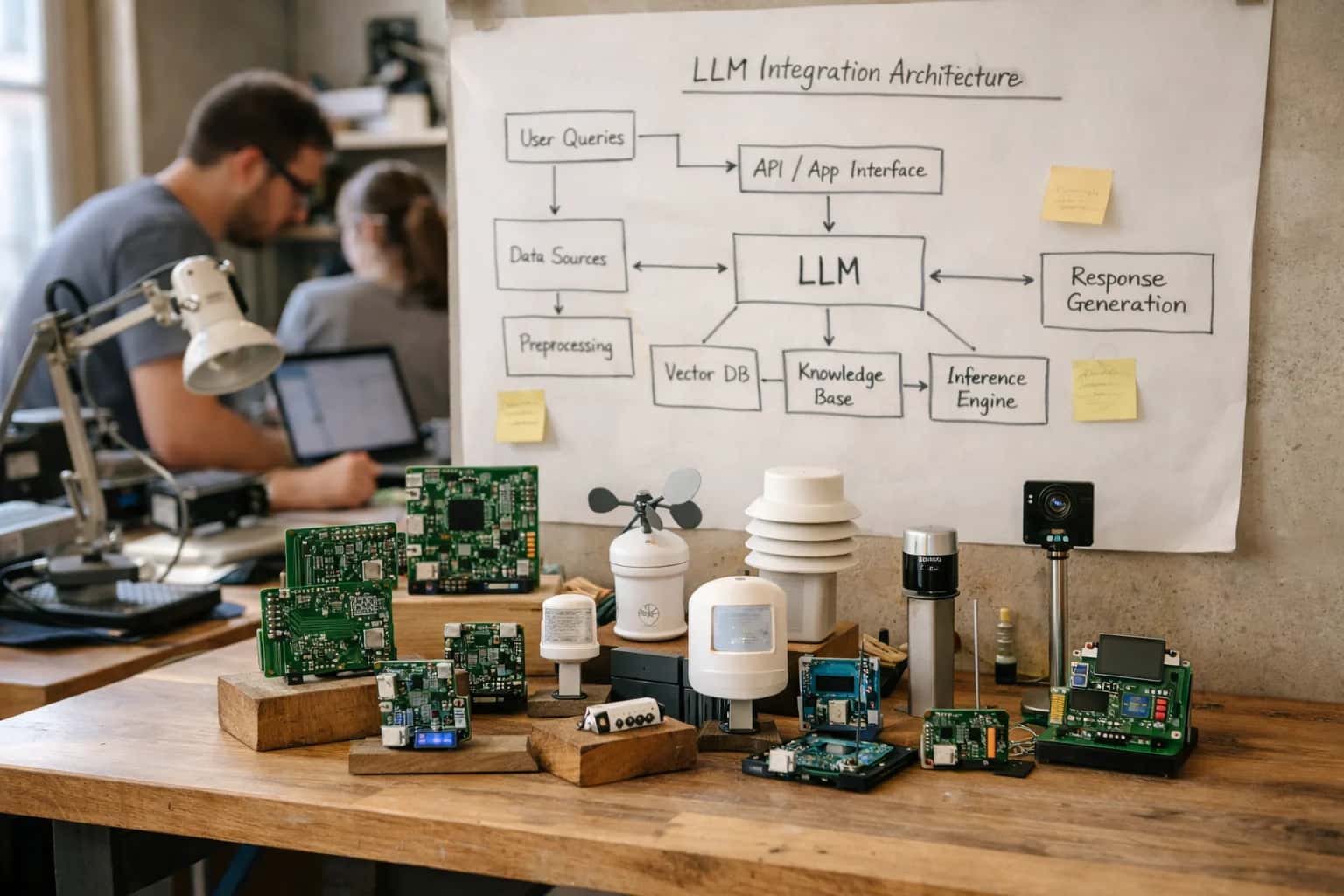
ARCHITECTURE FOR AUTOMATED FOLLOW-UPS
Where AI Fits into Brightwheel's Billing Workflow
A practical guide to embedding AI agents into Brightwheel's billing APIs and notification systems to automate past-due communications and payment plan offers.
Implementation centers on a stateful agent that tracks each family's payment history, past communication responses, and any active payment plans. For a past-due invoice, the agent can: 1) Pull the invoice details and family contact preferences via Brightwheel's REST API, 2) Generate a personalized message that references the child's name, amount due, and due date, optionally offering a payment plan based on center policy, and 3) Route the communication through the approved channel and log the interaction back to the family's record. The logic can escalate from a friendly reminder to a firmer notice, and finally to a request for a director callback, all while avoiding communication fatigue by respecting configured cadences and family opt-outs.
Rollout requires careful governance: start with a pilot group of families, implement a human-in-the-loop approval step for the first cycle of AI-generated messages, and establish clear audit trails. All AI-generated communications should be logged as notes on the family record with a source tag (e.g., AI Billing Agent). Centers must define and encode their payment plan policies, grace periods, and message templates into the agent's logic, ensuring alignment with their brand and compliance requirements. This turns a reactive, manual process into a proactive, scalable operation that improves cash flow while freeing up director time for family relationships and center quality.
ARCHITECTURAL SURFACES
Brightwheel Surfaces for AI Billing Automation
Core Billing Data Model
The Billing & Invoices API provides the primary surface for reading and writing financial transactions. AI agents can use this to retrieve outstanding balances, payment history, and invoice details to personalize follow-up sequences.
Key Objects for AI:
Invoice: Contains line items, due dates, status (paid,pending,overdue), and family references.Payment: Records transaction amounts, methods, dates, and any applied discounts or credits.BillingAccount: Tracks a family's billing settings, payment plans, and stored payment methods.
AI Integration Pattern: An agent triggered by a daily cron job queries for invoices where status = 'overdue' and days_overdue > 7. It retrieves the associated family contact info and payment history to decide on the next communication step—escalating a reminder or offering a payment plan.
This API is essential for any AI workflow that needs to assess financial standing or record a payment arrangement.
BRIGHTWHEEL INTEGRATION PATTERNS
High-Value AI Use Cases for Billing Follow-ups
Automating past-due payment workflows with AI reduces manual outreach, improves collection rates, and maintains positive family relationships. These patterns connect to Brightwheel's Billing API, Family Profiles, and Communication APIs to execute intelligent, personalized sequences.
01
Personalized Payment Reminder Sequences
AI crafts and sends context-aware reminders by analyzing family payment history, communication preferences, and past engagement. Sequences can escalate from in-app messages to SMS/email, adjusting tone and offer timing based on inferred sensitivity.
Batch -> Real-time
Communication style
02
Dynamic Payment Plan Generation
When a balance is flagged as past-due, AI analyzes the family's account history and center policies to generate and propose tailored payment plan options via the Brightwheel API. It can calculate feasible installment amounts and draft the agreement for director approval.
1 sprint
Implementation timeline
03
Exception Triage & Staff Escalation
AI monitors follow-up responses and payment activity, automatically classifying families into buckets (e.g., 'needs call', 'disputed charge', 'financial hardship'). It creates prioritized tasks in Brightwheel or syncs them to a staff task manager, routing complex cases to the right person.
Hours -> Minutes
Triage time
04
Sentiment-Aware Communication Adjustment
Using NLP on family replies to reminders, AI detects frustration, confusion, or financial stress. It can pause automated sequences, switch communication channels, or trigger a personalized, empathetic response from a staff member to preserve the relationship.
Same day
Issue resolution
05
Proactive Late Fee Assessment & Waiver
Before automatically applying a late fee via the Billing API, AI evaluates the family's historical on-time rate, recent communications, and balance size. It can recommend fee waivers as a goodwill gesture or apply them conditionally, logging the rationale for audit.
06
Billing Support Agent for Parent Portals
An AI agent embedded via Brightwheel's interfaces answers common parent billing questions in real-time (e.g., 'What does this charge cover?', 'How do I update my card?'). It fetches data via API, explains charges, and guides parents to self-serve, reducing support tickets.
Hours -> Minutes
Support resolution
IMPLEMENTATION PATTERNS
Example AI-Driven Billing Follow-up Workflows
These workflows illustrate how AI agents can be integrated with Brightwheel's Billing API and webhooks to automate and personalize payment follow-ups, reducing administrative burden and improving cash flow.
Trigger: A payment status changes to 'Past Due' in Brightwheel, triggering a webhook to your AI workflow engine.
Context Pulled: The agent retrieves the invoice details, family profile, and recent payment history via the Brightwheel API (GET /invoices/{id}, GET /families/{id}).
AI Agent Action:
- Analyzes the family's payment pattern (e.g., first-time late, chronic 2-day delay).
- Generates a personalized message using a structured prompt:
code
Family: {family_name}, Child: {child_name} Invoice: #{invoice_number} for {amount}, due {due_date}. Previous Payment Behavior: {on_time_last_3_months}. Tone: Professional but supportive. Offer a payment link. - Selects Channel: Sends via Brightwheel's in-app messaging for primary contact, with SMS as a fallback for unread messages after 24 hours.
System Update: The agent logs the outreach attempt, timestamp, and channel in a sidecar audit database linked to the Brightwheel invoice ID.
Human Review Point: If the invoice remains unpaid 3 days after the final automated reminder, the workflow creates a task in Brightwheel (or a connected system like Asana) for the center director to make a personal call.
HOW AI-DRIVEN BILLING FOLLOW-UPS WORK IN BRIGHTWHEEL
Implementation Architecture: Data Flow & System Design
A production-ready architecture for embedding intelligent, personalized payment reminders directly into Brightwheel's billing workflows.
The integration connects at two key points in Brightwheel's data model: the Billing API for real-time invoice and payment status, and the Messaging API for outbound parent communication. A central AI agent, triggered by a daily cron job or a webhook from Brightwheel's invoice.created or payment.failed events, queries for accounts with past-due balances. For each family, it retrieves context like payment history, preferred contact method, child attendance patterns, and any existing payment plans from Brightwheel's Family, Invoice, and Payment objects to personalize the outreach strategy.
The agent's logic follows a configurable sequence: 1) A gentle reminder for recent overdue invoices, 2) A firmer follow-up with a direct payment link for older balances, and 3) An optional, personalized payment plan offer for chronic late-payers, generated by analyzing the family's historical payment capacity. Each message is dynamically drafted, ensuring tone and content (e.g., mentioning the child's name) are appropriate. Before sending via Brightwheel's messaging channels, the system logs the proposed action and rationale to an audit trail for director review, supporting governance. Sent messages and any parent replies are captured back into the family's Brightwheel communication thread.
Rollout is phased, starting with a pilot group of families to calibrate tone and effectiveness. The system includes a kill-switch and a manual approval queue for the first 30 days. Governance is maintained through a dashboard showing metrics like collection rate improvement, parent sentiment (via reply analysis), and opt-out requests. This design ensures the AI augments the center's financial operations without replacing human oversight, keeping directors in control while automating the repetitive legwork of collections.
BRIGHTWHEEL BILLING API INTEGRATION PATTERNS
Code & Payload Examples
Identifying Past-Due Invoices via API
The first step is to query Brightwheel's billing API to identify families with outstanding balances. The logic should filter for invoices past their due date and exclude those already in a payment plan or flagged for manual review. This query forms the trigger for any follow-up sequence.
pythonimport requests from datetime import datetime, timedelta # Example: Fetch invoices with status 'sent' and due date older than 3 days BRIGHTWHEEL_API_KEY = 'your_api_key' headers = {'Authorization': f'Bearer {BRIGHTWHEEL_API_KEY}'} today = datetime.now().date() cutoff_date = (today - timedelta(days=3)).isoformat() # Query Brightwheel's /v2/billing/invoices endpoint response = requests.get( 'https://api.brightwheel.com/v2/billing/invoices', headers=headers, params={ 'status': 'sent', 'due_date_before': cutoff_date, 'balance_greater_than': 0.01 } ) past_due_invoices = response.json().get('invoices', []) for invoice in past_due_invoices: family_id = invoice['family_id'] amount_due = invoice['balance'] # Pass this data to the AI agent for personalization
AI-POWERED BILLING FOLLOW-UPS
Realistic Time Savings & Operational Impact
How AI integration transforms manual, reactive billing operations into a proactive, personalized system, reducing administrative burden and improving cash flow.
| Metric | Before AI | After AI | Notes |
|---|---|---|---|
Payment Reminder Generation | Manual email drafting and scheduling | Automated, personalized sequence triggers | Uses family history, payment patterns, and Brightwheel data |
Past-Due Account Review | Weekly manual report analysis | Daily automated exception flagging | AI identifies accounts needing human review vs. automated follow-up |
Payment Plan Offer Personalization | Generic templates sent to all | Context-aware offers based on balance and history | Dynamically suggests feasible plans to improve collection rates |
Family Communication Response Time | 1-2 business days for billing inquiries | Immediate AI-generated first response | AI drafts answers for staff approval, reducing inbox volume |
Late Fee Assessment & Application | Manual calculation and entry | Rules-based automation with anomaly review | Ensures policy consistency; flags edge cases for manager approval |
Billing Exception Resolution | Reactive, discovered during reconciliation | Proactive alerts for failed payments or data mismatches | Integrates with payment gateways and Brightwheel's billing APIs |
Collection Workflow Coordination | Spreadsheet tracking and manual follow-ups | Unified dashboard with automated task assignment | Tracks all touchpoints and assigns next steps to staff |
ARCHITECTING FOR PRODUCTION
Governance, Security & Phased Rollout
A practical guide to implementing, securing, and scaling AI-driven billing follow-ups within Brightwheel's operational environment.
Production integration for Brightwheel billing workflows requires a clear separation of concerns and secure data handling. The AI agent or workflow engine should operate as a middleware layer, calling Brightwheel's Billing and Family APIs to fetch past-due invoices and family contact details, while never storing sensitive payment information. All outbound communications (SMS, email, in-app messages) are executed via Brightwheel's own notification APIs, ensuring all touchpoints are logged within the platform's native audit trail for compliance. This architecture keeps PII within Brightwheel's security boundary, using API tokens with scoped permissions (e.g., billing:read, families:read, notifications:write) and webhooks to trigger workflows based on events like invoice.past_due.
A phased rollout is critical for managing risk and tuning performance. Start with a silent pilot: deploy the AI logic to generate and log follow-up message drafts for a small cohort of past-due accounts without sending them, allowing staff to review and calibrate tone, personalization, and payment plan logic. Phase two introduces human-in-the-loop approval, where the system suggests actions (e.g., "send gentle reminder," "offer payment plan") within a dedicated queue in your operations dashboard, requiring a manager's click to execute via the Brightwheel API. Finally, move to monitored automation for low-risk, high-volume reminders (e.g., first overdue notice), while escalating complex cases or high-balance accounts to the manual queue. Use Brightwheel's message status webhooks to track open/click rates and correlate them with payment events to continuously refine prompt templates and sequencing logic.
Governance is built around auditability and policy control. Every AI-generated message and proposed action should be stored in your system with the triggering invoice ID, the model's reasoning (e.g., "family has history of on-time payments, suggesting 7-day grace period"), and the final action taken. This creates an immutable record for directors and auditors. Implement configurable policy guardrails—such as maximum contact frequency, blackout periods, and rules excluding families with active support tickets—as code within your workflow, not just as prompts. This ensures AI actions remain within the center's operational policies, reducing regulatory and reputational risk while automating a repetitive, high-impact task. For broader architectural patterns, see our guide on AI Integration for Childcare Billing Automation.
Enabling Efficiency, Speed & Accuracy
Intelligent Analysis, Decision & Execution
We build AI systems for teams that need search across company data, workflow automation across tools, or AI features inside products and internal software.
Talk to Us
Search across company data
Give teams answers from docs, tickets, runbooks, and product data with sources and permissions.
Useful when people spend too long searching or get different answers from different systems.
Enterprise searchRAGPermissions
Read more
Automate internal workflows
Use AI to route work, draft outputs, trigger actions, and keep approvals and logs in place.
Useful when repetitive work moves across multiple tools and teams.
AI agentsWorkflow automationGovernance
Read more
Add AI to products and internal tools
Build assistants, guided actions, or decision support into the software your team or customers already use.
Useful when AI needs to be part of the product, not a separate tool.
AI integrationDecision supportModel routing
Read moreIMPLEMENTATION AND WORKFLOW DETAILS
Frequently Asked Questions
Common technical and operational questions about implementing AI-driven billing follow-up automation within Brightwheel's ecosystem.
The workflow is triggered by a scheduled job or a webhook from Brightwheel's billing system, typically after an invoice becomes past-due.
- Trigger: A nightly cron job queries the Brightwheel Billing API for invoices with a status of
overdueand a due date older than a configurable threshold (e.g., 1-3 days). - Context Retrieval: For each overdue invoice, the agent pulls relevant context via API:
- Family profile (contact names, primary guardian, preferred language)
- Child enrollment details (child's name, classroom)
- Payment history (previous on-time payments, past payment plans)
- Invoice specifics (amount, days overdue, any applied discounts)
- Center's communication policy rules (e.g., max reminders before escalation)
- This data is structured into a prompt context, ensuring the AI's actions are grounded in specific family and financial details.

About the author
Prasad Kumkar
CEO & MD, Inference Systems
Prasad Kumkar is the CEO & MD of Inference Systems and writes about AI systems architecture, LLM infrastructure, model serving, evaluation, and production deployment. Over 5+ years, he has worked across computer vision models, L5 autonomous vehicle systems, and LLM research, with a focus on taking complex AI ideas into real-world engineering systems.
His work and writing cover AI systems, large language models, AI agents, multimodal systems, autonomous systems, inference optimization, RAG, evaluation, and production AI engineering.
LinkedIn
Limited slotsGet a Free AI Consultation
Partnered with leading AI, data, and software stack.





How We Work
Custom AI workflows for your Business
One-fit-all AI don't work for modern businesses. At Inferensys, we aim to understand your business & custom requirements; which we use to define most efficient agentic workflows, the data, and the tools for your business.
01
Review the use case
We understand the task, the users, and where AI can actually help.
Read more02
Pick the right approach
We define what needs search, automation, or product integration.
Read more03
Build the first useful version
We implement the part that proves the value first.
Read more04
Improve from there
We add the checks and visibility needed to keep it useful.
Read moreThe first call is a practical review of your use case and the right next step.
Talk to Us