AI integration connects directly to core modules within your casino management platform (CMP) or standalone enterprise asset management (EAM) system. Key surfaces include the slot machine parts catalog, table game equipment logs, F&B inventory database, and procurement/P2P interface. The AI engine ingests real-time data from these modules—such as part failure codes from slot monitoring systems (e.g., Aristocrat Oasis 360, IGT ACSC), equipment usage hours from table game systems, and consumption rates from POS systems—to predict restocking needs and optimize par levels before a critical shortage impacts floor operations.

Integration
AI for Casino Inventory and Asset Management
A technical blueprint for integrating AI with casino inventory systems to automate procurement, predict restocking needs for slot parts and table equipment, optimize par levels, and reduce operational downtime.
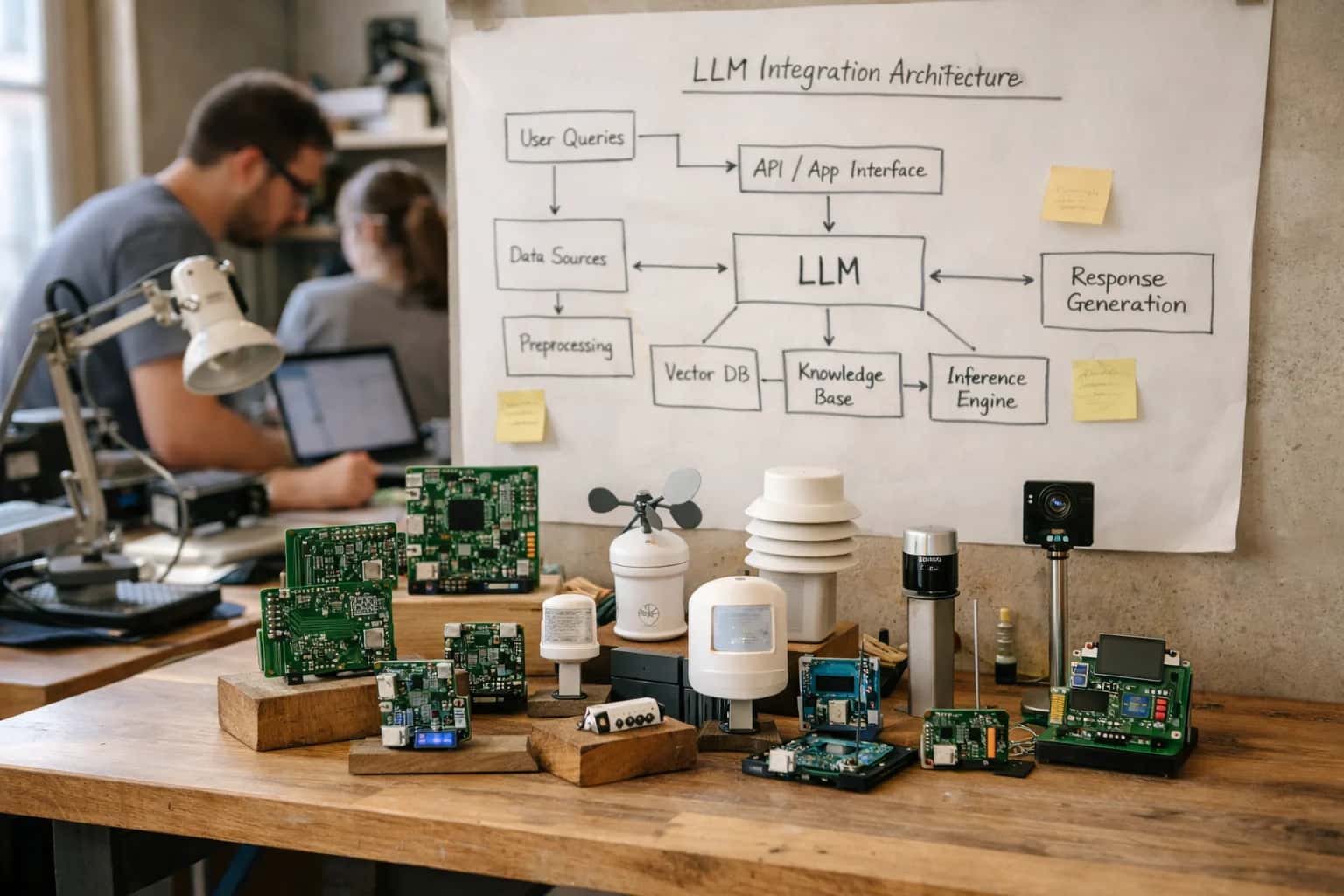
ARCHITECTURE AND OPERATIONAL IMPACT
Where AI Fits in Casino Inventory and Asset Management
Integrating AI into casino inventory and asset management systems transforms reactive, manual processes into predictive, automated workflows for slot parts, table equipment, and F&B.
Implementation focuses on building a predictive inventory agent that sits between your CMP/EAM and procurement systems. This agent uses time-series forecasting models on historical consumption, seasonal demand (e.g., weekend vs. weekday play), and event calendars. For example, it can predict the need for specific slot machine bill validators or printer paper rolls and automatically generate purchase requisitions in your procure-to-pay platform (e.g., Coupa, SAP Ariba). High-impact workflows include:
- Automated PO Drafting: The agent creates a draft PO with suggested vendors and quantities, routed for manager approval via the CMP's workflow engine.
- Dynamic Par Level Adjustment: AI continuously recalculates optimal stock levels for thousands of SKUs (e.g., playing cards, dice, chips) based on predicted table game volume, reducing carrying costs by 15-25%.
- Cross-Facility Transfer Optimization: For casino groups, the AI recommends transferring assets between properties based on real-time need, minimizing expedited shipping costs.
Rollout requires a phased approach, starting with a pilot category like slot machine consumables, where data is clean and impact is easily measured. Governance is critical: all AI-generated recommendations should be logged in an audit trail within the CMP, with human-in-the-loop approvals for POs above a defined threshold. The integration must respect existing RBAC rules in the inventory system. Success is measured by reduction in emergency parts orders, increase in inventory turnover, and hours saved per week by procurement and slot operations teams. For a deeper look at integrating AI with specific gaming floor hardware, see our guide on AI for Gaming Floor Operations and Slot Management.
AI-READY MODULES AND WORKFLOWS
Key Integration Surfaces in Casino Inventory and Asset Management
Slot Machine Parts Inventory
AI integration focuses on the slot machine master parts list and work order management modules within systems like Aristocrat CMS or IGT Advantage. The goal is to predict failures and automate restocking.
Key Integration Points:
- Parts Usage History: Ingest historical repair data to train models predicting which components (e.g., bill validators, touchscreens, motherboards) will fail based on machine type, age, and usage hours.
- Par Level Optimization: Connect to the inventory database to dynamically adjust minimum stock levels for thousands of SKUs, reducing carrying costs while preventing machine downtime.
- Automated Purchase Orders: Trigger POs in the procurement system when predicted demand crosses a threshold, including vendor selection logic based on price and delivery time.
Example Workflow: An AI agent monitors real-time machine error codes, cross-references the parts database, and creates a pre-approved requisition for the needed part before the technician finishes diagnostics.
CASINO ASSET MANAGEMENT
High-Value AI Use Cases for Casino Inventory
Integrating AI with casino inventory systems—like those from Aristocrat, IGT, or Bally—transforms reactive parts management into predictive, automated operations. These use cases focus on slot components, table game equipment, and F&B supplies.
01
Predictive Restocking for Slot Parts
AI analyzes historical failure rates, machine usage data from the CMS, and vendor lead times to predict component demand. Automatically generates purchase requisitions for reels, bill validators, and logic boards before stockouts occur, minimizing machine downtime.
Reactive → Predictive
Inventory model
02
Dynamic Par Level Optimization
Continuously adjusts minimum stock levels for chips, cards, dice, and F&B items based on real-time factors: scheduled events, table game occupancy, and historical usage spikes. Integrates with the warehouse management module to trigger replenishment workflows.
10-25%
Reduction in carrying costs
03
Automated PO Generation & Vendor Analysis
When inventory triggers a restock, AI drafts the complete purchase order by pulling item specs, preferred vendor lists, and contract terms. Can also analyze vendor performance (delivery time, defect rates) to recommend supplier shifts for critical components.
Same day
PO turnaround
04
Technician Copilot for Parts Identification
A mobile AI agent for slot techs. Technicians describe a symptom or upload a phone image; the agent cross-references the CMS asset registry and parts catalog to suggest the likely faulty component and confirm on-hand inventory at the nearest storeroom.
Minutes saved
Per repair dispatch
05
Warranty & RMA Claim Automation
AI scans work order histories and serial numbers to identify components still under manufacturer warranty. Automatically assembles the required documentation (failure logs, purchase records) and initiates the RMA process with the vendor, tracking until credit is received.
Recover 2-5%
Of annual parts spend
06
Lifecycle Forecasting for Capital Assets
Models the remaining useful life of high-value assets (slot cabinets, shufflers, signage) by ingesting usage data, maintenance logs, and technological obsolescence trends. Outputs a prioritized replacement schedule for capital budgeting, integrated with the casino's ERP.
1-3 year view
Capital planning horizon
CASINO ASSET MANAGEMENT
Example AI-Driven Inventory Workflows
These workflows illustrate how AI agents can integrate with core casino inventory systems—such as slot machine parts databases, table game equipment logs, and F&B procurement platforms—to automate forecasting, ordering, and reconciliation tasks.
Trigger: Daily ingestion of slot machine diagnostic logs and maintenance tickets from the Slot Data System (SDS) or Aristocrat Oasis.
Context Pulled:
- Current inventory levels of high-usage parts (e.g., bill validators, touchscreens, button decks) from the CMMS (like Fiix or UpKeep).
- Machine-specific failure rates and mean time between failures (MTBF) from historical work orders.
- Upcoming scheduled preventive maintenance from the slot management platform.
- Vendor lead times and pricing from the procurement system (e.g., SAP Ariba).
Agent Action:
- An AI model analyzes the diagnostic data to predict part failures over the next 7-14 days.
- The agent cross-references predictions against current stock and safety stock (
par_level) rules. - It generates a prioritized list of recommended purchase orders, including optimal order quantities to minimize shipping costs and avoid rush fees.
System Update:
- A draft PO is created in the ERP or procurement platform with vendor, part numbers, quantities, and predicted need-by dates.
- The work order system is updated to flag at-risk machines for technician inspection.
- An alert is sent to the procurement manager for review and approval via email or Teams.
Human Review Point: The procurement manager reviews the AI-generated POs, adjusting quantities or vendors based on vendor relationships or known supply chain issues before final submission.
FROM REACTIVE STOCKING TO PREDICTIVE SUPPLY CHAINS
Implementation Architecture: Data Flow and System Wiring
A practical blueprint for connecting AI to casino inventory and asset management systems to automate procurement, optimize par levels, and reduce operational downtime.
The integration connects to core inventory modules within platforms like Aristocrat Oasis 360, IGT Advantage, or Bally SDS, focusing on data objects for slot machine parts (e.g., bill validators, button decks, reels), table game equipment (felt, chips, cards), and F&B supplies. The AI engine ingests real-time data streams via APIs or middleware, including: current stock levels, historical consumption rates, machine uptime/downtime logs from the slot monitoring system, scheduled maintenance from the CMMS, and even external data like upcoming event calendars from the casino's PMS. This creates a unified, real-time view of asset health and material demand across the property.
At the workflow level, the system uses this data to execute several key automations. For predictive restocking, machine learning models forecast part failure and consumption, generating recommended purchase orders (POs) that are routed via approval workflows in the ERP or procurement system (e.g., Coupa, SAP Ariba). For par level optimization, AI continuously analyzes usage patterns against service level targets, suggesting adjustments to min/max levels and even automating just-in-time orders for high-cost items to reduce carrying costs. A critical use case is cross-property inventory visibility, where the AI can recommend transfers between casino locations before a part failure causes downtime, all managed through the central asset management platform's transfer order workflows.
Rollout is typically phased, starting with a pilot on high-value, high-velocity parts like slot machine printed circuit boards or critical table game components. Governance is essential; all AI-generated POs and par level changes should flow through existing RBAC approval queues in the financial system, with a human-in-the-loop review step for high-value items. The architecture includes an audit trail logging every AI recommendation, the rationale (e.g., "predicted failure based on 1200hrs mean time between failures"), and the final human action. This ensures compliance with procurement policies and provides data to continuously refine the models. The result shifts operations from reactive, manual stock checks to a system where inventory replenishment is a proactive, data-driven workflow, reducing machine downtime and optimizing working capital tied up in spare parts.
AI INTEGRATION PATTERNS
Code and Payload Examples
API Call for Slot Part Demand
Integrate AI with your inventory system (e.g., a custom SQL database or CMMS like Fiix) to predict slot machine part failures and automate purchase orders. The AI model consumes historical maintenance records, machine usage hours, and environmental data.
A typical implementation involves a scheduled Python job that calls the inference endpoint, receives a list of recommended parts, and creates POs via the procurement system's REST API.
pythonimport requests import json # Payload to AI service for slot part prediction prediction_payload = { "machine_ids": ["SLOT_101", "SLOT_205", "SLOT_312"], "lookahead_days": 30, "include_confidence": True } response = requests.post( "https://api.your-ai-service.com/v1/inventory/predict", json=prediction_payload, headers={"Authorization": "Bearer YOUR_API_KEY"} ) predictions = response.json() # Example response structure # { # "predictions": [ # { # "machine_id": "SLOT_101", # "part_sku": "BTL-2020", # "part_name": "Bill Validator", # "predicted_failure_date": "2024-06-15", # "confidence": 0.87, # "recommended_order_qty": 2 # } # ] # } # Process predictions and trigger PO workflow for pred in predictions.get('predictions', []): if pred['confidence'] > 0.8: create_purchase_order(pred)
AI-ENHANCED INVENTORY OPERATIONS
Realistic Operational Impact and Time Savings
This table illustrates the tangible workflow improvements and time savings achievable by integrating AI with casino inventory systems for slot parts, table game equipment, and F&B supplies.
| Workflow / Metric | Before AI | After AI | Implementation Notes |
|---|---|---|---|
Slot Machine Part Reorder | Manual weekly review of min/max levels; reactive ordering | AI predicts shortages 7-14 days out; generates PO drafts | Integrates with slot monitoring system data and parts usage history |
Table Game Felt & Chip Inventory | Physical quarterly audits; bulk orders based on rough estimates | AI tracks wear-and-tear from game logs; recommends just-in-time replacements | Connects to table game management system for transaction volume |
F&B Par Level Optimization | Static par sheets; frequent overstock or last-minute rush orders | AI adjusts pars daily based on forecasted hotel occupancy and event schedules | Ingests data from PMS, POS, and event booking systems |
Purchase Order Creation & Approval | Manual data entry into ERP; email/paper approval chains (1-2 days) | AI auto-populates POs from predictions; routes for digital approval (2-4 hours) | Requires integration with ERP (e.g., SAP, Oracle) and RBAC |
Critical Part Downtime Response | Technician diagnoses, searches inventory, then orders (4-8 hours machine down) | AI suggests part from on-hand stock or nearest vendor; auto-dispatches ticket (1-2 hours) | Links CMMS work orders with real-time inventory and vendor APIs |
Beverage Inventory Reconciliation | Manual end-of-month bar counts; variance investigation takes days | AI compares POS sales to theoretical usage; flags anomalies for review | Reduces shrinkage investigation time by ~70% |
Multi-Property Inventory Transfer | Phone/email coordination between warehouses; inefficient transfers | AI recommends optimal transfers between properties based on demand forecasts | Uses network-wide inventory visibility and transportation cost data |
Obsolete & Slow-Moving Stock Analysis | Quarterly manual review; high carrying costs for dead stock | AI continuously identifies at-risk items; suggests promotions or vendor returns | Provides actionable reports to procurement and operations managers |
PRODUCTION ARCHITECTURE FOR CASINO ASSET MANAGEMENT
Governance, Security, and Phased Rollout
Deploying AI for inventory and procurement requires a controlled, audit-ready architecture that respects casino compliance and operational continuity.
An AI integration for casino inventory must be built on a read-only data pipeline from your core systems—typically the casino management system (CMS) for slot part usage data, the POS for F&B consumption, and the warehouse management system (WMS) for physical stock levels. This pipeline feeds a separate analytics environment where AI models predict restocking needs for slot machine components, table game felts and chips, and restaurant supplies. The system generates purchase order recommendations but does not auto-submit them; instead, they route through existing approval workflows in your procurement software (e.g., Coupa, SAP Ariba) or ERP, with a clear audit trail linking the AI's suggestion to the human decision.
Security is paramount. The integration must enforce role-based access control (RBAC) so that slot managers only see slot part predictions, F&B directors see kitchen inventory, and procurement oversees the full picture. All AI-generated recommendations and the data used to create them must be logged for regulatory review. For high-value assets like gaming chips or proprietary slot boards, the system should flag anomalies in usage patterns that could indicate loss or theft, creating alerts in your security or surveillance platform.
A phased rollout is critical. Start with a pilot for non-gaming inventory, such as F&B supplies or hotel amenities, where predictions can be validated against historical manual orders with minimal risk. Phase two extends to slot machine consumables (e.g., paper, toner) and low-cost parts. The final phase covers high-value slot components and table game equipment, integrating with technician work order systems to correlate maintenance schedules with part demand. Each phase includes a parallel run where AI recommendations are compared to human decisions, with a human-in-the-loop review step mandatory before any automated POs are enabled for that category.
Enabling Efficiency, Speed & Accuracy
Intelligent Analysis, Decision & Execution
We build AI systems for teams that need search across company data, workflow automation across tools, or AI features inside products and internal software.
Talk to Us
Search across company data
Give teams answers from docs, tickets, runbooks, and product data with sources and permissions.
Useful when people spend too long searching or get different answers from different systems.
Enterprise searchRAGPermissions
Read more
Automate internal workflows
Use AI to route work, draft outputs, trigger actions, and keep approvals and logs in place.
Useful when repetitive work moves across multiple tools and teams.
AI agentsWorkflow automationGovernance
Read more
Add AI to products and internal tools
Build assistants, guided actions, or decision support into the software your team or customers already use.
Useful when AI needs to be part of the product, not a separate tool.
AI integrationDecision supportModel routing
Read moreCASINO INVENTORY & ASSET MANAGEMENT
Frequently Asked Questions
Practical questions for casino procurement, operations, and finance teams evaluating AI integration with slot parts, table game equipment, and F&B inventory systems.
An AI agent monitors the casino management system's maintenance logs, slot machine meters, and parts consumption history. It analyzes patterns to forecast demand.
Typical Workflow:
- Trigger: Daily ingestion of work order data from systems like IGT Advantage Service or Aristocrat Oasis 360.
- Context Pulled: Historical failure rates by machine model, current par levels from your inventory system (e.g., Fishbowl, Oracle WMS), and upcoming preventive maintenance schedules.
- Model Action: A time-series forecasting model predicts the 30-day demand for specific parts (e.g., bill validators, button decks, reels). It factors in seasonality, floor layout changes, and new game installations.
- System Update: The system generates a recommended purchase order list in your procurement platform (e.g., Coupa, SAP Ariba), flagging items predicted to fall below safety stock.
- Human Review: The procurement manager reviews and approves the AI-generated POs, with the system providing a rationale for each high-priority item.

About the author
Prasad Kumkar
CEO & MD, Inference Systems
Prasad Kumkar is the CEO & MD of Inference Systems and writes about AI systems architecture, LLM infrastructure, model serving, evaluation, and production deployment. Over 5+ years, he has worked across computer vision models, L5 autonomous vehicle systems, and LLM research, with a focus on taking complex AI ideas into real-world engineering systems.
His work and writing cover AI systems, large language models, AI agents, multimodal systems, autonomous systems, inference optimization, RAG, evaluation, and production AI engineering.
LinkedIn
Limited slotsGet a Free AI Consultation
Partnered with leading AI, data, and software stack.





How We Work
Custom AI workflows for your Business
One-fit-all AI don't work for modern businesses. At Inferensys, we aim to understand your business & custom requirements; which we use to define most efficient agentic workflows, the data, and the tools for your business.
01
Review the use case
We understand the task, the users, and where AI can actually help.
Read more02
Pick the right approach
We define what needs search, automation, or product integration.
Read more03
Build the first useful version
We implement the part that proves the value first.
Read more04
Improve from there
We add the checks and visibility needed to keep it useful.
Read moreThe first call is a practical review of your use case and the right next step.
Talk to Us