AI integration connects to the core event booking module within your casino management platform (e.g., a module in IGT Advantage or a third-party system like Ungerboeck) and the player tracking database. The primary surfaces are the event calendar, ticket inventory, room block management, and the point-of-sale (POS) systems for food, beverage, and merchandise. AI models consume real-time data streams: historical ticket sales by show type, player demographic and play data from the casino management system (CMS), real-time room availability from the property management system (PMS), and concurrent spend data from restaurant and retail POS. This creates a unified view to forecast demand and personalize offers.

Integration
AI for Casino Event Management and Entertainment
A technical blueprint for integrating AI with casino event booking systems, ticketing platforms, and entertainment workflows to forecast sales, optimize package bundling, and analyze guest spend patterns around shows.
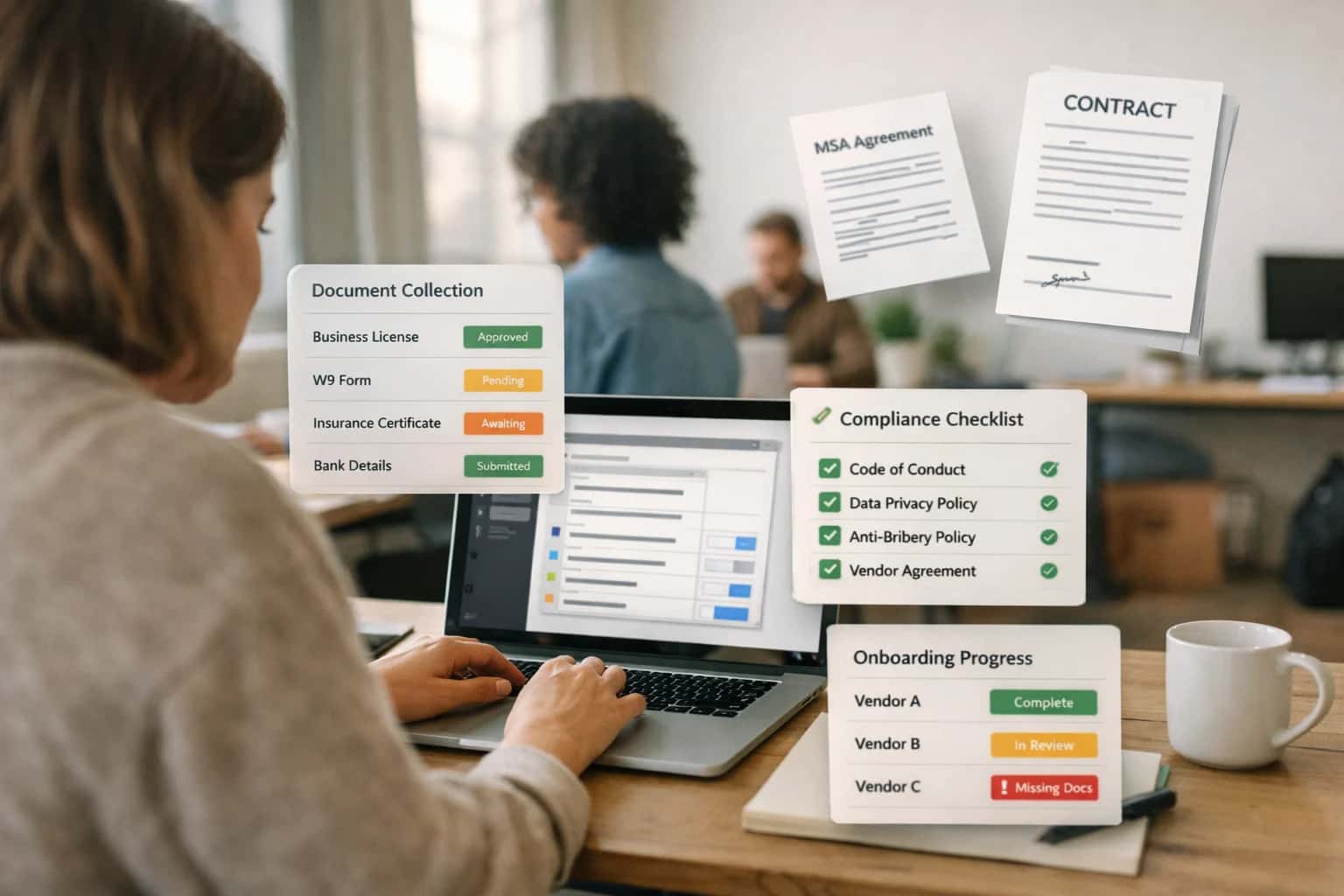
ARCHITECTURE AND IMPLEMENTATION
Where AI Fits in Casino Event and Entertainment Operations
Integrating AI into casino event management systems to optimize show bookings, package bundling, and guest spend analysis.
Implementation typically involves deploying a microservice that subscribes to booking system webhooks (e.g., event.created, ticket.sold) and polls the CMS API for player data. Use cases include: 1) Sales Forecasting: Predicting ticket sales for a new residency show based on similar past events and current high-value player lists. 2) Dynamic Bundling: Automatically generating and offering room + show + dining packages to players whose profiles indicate a high propensity to purchase (e.g., past package buyers, slot players with recent win events). 3) Spend Pattern Analysis: Post-event, analyzing lift in gaming and non-gaming revenue attributed to the show to refine future booking and marketing budgets. Impact is measured in increased package attach rates, reduced unsold inventory, and more efficient marketing spend.
Rollout should start with a single show type or venue to validate models. Governance is critical: all AI-generated offers must flow through existing approval workflows in the marketing or host system and be logged to the player's communication history for audit. Human review remains essential for high-value comp packages. Ensure the AI service has read-only access to player financial data and writes only suggested actions to a queue for system-of-record updates, maintaining a clear separation of concerns and compliance with gaming regulations.
WHERE AI CONNECTS TO DRIVE REVENUE AND EFFICIENCY
Key Integration Surfaces in Casino Event Tech Stacks
Core Reservation and Sales Automation
AI integrates directly with platforms like Ungerboeck, Cvent, or proprietary casino event modules to transform booking workflows. Key surfaces include the event object (containing date, capacity, pricing tiers) and the attendee record (with guest details and spend history).
High-value use cases:
- Demand Forecasting: Ingest historical sales, local event calendars, and hotel occupancy to predict ticket sales for new shows, enabling dynamic pricing.
- Automated Package Assembly: Use AI to bundle event tickets with hotel rooms, dining credits, and free play offers based on a guest's predicted trip budget and past preferences, pushing completed packages to the POS or CRM.
- Intelligent Waitlist Management: When an event sells out, an AI agent can analyze the waitlist for VIP status or predicted spend, automatically offering premium upgrades or alternative dates to maximize captured revenue.
Implementation typically involves an API layer that syncs real-time inventory and triggers AI-generated offers or pricing adjustments.
INTEGRATION PATTERNS
High-Value AI Use Cases for Casino Event Management and Entertainment
Transform casino entertainment from a static calendar into a dynamic, revenue-optimizing asset. These AI integration patterns connect directly to your event booking, CRM, and property management systems to forecast demand, personalize packages, and maximize guest spend around shows and concerts.
01
Predictive Ticket Sales & Demand Forecasting
Integrate AI with your event platform (e.g., Cvent, internal booking system) and historical casino data to forecast attendance for upcoming shows. Models analyze factors like artist genre, player segment affinity, day of week, and competing events to predict ticket sales, enabling dynamic pricing and optimized marketing spend.
Batch -> Real-time
Forecast cadence
02
Intelligent Event & Room Package Bundling
Augment your Property Management System (PMS) and event booking engine with an AI agent that dynamically creates and prices bundled offers. It analyzes a guest's player tier, past room type preferences, and real-time hotel occupancy to suggest optimal 'room + tickets + dining credit' packages, boosting ADR and total event revenue.
1 sprint
POC timeline
03
Post-Event Spend Analysis & ROI Attribution
Connect AI to your casino management system (CMS) and point-of-sale (POS) data to analyze guest spend patterns before, during, and after an event. The system attributes slot play, restaurant spend, and hotel revenue to specific events, providing clear ROI for entertainment budgets and informing future booking decisions.
Days -> Hours
Insight generation
04
Personalized Pre-Event Communications & Upsell
Build an AI workflow that taps your CRM and player tracking database to segment attendees and trigger personalized comms. For high-tier players, it might suggest VIP upgrades or bottle service. For casual attendees, it could promote dining reservations or late-night gaming offers, all delivered via your marketing automation platform.
Same day
Campaign launch
05
Dynamic In-Venue Concierge & Experience Agent
Deploy a conversational AI agent accessible via venue kiosks or guest mobile apps to answer FAQs, guide guests to seats and amenities, and facilitate real-time upsells (e.g., 'Upgrade your intermission drink order?'). The agent integrates with your seating chart and POS systems for seamless execution.
Reduce manual triage
Staff impact
06
Entertainment Calendar Optimization
Implement an AI model that analyzes the performance of past events, current player database demographics, and competitor calendars to recommend an optimal quarterly entertainment schedule. It suggests artist genres, dates, and price points likely to maximize player acquisition and cross-property visitation.
Strategic planning
Primary use
CASINO ENTERTAINMENT INTEGRATION PATTERNS
Example AI-Powered Event Management Workflows
Concrete automation flows connecting AI to your casino's event booking, ticketing, and guest engagement systems. These workflows illustrate how to augment platforms like Cvent, Bizzabo, or custom casino event software with predictive, personalized, and operational AI.
Trigger: A new event (e.g., a headline residency, comedy show) is created in the Event Management Platform (EMP) with initial parameters (date, venue, artist, base price).
Context/Data Pulled: The AI agent queries:
- Historical ticket sales data from the EMP for similar events (genre, day of week, season).
- Real-time player database for counts of high-value player segments likely to attend (e.g., based on past show attendance, demographic tags).
- Hotel occupancy forecast from the Property Management System (PMS) for the event dates.
- Competing events from local entertainment calendars.
Model/Agent Action: A forecasting model analyzes the data to predict:
- Total ticket sales volume.
- Optimal price points for different seating tiers.
- Likely sell-out timeline.
System Update/Next Step: The agent writes a forecast summary and recommended pricing strategy back to the EMP as an event note and can optionally adjust dynamic pricing rules in the ticketing module. It also creates a targeted audience segment in the CRM for pre-sale marketing.
Human Review Point: The casino's Entertainment Director reviews the forecast and pricing recommendations in the EMP dashboard before approving the public on-sale.
CONNECTING AI TO EVENT BOOKING AND CRM SYSTEMS
Implementation Architecture: Data Flow and System Wiring
A practical blueprint for integrating AI with casino event management platforms to automate forecasting, bundling, and guest analysis.
The integration architecture connects to two primary data sources: the event booking system (e.g., Cvent, internal platforms) and the casino management system (CMS) player database (e.g., Aristocrat CMS, IGT Advantage). An AI orchestration layer ingests real-time feeds of event registrations, room block availability, and historical player spend data from the CMS via secure APIs or data warehouse extracts. Core AI models—ticket sales forecasting, guest spend propensity scoring, and package affinity analysis—run on this unified dataset, generating outputs like predicted sell-through rates and optimal room-and-show bundle recommendations.
These AI outputs are wired back into operational workflows through two main paths. First, recommendation payloads are pushed to the event management platform's admin console, surfacing suggested dynamic pricing or package configurations for managers. Second, personalized offer triggers are sent to the casino's marketing automation or CRM system (e.g., Salesforce Marketing Cloud) to execute targeted email or mobile app campaigns to high-propensity player segments. The system uses a queue-based architecture (e.g., RabbitMQ, AWS SQS) to handle batch forecasting jobs and real-time API calls for on-the-fly bundle optimization during the booking process.
Rollout follows a phased approach, starting with a read-only analytics pilot on historical data to validate forecast accuracy, then progressing to influenced workflows where recommendations are presented to managers for manual approval. Governance is critical: all AI-driven offers and pricing changes should flow through an approval workflow within the event platform, with a clear audit trail logged back to the CMS. This ensures marketing compliance and allows for human oversight, especially for high-value VIP packages. The final phase enables closed-loop automation for low-risk decisions, like sending reminder offers to past attendees, while maintaining RBAC controls for casino marketing staff.
CASINO EVENT MANAGEMENT
Code and Payload Examples for Key Integrations
Ingesting Event Data for AI Forecasting
Integrate with casino event booking systems (e.g., Cvent, internal PMS modules) to pull real-time reservation data. This payload feeds AI models for ticket sales forecasting and package optimization.
Example API Payload (POST /ingest/event-data):
json{ "event_id": "SHOW-2024-05-15-001", "event_type": "headliner_concert", "venue": "grand_ballroom", "total_capacity": 1200, "tickets_sold": 850, "days_until_event": 14, "average_ticket_price": 125.00, "package_bundles": [ { "bundle_id": "deluxe_pkg", "includes": ["premium_seating", "room_night", "dining_credit"], "price": 599.00, "units_sold": 45 } ], "historical_similar_events": ["SHOW-2023-11-10-002", "SHOW-2024-01-22-005"] }
This structured data enables models to predict final sell-through, identify underperforming bundles, and recommend dynamic pricing adjustments.
EVENT MANAGEMENT AND ENTERTAINMENT
Realistic Operational Impact and Time Savings
How AI integration with casino event booking and entertainment systems transforms key operational workflows, shifting effort from manual execution to strategic oversight.
| Workflow | Before AI | After AI | Key Impact |
|---|---|---|---|
Ticket Sales Forecast for Shows | Manual spreadsheet analysis based on last year's data | AI-driven predictive model using real-time player spend, demographics, and booking trends | Forecast accuracy improves from ±25% to ±10%, reducing over/underbooking risk |
Package Bundling (Room + Show) | Static packages created months in advance, low redemption rates | Dynamic, personalized bundles generated in real-time based on individual guest's play history and preferences | Package uptake increases 15-25%, driving higher ancillary revenue per guest |
Post-Event Spend Analysis | Manual data pull from POS and player tracking, takes 2-3 days post-event | Automated report generated overnight, highlighting spend lift by player segment and top-spending guests | Insights available next morning instead of next week, enabling faster campaign adjustments |
Entertainment Calendar Optimization | Gut-feel scheduling based on agent relationships and past successes | Data-driven recommendations for artist/genre placement based on predicted player draw and hotel occupancy | Higher fill rates for mid-week shows and better alignment with high-value player visits |
Guest Communications for Event Reminders | Batch-and-blast emails to all booked guests | Personalized, multi-channel nudges (SMS, app) with tailored pre-show offers (dining, retail) | Reduced no-show rates by 8-12% and increased pre-event spend per guest |
Entertainment Budget Planning | Annual budget set with limited granularity, difficult to adjust | Continuous ROI tracking per event/artist with predictive modeling for future quarter allocations | Marketing spend efficiency improves, allowing reallocation of 5-10% of budget to higher-ROI activities |
VIP Host Task Prioritization for Event Guests | Hosts manually review lists of booked high-tier players | AI-generated daily task list highlighting top-tier guests with low engagement scores or upcoming special occasions | Hosts focus on highest-impact interactions, improving guest sentiment scores |
CONTROLLED DEPLOYMENT FOR REGULATED ENVIRONMENTS
Governance, Security, and Phased Rollout
Implementing AI for casino event management requires a controlled, audit-first approach that respects gaming compliance and guest privacy.
Start with a read-only integration to the event booking system (e.g., Cvent, in-house platforms) and player tracking database. This initial phase focuses on AI generating forecast reports for show ticket sales and analyzing historical guest spend patterns around events, without any automated actions. All outputs are delivered to a secure dashboard for review by the entertainment director and marketing manager, establishing a baseline for accuracy and trust.
The second phase introduces human-in-the-loop workflows for package bundling. The AI can suggest optimized room-and-show bundles based on predicted demand and guest segments, but each bundle requires manual approval and activation within the casino's offer engine before being pushed to the CRM or player app. This ensures marketing compliance and brand alignment. All suggestions, approvals, and overrides are logged with user IDs and timestamps for audit trails.
A full-production rollout connects the AI to automated, low-risk workflows. This includes triggering pre-approved, segment-specific email campaigns for underperforming events or automatically adjusting digital signage content based on real-time registration data. Access is governed by role-based controls (RBAC), and all automated decisions are logged in a dedicated audit system. Data handling follows strict protocols: player PII is never sent to external LLM APIs; instead, retrieval-augmented generation (RAG) is performed on an internal vector store containing only aggregated, anonymized behavioral data, keeping sensitive information within the casino's secure environment.
Enabling Efficiency, Speed & Accuracy
Intelligent Analysis, Decision & Execution
We build AI systems for teams that need search across company data, workflow automation across tools, or AI features inside products and internal software.
Talk to Us
Search across company data
Give teams answers from docs, tickets, runbooks, and product data with sources and permissions.
Useful when people spend too long searching or get different answers from different systems.
Enterprise searchRAGPermissions
Read more
Automate internal workflows
Use AI to route work, draft outputs, trigger actions, and keep approvals and logs in place.
Useful when repetitive work moves across multiple tools and teams.
AI agentsWorkflow automationGovernance
Read more
Add AI to products and internal tools
Build assistants, guided actions, or decision support into the software your team or customers already use.
Useful when AI needs to be part of the product, not a separate tool.
AI integrationDecision supportModel routing
Read moreAI FOR CASINO EVENT MANAGEMENT AND ENTERTAINMENT
FAQ: Technical and Commercial Considerations
Practical questions for entertainment directors, sales managers, and IT leaders evaluating AI integration with event booking, ticketing, and guest spend systems.
Integration typically involves connecting to your event management platform's API (e.g., Cvent, Bizzabo) or data warehouse. The AI system ingests historical data points to build a forecast model.
Key data sources:
- Historical ticket sales by show type, artist, day of week, and season.
- Concurrent casino occupancy and room block data from your Property Management System (PMS).
- Local event calendars and competitor pricing (via external data feeds).
- Past marketing campaign performance for similar events.
Implementation steps:
- API Connection: Establish a secure, read-only connection to your event platform's database or reporting API.
- Data Pipeline: Ingest and clean historical event data, joining it with PMS occupancy records.
- Model Training: Train a time-series forecasting model (e.g., Prophet, ARIMA) on the prepared dataset.
- Deployment & Output: The model generates weekly forecasts for upcoming events, which are pushed back to the event platform via webhook or written to a shared dashboard.
Human Review Point: The entertainment director reviews the AI's forecast and proposed pricing adjustments before they are applied in the ticketing system.

About the author
Prasad Kumkar
CEO & MD, Inference Systems
Prasad Kumkar is the CEO & MD of Inference Systems and writes about AI systems architecture, LLM infrastructure, model serving, evaluation, and production deployment. Over 5+ years, he has worked across computer vision models, L5 autonomous vehicle systems, and LLM research, with a focus on taking complex AI ideas into real-world engineering systems.
His work and writing cover AI systems, large language models, AI agents, multimodal systems, autonomous systems, inference optimization, RAG, evaluation, and production AI engineering.
LinkedIn
Limited slotsGet a Free AI Consultation
Partnered with leading AI, data, and software stack.





How We Work
Custom AI workflows for your Business
One-fit-all AI don't work for modern businesses. At Inferensys, we aim to understand your business & custom requirements; which we use to define most efficient agentic workflows, the data, and the tools for your business.
01
Review the use case
We understand the task, the users, and where AI can actually help.
Read more02
Pick the right approach
We define what needs search, automation, or product integration.
Read more03
Build the first useful version
We implement the part that proves the value first.
Read more04
Improve from there
We add the checks and visibility needed to keep it useful.
Read moreThe first call is a practical review of your use case and the right next step.
Talk to Us