AI integration for campground turnover focuses on three primary surfaces within platforms like ResNexus and Campground Master: the work order management module, the reservation calendar API, and the inventory tracking objects. By connecting to these systems, an AI agent can ingest real-time data—such as check-out times, site types, guest-requested amenities, and reported maintenance issues—to dynamically generate and prioritize a cleaner's task list. This moves scheduling from a static, manual process to an adaptive system that accounts for actual conditions, such as early departures or last-minute bookings.

Integration
AI for Campground Housekeeping and Turnover Coordination
Integrate AI with ResNexus and Campground Master to automate cleaner scheduling, predict site-ready times, and optimize supply inventory—turning manual coordination into data-driven operations.
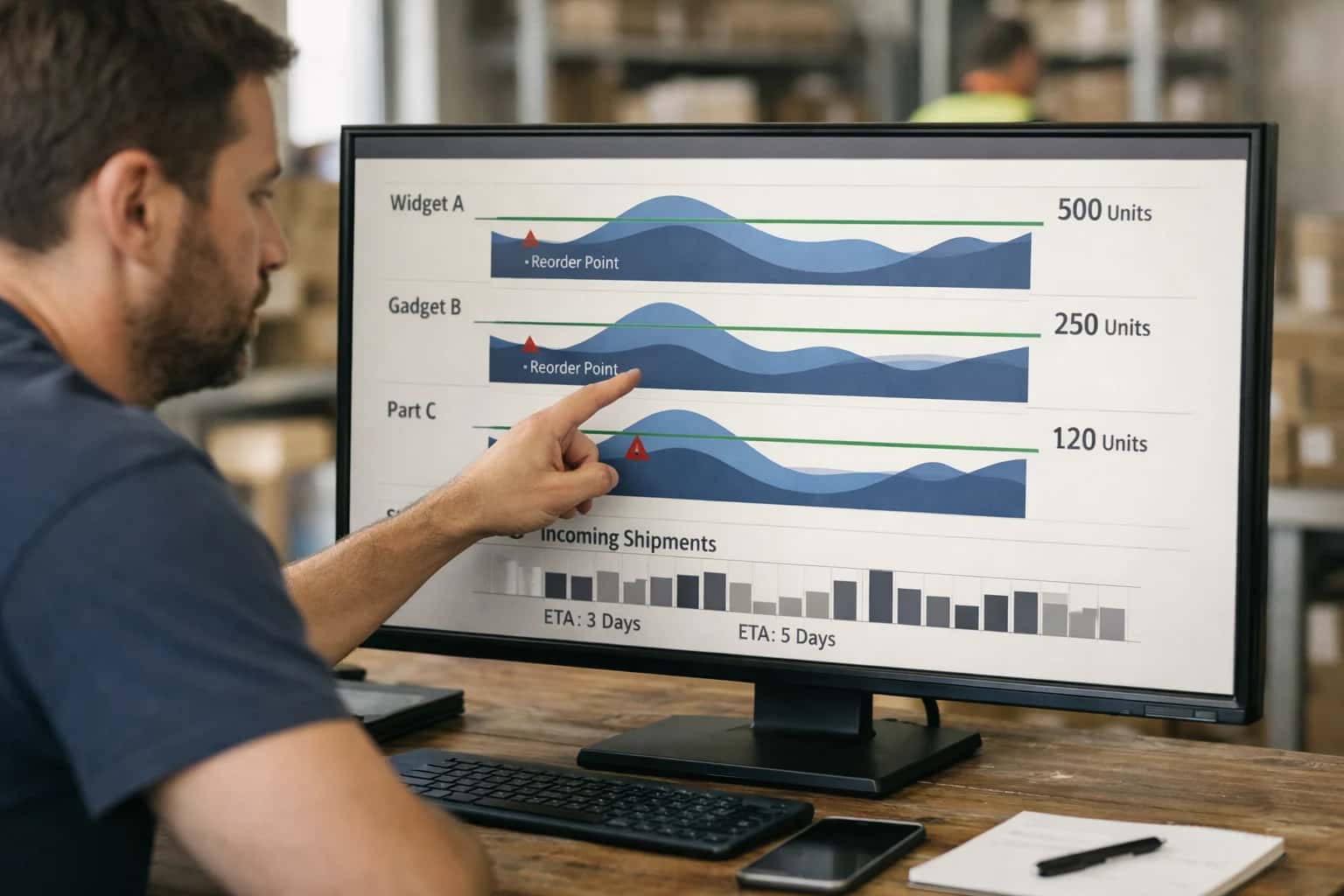
ARCHITECTURE AND ROLLOUT
Where AI Fits in Campground Turnover Operations
A practical blueprint for integrating AI into housekeeping and site preparation workflows to reduce downtime and improve guest satisfaction.
The implementation typically involves a lightweight orchestration layer that subscribes to reservation status webhooks and work order creation events. For example, when a check-out event is posted from ResNexus, the AI system can:
- Predict a site-ready time based on site size, weather data, and historical cleaner performance.
- Generate an optimized route and task sequence for cleaning crews across the property.
- Trigger automatic inventory checks for propane, firewood, or linens, creating low-stock alerts in Campground Master.
- Update the public-facing availability in the booking engine only when the AI confirms the site is truly ready, preventing overbooking.
Rollout should be phased, starting with a single property or loop to validate predictions and gather feedback from housekeeping staff. Governance is critical: all AI-generated schedules should be reviewable and overridable by a manager within the platform's native interface, and an audit log should track every AI recommendation and its human-accepted or modified outcome. This ensures the system assists rather than replaces human judgment, building trust and allowing for continuous improvement based on real-world operational data.
AI FOR HOUSEKEEPING & TURNOVER
Key Integration Surfaces in ResNexus and Campground Master
Reservation and Site Data Models
The core of any housekeeping AI integration is the reservation and site data model. In both ResNexus and Campground Master, this includes:
- Site Records: Site type (RV, tent, cabin), amenities, size, and specific location codes.
- Reservation Records: Check-in/out dates, guest count, site assignment, special requests (e.g., early check-in), and pet flags.
- Guest Folios: Notes on previous stays, reported issues, or preferences that could impact cleaning (e.g., allergies requiring special products).
AI agents consume this data via platform APIs to predict cleaning duration, flag high-priority turnovers (like back-to-back bookings), and automatically generate work orders. The key is mapping the site_id and reservation_id to create a unified view for the scheduling engine.
CAMPGROUND HOUSEKEEPING
High-Value AI Use Cases for Turnover Operations
Integrate AI with ResNexus and Campground Master to transform manual, reactive housekeeping into a predictive, optimized workflow. These use cases connect AI to reservation data, site status, and work order systems to reduce downtime and improve guest satisfaction.
01
Predictive Cleaner Dispatch
AI analyzes reservation check-out times, site types, and historical cleaning durations from ResNexus to predict workload. It automatically generates and prioritizes work orders in Campground Master, dispatching cleaners to sites likely to be vacated next, reducing site turnaround time.
Hours -> Minutes
Dispatch planning
02
Dynamic Supply Replenishment
An AI agent monitors inventory consumption logs and upcoming reservation details (e.g., family size, length of stay). It predicts restocking needs for linens, toiletries, and firewood, triggering purchase orders or transfer requests within Campground Master's vendor module before shortages occur.
Batch -> Real-time
Inventory alerts
03
Guest-Initiated Turnover Requests
Integrate an AI chat agent with the campground's guest app. Guests can report early departures or request specific cleaning services via natural language. The AI validates the reservation, updates the site status in ResNexus, and creates a tagged, high-priority work order in the housekeeping queue.
Same day
Request to action
04
Quality Assurance & Inspection Workflows
After a cleaner marks a site 'ready' in Campground Master, an AI workflow triggers. It can analyze photos submitted by staff for completeness or generate a tailored inspection checklist based on the previous guest's notes. Findings are logged, closing the loop on quality and training data.
1 sprint
Implementation cycle
05
Cross-Departmental Turnover Coordination
AI orchestrates handoffs between housekeeping, maintenance, and front desk. When a site requires both cleaning and a repair (e.g., a faulty outlet), the AI sequences tasks by analyzing work order types and estimated durations in Campground Master, then notifies the front desk via ResNexus when the site is truly guest-ready.
Batch -> Real-time
Status sync
06
Forecasting & Capacity Planning
For managers, an AI copilot queries historical turnover data, future bookings, and staff schedules from both platforms. It generates forecasts for weekly cleaner hours needed, identifies potential bottleneck days, and recommends optimal staffing levels, outputting reports to Campground Master's analytics dashboard.
Hours -> Minutes
Report generation
IMPLEMENTATION PATTERNS
Example AI-Powered Turnover Workflows
These workflows illustrate how AI agents integrate directly with ResNexus and Campground Master to automate housekeeping coordination, predict site readiness, and manage inventory, turning manual processes into intelligent, data-driven operations.
Trigger: A guest checks out via the ResNexus mobile app or front desk system.
Context Pulled: The AI agent queries the ResNexus API for:
- Site/RV pad number and type (e.g., 50-amp pull-through, cabin).
- Length of stay and guest notes (e.g., 'pet in cabin', 'large group').
- Next guest's arrival time (from the incoming reservation).
- Cleaner availability and current location (from Campground Master's staff schedule).
Agent Action: The LLM evaluates the complexity and urgency:
- Scores cleaning priority based on arrival gap (e.g.,
HIGHif next guest arrives in <2 hours). - Assigns estimated duration (e.g., 'Cabin with pet: 45 mins').
- Selects optimal cleaner based on proximity, skill, and current workload.
System Update: The agent creates a work order in Campground Master with:
- Assigned cleaner and priority flag.
- A dynamic checklist (e.g., 'extra vacuum for pet hair').
- Push notification sent to cleaner's mobile device via Campground Master's app.
Human Review Point: The head housekeeper receives a dashboard alert for any HIGH priority assignments that have a tight turnaround (<90 minutes) for a final verification before dispatch.
INTEGRATING AI WITH RESNEXUS AND CAMPGROUND MASTER
Implementation Architecture: Data Flow and System Boundaries
A practical blueprint for connecting AI agents to campground management platforms to automate housekeeping, predict turnover times, and manage inventory.
The core integration connects an AI orchestration layer to the ResNexus and Campground Master APIs, focusing on key data objects: Reservations, Sites (or Units), Work Orders, and Inventory Items. The AI system ingests real-time reservation check-out/check-in times, site attributes (like RV hookups or tent pad size), and current maintenance status. This data populates a vector store for semantic retrieval, enabling the AI to answer questions like "Which sites need cleaning by 3 PM?" or "What's the predicted readiness time for site A12?" The system uses webhooks from the platforms to trigger AI workflows—for example, a Reservation Status Changed event can automatically generate a cleaning task and assign it to the next available cleaner.
For turnover coordination, the AI model processes historical data on cleaning duration, staff availability (synced from the platform's Staff module), and real-time factors like weather delays. It outputs optimized schedules to a shared dispatch queue, which updates back to the platform's work order system via API. For supply management, the AI monitors inventory usage patterns tied to reservation types (e.g., family stays vs. RV groups) and site attributes, generating purchase recommendations or low-stock alerts. A critical boundary is maintaining a read-only connection to financial and guest PII data; the AI only accesses anonymized operational records needed for scheduling and forecasting, with all updates written back as standard work orders or inventory adjustments within the platform's existing audit trail.
Rollout typically starts with a single property or site type, using the AI as a recommendation engine where schedules are proposed to a manager for approval within ResNexus before auto-dispatching. Governance includes setting clear confidence thresholds for automated actions and implementing a human-in-the-loop review for exceptions, such as same-day reservations or special guest requests flagged in the Reservation Notes. This phased approach minimizes operational risk while demonstrating value through reduced scheduling gaps and more predictable site-ready times. For a deeper look at automating broader operational workflows, see our guide on AI for Campground Maintenance and Operations Scheduling.
AI FOR CAMPGROUND HOUSEKEEPING AND TURNOVER COORDINATION
Code and Payload Examples
Fetching and Updating Housekeeping Tasks
Integrating with ResNexus or Campground Master requires interacting with their work order or maintenance modules. The core pattern is to fetch pending tasks, use AI to predict duration and optimize the schedule, and push updates back.
Example Python API call to fetch tasks:
pythonimport requests # Fetch today's cleaning tasks from ResNexus response = requests.get( 'https://api.resnexus.com/v1/workorders', headers={'Authorization': 'Bearer YOUR_API_KEY'}, params={'status': 'pending', 'type': 'cleaning', 'date': '2024-05-15'} ) tasks = response.json()['workorders'] # AI logic to prioritize and assign (pseudocode) for task in tasks: site_type = task['site']['type'] # e.g., 'RV', 'Cabin', 'Tent' predicted_minutes = ai_model.predict_clean_time(site_type, task['notes']) task['estimated_duration'] = predicted_minutes
The AI model uses historical data on site types and special requests (e.g., 'deep clean', 'pet hair') to predict time, enabling dynamic schedule creation.
AI-ASSISTED HOUSEKEEPING COORDINATION
Realistic Operational Impact and Time Savings
This table illustrates the measurable improvements in key housekeeping and turnover workflows when AI is integrated with ResNexus or Campground Master to analyze reservation data, predict readiness, and optimize schedules.
| Metric | Before AI | After AI | Notes |
|---|---|---|---|
Daily Cleaner Schedule Creation | Manual, 1-2 hours | AI-generated draft in 15 minutes | AI analyzes check-outs, site types, and cleaner availability; manager reviews and adjusts. |
Site Ready-Time Predictions | Fixed 3 PM check-in | Dynamic, site-specific ETAs | AI predicts based on cleaner progress and site complexity; communicated via guest portal. |
Supply Inventory Replenishment | Weekly manual stock check | Automated low-stock alerts | AI tracks usage against upcoming reservations and flags items needing reorder. |
Turnover Exception Handling | Reactive, next-day resolution | Same-day triage and re-assignment | AI detects delays (e.g., late check-out) and suggests schedule adjustments to staff. |
Cross-Property Staff Allocation | Static assignments, manual calls | Optimized, forecast-based suggestions | AI analyzes multi-property demand in ResNexus to recommend moving cleaners between locations. |
Guest Inquiry on Site Status | Front desk calls housekeeping | Automated status via guest app/chat | AI provides estimated ready times by querying the live schedule, reducing front-desk calls by ~40%. |
Post-Clean Quality Assurance | Sporadic supervisor checks | Risk-based inspection targeting | AI flags high-turnover sites or new staff for priority review, improving consistency. |
CONTROLLED DEPLOYMENT FOR OPERATIONAL AI
Governance, Permissions, and Phased Rollout
Implementing AI for housekeeping requires careful planning around data access, human oversight, and incremental validation to ensure reliability and trust.
The integration architecture must respect the existing data and role permissions within ResNexus and Campground Master. AI agents should operate with service accounts that have scoped API access—typically read-only for reservation, site, and work order data, and write access only to specific objects like cleaner_assignments, inventory_alerts, or predicted_ready_times. This ensures the AI cannot inadvertently modify core financial records or guest personal data. Role-based access control (RBAC) from the PMS should be mirrored; for instance, a housekeeping supervisor's AI view might include performance analytics, while a front-desk agent's view only shows predicted room-ready times.
A phased rollout is critical. Start with a prediction-only phase, where the AI suggests cleaner schedules and supply needs but all changes are manually approved in the PMS interface. This builds trust and collects a feedback loop. Next, move to assisted automation, where the system can auto-assign routine turnovers but flags exceptions—like a site requiring deep cleaning after a long stay—for human review. The final phase is closed-loop automation for high-confidence scenarios, with a full audit trail logging every AI-initiated action (e.g., "AI assigned cleaner Jane to site A5 based on 2 PM checkout and 45-minute historical clean time").
Governance focuses on continuous monitoring and fallback procedures. Establish key performance indicators (KPIs) like schedule_adherence, overtime_reduction, and guest_complaints_related_to_cleanliness to measure impact. Implement a kill-switch workflow that can instantly revert to manual scheduling if the AI's predictions drift due to unforeseen events (e.g., a festival causing abnormal site conditions). Regular reviews with housekeeping leads ensure the system adapts to seasonal staffing changes and new cleaning protocols, making the AI a collaborative tool rather than a black-box directive.
Enabling Efficiency, Speed & Accuracy
Intelligent Analysis, Decision & Execution
We build AI systems for teams that need search across company data, workflow automation across tools, or AI features inside products and internal software.
Talk to Us
Search across company data
Give teams answers from docs, tickets, runbooks, and product data with sources and permissions.
Useful when people spend too long searching or get different answers from different systems.
Enterprise searchRAGPermissions
Read more
Automate internal workflows
Use AI to route work, draft outputs, trigger actions, and keep approvals and logs in place.
Useful when repetitive work moves across multiple tools and teams.
AI agentsWorkflow automationGovernance
Read more
Add AI to products and internal tools
Build assistants, guided actions, or decision support into the software your team or customers already use.
Useful when AI needs to be part of the product, not a separate tool.
AI integrationDecision supportModel routing
Read moreAI FOR CAMPGROUND HOUSEKEEPING AND TURNOVER COORDINATION
FAQ: Technical and Commercial Questions
Practical answers on implementing AI to optimize cleaner schedules, predict site-ready times, and manage inventory for campgrounds using ResNexus and Campground Master.
The integration uses secure API connections to the platforms' core modules. For housekeeping, the system typically:
- Triggers on reservation status changes (e.g.,
check-out,early departure) via webhooks or by polling theReservationsAPI endpoint. - Pulls context including:
- Site/RV pad number and type (from the
Siteobject). - Guest count and length of stay.
- Special requests or notes (e.g.,
pet_fee,extra_cleaning_requested). - Maintenance work orders linked to the site from the
WorkOrderstable.
- Site/RV pad number and type (from the
- Data is normalized into a common schema for the AI scheduler, which also ingests live data from IoT sensors (like dump station monitors) if available.
This ensures the AI has a complete, real-time picture of what needs to be cleaned and what condition it's in.

About the author
Prasad Kumkar
CEO & MD, Inference Systems
Prasad Kumkar is the CEO & MD of Inference Systems and writes about AI systems architecture, LLM infrastructure, model serving, evaluation, and production deployment. Over 5+ years, he has worked across computer vision models, L5 autonomous vehicle systems, and LLM research, with a focus on taking complex AI ideas into real-world engineering systems.
His work and writing cover AI systems, large language models, AI agents, multimodal systems, autonomous systems, inference optimization, RAG, evaluation, and production AI engineering.
LinkedIn
Limited slotsGet a Free AI Consultation
Partnered with leading AI, data, and software stack.





How We Work
Custom AI workflows for your Business
One-fit-all AI don't work for modern businesses. At Inferensys, we aim to understand your business & custom requirements; which we use to define most efficient agentic workflows, the data, and the tools for your business.
01
Review the use case
We understand the task, the users, and where AI can actually help.
Read more02
Pick the right approach
We define what needs search, automation, or product integration.
Read more03
Build the first useful version
We implement the part that proves the value first.
Read more04
Improve from there
We add the checks and visibility needed to keep it useful.
Read moreThe first call is a practical review of your use case and the right next step.
Talk to Us