AI integration for auto repair marketing connects directly to the Customer, Vehicle History, and Service Transaction modules within your shop management platform. The core architecture involves an AI agent that polls the platform's API or listens for webhooks on key events—like a completed repair order, a scheduled maintenance reminder, or a new customer record creation. This agent uses the rich customer and vehicle data (e.g., make/model, last service, spend history, mileage) to dynamically segment audiences into groups such as high-value repeat customers, first-time visitors, or owners of specific vehicle models due for recall work. These segments are then pushed back to the platform's native marketing tools or to connected systems like Mailchimp or Twilio for execution.

Integration
AI Integration for Auto Repair Marketing Platforms
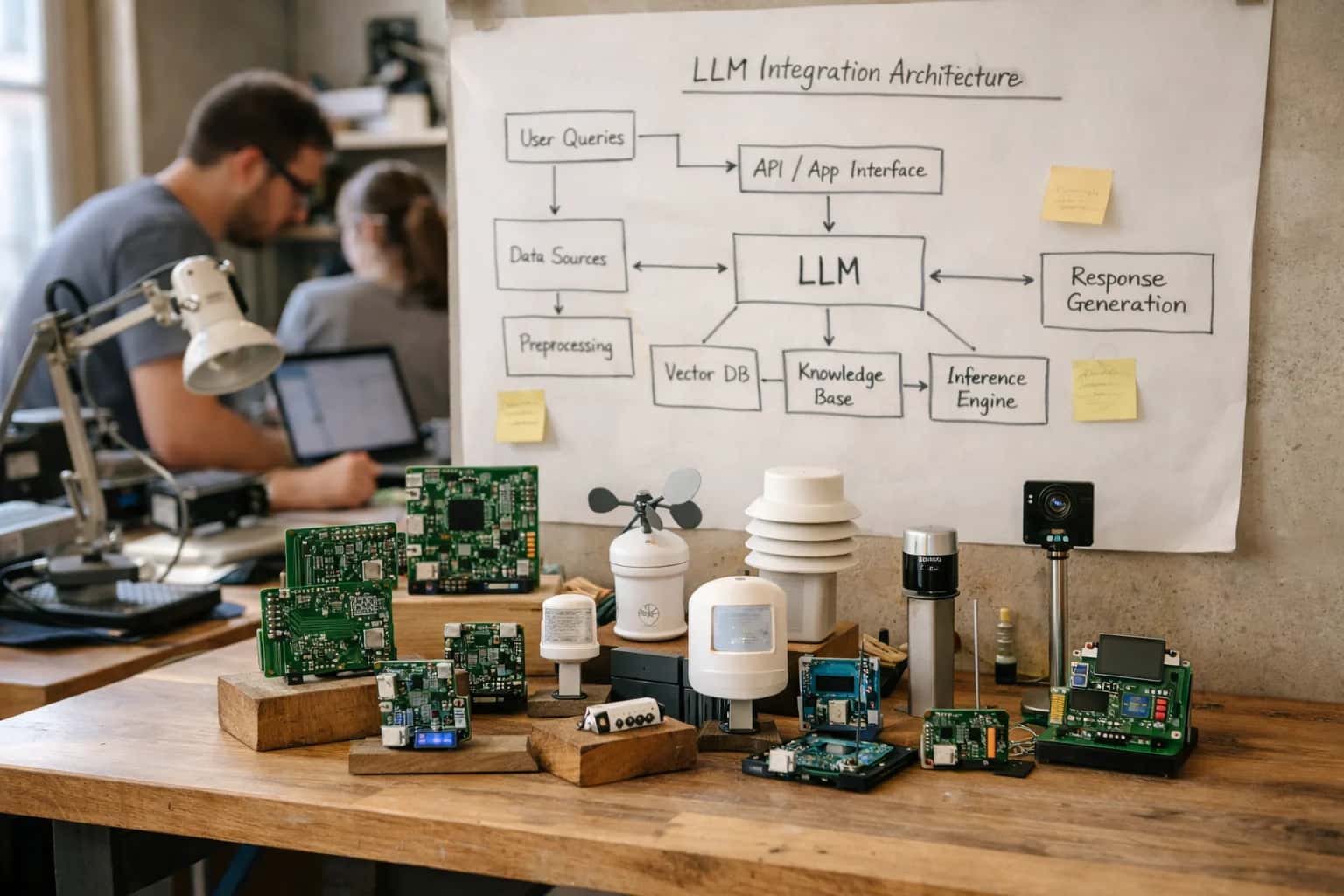
Where AI Fits into Auto Repair Marketing
A technical blueprint for integrating AI into the marketing workflows of platforms like Shopmonkey, Tekmetric, AutoLeap, and Mitchell 1 to automate audience segmentation, content generation, and campaign analysis.
For content generation, the AI leverages the context of the segment and the triggering event. For a customer whose vehicle just had brake work, the system can automatically draft a personalized email or SMS sequence about tire rotation or alignment checks, pulling in specific vehicle details to increase relevance. For lead generation campaigns, AI can analyze historical job data to identify the most profitable services (e.g., AC repair in summer) and generate targeted ad copy and landing page variants for Google Ads or Meta, with performance data fed back to the shop platform for closed-loop reporting. This moves marketing from broad, manual broadcasts to automated, hyper-personalized workflows that feel like one-to-one communication.
Rollout requires a phased approach, starting with a single high-impact workflow like automated post-service review requests or seasonal maintenance reminders. Governance is critical: all AI-generated communications should pass through a human-in-the-loop approval step or a content moderation layer before the first send, with clear audit trails logged back to the customer record. The final architecture ensures marketing becomes a responsive, data-driven operation that directly fuels the shop's service pipeline, turning customer data into predictable revenue.
Key Integration Surfaces by Platform
The Foundation for Personalization
AI-driven marketing starts with the rich customer and vehicle history stored in your shop platform. This surface includes the Customer Profile, Vehicle History, and Service Record modules. By integrating here, AI can segment audiences based on:
- Vehicle-specific criteria: Make, model, mileage intervals, past service types.
- Customer behavior: Visit frequency, average ticket size, responsiveness to past communications.
- Predictive signals: Time-since-last-service, upcoming maintenance milestones based on driving patterns.
Integration is typically via the platform's REST API to pull batch or real-time customer/vehicle data into a secure environment for AI processing. This creates a dynamic audience foundation for targeted campaigns.
High-Value AI Marketing Use Cases
Connect AI directly to your shop platform's customer and job data to automate personalized marketing, optimize lead generation, and measure campaign impact without manual data wrangling.
Automated Service Reminder Campaigns
AI agents monitor the Vehicle History and Mileage In fields in your shop platform. They trigger personalized email/SMS sequences for upcoming maintenance based on manufacturer intervals, local driving conditions, and the customer's specific service history, increasing repeat business.
Dynamic Customer Segmentation
Instead of static lists, AI continuously analyzes Repair Order totals, vehicle age/make, and communication preferences to create dynamic segments (e.g., 'High-Value European', 'Due for Brakes', 'Lapsed 90+ Days'). Sync these segments to your email/SMS platform for targeted messaging.
Personalized Campaign Content Generation
For each campaign, AI drafts personalized email and SMS copy by pulling in the customer's name, vehicle model, last service date, and recommended services. It ensures brand voice consistency and A/B tests subject lines to optimize open rates, directly from your shop platform's data.
Post-Service Review & Reputation Automation
After a job is marked 'Complete' and invoiced in the shop platform, AI automatically sends a review solicitation. It monitors sites like Google and Yelp for new reviews, analyzes sentiment, and drafts templated responses for manager approval, turning service satisfaction into marketing fuel.
Lead Scoring for Service Department
AI scores inbound web leads and phone inquiries by cross-referencing the vehicle VIN with your shop platform's history. Leads with existing high-value customers or vehicles due for major services are prioritized and routed instantly to advisors, improving conversion.
Campaign Performance & ROI Attribution
An AI analytics layer connects marketing campaign sends (e.g., a brake special email) directly to Closed Repair Orders in the shop platform. It attributes revenue, calculates cost-per-acquisition, and identifies which customer segments and message types drive the most profitable work.
Example AI Marketing Workflows
These workflows illustrate how AI agents, triggered by shop platform data, can automate high-value marketing activities—from segmentation to content generation and performance analysis—without manual intervention.
Trigger: A vehicle's LastServiceDate and CurrentMileage in the shop platform (e.g., Shopmonkey, Tekmetric) indicate a scheduled maintenance window is approaching.
Context/Data Pulled:
- Vehicle make, model, year, VIN.
- Customer contact info and preferred communication channel (SMS/email).
- Full service history from the platform's
RepairOrderobjects. - Manufacturer-recommended service intervals (via integrated guide or RAG).
Model/Agent Action:
- Predictive Recommendation: The AI analyzes service history against the vehicle's mileage/age to predict the most likely needed service (e.g., "60,000-mile service," "brake fluid flush").
- Personalized Content Generation: Drafts a personalized message using a templated prompt:
The LLM generates a friendly, non-technical explanation of why the service is recommended.codeCustomer: {CustomerName} Vehicle: {VehicleYear} {VehicleMake} {VehicleModel} Last Service: {LastServiceDate} - {LastServicePerformed} Current Mileage: {CurrentMileage} Recommended Service: {PredictedService} Estimated Price Range: ${PriceEstimate} - Upsell Identification: Cross-references the vehicle's history with common complementary services (e.g., if recommending an oil change, check if cabin air filter was last changed >1 year ago).
System Update/Next Step:
- The AI agent creates a draft campaign in the connected marketing platform (e.g., Klaviyo, a texting service) with the segmented audience and generated content.
- It can optionally create a "Service Offer" record in the shop platform linked to the customer's vehicle, making it instantly bookable.
- The campaign is scheduled for send, or sent to a marketing manager for one-click approval.
Human Review Point: For high-value estimates (e.g., over $1,000) or for customers flagged as "high-risk for churn," the system can route the generated content to a service advisor for a quick review before sending.
Implementation Architecture: Data Flow & Guardrails
A production-ready architecture for connecting AI to your shop platform's customer data to power targeted, compliant marketing campaigns.
The core integration pattern connects an AI orchestration layer to your shop management platform's Customer, Vehicle History, and Service Transaction modules via secure API calls or webhook listeners. For platforms like Shopmonkey, Tekmetric, or AutoLeap, this means extracting key data objects—customer contact info, vehicle VIN/mileage, past service codes, and average repair order (ARO) value—to build a dynamic customer profile. This data is then processed by an AI segmentation engine that applies rules (e.g., "high-value customers >3 years old, overdue for timing belt") and generates targeted audience lists for email or SMS campaigns.
Campaign execution is handled through a tool-calling AI agent that interfaces with your marketing platform's API (e.g., Klaviyo, Mailchimp). The agent uses the segmented lists and a library of approved brand templates to generate personalized content. For example, it might draft a service reminder email that references the customer's specific vehicle model, last service date, and a relevant seasonal maintenance tip. All generated content passes through a guardrail layer that checks for brand voice compliance, ensures no Personally Identifiable Information (PII) leakage in prompts, and logs the final output for manager review before sending.
The feedback loop is critical. Campaign performance data (open rates, click-throughs, booked appointments) is ingested back from the marketing platform. An analysis agent correlates this performance with the original customer segments and content themes, generating insights like "Reminder emails with specific mileage triggers have a 35% higher conversion rate." These insights are stored and used to automatically refine the segmentation and content generation rules, creating a self-optimizing system. All data flows, AI calls, and content approvals are logged with full audit trails to meet marketing compliance standards and provide clear ROI reporting to shop owners.
Rollout should be phased, starting with a single, high-confidence workflow like "30-Day Post-Service Follow-up Campaigns." Begin by connecting the AI to a sandbox environment of your shop platform to validate data extraction. Run the segmentation and content generation in a dry-run mode for a month, having marketing managers review all proposed outputs against a sample of historical campaigns. Only after establishing confidence in accuracy and brand alignment should you enable the automated send workflow, initially for a small control group of customers before scaling to the full list.
Code & Payload Examples
Segmenting Customers by Service Propensity
AI can analyze a shop platform's customer and vehicle history to predict the next likely service. This enables dynamic list creation in your marketing platform (e.g., Klaviyo, HubSpot) for targeted campaigns.
Key data points for the AI model include:
- Vehicle Data: Make, model, year, mileage (last recorded and estimated current).
- Service History: Past repairs, maintenance intervals, seasonal work.
- Customer Behavior: Response history to past communications, average repair order value.
The segmentation logic runs as a nightly batch job, querying the shop platform's database and updating audience lists via API.
python# Pseudo-code for nightly segmentation job def segment_for_maintenance_campaign(shop_db_conn, marketing_api_client): # Query vehicles due for oil service based on mileage/time vehicles_due = shop_db_conn.execute(""" SELECT customer_id, vehicle_id, last_oil_change_mileage, last_oil_change_date, estimated_current_mileage FROM vehicles WHERE estimated_current_mileage - last_oil_change_mileage > 5000 OR DATE_PART('day', CURRENT_DATE - last_oil_change_date) > 180 """) for vehicle in vehicles_due: # Enrich with customer profile profile = get_customer_profile(vehicle['customer_id']) # Call AI service for propensity score & recommended service ai_payload = { "vehicle": vehicle, "profile": profile, "shop_history": get_last_3_visits(vehicle['vehicle_id']) } recommendation = ai_client.predict_service(ai_payload) if recommendation['confidence'] > 0.7: # Add to "Oil Change Due" audience in marketing platform marketing_api_client.add_to_audience( audience_id="oil_change_due", contact_id=profile['marketing_id'], attributes={ "recommended_service": recommendation['service_code'], "estimated_price": recommendation['price_range'] } )
Realistic Time Savings & Business Impact
This table shows how integrating AI with your auto repair shop platform transforms manual, reactive marketing into a proactive, data-driven engine for service department growth.
| Marketing Workflow | Before AI | After AI | Implementation Notes |
|---|---|---|---|
Audience Segmentation for Campaigns | Manual export, spreadsheet filtering (2-4 hours weekly) | Automated, rule-based segmentation via API (15 minutes weekly) | AI analyzes customer history, vehicle data, and service intervals from the shop platform. |
Personalized Email/SMS Content Creation | Generic templates, manual copy updates (3-5 hours per campaign) | Dynamic content generation using customer/vehicle context (30 minutes per campaign) | AI drafts personalized messages; human reviews and approves final copy. |
Campaign Performance Analysis | Manual report building, gut-feel interpretation (Next-day review) | Automated KPI dashboards with insight summaries (Same-day review) | AI correlates campaign metrics with shop platform booking data to attribute leads. |
Lead Scoring from Web Forms/Ads | Manual review of every lead by service advisor | AI-assisted scoring based on vehicle make/model, service intent | Scores route high-intent leads directly to advisors; others go to nurture flow. |
Triggered Re-engagement Campaigns | Ad-hoc, often forgotten after service completion | Automated workflows based on shop platform job status and mileage | AI triggers win-back offers for lapsed customers or maintenance reminders. |
Competitive Offer & Promotion Testing | Infrequent, based on competitor guessing | Data-driven suggestion of offers based on seasonal service demand | AI analyzes historical shop data to recommend high-conversion promotions. |
Multi-Channel Campaign Orchestration | Disconnected emails, texts, and social posts | Unified cross-channel sequences managed from a single interface | AI ensures consistent messaging and optimal send times across channels. |
Governance, Permissions & Phased Rollout
A practical approach to launching AI-driven marketing within your auto repair shop's existing platform and team structure.
Effective governance starts with role-based access control (RBAC) mapped to your shop platform's existing user permissions. Marketing AI agents should operate with a service account that has read-only access to customer vehicle history, service records, and appointment data, but no write permissions to core transactional modules like Repair Orders or Invoices. All AI-generated campaign content (email/SMS drafts, audience segments) should be staged in a dedicated AI_Review queue within your marketing module (e.g., Shopmonkey's Campaigns or Tekmetric's Customer Hub) requiring a marketing manager or service advisor's approval before sending. This creates a mandatory human-in-the-loop for compliance and brand voice.
A phased rollout minimizes disruption and builds confidence. Phase 1 (Pilot): Connect the AI to a single, high-value workflow—such as generating personalized 3-Month Service Reminder campaigns based on historical mileage data. Limit the audience to a small segment of loyal customers. Use this phase to audit the AI's output accuracy and tune prompts. Phase 2 (Expansion): Activate AI for post-service review solicitation and targeted upsell campaigns for complementary services (e.g., brake fluid flush for high-mileage vehicles). Integrate performance feedback loops by connecting AI to your platform's campaign analytics to measure open rates and conversion lift. Phase 3 (Optimization): Enable predictive audience scoring, where the AI analyzes repair history and customer attributes to segment audiences for preventive maintenance packages or seasonal service promotions, automating the entire segmentation and first-draft content cycle.
Maintain a clear audit trail. Every AI-generated action—segment creation, content draft, or send decision—should log the triggering data point (e.g., vehicle_id: 12345, last_service: alignment), the source module, the approving user, and the final outcome to a dedicated log table or your platform's native audit system. This is critical for troubleshooting and demonstrating the ROI of the integration. Roll out new AI capabilities alongside updated SOPs for your service advisors, ensuring they understand how to review and edit AI suggestions, maintaining the personal touch that builds customer trust in a tech-enabled shop.
Enabling Efficiency, Speed & Accuracy
Intelligent Analysis, Decision & Execution
We build AI systems for teams that need search across company data, workflow automation across tools, or AI features inside products and internal software.
Talk to Us
Search across company data
Give teams answers from docs, tickets, runbooks, and product data with sources and permissions.
Useful when people spend too long searching or get different answers from different systems.

Automate internal workflows
Use AI to route work, draft outputs, trigger actions, and keep approvals and logs in place.
Useful when repetitive work moves across multiple tools and teams.

Add AI to products and internal tools
Build assistants, guided actions, or decision support into the software your team or customers already use.
Useful when AI needs to be part of the product, not a separate tool.
Frequently Asked Questions
Common technical and strategic questions about integrating AI with platforms like Shopmonkey, Tekmetric, AutoLeap, and Mitchell 1 to power targeted marketing campaigns.
The connection is typically a read-only API integration between your AI layer and the shop platform's customer/vehicle history module.
Typical Architecture:
- Authentication: Use OAuth 2.0 or API keys with scoped permissions (e.g.,
customer.read,vehicle.read,repair_order.read). - Data Sync: A lightweight ETL process runs on a schedule (e.g., nightly) or via webhook triggers (e.g.,
repair_order.completed) to pull relevant data into a secure vector database or data lake. - Context for AI: The AI model receives structured context like:
json
{ "customer_id": "CUST_123", "last_service_date": "2024-05-15", "vehicle_mileage": 65230, "last_service_type": "Brake Pad Replacement", "average_repair_value": 485.50 } - Security: Data is encrypted in transit (TLS 1.3) and at rest. The AI service never writes back to the core shop database; it only outputs campaign lists and content to your marketing module or a separate marketing automation platform.

About the author
Prasad Kumkar
CEO & MD, Inference Systems
Prasad Kumkar is the CEO & MD of Inference Systems and writes about AI systems architecture, LLM infrastructure, model serving, evaluation, and production deployment. Over 5+ years, he has worked across computer vision models, L5 autonomous vehicle systems, and LLM research, with a focus on taking complex AI ideas into real-world engineering systems.
His work and writing cover AI systems, large language models, AI agents, multimodal systems, autonomous systems, inference optimization, RAG, evaluation, and production AI engineering.
Partnered with leading AI, data, and software stack.





How We Work
Custom AI workflows for your Business
One-fit-all AI don't work for modern businesses. At Inferensys, we aim to understand your business & custom requirements; which we use to define most efficient agentic workflows, the data, and the tools for your business.
01
Review the use case
We understand the task, the users, and where AI can actually help.
Read more02
Pick the right approach
We define what needs search, automation, or product integration.
Read more03
Build the first useful version
We implement the part that proves the value first.
Read more04
Improve from there
We add the checks and visibility needed to keep it useful.
Read moreThe first call is a practical review of your use case and the right next step.
Talk to Us