When deploying AI models—whether from KServe, Seldon, or custom inference services—Kong for Kubernetes acts as the critical control plane. It transforms raw model endpoints into managed, production-grade APIs. The Ingress Controller exposes your AI services through Kong's routing, load balancing, and authentication, while the Kubernetes-native configuration (KongClusterPlugin, KongIngress) lets you apply AI-specific policies like request/response transformation, rate limiting for costly inference calls, and JWT validation for internal service-to-service communication.

Integration
AI Integration for Kong for Kubernetes
Deploy, expose, and govern AI/ML model endpoints as managed APIs using Kong Ingress Controller. Secure routing, intelligent traffic shifting, and enterprise observability for KServe, Seldon, and custom inference services.
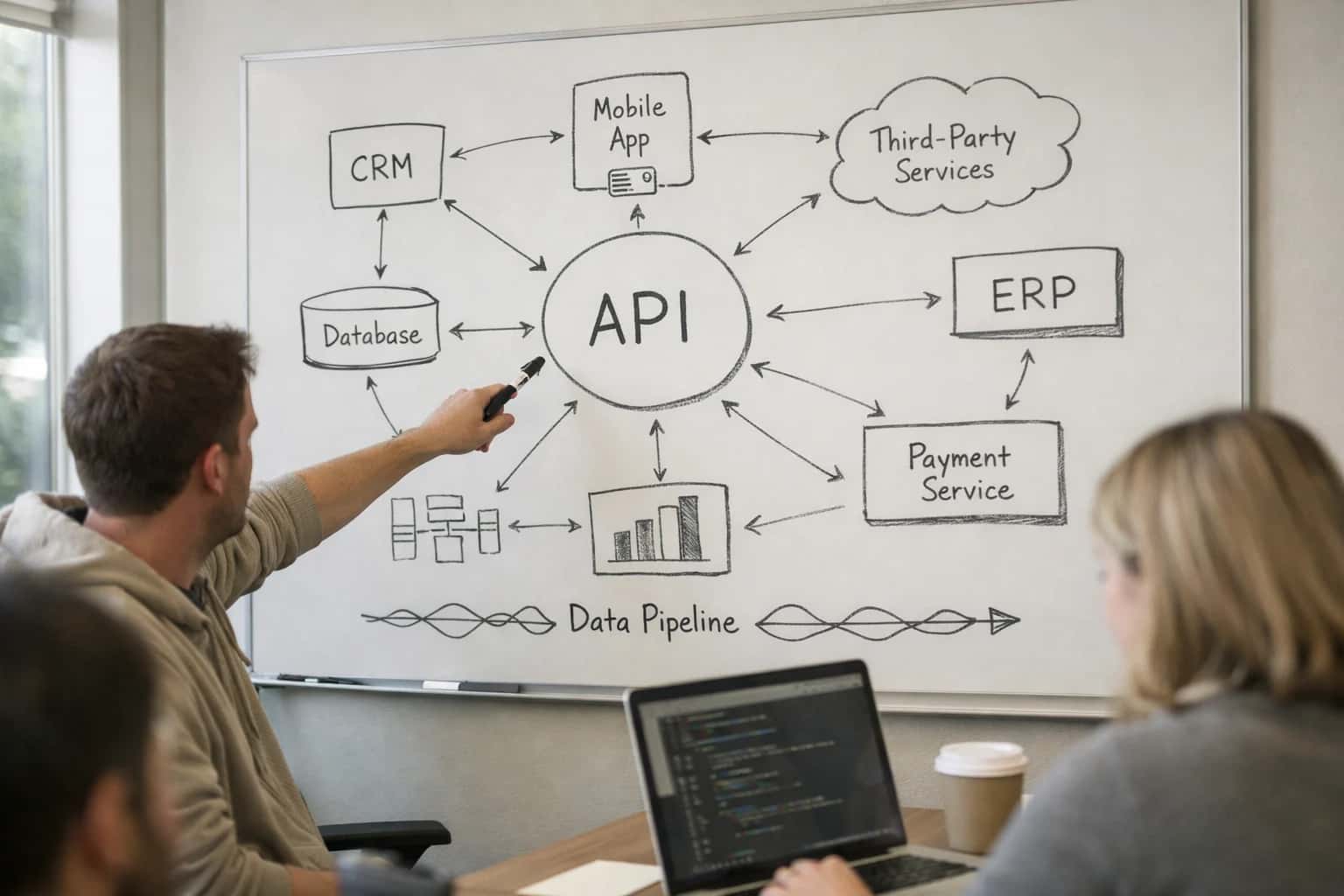
KONG FOR KUBERNETES
Where AI Fits in Your Kubernetes API Gateway Strategy
Deploy, secure, and orchestrate AI model endpoints as first-class APIs within your Kubernetes-native architecture.
High-value patterns include:
- Intelligent Canary Releases: Use Kong's traffic-splitting capabilities to route a percentage of requests to a new LLM version, while analyzing performance and cost metrics in real-time.
- Dynamic Request Routing: Based on request headers or payload content (e.g.,
model: "gpt-4"vsmodel: "claude-3"), Kong routes to the appropriate backend inference service, enabling multi-model architectures. - Cost & Performance Governance: Apply Kong plugins for rate limiting and request quotas per team or project to control spend on external AI APIs (e.g., OpenAI, Anthropic). Use the Prometheus plugin to monitor latency and error rates for AI endpoints alongside your traditional microservices.
- Security & Compliance: Inject plugins for PII redaction on the request path before data hits the model, or log all prompts and completions to a secure audit trail without modifying your inference service code.
A production rollout typically follows a GitOps pattern: your kustomize or Helm charts define Kong resources (like KongPlugin for OpenAI API key injection) alongside your Deployment and Service manifests for the AI workload. This ensures your AI gateway policies are versioned, reviewed, and deployed as part of the same CI/CD pipeline. Start by exposing a single, high-value model endpoint (e.g., a document summarization service) through Kong, applying baseline security and observability, then expand to manage the full lifecycle of your AI services as your platform matures.
INGRESS CONTROLLER PATTERNS FOR MANAGED AI INFERENCE
AI Integration for Kong for Kubernetes
Exposing KServe, Seldon, and Custom Model Pods
Kong for Kubernetes acts as the primary ingress layer, managing external traffic to AI inference services deployed as Kubernetes-native workloads. This is critical for exposing models from platforms like KServe, Seldon Core, or custom containers (e.g., TensorFlow Serving, TorchServe).
Key integration touchpoints:
- Service Discovery & Routing: Kong Ingress resources (
KongIngress,Ingress) route/predictor/v1/completionspaths to the correct backendServiceand model deploymentPod. - Canary Releases: Use Kong's canary annotation (
konghq.com/plugins: canary) to split traffic between model versions (e.g., v1 vs. v2 of a summarization model) for A/B testing or safe rollouts. - Protocol Translation: Kong handles HTTP/1.1, HTTP/2, and gRPC-web, allowing browser clients to call gRPC-based inference endpoints efficiently.
yaml# Example: Kong Ingress for a KServe InferenceService apiVersion: networking.k8s.io/v1 kind: Ingress metadata: name: llama2-inference annotations: konghq.com/strip-path: "true" spec: ingressClassName: kong rules: - http: paths: - path: /v1/chat/completions pathType: Prefix backend: service: name: llama2-predictor-default port: number: 80
KUBERNETES-NATIVE AI OPERATIONS
High-Value Use Cases for AI with Kong Ingress
Kong Ingress Controller provides the critical API gateway layer for Kubernetes, making it the ideal control point for managing, securing, and observing AI model endpoints. These patterns show how to move from static routing to intelligent, AI-aware traffic management.
01
Intelligent Canary Releases for AI Models
Route a percentage of inference traffic to a new model version (e.g., from KServe) while Kong collects latency, error rate, and business metrics. Use an AI model to analyze these metrics in real-time and automatically promote or roll back the canary based on performance objectives, not just manual thresholds.
Manual → Automated
Release decision
02
Dynamic Load Balancing & GPU-Aware Routing
Kong's upstream services typically point to statically defined model endpoints. Inject AI logic to analyze real-time metrics (GPU memory, queue depth, pod health) from Prometheus or the Kubernetes API. Kong plugins can then dynamically adjust load-balancing weights or route requests to the least-loaded inference server, optimizing throughput and cost.
Static → Adaptive
Traffic distribution
03
AI-Powered API Security & Anomaly Detection
Extend Kong's standard rate limiting and ACLs. Train a lightweight model on normal API traffic patterns to your /v1/completions or /v1/embeddings endpoints. A Kong plugin can score each request in real-time, blocking or challenging anomalous patterns indicative of prompt injection attacks, cost-based denial-of-service, or data exfiltration attempts.
Rules → Behavior
Threat detection
04
Request/Response Transformation for Model Interoperability
Use Kong's plugin architecture to normalize payloads between different AI model serving frameworks (e.g., TensorFlow Serving vs. Triton Inference Server). A plugin can call a small LLM to intelligently map field names, handle version differences, or even summarize verbose model outputs into a standardized schema before returning to the client, simplifying consumer integration.
1 sprint
Client integration time
05
Cost Attribution & Usage Metering by Tenant/Project
Kong already authenticates API consumers. Enhance this by adding a plugin that calculates the approximate inference cost per request based on model type, tokens processed, and GPU seconds used. This data can be written to a billing system or shown in real-time dashboards, enabling precise chargebacks and quota enforcement for internal AI platform teams.
Batch → Real-time
Cost visibility
06
Automated Fallback & Circuit Breaking
Configure Kong's health checks and circuit breakers not just on HTTP status, but on AI-specific quality metrics. A plugin can analyze response content for coherence scores or confidence levels. If a primary model (e.g., GPT-4) fails or returns low-confidence results, Kong can automatically reroute the request to a fallback model (e.g., a fine-tuned Llama 3) or a cached response, ensuring SLA adherence.
Hours -> Minutes
Mean time to recovery
KUBERNETES-NATIVE PATTERNS
Example AI Model API Workflows with Kong
Practical integration patterns for exposing, securing, and orchestrating AI inference endpoints (e.g., KServe, Seldon, custom models) using Kong for Kubernetes as a production-grade API gateway.
Safely roll out new AI model versions by using Kong's traffic-splitting capabilities, informed by real-time performance metrics.
- Trigger: A new model image (e.g.,
gpt-4-turbo-v2) is deployed to a Kubernetes cluster, registered as a newServicebehind Kong. - Context/Data Pulled: Kong Ingress Controller monitors latency, error rates, and business metrics (e.g., prediction confidence scores) from both the stable and canary model endpoints via Prometheus integration.
- Model/Agent Action: A lightweight AI agent (or a Kong plugin) analyzes the metrics stream. It evaluates if the canary meets SLOs (e.g., p99 latency < 200ms, error rate < 0.1%).
- System Update: Based on a predefined policy, Kong's declarative configuration is updated via its Admin API:
- If metrics pass: Traffic weight shifts from 5% to 50%, then 100%.
- If metrics fail: Traffic is routed back to 100% stable version, and an alert is sent.
- Human Review Point: A Slack notification is sent to the MLOps team for any automatic rollback, requiring manual approval to re-attempt the deployment.
Kong Configuration Snippet (Konnect or Declarative):
yamlapiVersion: configuration.konghq.com/v1 kind: KongIngress metadata: name: canary-model-route route: methods: - POST paths: - /v1/completions plugins: - name: traffic-split config: rules: - target: stable-model-service weight: 95 - target: canary-model-service weight: 5
KUBERNETES-NATIVE AI ENDPOINT MANAGEMENT
Implementation Architecture: Wiring AI Models to Kong Ingress
A practical blueprint for exposing and governing AI inference endpoints as managed APIs within your Kubernetes ecosystem using Kong Ingress Controller.
The core pattern involves deploying your AI models (e.g., served by KServe, Seldon Core, or custom deployments) as Kubernetes Services. Kong Ingress Controller then acts as the unified entry point, applying API management policies to these model endpoints. You define Ingress resources or Kong's custom resource definitions (KongIngress, KongPlugin) to configure routing, authentication, rate limiting, and observability for your /predict or /generate endpoints. This transforms raw model services into production-grade APIs with consistent security and operational controls.
Key implementation steps include:
- Service Discovery & Routing: Kong automatically discovers new model
Servicesand theirEndpoints. Use path-based routing (e.g.,/ai/models/llm/v1) or hostnames to direct traffic, enabling A/B testing between model versions by shifting traffic between backendDeployments. - Policy Enforcement: Attach Kong plugins for JWT validation, API key management, and IP restriction to secure model access. Apply rate limiting and request/response transformation plugins to shape traffic and format payloads for compatibility.
- Observability Integration: Kong's request/response logging, metrics, and distributed tracing (via OpenTelemetry) provide visibility into AI API latency, error rates, and usage patterns, feeding into your existing Prometheus/Grafana or Datadog dashboards.
For governance, manage this configuration declaratively using GitOps. Store your Kong CRDs (KongIngress, KongPlugin, KongConsumer) alongside your AI model Deployment manifests. This allows for auditable changes, rollbacks, and consistent environment promotion from staging to production. A critical consideration is GPU resource management; ensure your model Deployments have appropriate resource requests/limits, and use Kong's circuit breaker and health check plugins to prevent overloading expensive inference pods. This architecture centralizes control, allowing platform teams to enforce security and SLOs while enabling data science teams to deploy new models rapidly as standard Kubernetes services. For related patterns on securing these AI APIs, see our guide on AI Integration for API Security with Kong and Apigee.
KONG FOR KUBERNETES
Code and Configuration Examples
Exposing KServe Models as Managed APIs
Deploy a Kong Ingress resource to route external traffic to a KServe InferenceService. This pattern provides a single, secure entry point for multiple AI model endpoints, applying Kong's authentication, rate limiting, and observability policies before requests hit the inference runtime.
Key configuration elements:
- The
Ingressobject'sspec.rulespoints to the KServe service (e.g.,my-model-predictor-default.project.svc.cluster.local). - Kong plugins are attached via annotations to enforce JWT validation or API key authentication.
- This setup decouples client access from the underlying Knative or Kubernetes service details, allowing for seamless model version updates (A/B testing, canary) managed by KServe without changing client configurations.
yamlapiVersion: networking.k8s.io/v1 kind: Ingress metadata: name: kserve-model-ingress annotations: konghq.com/strip-path: "true" konghq.com/plugins: "jwt-auth, rate-limiting" spec: ingressClassName: kong rules: - http: paths: - path: /predict/my-model pathType: Prefix backend: service: name: my-model-predictor-default port: number: 80
KUBERNETES-NATIVE AI MODEL DEPLOYMENT
Operational Impact: Before and After Kong Integration
This table compares the operational realities of exposing and managing AI inference endpoints in Kubernetes before and after implementing Kong for Kubernetes as an intelligent API gateway layer.
| Operational Metric | Before Kong for Kubernetes | After Kong for Kubernetes | Implementation Notes |
|---|---|---|---|
AI Model Endpoint Exposure | Manual Ingress/Service definitions per model | Declarative, unified API product definition | Kong Ingress Controller automates routing to KServe, Seldon, or custom inference services |
Traffic Management & Canary Releases | Complex manual scripting for Istio or custom controllers | Built-in weighted routing and canary policies via KongPlugin | Route traffic between model versions (v1, v2) for A/B testing with Kong's declarative config |
Security & Authentication | Ad-hoc service mesh mTLS or per-service API keys | Centralized JWT validation, OAuth, and mTLS at the gateway | Apply consistent auth policies (e.g., API key for internal apps, OAuth for external) to all AI endpoints |
Rate Limiting & Quotas | Custom sidecar or application-level logic | Global and consumer-specific rate limiting policies | Protect expensive AI model endpoints from abuse and manage costs with Kong's rate-limiting plugins |
Observability & Monitoring | Scattered logs and metrics across pods and services | Unified request logs, latency metrics, and error rates | Kong's Prometheus metrics and distributed tracing provide a single pane for AI API health |
Request/Response Transformation | Code changes required in each model's serving container | Gateway-level plugins for payload modification, header injection | Adapt requests for model compatibility (e.g., JSON to protobuf) without touching inference code |
Developer & Consumer Onboarding | Manual coordination and documentation for each new endpoint | Self-service via Kong Konnect Developer Portal or automated CI/CD | Publish AI endpoints as managed API products with automatic OpenAPI spec generation |
OPERATIONALIZING AI INFERENCE AT THE INGRESS LAYER
Governance, Security, and Phased Rollout
Deploying AI models in production requires more than just exposing an endpoint; it demands a Kubernetes-native strategy for security, observability, and controlled rollout.
When deploying AI models (e.g., from KServe, Seldon, or custom pods) on Kubernetes, Kong for Kubernetes acts as the critical control plane. It governs access to your model endpoints through its Ingress Controller, applying policies like authentication, rate limiting, and request transformation before traffic hits your inference service. This creates a unified security perimeter: you manage access to your /predict or /v1/chat/completions endpoints with the same Kong Plugins and Consumer objects used for your traditional microservices, ensuring consistent RBAC and audit trails across all APIs.
A phased rollout is essential for managing risk and performance. Using Kong's canary release capabilities via KongIngress annotations or the KongPlugin for traffic splitting, you can route a small percentage of production traffic to a new model version (e.g., llm-service-v2) while monitoring key metrics. Pair this with Kong's native integration with Prometheus and Grafana to track latency, error rates, and token consumption. For GPU-intensive models, use Kong's health checks and circuit breakers to automatically drain traffic from unhealthy pods, preventing cascading failures and allowing for graceful scaling of expensive inference resources.
Governance extends to data in motion. Use Kong plugins for request/response transformation to mask PII or standardize payloads before they reach the model. Implement Kong's OpenTelemetry support to trace a request from the initial API call through the Kong gateway to the model inference and back, providing full visibility for compliance and debugging. Finally, manage this entire configuration—KongClusterPlugin, Ingress rules, Secret objects for API keys—as declarative YAML in Git, enabling GitOps workflows for your AI API infrastructure. This ensures changes are reviewed, versioned, and can be rolled back instantly, treating your AI endpoints with the same operational rigor as any core business service.
Enabling Efficiency, Speed & Accuracy
Intelligent Analysis, Decision & Execution
We build AI systems for teams that need search across company data, workflow automation across tools, or AI features inside products and internal software.
Talk to Us
Search across company data
Give teams answers from docs, tickets, runbooks, and product data with sources and permissions.
Useful when people spend too long searching or get different answers from different systems.
Enterprise searchRAGPermissions
Read more
Automate internal workflows
Use AI to route work, draft outputs, trigger actions, and keep approvals and logs in place.
Useful when repetitive work moves across multiple tools and teams.
AI agentsWorkflow automationGovernance
Read more
Add AI to products and internal tools
Build assistants, guided actions, or decision support into the software your team or customers already use.
Useful when AI needs to be part of the product, not a separate tool.
AI integrationDecision supportModel routing
Read moreKONG FOR KUBERNETES
Frequently Asked Questions
Practical questions for teams deploying AI models on Kubernetes and exposing them as managed APIs with Kong's Ingress Controller.
This is a core use case for Kong for Kubernetes. The typical workflow is:
- Deploy your AI model as a Kubernetes Service (e.g.,
tensorflow-inference-service) within a namespace, often via KServe or Seldon Core operators. - Define a Kong Ingress resource that routes external traffic to this service. This is your API contract.
yaml
apiVersion: networking.k8s.io/v1 kind: Ingress metadata: name: llm-prediction-api annotations: konghq.com/strip-path: "true" konghq.com/https-redirect-status-code: "301" spec: ingressClassName: kong rules: - host: api.yourcompany.com http: paths: - path: /v1/completions pathType: Prefix backend: service: name: llama-inference-service port: number: 8080 - Attach KongPlugins for security and governance. Essential plugins include:
key-authoropenid-connectfor API key or JWT authentication.rate-limitingto control costs and prevent model overload.request-transformerto add headers (e.g.,X-Model-Version) before the request hits your inference pod.
- Kong's Ingress Controller programs the data plane (Kong Gateway pods) to enforce these policies, creating a secure, observable facade for your internal model endpoint.

About the author
Prasad Kumkar
CEO & MD, Inference Systems
Prasad Kumkar is the CEO & MD of Inference Systems and writes about AI systems architecture, LLM infrastructure, model serving, evaluation, and production deployment. Over 5+ years, he has worked across computer vision models, L5 autonomous vehicle systems, and LLM research, with a focus on taking complex AI ideas into real-world engineering systems.
His work and writing cover AI systems, large language models, AI agents, multimodal systems, autonomous systems, inference optimization, RAG, evaluation, and production AI engineering.
LinkedIn
Limited slotsGet a Free AI Consultation
Partnered with leading AI, data, and software stack.





How We Work
Custom AI workflows for your Business
One-fit-all AI don't work for modern businesses. At Inferensys, we aim to understand your business & custom requirements; which we use to define most efficient agentic workflows, the data, and the tools for your business.
01
Review the use case
We understand the task, the users, and where AI can actually help.
Read more02
Pick the right approach
We define what needs search, automation, or product integration.
Read more03
Build the first useful version
We implement the part that proves the value first.
Read more04
Improve from there
We add the checks and visibility needed to keep it useful.
Read moreThe first call is a practical review of your use case and the right next step.
Talk to Us