Legacy TPM systems are reactive data tombs that record past promotions but cannot forecast their future impact, forcing you to plan with historical guesswork instead of predictive intelligence.

Blog
Why Your Legacy Trade Promotion System Is a Revenue Black Hole
Legacy Trade Promotion Management (TPM) systems operate on rear-view mirror logic, creating a multi-million dollar drain on promotional spend. This analysis explains the three core failures of legacy TPM, quantifies the revenue leakage, and details the AI-powered Revenue Growth Management (RGM) architecture required to reclaim lost margin.
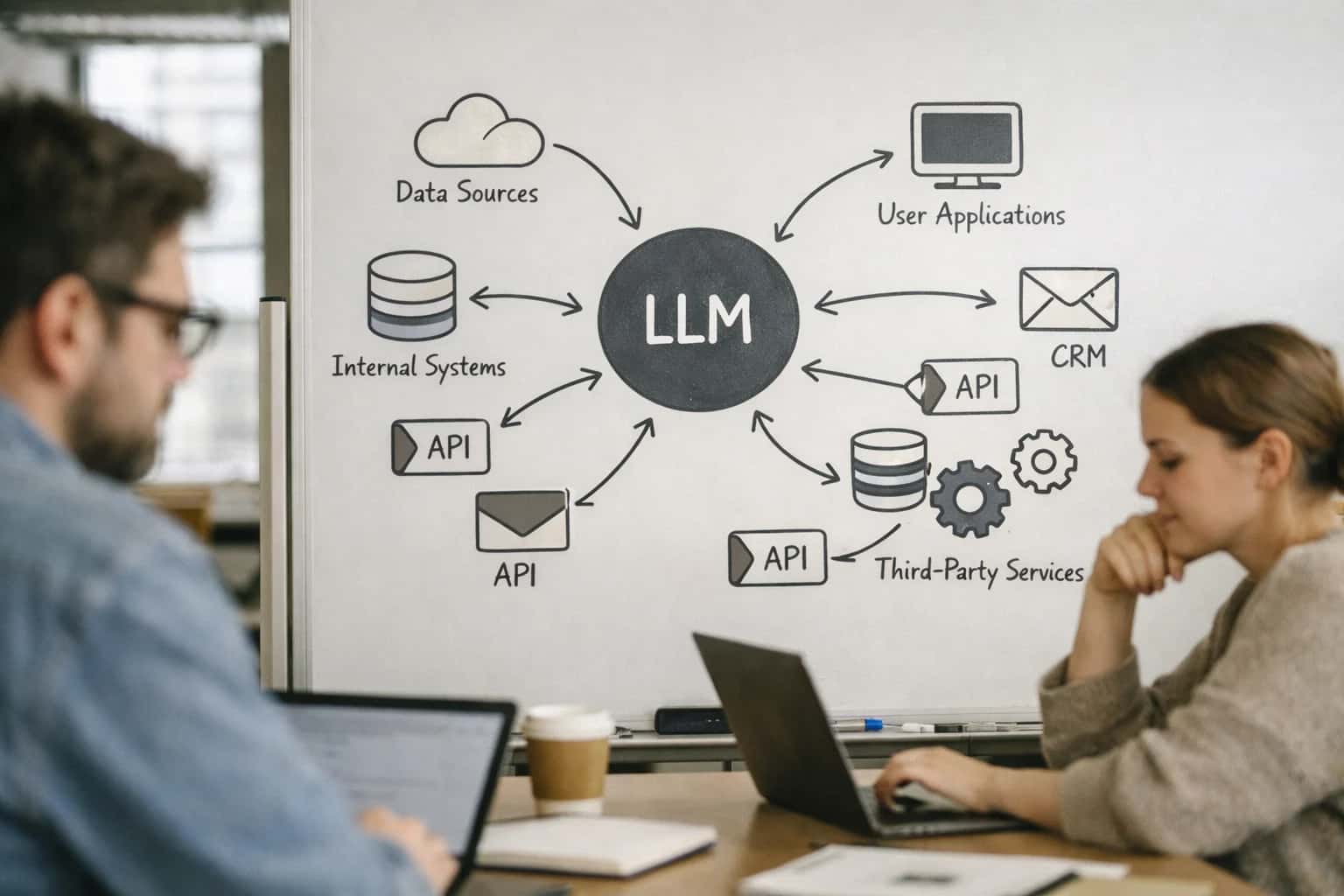
THE DATA
Your Promotional Budget Is Leaking, and Your TPM System Is the Hole
Legacy Trade Promotion Management (TPM) systems lack the AI-driven predictive visibility to optimize spend, turning promotions into a revenue black hole.
These systems create a massive data latency gap, relying on lagged ERP and POS data that arrives weeks after a promotion ends, making real-time course correction impossible.
The result is chronic promotional waste, where up to 30% of trade spend fails to generate incremental volume because the system cannot isolate true causal lift from market noise.
Modern AI-powered RGM platforms, like those built on TensorFlow Extended (TFX) or PyTorch, ingest real-time data streams to simulate outcomes before a dollar is spent.
This predictive visibility is the core of Revenue Growth Management (RGM) and Dynamic Pricing, transforming promotions from a cost center into a profit driver.
Evidence: Companies using AI for promotion optimization report a 15-25% increase in promotional ROI by dynamically reallocating funds to high-performing tactics in real-time.
WHY YOUR TPM IS FAILING
The Three Fatal Flaws of Legacy Trade Promotion Systems
Legacy Trade Promotion Management (TPM) systems operate on outdated data and static rules, creating a multi-billion dollar blind spot in your promotional spend.
01
The Black Box of Post-Event Analysis
Legacy systems rely on backward-looking, correlation-based reports that misattribute sales lift. This leads to systematic over-investment in ineffective promotions and an inability to forecast true ROI.
- Problem: Correlation ≠ causation. A 20% sales spike gets credited to your promotion, ignoring a competitor's stockout or a viral social media trend.
- Solution: Implement Causal AI models that isolate the true incremental impact of each promotion, separating signal from market noise. This is a core component of modern Predictive Visibility.
~40%
Wasted Spend
8-12 Weeks
Analysis Lag
02
The Static Rule Trap
Promotions are governed by rigid, human-defined rules that cannot adapt to real-time market shifts in demand, competition, or supply chain constraints.
- Problem: A "20% off" rule blasts across all regions, even where inventory is low or a competitor just launched a deeper discount, eroding margin for zero gain.
- Solution: Deploy AI-powered Dynamic Pricing and promotion engines that use reinforcement learning to continuously test and optimize offers against live market signals. This connects directly to building a competitive moat through algorithmic agility.
-15%
Margin Erosion
0%
Real-Time Adjustment
03
The Data Silo Death Spiral
TPM data is trapped in monolithic systems, disconnected from live ERP, point-of-sale, competitor pricing, and social sentiment feeds. This creates a garbage-in, garbage-out cycle for any analysis.
- Problem: Your promotion planning uses last quarter's shipment data, not yesterday's sell-through. This poisons any new AI model you layer on top.
- Solution: Modernize your data foundation through API-led integration and dark data recovery. This is a prerequisite for the MLOps pipelines needed to feed accurate, timely data into predictive RGM frameworks.
60-80%
Data Latency
$10M+
Hidden Opportunity Cost
FEATURED SNIPPET MATRIX
Quantifying the Revenue Black Hole: Legacy TPM vs. AI-Powered RGM
A direct comparison of core capabilities between legacy Trade Promotion Management (TPM) systems and modern AI-powered Revenue Growth Management (RGM) platforms.
| Core Capability / Metric | Legacy TPM System | AI-Powered RGM Platform | Business Impact |
|---|---|---|---|
Predictive Promotion Lift Forecasting | Moves from 50% guesswork to >85% forecast accuracy | ||
Promotional Spend Optimization ROI | 1-3% | 8-15% | 5-7x improvement in promotional efficiency |
Time to Analyze Promotion Performance | 3-5 weeks post-event | < 24 hours | Enables real-time budget reallocation |
Anomaly & Fraud Detection in Claims | Manual audit samples | AI-driven 100% validation | Reduces rebate leakage by 15-30% |
Causal Inference for True Sales Lift | Eliminates misattribution, isolates promotion impact from market noise | ||
Integration with Real-Time Data Feeds | ERP batch updates (24-48 hr lag) | API-first, real-time (weather, events, social) | Enables context-aware, dynamic offer adjustment |
Scenario Simulation ('What-If' Analysis) | Static spreadsheet models | AI-powered war-gaming engine | De-risks strategy, prevents catastrophic margin erosion |
Closed-Loop Model Retraining | Prevents model drift, ensures continuous performance against changing markets |
THE DATA
Why Predictive Visibility Demands a Shift from BI to AI
Business intelligence reports on the past; AI-powered predictive models forecast future scenarios to enable proactive revenue management.
Predictive visibility is an operational capability, not a reporting feature. It requires AI models that prescribe actions, not BI dashboards that visualize historical trends.
Legacy BI tools create a 'rearview mirror' effect. They analyze last quarter's promotion data, but cannot forecast next month's demand shifts or competitor price wars. This lag creates a revenue black hole.
AI models ingest real-time context. Advanced dynamic pricing engines from platforms like Pros or Zilliant incorporate live data feeds—weather, events, social sentiment—transforming pricing from reactive to prescriptive.
The shift demands a new data foundation. Predictive models require clean, granular data streams. Legacy ERP data often poisons new RGM AI, making modern data engineering with tools like Snowflake or Databricks a prerequisite.
Evidence: Companies using AI for predictive trade promotion optimization report a 15-25% increase in promotional ROI by preventing stockouts and optimizing discount depth. Learn more about building this foundation in our guide on why AI-powered RGM is an infrastructure play.
REVENUE BLACK HOLE
The Hidden Costs and Operational Risks of Legacy TPM
Legacy Trade Promotion Management systems lack AI-driven predictive visibility, leading to massive waste and missed revenue.
01
The Problem: The 40% Promotional Waste Tax
Legacy TPM operates on gut feel and lagging data, leading to systematic overspend. Without predictive models, you cannot isolate true promotion lift from market noise, resulting in chronic budget leakage.
- Correlation ≠ Causality: Legacy systems misattribute sales spikes, leading to ~40% of promotional spend being wasted on ineffective tactics.
- Reactive Planning: Promotions are planned months in advance, unable to adapt to real-time competitor moves or demand shifts.
- Manual Reconciliation: Teams spend weeks manually validating claims, a process ripe for error and fraud.
~40%
Spend Waste
Weeks
Reconciliation Lag
02
The Solution: AI-Powered Predictive Visibility
Modern Revenue Growth Management platforms use AI to forecast demand, simulate scenarios, and prescribe optimal spend. This shifts TPM from a cost center to a profit driver.
- Causal Inference Models: AI isolates the true impact of a promotion, ensuring spend drives incremental revenue.
- Real-Time Simulation: Test thousands of 'what-if' scenarios for promotions and pricing before deployment using digital twin principles.
- Closed-Loop Optimization: A continuous feedback loop from point-of-sale data retrains models, preventing model drift and revenue leakage.
10-15%
Incremental Lift
Real-Time
Scenario Planning
03
The Problem: The Data Foundation Gap
Legacy ERP and TPM systems create siloed, dirty, and lagged data. This 'dark data' is unusable for modern AI, creating an infrastructure gap that dooms new initiatives.
- Siloed Systems: Promotion data is trapped in monolithic mainframes, inaccessible for real-time analysis.
- Dirty Data Legacy: Incomplete sell-in/sell-out data corrupts AI models from the start, a core challenge in Legacy System Modernization.
- Lagged Insights: By the time a promotion's 'success' is reported, the market has moved on, making insights irrelevant.
70%+
Data Unusable
30+ Days
Insight Latency
04
The Solution: Modern Data Fabric & MLOps
Bridging the infrastructure gap requires a modern data foundation built for AI. This involves API-wrapping legacy systems, creating a clean, real-time data pipeline, and implementing robust MLOps.
- API-First Integration: Use the 'Strangler Fig' pattern to gradually extract and modernize promotion data flows.
- MLOps Lifecycle: Deploy models in shadow mode to validate performance, then monitor for drift with automated retraining pipelines.
- Unified Promotion-to-Cash View: Integrate TPM with supply chain AI and dynamic pricing for a holistic Revenue Growth Management strategy.
90%
Data Accessibility
Automated
Model Governance
05
The Problem: The Governance & Trust Deficit
Black-box promotional algorithms create regulatory, audit, and internal trust risks. Without explainability, finance teams cannot validate spend, and leadership cannot sign off on AI-driven strategies.
- Audit Trail Gaps: Legacy systems lack granular logging, making it impossible to reconstruct why a promotion was approved.
- Compliance Risk: Inability to explain price changes or promotional discrimination violates principles of AI TRiSM and emerging regulations.
- Organizational Friction: Sales and marketing teams distrust recommendations they cannot understand, leading to manual overrides.
High
Compliance Risk
Low
Stakeholder Trust
06
The Solution: Explainable AI (XAI) & Co-Piloted Workflows
Implement AI that explains its reasoning and integrates human strategic oversight. This creates a governed, transparent system where AI prescribes and humans command.
- Explainable AI (XAI): Generate plain-English rationales for every promotion recommendation and budget allocation, ensuring board-level auditability.
- Human-in-the-Loop Gates: Design workflows where AI suggests, but key strategic decisions require human validation for brand and channel governance.
- Predictive Visibility Dashboards: Move beyond BI reporting to interfaces that show forecasted outcomes and prescribed actions, closing the intent gap between insight and execution.
Full
Audit Trail
Co-Piloted
Decision Making
THE DATA
The 'Lift and Shift' Fallacy: Why a New UI Won't Fix Your TPM
A legacy trade promotion system's core failure is its data architecture, which a cosmetic UI overhaul cannot address.
Legacy TPM systems are data silos. They trap mission-critical information in monolithic databases like Oracle or SAP, making it inaccessible for real-time AI analysis. A new interface merely dresses up this broken foundation.
Predictive visibility requires a modern data fabric. You need a pipeline that ingests POS, shipment, and syndicated data from IRI or Nielsen into a vector database like Pinecone or Weaviate. This enables semantic search for promotion patterns a SQL database cannot find.
A UI refresh ignores the inference gap. Legacy systems calculate post-event accruals. AI-driven Revenue Growth Management requires real-time predictive models to forecast promotion lift and optimize spend before the event occurs. This is an infrastructure problem.
Evidence: Correlation is not causation. A legacy system might show a sales spike during a promotion. A causal AI model, using frameworks like DoWhy or EconML, isolates the true incremental lift from market noise, preventing revenue leakage from misattributed spend. This requires a new data core, not a new skin.
The solution is a Strangler Fig migration. Incrementally replace the legacy data layer with a cloud-native stack, wrapping old APIs to feed a new AI control plane. This is the focus of our Legacy System Modernization services. Only then can you deploy the predictive models discussed in our RGM pillar.
LEGACY TPM ANALYSIS
Key Takeaways: Escaping the Revenue Black Hole
Legacy Trade Promotion Management systems are not just outdated; they actively destroy margin through blind spending and reactive guesswork.
01
The Problem: The $1 Trillion Blind Spot
Legacy TPM operates on lagged, aggregated data, creating a predictive black hole. You allocate millions based on what happened last quarter, not what will happen next week.\n- ~40% of trade spend is typically wasted on ineffective promotions.\n- Promotional lift is measured via correlation, misattributing up to 30% of sales to the wrong drivers.\n- This blind spot directly creates the 'revenue black hole'—funds disappear with no measurable ROI.
~40%
Spend Wasted
-30%
Lift Accuracy
02
The Solution: AI-Powered Predictive Visibility
AI-driven Revenue Growth Management replaces hindsight with foresight. Models ingest real-time POS data, competitor moves, and external signals (weather, events) to forecast promotion impact before a dollar is spent.\n- Enables proactive budget reallocation to high-performing channels in days, not months.\n- Uses causal inference models to isolate the true impact of a promotion from market noise.\n- This is the core of our Predictive Visibility framework within the Revenue Growth Management pillar.
15-25%
ROI Lift
70% Faster
Insight Velocity
03
The Critical Shift: From BI Dashboards to AI Agents
Business Intelligence shows you the crater after the meteor hits. AI agents act as your early-warning system and automated response team.\n- Multi-Armed Bandit algorithms autonomously test and shift spend to optimal promotions.\n- Reinforcement Learning agents continuously optimize pricing and offers based on live market feedback.\n- This moves you from static reporting to a closed-loop, self-improving RGM system, a foundational concept in Agentic AI and Autonomous Workflow Orchestration.
10x
Test Iterations
Auto-Pilot
Promotion Mgmt
04
The Prerequisite: Fix Your Data Foundation
Deploying RGM AI on top of legacy ERP data is like putting a jet engine on a horse cart. Dirty, lagged data poisons models.\n- Requires a modern data pipeline to cleanse and unify POS, shipment, and syndicated data in near real-time.\n- Legacy System Modernization via API-wrapping or the 'Strangler Fig' pattern is often the first, critical step.\n- This addresses the infrastructure gap that traps mission-critical data, a core challenge we solve.
-50%
Data Latency
Clean Data
Model Fuel
05
The Non-Negotiable: Explainable AI (XAI) & MLOps
A black-box pricing model is a regulatory and brand liability. Success requires governance and continuous iteration.\n- Explainable AI (XAI) provides audit trails for why a price or promotion was set, essential for board-level trust.\n- Robust MLOps monitors for model drift and automates retraining, preventing silent revenue leakage.\n- This operational discipline falls under AI TRiSM: Trust, Risk, and Security Management, ensuring your RGM AI is both effective and accountable.
100%
Audit Ready
Zero Drift
Model Integrity
06
The Outcome: From Cost Center to Profit Engine
A modern, AI-powered RGM system transforms trade spend from a nebulous cost of doing business into a measurable profit driver.\n- Achieves predictive visibility that turns promotions into a revenue accelerator, not a margin drain.\n- Enables hyper-personalized rebate programs validated by AI anomaly detection to eliminate fraud.\n- This creates a defensible competitive moat through superior pricing and promotion agility that legacy players cannot match.
3-5%
Net Revenue Growth
Strategic Moat
Competitive Edge
Enabling Efficiency, Speed & Accuracy
Intelligent Analysis, Decision & Execution
We build AI systems for teams that need search across company data, workflow automation across tools, or AI features inside products and internal software.
Talk to Us
Search across company data
Give teams answers from docs, tickets, runbooks, and product data with sources and permissions.
Useful when people spend too long searching or get different answers from different systems.
Enterprise searchRAGPermissions
Read more
Automate internal workflows
Use AI to route work, draft outputs, trigger actions, and keep approvals and logs in place.
Useful when repetitive work moves across multiple tools and teams.
AI agentsWorkflow automationGovernance
Read more
Add AI to products and internal tools
Build assistants, guided actions, or decision support into the software your team or customers already use.
Useful when AI needs to be part of the product, not a separate tool.
AI integrationDecision supportModel routing
Read moreTHE DATA
Stop Funding the Black Hole. Start Building Predictive Visibility.
Legacy Trade Promotion Management (TPM) systems lack the AI-driven predictive visibility needed to optimize promotional spend, leading to massive waste and missed revenue.
Legacy TPM systems are a revenue black hole because they rely on backward-looking data and manual processes, making it impossible to forecast promotion lift or optimize spend in real-time.
Promotional waste is structural, not accidental. These systems treat promotions as a cost center, not a revenue lever. They lack the causal inference models to isolate a promotion's true impact from market noise, leading to chronic misallocation of funds.
Predictive visibility demands AI, not BI. Business intelligence dashboards show what happened. AI-powered predictive models from frameworks like PyTorch or TensorFlow forecast what will happen, enabling proactive budget shifts before a promotion fails.
Evidence: A 2023 Nielsen study found that over 50% of trade promotions are unprofitable, a direct result of this analytical gap. Modern AI-powered RGM frameworks close it by simulating scenarios before spend is committed.
The fix is an infrastructure play. Success requires replacing the black box with a closed-loop MLOps pipeline. This system ingests real-time POS, competitor, and event data, runs models, prescribes actions, and retrains based on actual sales outcomes. For a deeper technical breakdown, see our guide on why RGM is an infrastructure play.
Without this foundation, you fund guesswork. The alternative is predictive visibility—a system where every dollar of promotional spend is a calculated investment with a forecasted return, managed through platforms like DataRobot or H2O.ai. Learn how this shifts the paradigm in our piece on predictive vs. reactive pricing.

About the author
Prasad Kumkar
CEO & MD, Inference Systems
Prasad Kumkar is the CEO & MD of Inference Systems and writes about AI systems architecture, LLM infrastructure, model serving, evaluation, and production deployment. Over 5+ years, he has worked across computer vision models, L5 autonomous vehicle systems, and LLM research, with a focus on taking complex AI ideas into real-world engineering systems.
His work and writing cover AI systems, large language models, AI agents, multimodal systems, autonomous systems, inference optimization, RAG, evaluation, and production AI engineering.
LinkedIn
Limited slotsGet a Free AI Consultation
Partnered with leading AI, data, and software stack.





How We Work
Custom AI workflows for your Business
One-fit-all AI don't work for modern businesses. At Inferensys, we aim to understand your business & custom requirements; which we use to define most efficient agentic workflows, the data, and the tools for your business.
01
Review the use case
We understand the task, the users, and where AI can actually help.
Read more02
Pick the right approach
We define what needs search, automation, or product integration.
Read more03
Build the first useful version
We implement the part that proves the value first.
Read more04
Improve from there
We add the checks and visibility needed to keep it useful.
Read moreThe first call is a practical review of your use case and the right next step.
Talk to Us