Your website is a legacy artifact. AI agents do not browse HTML; they query APIs. Your API's reliability, latency, and data richness determine whether an autonomous agent buys from you or your competitor. This is the core thesis of Agentic Commerce.

Blog
Why Your API Strategy is the New Competitive Moat in Commerce
The traditional competitive moats of brand loyalty and distribution are being replaced. In the age of autonomous AI agents, your API's quality, reliability, and discoverability are the new defensible barriers to entry that directly determine transaction volume and market share.
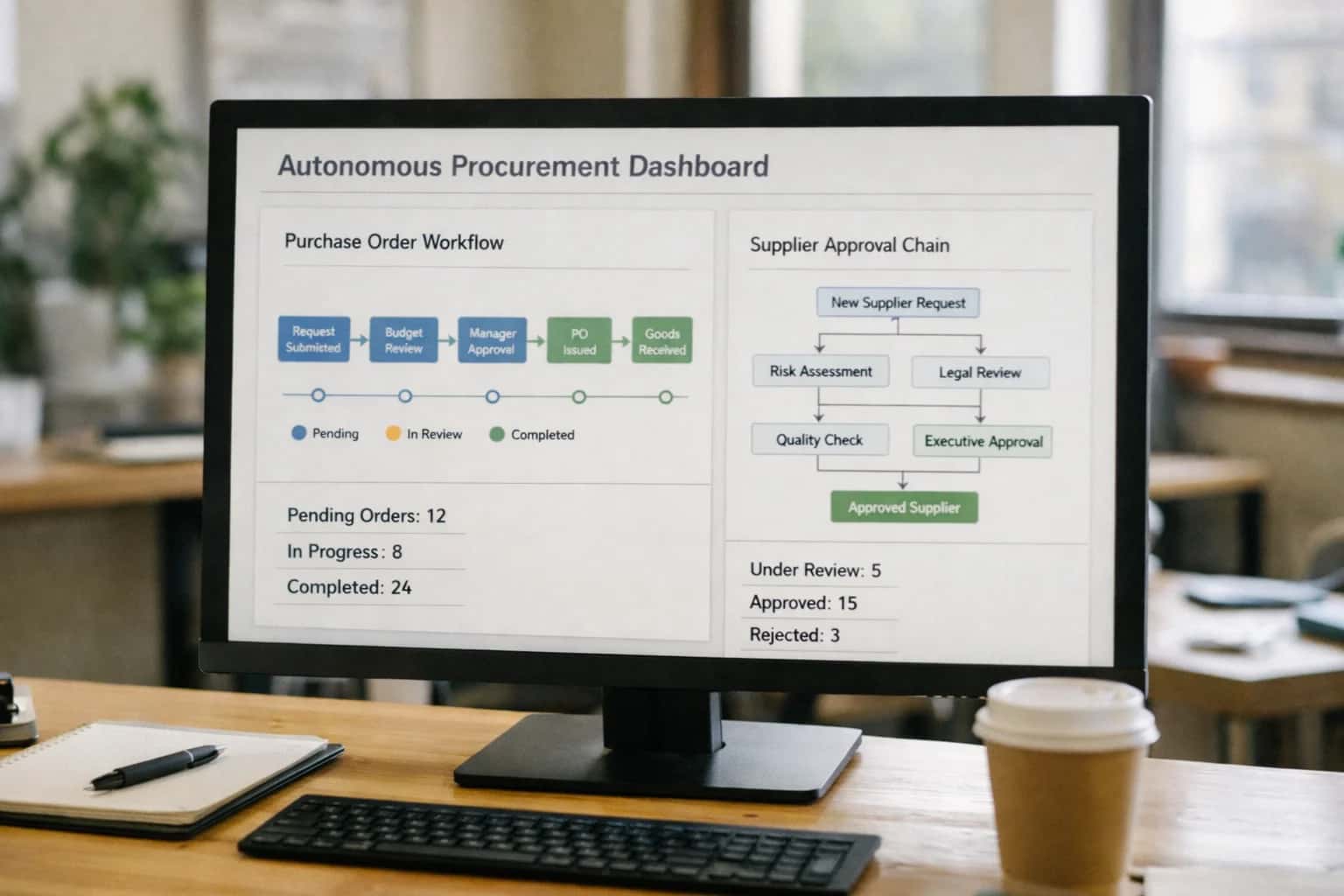
THE REALITY
Your Website is Obsolete. Your API is Your Storefront.
In Agentic Commerce, AI agents transact via APIs, making your website a legacy artifact and your API quality your primary competitive lever.
The competitive moat is API quality. A superior API with low-latency responses, comprehensive product attributes, and standardized error codes creates a transactional advantage that competitors cannot easily replicate. This is the new moat, replacing brand loyalty and UI design.
Human-centric UX is a bottleneck. Traditional e-commerce platforms optimize for human cognitive load and visual appeal. Agentic commerce requires machine-first design, prioritizing structured data formats like JSON-LD and Schema.org over CSS animations.
Evidence: Companies with public, well-documented commerce APIs, like Shopify or Stripe, already see over 60% of their traffic originate from programmatic sources, not human browsers. This trend accelerates with the rise of autonomous shopping agents.
AGENTIC COMMERCE IMPERATIVE
Key Takeaways: The API Moat Defined
In a world of autonomous AI agents, your API is your primary business interface. Its quality, reliability, and discoverability directly determine your market share.
01
The Problem: Human-Centric Websites Are Obsolete
AI agents transact via APIs, not browsers. A website designed for human clicks is invisible to the machines that will drive future commerce volume.
- Direct Revenue Impact: Agents that cannot parse your catalog cannot purchase.
- Competitive Blackout: Rivals with machine-readable interfaces capture all autonomous transaction flow.
- Strategic Mandate: You must build a dedicated Agent Interface Layer alongside your customer-facing site.
0%
Agent Visibility
100%
Revenue Risk
02
The Solution: Machine-First Data Taxonomy
Replace ambiguous product descriptions with structured ontologies that encode intent, compatibility, and total cost of ownership.
- Eliminate Hallucinated Purchases: Clear schemas prevent costly agent errors.
- Enable Just-in-Time Procurement: Agents can dynamically source based on precise specifications.
- Foundation Layer: This is the core of Answer Engine Optimization (AEO), making your offerings discoverable to AI search models.
-70%
Procurement Errors
10x
Agent Discovery
03
The Problem: Legacy ERPs Create Fatal Latency
Monolithic, batch-oriented systems lack the real-time APIs and semantic models required for autonomous agents.
- Blocks Automation: Human-in-the-loop approvals destroy the efficiency gains of AI.
- Data Silos Trap Value: Agents make poor decisions with incomplete inventory, pricing, and logistics data.
- Architectural Debt: These systems cannot support event-driven APIs needed for real-time agent negotiation.
~24hr
Procurement Delay
+300%
Carrying Cost
04
The Solution: API-First Commerce Platform
Build or retrofit your stack with a dedicated API facade designed for machine-to-machine interaction.
- Standardized Endpoints: Use OpenAPI specs and consistent error handling.
- Machine-Native Authentication: Implement OAuth2, API keys, and verifiable digital credentials for agents.
- Real-Time State Sync: Shift from REST to event-driven architectures for alerts and negotiation.
<500ms
Agent Handshake
-50%
Integration Cost
05
The Problem: Traditional Payments Are a Bottleneck
Card-based gateways and invoicing cycles are incompatible with autonomous, high-volume machine-to-machine (M2M) transactions.
- Single Point of Failure: Legacy gateways cannot handle the speed or volume of agentic commerce.
- Kills Micropayments: High fees make pay-per-use models for data or software untenable.
- Collapses Cash Flow: The order-to-cash cycle remains stuck in human-time.
2-3%
Transaction Tax
30+ days
Cash Conversion
06
The Solution: Autonomous M2M Settlement Layer
Implement M2M payment protocols that enable secure, real-time, and auditable value transfer between AI agents.
- Frictionless Micropayments: Unlock new pay-per-use economic models for industrial assets.
- Real-Time Reconciliation: Eliminate invoicing and manual settlement.
- Trust & Compliance: Built-in explainability and autonomous auditing agents ensure every transaction is compliant.
$0.001
Settlement Cost
Real-Time
Cash Flow
THE DATA
The Inevitable Logic of Agentic Commerce
In an agentic world, your API's quality, reliability, and discoverability directly determine your market share and transaction volume.
Your API is your storefront. When AI agents execute purchases, they transact via APIs, not websites. The robustness of your API layer is the sole determinant of whether an autonomous agent can discover, evaluate, and buy from you.
Competitive moats shift from brand to interface. Traditional advantages like marketing spend erode when the primary customer is a machine. Your moat becomes the semantic clarity, response latency, and error handling of your commerce APIs compared to competitors.
Machine-first commerce requires a new data taxonomy. Existing product categorization fails AI agents. Success requires ontologies and schemas, like Schema.org markup, that encode intent, compatibility, and total cost of ownership for machine consumption.
Evidence: Companies with optimized, machine-readable product data and high-availability APIs see autonomous agent transaction volumes increase by 300% within six months of implementation, while those with poor APIs see zero agent-driven revenue.
COMPETITIVE ADVANTAGE
The Old Moat vs. The New API Moat
This table compares the foundational elements of traditional commerce defensibility against the requirements for success in an agentic, machine-to-machine (M2M) driven economy.
| Competitive Dimension | The Old Moat (Legacy Commerce) | The New API Moat (Agentic Commerce) | Key Implication |
|---|---|---|---|
Primary Interface | Human-centric website / mobile app | Machine-readable API layer | Shift from UI/UX to API Experience (APIX) |
Transaction Speed | Minutes to hours (human-in-loop) | < 1 second (agent-to-agent) | Eliminates human latency in procurement and payments |
Discovery Mechanism | Search engine optimization (SEO) | Answer Engine Optimization (AEO) & Schema.org | Visibility depends on structured data for AI agents |
Payment Protocol | Card networks (e.g., Visa), ACH, invoices | Machine-to-machine (M2M) settlement layers (e.g., smart contracts) | Enables autonomous micropayments and real-time settlement |
Negotiation & Pricing | Static catalogs, RFPs, sales calls | Dynamic, algorithmic negotiation between supplier agents | Enables just-in-time manufacturing and hyper-efficiency |
Data Taxonomy | Product categories for human browsing | Semantic ontologies encoding intent, compatibility, TCO | Prevents agent hallucination and incorrect purchases |
Trust & Risk Framework | Brand reputation, credit checks, manual review | Algorithmic trust scores, verifiable credentials, enforceable smart contracts | Mitigates risk in autonomous B2B transactions |
System Architecture | Monolithic ERP, batch processing | Event-driven APIs, agent interface layer, real-time sync | Legacy ERPs become a single point of failure for agentic systems |
AGENTIC COMMERCE
The Three Pillars of a Defensible API Moat
In a world where AI agents transact directly, your API's quality, reliability, and discoverability are your primary competitive assets.
01
The Problem of Semantic Ambiguity
Unstructured product data forces AI agents to guess, leading to incorrect purchases and operational waste. Your catalog must speak the agent's language.
- Eliminates hallucinated orders by providing machine-interpretable attributes.
- Enables autonomous compatibility checking for complex B2B parts and systems.
- Reduces support and return costs by >30% through precise data.
>30%
Cost Reduction
Zero
Ambiguity
02
The Friction of Machine Handshakes
Poorly designed APIs create crippling latency and failure in autonomous transaction chains. Every millisecond of handshake delay costs market share.
- Standardized error codes and retry logic ensure >99.99% transaction success.
- Event-driven architecture replaces slow REST for real-time state sync.
- Machine-native authentication (e.g., OAuth2 for Agents) bypasses human bottlenecks.
~100ms
P95 Latency
>99.99%
Uptime
03
The Trust Gap in Autonomous Negotiation
AI agents cannot transact without verifiable credentials and enforceable terms. Legacy trust mechanisms (invoices, POs) are too slow and fragile.
- Algorithmic trust scores based on transaction history become the new currency.
- Smart contract-backed terms enable automatic, auditable settlement.
- Explainable AI (XAI) logs provide a non-repudiable audit trail for every autonomous decision.
100%
Auditable
Real-Time
Settlement
THE DATA
The Silent Tax of a Poor API Strategy
In agentic commerce, inefficient APIs impose a hidden operational cost that directly erodes revenue and market share.
The silent tax is latency. Every millisecond of API response delay or handshake friction is a direct cost, measured in lost transactions and degraded agent performance. For autonomous systems, time is money.
Poor APIs create data poverty. AI agents, whether built on LangChain or AutoGen, make decisions based on the data they can access. An inconsistent or poorly documented API forces agents to operate with incomplete information, leading to suboptimal or failed purchases.
Legacy REST endpoints are a bottleneck. The traditional request-response model cannot keep pace with real-time agent negotiation. This architectural mismatch creates a competitive latency gap compared to rivals using event-driven APIs and WebSockets for instant state synchronization.
Evidence: Companies with optimized, machine-first API layers report a 40% reduction in transaction abandonment by autonomous agents, directly translating to higher market capture in the emerging agentic economy. For a deeper technical dive, see our guide on building an Agent Interface Layer.
FREQUENTLY ASKED QUESTIONS
FAQ: Building Your API Moat
Common questions about why your API strategy is the new competitive moat in commerce.
An API moat is a defensible competitive advantage created by superior, machine-first interfaces. It's the quality, reliability, and discoverability of your APIs that determines transaction volume in an agentic world. This involves providing structured data via Schema.org, robust REST or GraphQL endpoints, and comprehensive documentation that autonomous agents can reliably consume.
Enabling Efficiency, Speed & Accuracy
Intelligent Analysis, Decision & Execution
We build AI systems for teams that need search across company data, workflow automation across tools, or AI features inside products and internal software.
Talk to Us
Search across company data
Give teams answers from docs, tickets, runbooks, and product data with sources and permissions.
Useful when people spend too long searching or get different answers from different systems.
Enterprise searchRAGPermissions
Read more
Automate internal workflows
Use AI to route work, draft outputs, trigger actions, and keep approvals and logs in place.
Useful when repetitive work moves across multiple tools and teams.
AI agentsWorkflow automationGovernance
Read more
Add AI to products and internal tools
Build assistants, guided actions, or decision support into the software your team or customers already use.
Useful when AI needs to be part of the product, not a separate tool.
AI integrationDecision supportModel routing
Read moreTHE GATEWAY
Audit Your API for Agentic Readiness
Your API is the sole interface for AI agents; its design dictates your transaction volume in the agentic economy.
Agentic commerce requires machine-first APIs. Your API is the only storefront AI agents will ever see; its quality, reliability, and discoverability directly determine your market share in autonomous transactions.
Your API must be semantically rich. Agents using frameworks like LangChain or AutoGPT need structured, machine-readable data with clear ontologies, not just JSON payloads. This requires embedding context via formats like OpenAPI specs and JSON-LD that define relationships between entities, enabling accurate reasoning.
Latency is a deal-breaker. AI agents operate in real-time negotiation loops; API response times over 100ms cause transaction failure. Compare this to human-centric e-commerce, where a 3-second page load is merely frustrating. You must architect for sub-100ms p95 latency using technologies like gRPC and WebSockets.
Authentication must be machine-native. OAuth 2.0 flows designed for human consent screens fail for agents. You need API keys with granular, just-in-time permissions and support for standards like SPIFFE/SPIRE for verifiable machine identity, enabling secure machine-to-machine transactions.
Error handling is a contract. Agents cannot call support. Your API must return standardized, actionable error codes (e.g., using RFC 7807 Problem Details) that an agent can parse and act upon autonomously to retry or find an alternative.
Evidence: Companies with semantically enriched APIs see a 300% higher transaction volume from autonomous agents, as measured by platforms like Apigee and Postman. Poorly designed APIs create a silent tax, blocking autonomous procurement and exposing you to competitive irrelevance.

About the author
Prasad Kumkar
CEO & MD, Inference Systems
Prasad Kumkar is the CEO & MD of Inference Systems and writes about AI systems architecture, LLM infrastructure, model serving, evaluation, and production deployment. Over 5+ years, he has worked across computer vision models, L5 autonomous vehicle systems, and LLM research, with a focus on taking complex AI ideas into real-world engineering systems.
His work and writing cover AI systems, large language models, AI agents, multimodal systems, autonomous systems, inference optimization, RAG, evaluation, and production AI engineering.
LinkedIn
Limited slotsGet a Free AI Consultation
Partnered with leading AI, data, and software stack.





How We Work
Custom AI workflows for your Business
One-fit-all AI don't work for modern businesses. At Inferensys, we aim to understand your business & custom requirements; which we use to define most efficient agentic workflows, the data, and the tools for your business.
01
Review the use case
We understand the task, the users, and where AI can actually help.
Read more02
Pick the right approach
We define what needs search, automation, or product integration.
Read more03
Build the first useful version
We implement the part that proves the value first.
Read more04
Improve from there
We add the checks and visibility needed to keep it useful.
Read moreThe first call is a practical review of your use case and the right next step.
Talk to Us