
Differences
Hardware-in-the-Loop Simulation Platforms
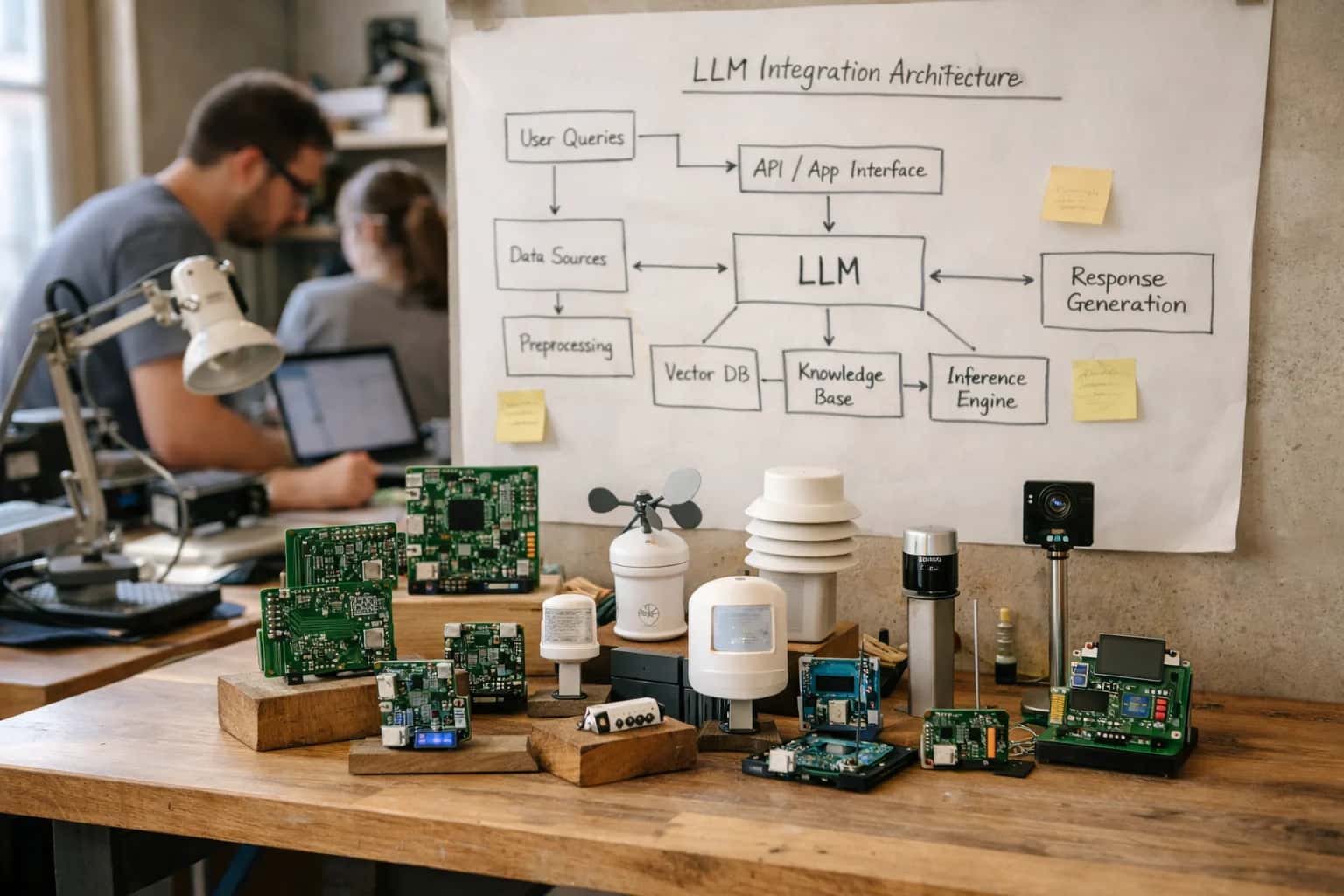
Hardware-in-the-Loop Simulation Platforms
Comparisons related to integrating real hardware components with simulated environments for validation. Target: VPs of hardware engineering and safety certification leads.
dSPACE SCALEXIO vs OPAL-RT HYPERSIM
Head-to-head comparison of the two dominant real-time simulation platforms for power systems and power electronics hardware-in-the-loop (HIL) testing, focusing on solver fidelity, I/O scalability, and model integration for grid modernization.
Typhoon HIL vs OPAL-RT eFPGASIM
Detailed comparison of FPGA-based microgrid and power converter HIL testing solutions, evaluating sub-microsecond time-step performance, ease of circuit design, and library depth for controller hardware-in-the-loop (C-HIL) validation.
NI VeriStand vs Speedgoat Real-Time
Comparison of real-time test management software and target hardware for multi-domain HIL systems, analyzing workflow integration, Simulink compatibility, and custom device extensibility for aerospace and automotive applications.
dSPACE VEOS vs MathWorks Simulink Test
Evaluation of PC-based simulation platforms for virtual ECU testing and early HIL validation, comparing model fidelity, debugging capabilities, and the transition path to full hardware-in-the-loop systems.
Vector CANoe vs Intrepid neoVI
Comparison of automotive network interface and testing tools for residual bus simulation and communication HIL, focusing on protocol coverage, real-time performance, and integration with higher-level test automation.
OPAL-RT eMEGASIM vs RTDS NovaCor
In-depth comparison of real-time digital simulators for large-scale electromagnetic transient (EMT) power grid studies, evaluating simulation capacity, hardware architecture, and suitability for utility-grade HIL testing.
dSPACE AURELION vs NI MonoDrive
Comparison of sensor fusion HIL platforms for autonomous driving validation, analyzing the realism of camera, radar, and lidar models, scenario authoring capabilities, and integration with vehicle dynamics simulators.
dSPACE ASM vs IPG CarMaker
Comparison of high-fidelity virtual vehicle models for automotive HIL simulation, evaluating real-time engine, vehicle dynamics, and chassis model performance for powertrain and ADAS controller testing.
MathWorks Simulink Real-Time vs NI VeriStand
Comparison of desktop and real-time HIL workflows from MathWorks and NI, focusing on model preparation, I/O driver support, and user interface design for control prototyping and hardware validation.
dSPACE SYNECT vs NI SystemLink
Comparison of data management and collaboration platforms for HIL test operations, evaluating traceability from requirements to test results, automated reporting, and enterprise-scale data streaming and analysis.
OPAL-RT TestDrive vs dSPACE AutomationDesk
Comparison of test automation frameworks for real-time HIL systems, analyzing script-based vs. sequence-based test authoring, library reusability, and integration with continuous integration/continuous testing (CI/CT) pipelines.
dSPACE SCALEXIO LabBox vs NI PXI Chassis
Comparison of modular, lab-grade HIL hardware platforms, evaluating processor performance, I/O module variety, signal conditioning options, and scalability for multi-ECU integration testing.
OPAL-RT ARTEMiS vs dSPACE ASM Electric
Comparison of real-time electrical and motor solver libraries for HIL, focusing on FPGA-based execution speed, model fidelity for switching converters and electric drives, and integration with mechanical plant models.
dSPACE TargetLink vs MathWorks Embedded Coder
Comparison of production code generation tools used in model-based design and HIL verification, evaluating code efficiency, traceability, and support for safety standards like ISO 26262.
Vector vVIRTUALtarget vs dSPACE VEOS
Comparison of software-in-the-loop (SIL) platforms designed for seamless transition to HIL, evaluating virtual ECU integration, bus simulation accuracy, and debugging capabilities for AUTOSAR-based systems.
OPAL-RT OP4510 vs Speedgoat Performance
Comparison of entry-level to mid-range real-time target machines for HIL, analyzing processor speed, FPGA capabilities, I/O connectivity, and cost-effectiveness for academic and small-team development.
dSPACE Failure Insertion Unit vs OPAL-RT Signal Conditioning
Comparison of fault injection and signal conditioning solutions for HIL reliability testing, evaluating switching speed, fault type coverage, and integration with real-time models for safety-critical system validation.
NI SLSC vs Pickering LXI
Comparison of signal conditioning and switching platforms for extending HIL system I/O, focusing on module density, signal routing flexibility, and software integration for high-channel-count aerospace and automotive test.
Partnered with leading AI, data, and software stack.





How We Work
Custom AI workflows for your Business
One-fit-all AI don't work for modern businesses. At Inferensys, we aim to understand your business & custom requirements; which we use to define most efficient agentic workflows, the data, and the tools for your business.
01
Review the use case
We understand the task, the users, and where AI can actually help.
Read more02
Pick the right approach
We define what needs search, automation, or product integration.
Read more03
Build the first useful version
We implement the part that proves the value first.
Read more04
Improve from there
We add the checks and visibility needed to keep it useful.
Read moreThe first call is a practical review of your use case and the right next step.
Talk to Us