
Differences
Incident Detection Models
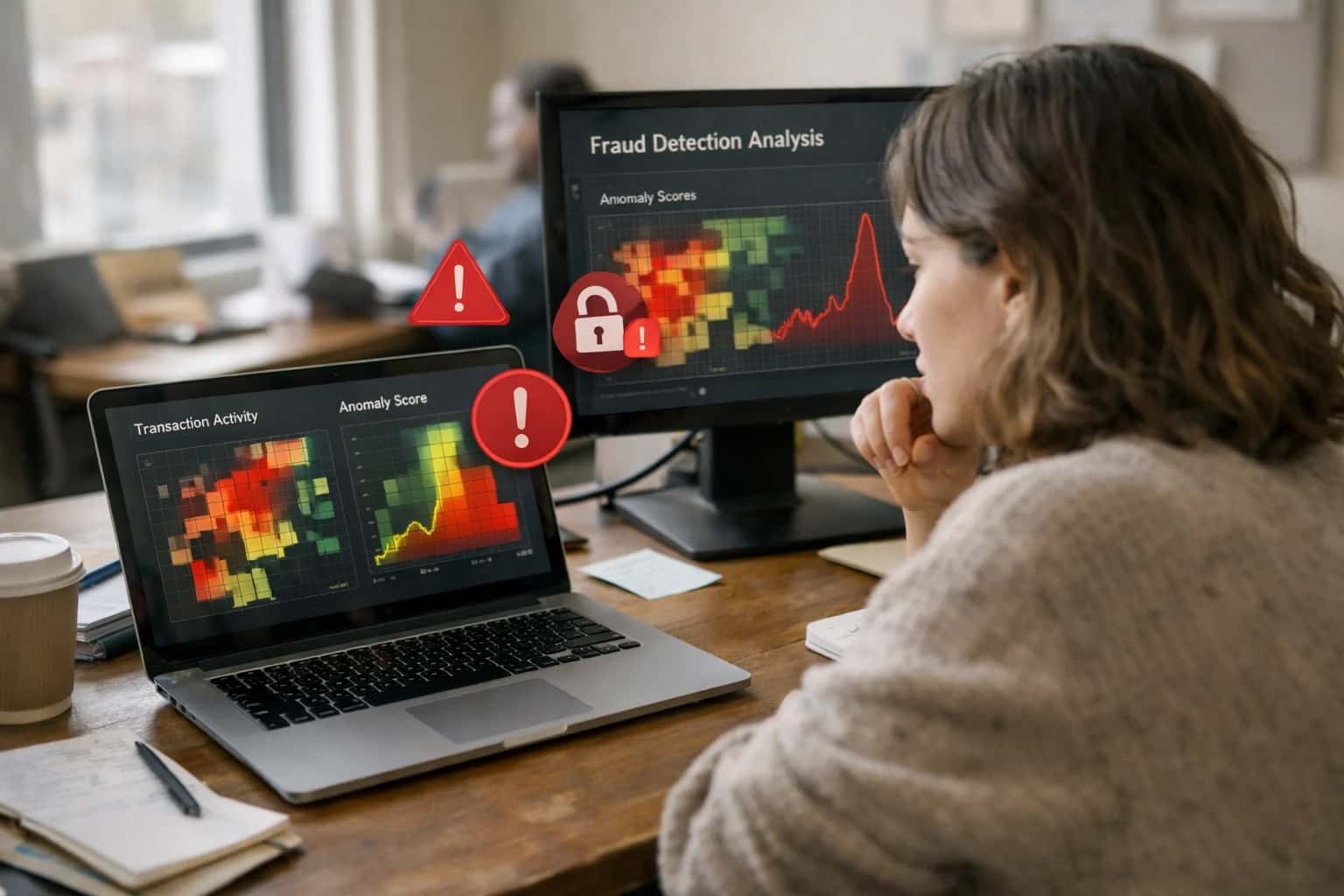
Incident Detection Models
Comparisons related to anomaly detection, real-time alerting, and event schema design for identifying safety violations, security breaches, or operational failures in video feeds. Target: Security and operations directors selecting AI models for proactive threat identification.
Ambient.ai vs Scylla: AI-Powered Threat Detection
Comparing Ambient.ai's context-aware threat detection and forensics platform against Scylla's physical security AI for real-time incident alerting. Focuses on false alarm reduction rates, integration with existing access control, and behavioral analytics accuracy for enterprise security operations centers.
Intenseye vs Everguard: Workplace Safety AI
Evaluating Intenseye's computer vision for EHS compliance against Everguard's sensor-fusion approach to worker safety. Compares PPE detection accuracy, ergonomic risk assessment, and real-time alerting latency for manufacturing and construction environments.
SparkCognition vs DataRobot: Visual AI for Operations
Comparing SparkCognition's visual AI for industrial asset protection against DataRobot's automated machine learning for video-based anomaly detection. Focuses on deployment speed, model customization for operational incidents, and integration with OT systems.
Groundlight vs Spot AI: Simplified Video Intelligence
Evaluating Groundlight's natural language-based computer vision builder against Spot AI's camera-agnostic video intelligence platform. Compares ease of creating custom incident detectors, cloud vs. edge processing, and suitability for SMBs versus distributed enterprises.
BriefCam vs Vaxtor: Forensic Video Search
Comparing BriefCam's rapid video review and synopsis against Vaxtor's ALPR and recognition analytics for post-incident investigation. Focuses on search speed, object classification accuracy, and evidence export workflows for law enforcement.
Hakimo vs Pro-Vigil: AI Monitoring Services
Evaluating Hakimo's AI-powered security monitoring platform against Pro-Vigil's managed video monitoring services. Compares human-in-the-loop verification, false alarm filtering, and cost-effectiveness for unattended commercial properties.
Viisights vs Wobot: Behavioral Recognition
Comparing Viisights' behavioral video analytics for real-time violence and crowd detection against Wobot's AI for operational compliance monitoring. Focuses on complex event recognition, multi-camera tracking, and industry-specific incident templates.
YOLOv8 vs RT-DETR: Real-Time Object Detection Models
Evaluating Ultralytics YOLOv8 against the Real-Time Detection Transformer for incident detection tasks. Compares inference speed, accuracy on small objects, and ease of fine-tuning for custom safety and security applications.
NVIDIA Metropolis vs Intel Geti: Edge AI Platforms
Comparing NVIDIA Metropolis for vision AI application development against Intel Geti's enterprise platform for computer vision model training. Focuses on hardware ecosystem lock-in, model optimization tools, and deployment scalability for incident detection.
ByteTrack vs DeepSORT: Multi-Object Tracking
Evaluating ByteTrack's simple and fast tracking against DeepSORT's deep learning-based association for incident detection workflows. Compares MOTA scores, occlusion handling, and real-time performance for security and traffic monitoring.
Supervised vs Unsupervised Anomaly Detection: Incident Modeling
Comparing supervised classification models against unsupervised anomaly detection for identifying rare safety and security events in video. Focuses on training data requirements, false positive rates, and the ability to detect novel, previously unseen incidents.
AWS Panorama vs Azure Percept: Managed Edge AI
Evaluating AWS Panorama appliance for on-premise computer vision against Azure Percept's edge AI platform. Compares cloud integration, supported camera ecosystems, and the developer experience for deploying custom incident detection models.
DeepStream SDK vs OpenVINO: Inference Optimization
Comparing NVIDIA DeepStream for GPU-accelerated video analytics pipelines against Intel OpenVINO for cross-platform inference optimization. Focuses on throughput, hardware compatibility, and plugin ecosystems for real-time incident alerting.
Single-Stage vs Two-Stage Detectors: Accuracy vs Speed
Evaluating the architectural trade-offs between single-stage detectors (like YOLO) and two-stage detectors (like Faster R-CNN) for incident detection. Compares latency, precision, and suitability for real-time versus forensic analysis use cases.
Rule-Based Alerting vs ML-Based Alerting: Incident Logic
Comparing traditional rule-based video analytics against machine learning-based alerting for incident detection. Focuses on adaptability to new threats, maintenance overhead, and the balance between false positives and missed detections.
Partnered with leading AI, data, and software stack.





How We Work
Custom AI workflows for your Business
One-fit-all AI don't work for modern businesses. At Inferensys, we aim to understand your business & custom requirements; which we use to define most efficient agentic workflows, the data, and the tools for your business.
01
Review the use case
We understand the task, the users, and where AI can actually help.
Read more02
Pick the right approach
We define what needs search, automation, or product integration.
Read more03
Build the first useful version
We implement the part that proves the value first.
Read more04
Improve from there
We add the checks and visibility needed to keep it useful.
Read moreThe first call is a practical review of your use case and the right next step.
Talk to Us