
Differences
Agentic Observability and Replay Platforms
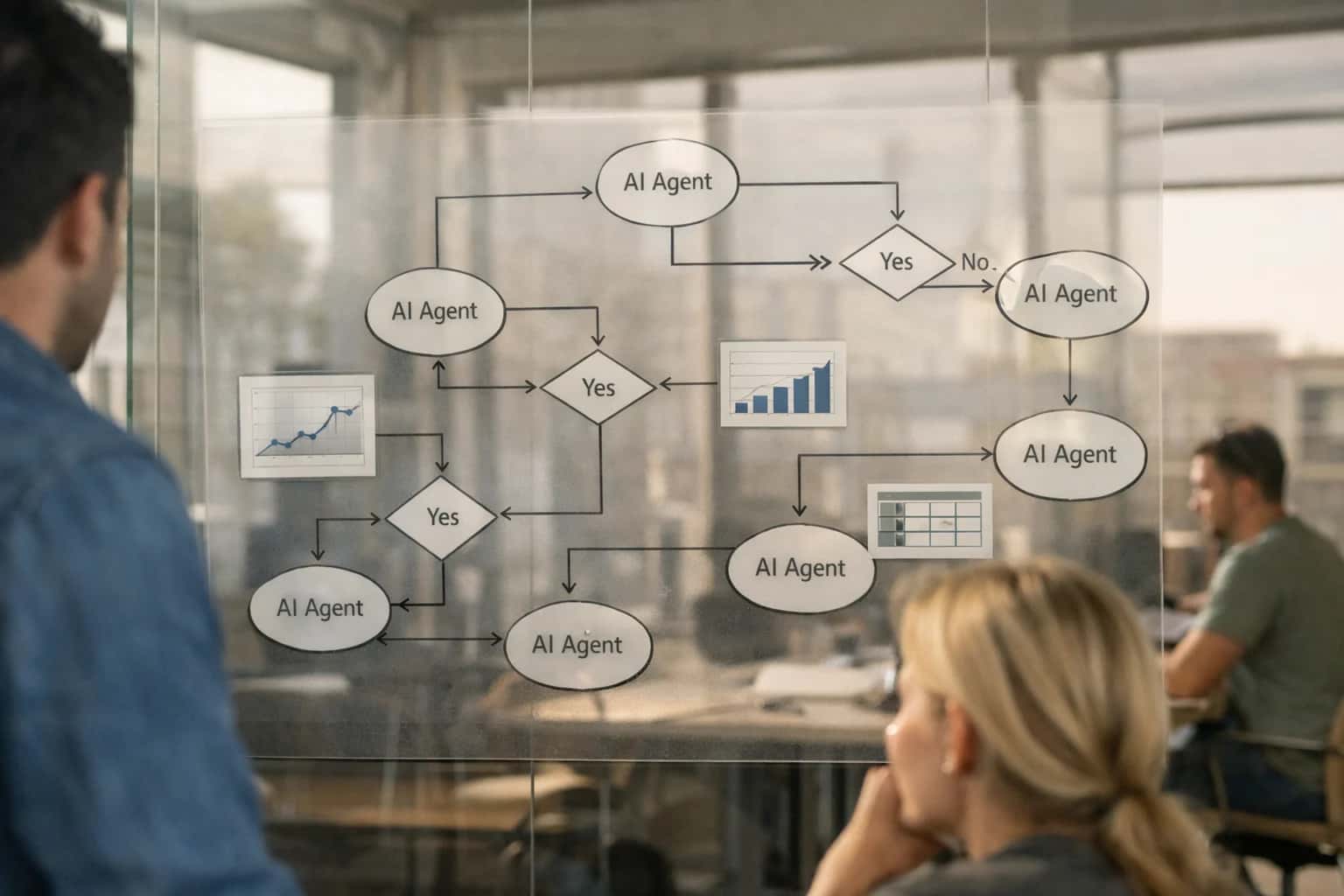
Agentic Observability and Replay Platforms
Comparisons related to trajectory reconstruction, failure taxonomy, and regression testing for HITL workflows. Target: site reliability engineers and AI operations leads.
LangSmith vs Arize Phoenix
A direct comparison for AI engineering teams choosing between LangChain's native observability platform and the open-source Arize Phoenix for LLM tracing, evaluation, and HITL workflow debugging. Focuses on trajectory reconstruction, cost analysis, and integration depth with agentic frameworks.
Weights & Biases Traces vs Braintrust
Compares the LLM tracing capabilities of the established MLOps giant against the evaluation-first Braintrust platform for managing agentic experiments, prompt regression testing, and human review datasets.
LangFuse vs Helicone
An open-source showdown between LangFuse's self-hosted tracing and Helicone's gateway-focused observability for monitoring token usage, latency, and failure taxonomies in agentic production traffic.
Datadog LLM Observability vs New Relic AI
Evaluates how the two APM incumbents extend their platforms to cover LLM and agentic observability, comparing their ability to correlate agent traces with traditional infrastructure metrics and HITL review latency.
Galileo vs Deepchecks
Compares Galileo's GenAI evaluation and hallucination detection against Deepchecks' continuous validation approach for LLM-based agents, focusing on data drift, trajectory scoring, and compliance testing.
AgentOps vs LangSmith
A head-to-head for agent-specific observability, comparing AgentOps' agent-native session replay and compliance tracking against LangSmith's broader LLM tracing and HITL annotation queue features.
Context.ai vs Helicone
Compares Context.ai's user-journey analytics for LLM products against Helicone's developer-focused gateway metrics, focusing on how each platform handles agent conversation context and user satisfaction scoring.
Arize Phoenix vs WhyLabs
Evaluates Arize's open-source tracing and evaluation suite against WhyLabs' AI observability and data logging platform for detecting agent drift, prompt injection anomalies, and model degradation in HITL systems.
MLflow 3.x vs Braintrust
Compares the latest MLflow tracing and evaluation features against Braintrust's specialized agentic evaluation framework for managing prompt experiments, human review workflows, and regression testing.
HoneyHive vs Humanloop
A comparison of two platforms focused on prompt management and evaluation, analyzing their approaches to agent trajectory replay, human annotation, and continuous improvement loops for supervised autonomy.
TruLens vs Giskard
Compares TruLens' feedback-function-based evaluation against Giskard's security and bias testing for AI agents, focusing on hallucination detection, RAG triad metrics, and vulnerability scanning in HITL workflows.
Evidently AI vs NannyML
Evaluates Evidently's open-source monitoring against NannyML's performance estimation for detecting silent failures, data drift, and concept drift in agentic pipelines that require human oversight.
Fiddler AI vs Arize Phoenix
Compares Fiddler's model monitoring and explainability platform against Arize's tracing and evaluation suite for debugging agent decisions, analyzing bias, and generating audit trails for human reviewers.
Parea AI vs Braintrust
A comparison of two evaluation-centric platforms for shipping reliable LLM applications, focusing on their experiment tracking, custom evaluator creation, and human annotation queue management for agentic systems.
OpenLIT vs LangFuse
An open-source observability comparison between OpenLIT's OpenTelemetry-native tracing and LangFuse's self-hosted analytics for monitoring cost, performance, and user interactions in agentic applications.
Partnered with leading AI, data, and software stack.





How We Work
Custom AI workflows for your Business
One-fit-all AI don't work for modern businesses. At Inferensys, we aim to understand your business & custom requirements; which we use to define most efficient agentic workflows, the data, and the tools for your business.
01
Review the use case
We understand the task, the users, and where AI can actually help.
Read more02
Pick the right approach
We define what needs search, automation, or product integration.
Read more03
Build the first useful version
We implement the part that proves the value first.
Read more04
Improve from there
We add the checks and visibility needed to keep it useful.
Read moreThe first call is a practical review of your use case and the right next step.
Talk to Us