
Differences
Enterprise Accessibility Monitoring and Reporting Dashboards
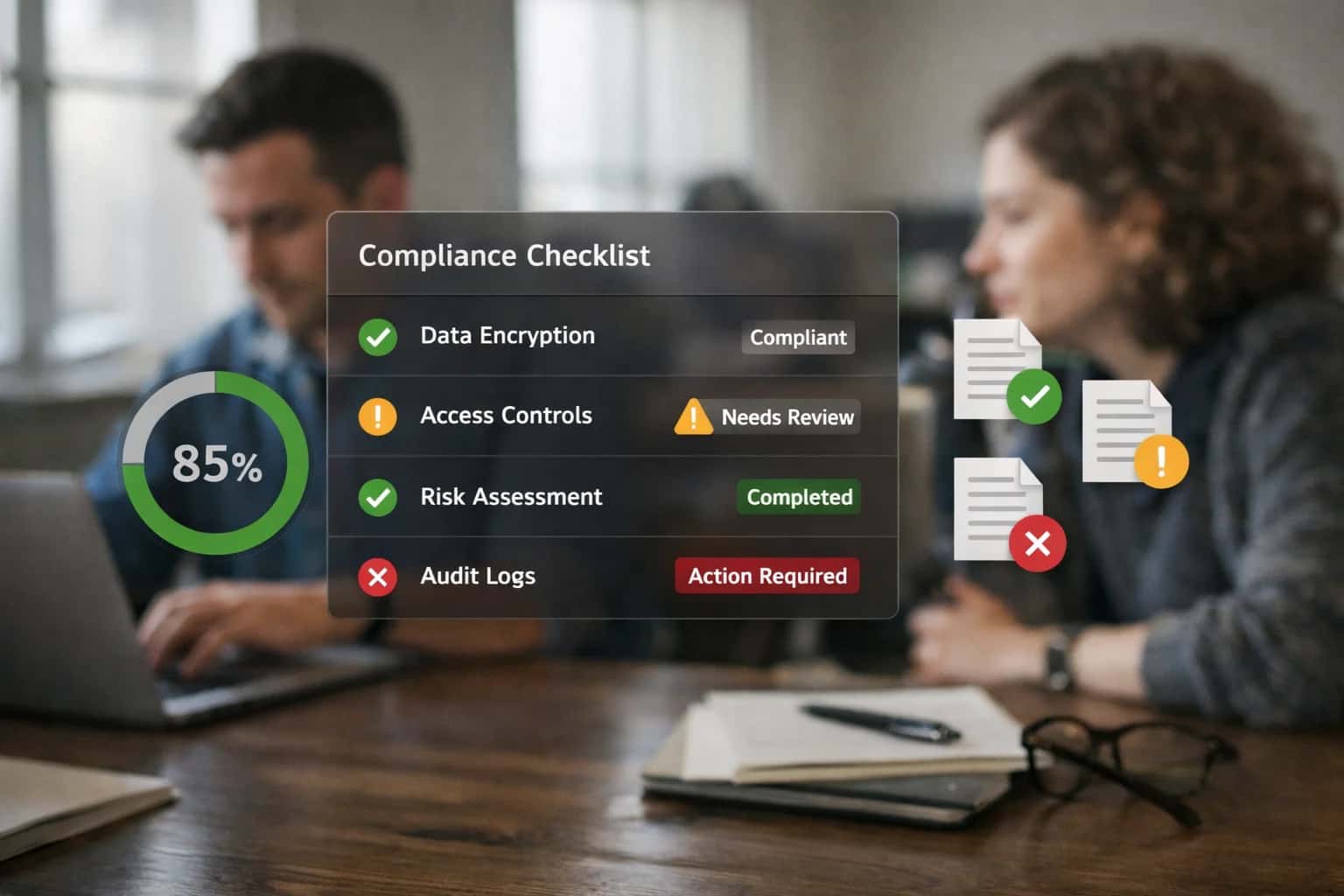
Enterprise Accessibility Monitoring and Reporting Dashboards
Comparisons related to centralized visibility into accessibility health scores, VPAT report generation, and compliance trend tracking across digital portfolios. Target: Chief Accessibility Officers and IT Governance leads.
Deque axe Monitor vs Siteimprove Accessibility
Head-to-head comparison of enterprise accessibility monitoring platforms, evaluating automated scanning accuracy, WCAG rule coverage, and reporting depth for large-scale digital portfolios. Target: Chief Accessibility Officers choosing between developer-centric (Deque) and marketing-centric (Siteimprove) compliance dashboards.
AudioEye vs Level Access
Comparison of managed accessibility compliance platforms, contrasting AudioEye's hybrid overlay and manual fix approach with Level Access's consulting-led, code-level remediation methodology. Focuses on legal risk mitigation, speed of remediation, and total cost of ownership for high-traffic enterprise sites.
accessiBe vs UserWay
Direct comparison of the two dominant AI-powered accessibility overlay solutions, analyzing litigation support, widget customization, and performance impact. Target: CTOs and General Counsels evaluating the trade-offs between rapid deployment and the risk of overlay-driven lawsuits.
Pope Tech vs DubBot
Comparison of higher-education-focused web accessibility monitoring platforms, evaluating their ability to scan authenticated pages, course content, and complex .edu subdomains. Focuses on reporting granularity, instructor-facing dashboards, and integration with learning management systems.
Monsido vs Silktide
Comparison of all-in-one web governance platforms that combine accessibility monitoring with SEO, content quality, and analytics. Evaluates which platform provides better cross-functional value for marketing and IT teams needing a unified digital health dashboard beyond just WCAG compliance.
UsableNet AQA vs EqualWeb
Comparison of enterprise accessibility platforms with strong litigation support features, contrasting UsableNet's manual testing and legal expertise with EqualWeb's automated remediation and semantic understanding technology. Focuses on VPAT accuracy and demand letter response capabilities.
Tenon.io vs ARC Platform
Comparison of API-first accessibility testing engines designed for CI/CD integration, evaluating rule customization, false-positive rates, and developer experience. Target: DevOps Architects embedding automated accessibility checks into software delivery pipelines.
WAVE API vs Pa11y Dashboard
Comparison of open-source and freemium accessibility monitoring dashboards, evaluating self-hosted deployment options, scan scheduling, and reporting capabilities. Focuses on the trade-offs between WAVE's trusted rule engine and Pa11y's customizable, headless dashboard for budget-conscious teams.
Evinced vs Stark
Comparison of design-and-code integrated accessibility tools, contrasting Evinced's component-level analysis and SDK approach with Stark's focus on design system plugins for Figma and Sketch. Target: Engineering and design leads shifting accessibility left in the product development lifecycle.
axe-core vs HTML CodeSniffer
Comparison of the foundational open-source accessibility rule engines, evaluating rule accuracy, community support, and extensibility. Focuses on which engine provides a more reliable base for building custom automated testing tools or integrating into CI/CD pipelines.
SortSite vs PowerMapper
Comparison of desktop-based website crawling and accessibility testing tools, evaluating their ability to generate detailed, offline reports for consultants and small agencies. Focuses on crawl depth, report export formats, and one-click testing against multiple international standards.
TPGi ARC vs Deque axe Monitor
Comparison of enterprise-grade accessibility monitoring suites from two industry veterans, contrasting TPGi's manual testing expertise and knowledge base integration with Deque's automated scanning scale and developer tooling ecosystem. Target: large enterprises with complex, dynamic web applications.
Partnered with leading AI, data, and software stack.





How We Work
Custom AI workflows for your Business
One-fit-all AI don't work for modern businesses. At Inferensys, we aim to understand your business & custom requirements; which we use to define most efficient agentic workflows, the data, and the tools for your business.
01
Review the use case
We understand the task, the users, and where AI can actually help.
Read more02
Pick the right approach
We define what needs search, automation, or product integration.
Read more03
Build the first useful version
We implement the part that proves the value first.
Read more04
Improve from there
We add the checks and visibility needed to keep it useful.
Read moreThe first call is a practical review of your use case and the right next step.
Talk to Us