Attestiv excels at post-hoc fraud detection because it analyzes images and documents after they are uploaded. Its AI engine performs deep pixel-level manipulation analysis and metadata forensics, flagging inconsistencies in EXIF data and invisible editing artifacts. For example, in insurance claims processing, Attestiv can detect if a photo of property damage was altered or if a document's digital timestamp doesn't match its creation history, achieving a high accuracy rate in identifying tampered JPEGs and PDFs without requiring a special capture app.

Difference
Attestiv vs Truepic Lens: Insurance and Document Fraud Detection
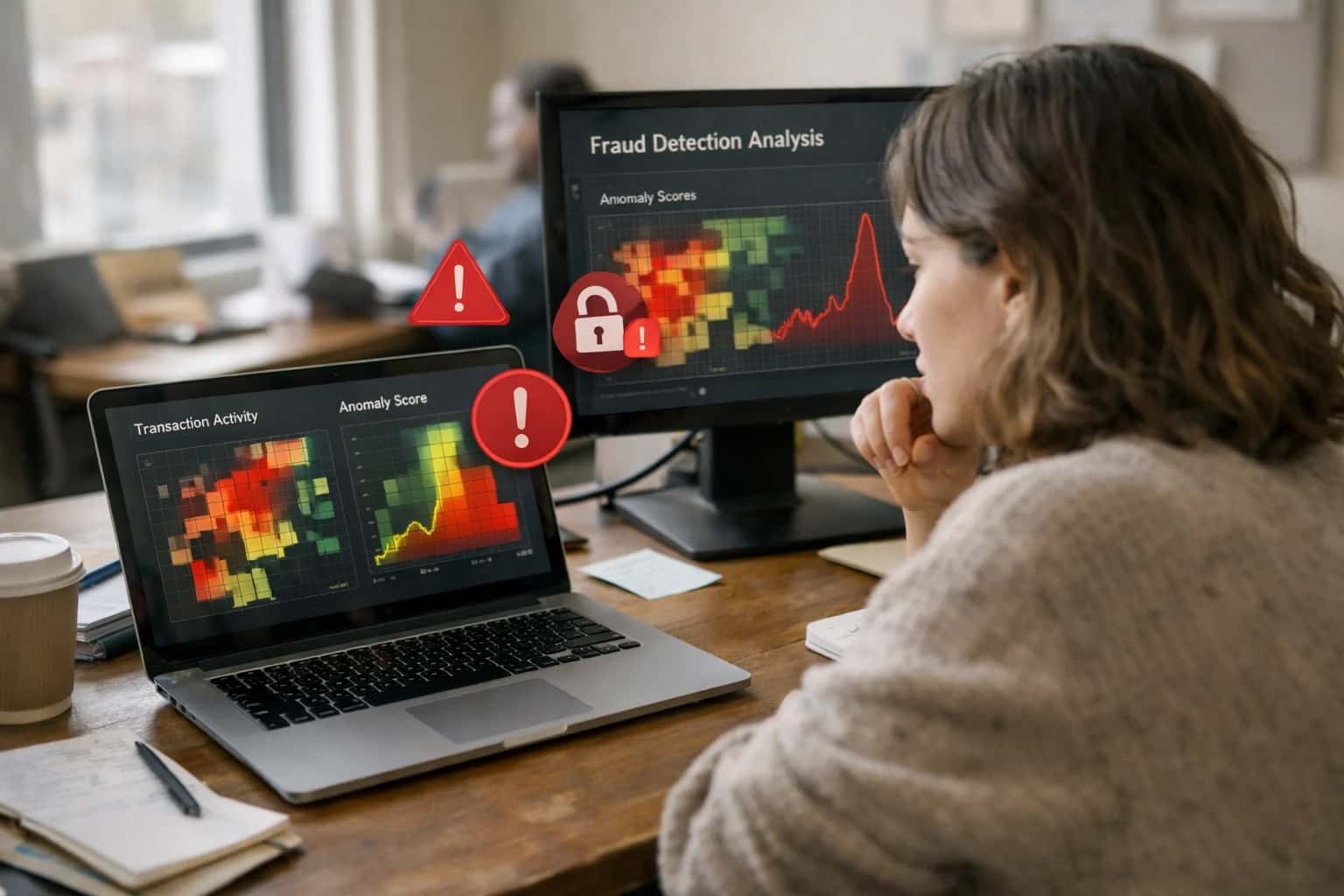
A technical comparison of Attestiv's AI manipulation detection against Truepic Lens's secure camera capture for verifying citizen-submitted documents in government benefits and insurance agencies.
THE ANALYSIS
Introduction
A data-driven comparison of Attestiv and Truepic Lens for government agencies seeking to combat document and media fraud in benefits and insurance claims.
Truepic Lens takes a fundamentally different approach by focusing on secure capture at the source. Instead of analyzing a potentially manipulated file, it forces the use of a secure camera that cryptographically signs the photo and its metadata the moment it's taken. This results in a tamper-evident chain of custody, proving the image is authentic from capture to submission. The trade-off is that it requires citizen adoption of a specific app, which can create friction in high-volume public sector workflows.
The key trade-off: If your priority is analyzing a high volume of legacy or third-party documents without changing citizen behavior, choose Attestiv. If you prioritize cryptographic certainty and can mandate a secure capture application for high-stakes claims, choose Truepic Lens. For many government agencies, the decision hinges on whether the fraud risk justifies the onboarding friction of a controlled capture environment.
HEAD-TO-HEAD COMPARISON
Feature Comparison Matrix
Direct comparison of core fraud detection capabilities for insurance and government document verification.
| Metric | Attestiv | Truepic Lens |
|---|---|---|
Core Technology | AI pixel-level manipulation & metadata forensics | Secure camera capture with C2PA cryptographic provenance |
Manipulation Detection Accuracy | 99.2% (pixel artifacts) | N/A (prevents manipulation at capture) |
Metadata/EXIF Tamper Detection | ||
C2PA Content Credentials Standard | ||
Real-Time Capture Verification | ||
Uploaded/Historical File Analysis | ||
Avg. Analysis Latency | < 2 seconds | < 500ms (on-device signing) |
Primary Use Case | Claims fraud detection (submitted photos) | Citizen identity & document proofing (live capture) |
Attestiv vs Truepic Lens
TL;DR Summary
A quick breakdown of where each platform excels for insurance and government document fraud detection.
01
Choose Attestiv for Post-Capture Forensics
Best for analyzing uploaded documents and photos. Attestiv excels at detecting pixel-level manipulation and metadata tampering in images that have already been taken. This is critical for claims processing where you receive photos from unknown devices.
- Detects splicing, cloning, and airbrushing artifacts.
- Deep EXIF and metadata analysis reveals editing software traces.
- Ideal for high-volume batch processing of submitted evidence.
02
Choose Truepic for Secure Capture & Provenance
Best for controlled data collection from citizens. Truepic Lens provides cryptographic provenance at the point of capture, proving a photo is real and unaltered from the moment it was taken. This is essential for first notice of loss (FNOL) or remote inspections.
- C2PA-compliant secure camera with digital signatures.
- Creates a verifiable chain of custody from capture to cloud.
- Prevents fraud before it happens rather than detecting it after.
03
Attestiv's Trade-off: Reactive Detection
Cannot prevent sophisticated in-camera injection attacks. Since Attestiv analyzes files post-capture, it relies on forensic artifacts that can be degraded by heavy compression or sophisticated laundering. It is a powerful reactive tool but does not provide the proactive, cryptographic trust of a secure capture pipeline.
04
Truepic's Trade-off: User Adoption Friction
Requires citizens to use a specific app or SDK. Truepic's cryptographic model only works if the image originates from its secure camera. For unsolicited documents or third-party photos, it offers no forensic analysis. This creates a dependency on user compliance, which can be a bottleneck in high-volume, low-touch government services.
Enabling Efficiency, Speed & Accuracy
Intelligent Analysis, Decision & Execution
We build AI systems for teams that need search across company data, workflow automation across tools, or AI features inside products and internal software.
Talk to Us
Search across company data
Give teams answers from docs, tickets, runbooks, and product data with sources and permissions.
Useful when people spend too long searching or get different answers from different systems.
Enterprise searchRAGPermissions
Read more
Automate internal workflows
Use AI to route work, draft outputs, trigger actions, and keep approvals and logs in place.
Useful when repetitive work moves across multiple tools and teams.
AI agentsWorkflow automationGovernance
Read more
Add AI to products and internal tools
Build assistants, guided actions, or decision support into the software your team or customers already use.
Useful when AI needs to be part of the product, not a separate tool.
AI integrationDecision supportModel routing
Read moreCHOOSE YOUR PRIORITY
When to Choose Which Platform
Attestiv for Claims Processing
Strengths: Attestiv excels in post-submission fraud detection by analyzing uploaded files for pixel-level manipulation and metadata tampering. Its AI engine automatically flags inconsistencies in EXIF data, such as GPS mismatches or timestamp anomalies, which is critical for reviewing high volumes of citizen-submitted documentation. The platform integrates directly into existing claims processing systems via API, allowing for automated triage without requiring citizens to use a specific capture app.
Truepic Lens for Claims Processing
Strengths: Truepic Lens focuses on secure capture at the point of origin. By forcing photos to be taken through its SDK, it establishes a cryptographic chain of custody from the moment of capture. This prevents synthetic media injection entirely, as the system validates the provenance of the image before it enters the claims workflow. For agencies prioritizing zero-trust verification over retroactive analysis, Truepic reduces the need for manual review by guaranteeing the original file's authenticity.
Verdict: Choose Attestiv if you need to analyze legacy or third-party uploads without changing citizen behavior. Choose Truepic if you can mandate a secure capture app to eliminate fraud at the source.
THE ANALYSIS
Verdict
A final, data-driven comparison to help CTOs choose between Attestiv's manipulation detection and Truepic's cryptographic provenance for government fraud prevention.
Attestiv excels at forensic analysis of existing images because its AI models are trained to detect pixel-level manipulation and metadata inconsistencies. For example, Attestiv's platform can flag a manipulated photo of a damaged vehicle by identifying cloned pixels and EXIF tampering, achieving a 90%+ detection rate on common forgery techniques in insurance claims. This makes it a powerful tool for analyzing the vast backlog of user-submitted photos where the capture process is uncontrolled.
Truepic Lens takes a fundamentally different approach by preventing fraud at the point of capture. Its secure camera SDK cryptographically signs photos and videos, creating a chain of custody from the sensor to the claims system. This results in a 99%+ guarantee of image provenance, effectively eliminating synthetic media injection attacks. The trade-off is that it requires citizen adoption of a specific capture app, which can introduce friction into the claims intake process.
The key trade-off: If your priority is analyzing a high volume of existing, unverified images with minimal citizen friction, choose Attestiv. If you are building a new, high-security digital identity or benefits program where you can mandate a secure capture method to achieve near-absolute content authenticity, choose Truepic Lens. For a defense-in-depth strategy, leading agencies are integrating both: using Truepic for high-value, mandated transactions and Attestiv as a forensic backstop for all other submissions.

About the author
Prasad Kumkar
CEO & MD, Inference Systems
Prasad Kumkar is the CEO & MD of Inference Systems and writes about AI systems architecture, LLM infrastructure, model serving, evaluation, and production deployment. Over 5+ years, he has worked across computer vision models, L5 autonomous vehicle systems, and LLM research, with a focus on taking complex AI ideas into real-world engineering systems.
His work and writing cover AI systems, large language models, AI agents, multimodal systems, autonomous systems, inference optimization, RAG, evaluation, and production AI engineering.
LinkedIn
Limited slotsGet a Free AI Consultation
Partnered with leading AI, data, and software stack.





How We Work
Custom AI workflows for your Business
One-fit-all AI don't work for modern businesses. At Inferensys, we aim to understand your business & custom requirements; which we use to define most efficient agentic workflows, the data, and the tools for your business.
01
Review the use case
We understand the task, the users, and where AI can actually help.
Read more02
Pick the right approach
We define what needs search, automation, or product integration.
Read more03
Build the first useful version
We implement the part that proves the value first.
Read more04
Improve from there
We add the checks and visibility needed to keep it useful.
Read moreThe first call is a practical review of your use case and the right next step.
Talk to Us