
Differences
Circular Economy Compliance Platforms
Circular Economy Compliance Platforms
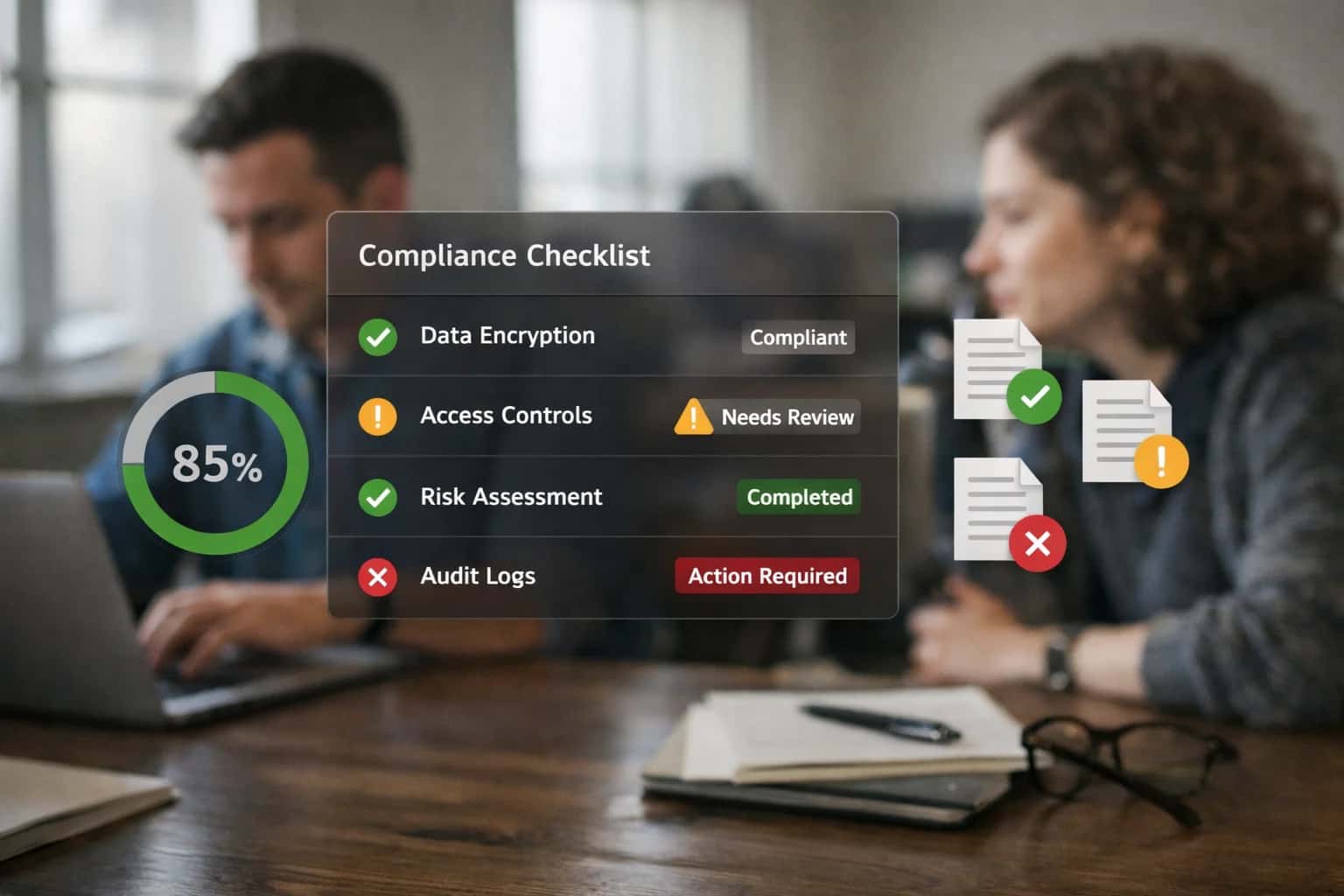
Comparisons related to AI tools for lifecycle assessment (LCA), material flow analysis (MFA), and compliance with regulations like the EU Circular Economy Act. Target: Chief Sustainability Officers and compliance leads.
One Click LCA vs SimaPro
Comparing the leading cloud-based, automated LCA platform against the established desktop heavyweight for flexibility and depth in lifecycle assessment. This analysis targets CSOs deciding between speed and ease-of-use versus granular, academic-grade modeling control.
Makersite vs Ecochain
Evaluating Makersite's multi-source product-level environmental twin approach against Ecochain's accessible, manufacturer-focused footprinting tools. This comparison helps procurement and design teams choose between deep supply chain mapping and rapid, scalable product LCAs.
Circulor vs Provenance
Comparing blockchain-based supply chain traceability platforms for proving circularity and ethical sourcing. Circulor's focus on complex industrial material chains versus Provenance's consumer-facing transparency framework for brand storytelling.
SAP Responsible Design and Production vs Microsoft Sustainability Manager
A head-to-head of enterprise ERP-integrated circularity solutions. This analysis contrasts SAP's embedded design-for-circularity tools with Microsoft's extensible, data-driven sustainability cloud for comprehensive ESG and waste reduction reporting.
IBM Envizi vs Salesforce Net Zero Cloud
Comparing comprehensive ESG and environmental data management suites. This review focuses on Envizi's strength in granular data ingestion and scope 3 analysis versus Net Zero Cloud's CRM-native approach to carbon accounting and stakeholder engagement.
Watershed vs Sinai Technologies
Evaluating enterprise carbon intelligence platforms with distinct methodologies. Watershed's granular, audit-ready carbon data engine versus Sinai's scenario-based decarbonization modeling for science-based target planning.
Sweep vs Persefoni
Comparing carbon management platforms targeting different user profiles. Sweep's collaborative, value-chain-focused emissions tracking versus Persefoni's investor-grade, financial-accounting-aligned carbon disclosure and regulatory compliance.
Digital Product Passport vs Battery Passport
Clarifying the scope and regulatory requirements of the EU's general Digital Product Passport framework against the specific, high-stakes mandates of the Battery Passport. This analysis helps compliance leads understand data granularity and supply chain transparency needs.
Attributional LCA vs Consequential LCA
A fundamental methodological comparison for sustainability analysts. This piece contrasts the descriptive, footprint-focused attributional approach with the market-mediated, change-oriented consequential approach for informing strategic decisions.
Environmental Product Declaration vs Product Environmental Footprint
Comparing the established, construction-focused EPD standard against the EU's multi-category PEF methodology. This analysis guides manufacturers on which framework to adopt for market access and regulatory alignment.
AI-Powered Optical Sorting vs NIR Spectroscopy Sorting
Evaluating next-gen AI-driven computer vision for waste sorting against the industry-standard NIR technique. This comparison focuses on accuracy gains in black plastic and food-grade polymer separation for recycling facility CTOs.
Blockchain for Material Traceability vs Centralized Cloud Ledgers
Comparing decentralized, immutable blockchain ledgers against scalable, private cloud databases for circular supply chain traceability. This analysis weighs the trade-offs in trust, cost, and throughput for compliance officers.
AI-Driven Reverse Logistics vs Manual Take-Back Schemes
Analyzing the efficiency of AI-optimized return networks against traditional manual collection processes. This comparison focuses on cost reduction, material recovery rates, and customer convenience for circular business models.
Synthetic Data for LCA vs Primary Data Collection
Comparing the use of AI-generated synthetic datasets against traditional primary data gathering for filling gaps in lifecycle inventories. This review assesses accuracy, cost, and acceptance by auditors and regulators.
NLP for Supplier Sustainability Screening vs Manual Questionnaires
Evaluating AI-powered natural language processing for automating supplier risk assessment against traditional survey-based methods. This analysis targets procurement leads seeking to scale scope 3 data collection efficiently.
AI for Circular Product Design vs Design for Disassembly Guidelines
Comparing generative AI tools that optimize product architecture for circularity against static, rule-based design-for-disassembly manuals. This review helps engineering leads choose between dynamic simulation and established best practices.
Automated EPD Generation vs Manual LCA Consultancy
Contrasting AI-powered platforms for instant environmental product declaration creation against the bespoke, consultant-driven LCA process. This analysis focuses on cost, speed, and defensibility for construction product manufacturers.
AI-Powered Scope 3 Calculation vs Spend-Based Emission Factors
Comparing the accuracy of AI-driven hybrid models for calculating supply chain emissions against traditional spend-based economic input-output methods. This review guides CSOs on improving carbon accounting granularity.
Partnered with leading AI, data, and software stack.





How We Work
Custom AI workflows for your Business
One-fit-all AI don't work for modern businesses. At Inferensys, we aim to understand your business & custom requirements; which we use to define most efficient agentic workflows, the data, and the tools for your business.
01
Review the use case
We understand the task, the users, and where AI can actually help.
Read more02
Pick the right approach
We define what needs search, automation, or product integration.
Read more03
Build the first useful version
We implement the part that proves the value first.
Read more04
Improve from there
We add the checks and visibility needed to keep it useful.
Read moreThe first call is a practical review of your use case and the right next step.
Talk to Us