
Differences
Automated Compliance Reporting for Lending
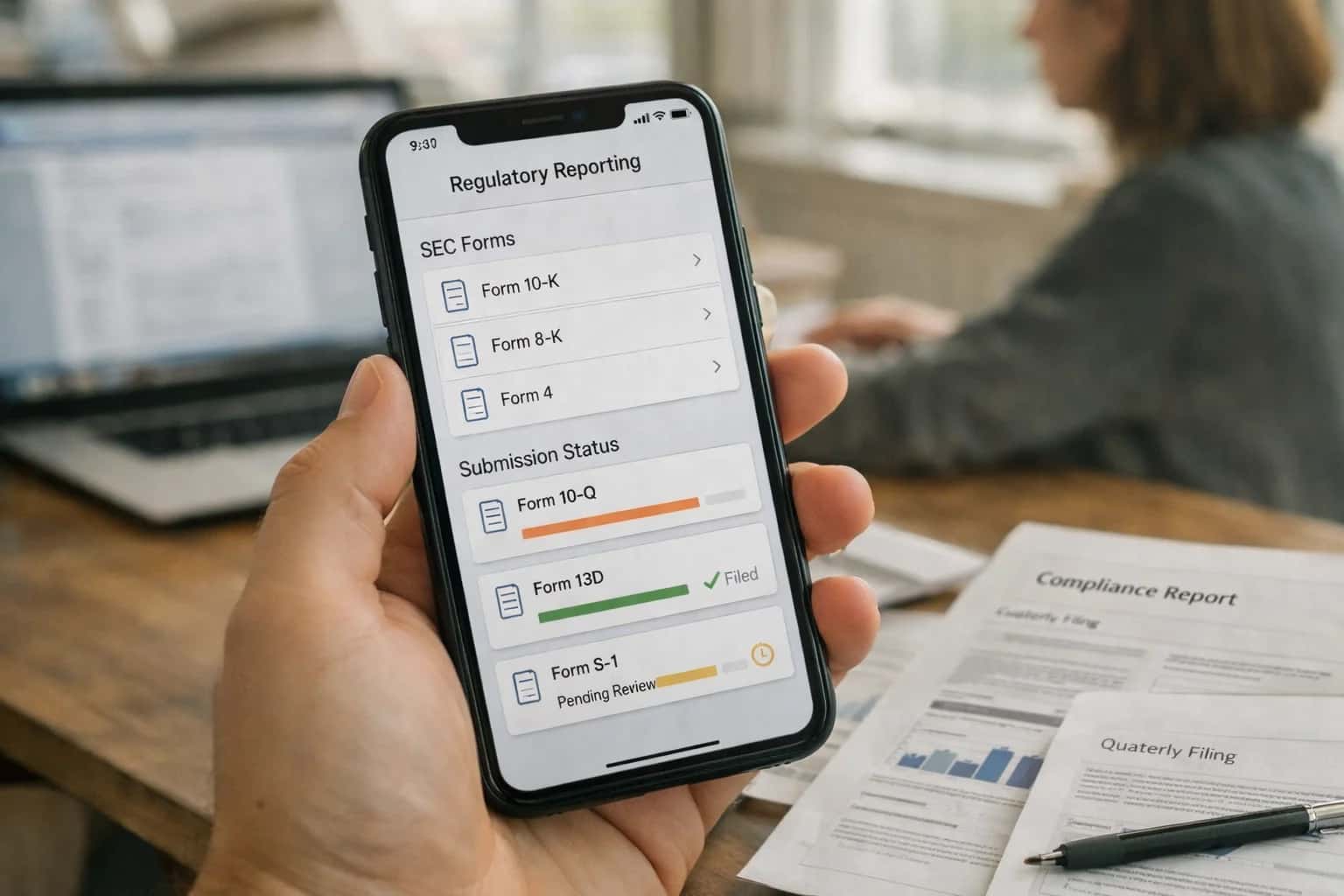
Automated Compliance Reporting for Lending
Comparisons related to adverse action reason generators, HMDA/CRA reporting automation, and regulatory filing agents. Target: Compliance Directors and Fair Lending Officers.
AI-Powered Adverse Action Generators vs Manual Adverse Action Drafting
Compares LLM-based systems that extract denial reasons from underwriting data and generate compliant ECOA/FCRA adverse action notices against manual drafting by loan officers or compliance staff. Focuses on regulatory accuracy, consistency across denial reasons, multi-lingual support, and audit readiness.
Automated HMDA Reporting Platforms vs Manual HMDA LAR Preparation
Evaluates AI-driven HMDA data collection, geocoding, and FFIEC submission agents against spreadsheet-based manual Loan Application Register preparation. Key metrics include error rates, edit-check pass rates, staff hours per filing, and resubmission frequency.
Automated CRA Reporting Agents vs Manual CRA Data Aggregation
Compares agentic systems that automatically compile lending, investment, and service test data for CRA performance evaluations against manual data gathering from disparate core systems. Focuses on assessment area accuracy, peer comparison analytics, and public file generation.
AI-Powered Fair Lending Analysis vs Manual Redlining Review
Compares automated statistical testing suites that detect disparate impact and redlining risk across geographies against manual regression analysis and map-based reviews. Evaluates statistical rigor, model documentation, and integration with fair lending examination procedures.
LLM-Based Adverse Action Narratives vs Template-Based Adverse Action Letters
Compares generative AI that produces context-specific, natural-language denial explanations against rigid template libraries. Focuses on principal reason accuracy, counterfactual explanation quality, and borrower comprehension scores.
Agentic HMDA Filing vs Static HMDA Software
Compares autonomous agents that orchestrate data validation, error correction, and direct FFIEC portal submission against traditional HMDA software requiring manual data export and upload. Evaluates submission latency, error resolution loops, and audit trail completeness.
Real-Time Compliance Monitoring Agents vs Periodic Manual Audits
Compares continuous AI monitoring of lending transactions for ECOA, HMDA, and UDAAP violations against scheduled manual compliance reviews. Focuses on violation detection speed, false positive rates, and remediation workflow integration.
AI-Generated Regulatory Findings Summaries vs Manual Regulatory Research
Compares LLM agents that ingest regulatory updates, exam manuals, and enforcement actions to produce compliance briefs against manual legal research and memo drafting. Evaluates citation accuracy, coverage completeness, and time-to-insight.
Automated CRA Loan Register Compilation vs Manual Geocoding
Compares AI systems that automatically geocode loan addresses, identify assessment areas, and compile CRA loan registers against manual address lookups and spreadsheet assembly. Focuses on geocoding accuracy, tract-level reporting, and data lineage.
AI-Powered HMDA Scrubbers vs Manual Data Cleansing
Compares machine learning models that detect HMDA data integrity issues, outliers, and systemic reporting errors against manual edit-check reviews. Evaluates error detection coverage, false positive rates, and integration with LOS data pipelines.
Automated UDAAP Risk Scoring vs Manual Complaint Analysis
Compares NLP-based systems that categorize and score consumer complaints for UDAAP risk against manual complaint coding and trend analysis. Focuses on categorization consistency, emerging risk detection, and regulatory examination readiness.
AI-Powered Loan File Compliance Review vs Manual Quality Control Sampling
Compares document AI systems that perform 100% pre-funding and post-closing compliance reviews against manual statistical sampling. Evaluates defect detection rates, review speed, and integration with QC defect taxonomies.
Automated Adverse Action Timing Monitors vs Manual Calendar Tracking
Compares agentic systems that track ECOA/FCRA adverse action notification deadlines across all applications against manual calendar-based tracking. Focuses on violation prevention, multi-channel notification verification, and examiner-ready timestamp logs.
AI-Driven Disparate Impact Analysis vs Traditional Statistical Testing
Compares AI-powered fair lending platforms that automate proxy identification, model specification, and statistical testing against manual SAS/R scripting. Evaluates methodological defensibility, regulator acceptance, and integration with model risk management.
Compliance Reporting MCP Servers vs Custom Compliance API Integrations
Compares Model Context Protocol servers that provide standardized AI-to-compliance-system interfaces against bespoke API integrations for regulatory filing. Focuses on integration speed, maintenance burden, and agent interoperability across compliance modules.
AI-Powered CRA Public File Generators vs Manual Document Assembly
Compares automated systems that compile, update, and format CRA public files with required disclosures against manual document collection and formatting. Evaluates update frequency, branch-level accuracy, and regulatory format compliance.
Automated Regulatory Citation Linking vs Manual Legal Research
Compares AI agents that automatically link compliance findings to specific regulatory citations against manual regulation cross-referencing. Focuses on citation accuracy, regulatory hierarchy awareness, and integration with exam response workflows.
AI-Powered Fair Lending Comparative File Reviews vs Manual Matched Pair Analysis
Compares machine learning systems that identify and analyze matched pairs for disparate treatment testing against manual file review and pairing. Evaluates pair identification accuracy, control variable selection, and statistical significance testing.
Partnered with leading AI, data, and software stack.





How We Work
Custom AI workflows for your Business
One-fit-all AI don't work for modern businesses. At Inferensys, we aim to understand your business & custom requirements; which we use to define most efficient agentic workflows, the data, and the tools for your business.
01
Review the use case
We understand the task, the users, and where AI can actually help.
Read more02
Pick the right approach
We define what needs search, automation, or product integration.
Read more03
Build the first useful version
We implement the part that proves the value first.
Read more04
Improve from there
We add the checks and visibility needed to keep it useful.
Read moreThe first call is a practical review of your use case and the right next step.
Talk to Us