
Comparisons
AI-Driven Cybersecurity Operations (SOC)
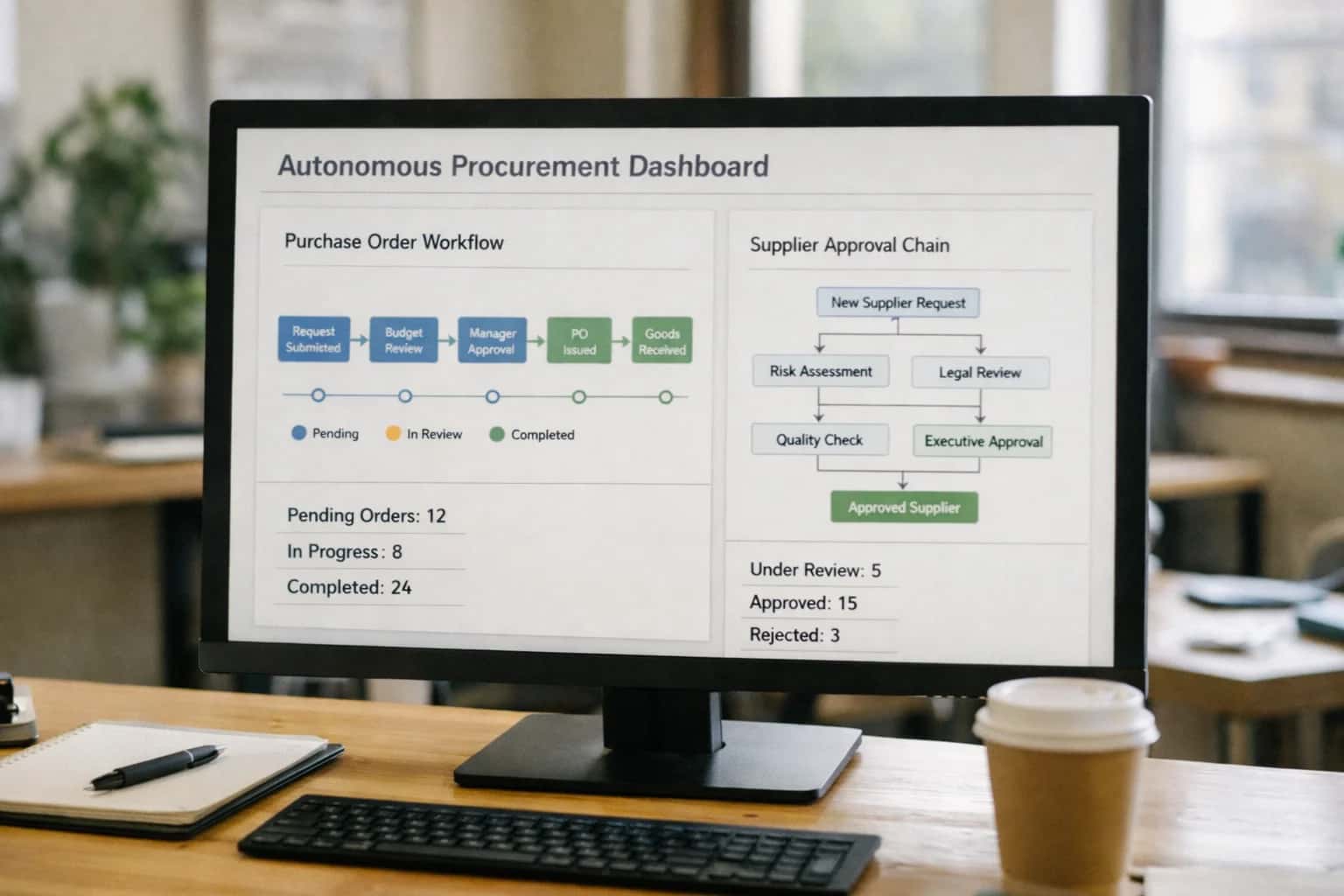
AI-Driven Cybersecurity Operations (SOC)
Modern SOCs are moving toward 'autonomous threat prevention.' This pillar compares AI SOC providers like CrowdStrike, Palo Alto Networks, and UnderDefense. Comparisons center on 'threat detection accuracy,' 'agentic response' capabilities, and 'no-code agent building' for custom security workflows. Key comparisons target organizations bridging technology gaps in cybersecurity.
CrowdStrike Falcon vs. Palo Alto Networks Cortex XDR
A head-to-head comparison of the two leading AI-native XDR platforms, focusing on threat detection accuracy, agentic response automation, and integration with existing security stacks for 2026 SOC operations.
CrowdStrike Falcon vs. Microsoft Sentinel
Evaluating a best-of-breed endpoint-focused XDR against a cloud-native SIEM/SOAR platform, analyzing trade-offs in AI-driven analytics, cost, and autonomous response capabilities for modern SOCs.
Palo Alto Networks Cortex XDR vs. Splunk Enterprise Security
Comparing an integrated AI-powered XDR suite with a legacy SIEM leader, focusing on machine learning detection efficacy, data ingestion costs, and the transition to autonomous threat prevention in 2026.
Microsoft Sentinel vs. Splunk Enterprise Security
A critical SIEM/SOAR platform showdown, analyzing AI and Copilot integrations, cloud scalability, total cost of ownership, and automated playbook execution for enterprise security operations.
CrowdStrike Falcon vs. SentinelOne Singularity XDR
Direct comparison of next-generation AI-powered endpoint security platforms, focusing on prevention rates, behavioral AI models, ransomware protection, and the depth of automated remediation in 2026.
CrowdStrike Falcon vs. Vectra AI
Comparing an endpoint-centric XDR with a leading Network Detection and Response (NDR) platform, analyzing the trade-off between host-level visibility and AI-driven network anomaly detection for threat hunting.
Microsoft Sentinel vs. Google Chronicle SIEM
Evaluating two cloud-native, big-data SIEM platforms, focusing on their underlying data lakes (Azure vs. Google), AI/ML analytics pipelines, and scalability for petabyte-scale security log analysis.
Palo Alto Networks Cortex XDR vs. Fortinet FortiSIEM
Analysis of an AI-driven XDR platform against a unified SIEM/SOC solution from a network security giant, focusing on integrated fabric advantages, AIOps, and hybrid cloud visibility.
CrowdStrike Falcon vs. Elastic Security
Comparing a commercial XDR platform with an open-core SIEM/EDR solution, focusing on deployment flexibility, total cost, the efficacy of open-source ML detections, and extensibility for developer-centric SOCs.
Microsoft Sentinel vs. IBM Security QRadar
A classic SIEM evolution comparison: cloud-native, AI-augmented Sentinel versus the on-premises stalwart QRadar, analyzing migration paths, AI assistant capabilities, and long-term TCO for regulated industries.
CrowdStrike Falcon vs. Darktrace PREVENT
Evaluating a traditional signature-less EDR/XDR against an AI that uses Bayesian physics and autonomous response for network and email security, focusing on proactive vs. reactive AI methodologies.
Palo Alto Networks Cortex XDR vs. Trellix (McAfee) XDR
Comparing two enterprise XDR suites born from major security vendor consolidation, analyzing the integration depth of their respective security ecosystems (firewall, email, endpoint) and unified AI analytics.
Microsoft Sentinel vs. Exabeam Fusion
Comparing cloud SIEM platforms with a focus on User and Entity Behavior Analytics (UEBA), SOAR automation, and AI-driven threat detection models for identifying advanced insider and external threats.
CrowdStrike Falcon vs. Secureworks Taegis XDR
Analysis of a leading product-based XDR platform versus a managed XDR service from a top MSSP, focusing on the trade-offs between in-house control and outsourced 24/7 threat hunting and response.
Palo Alto Networks Cortex XDR vs. Cisco SecureX
Comparing platform-based XDR approaches from networking leaders, evaluating the breadth of native security product integration, orchestration capabilities, and AI-driven threat intelligence sharing.
Partnered with leading AI, data, and software stack.





How We Work
Custom AI workflows for your Business
One-fit-all AI don't work for modern businesses. At Inferensys, we aim to understand your business & custom requirements; which we use to define most efficient agentic workflows, the data, and the tools for your business.
01
Review the use case
We understand the task, the users, and where AI can actually help.
Read more02
Pick the right approach
We define what needs search, automation, or product integration.
Read more03
Build the first useful version
We implement the part that proves the value first.
Read more04
Improve from there
We add the checks and visibility needed to keep it useful.
Read moreThe first call is a practical review of your use case and the right next step.
Talk to Us