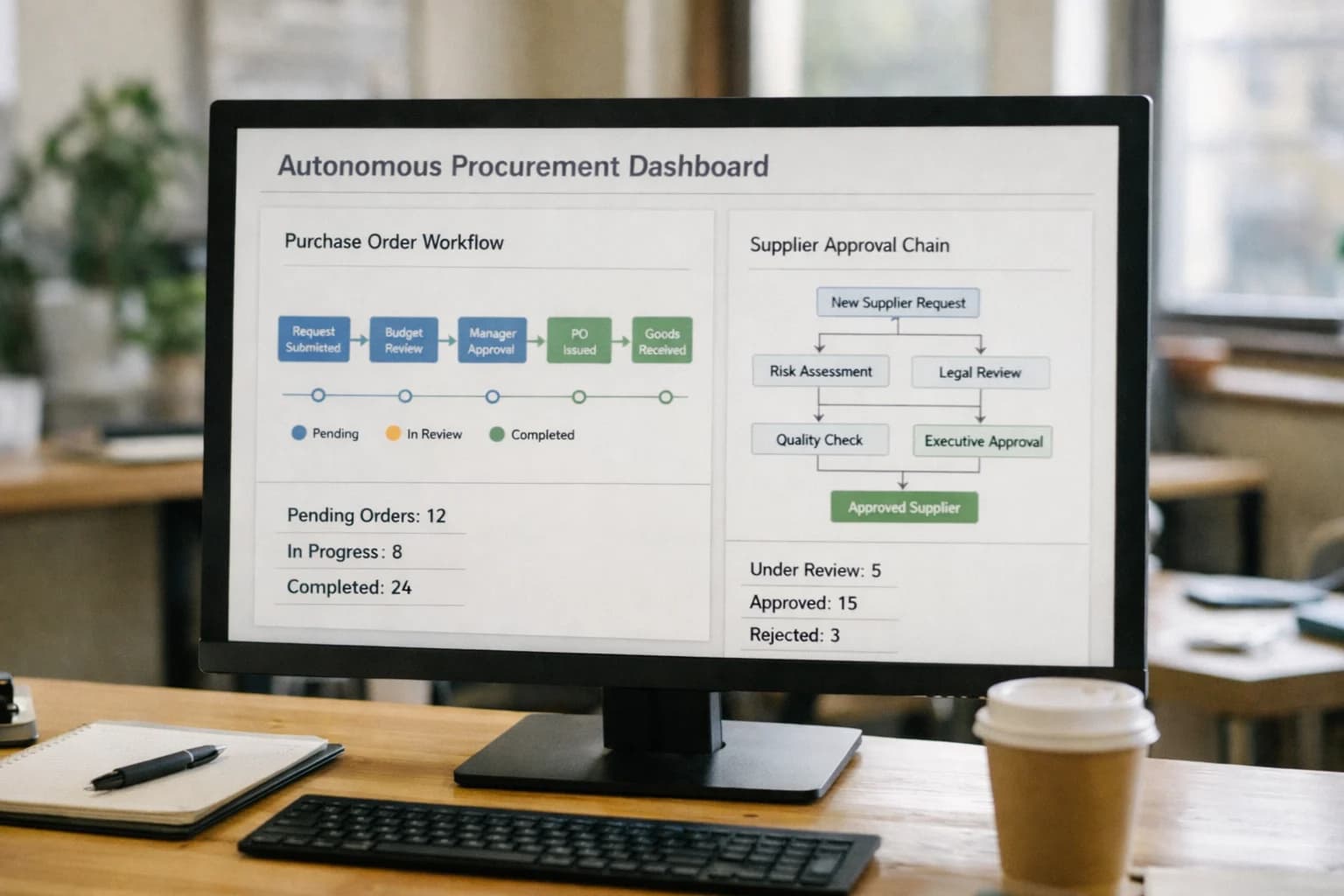
Replacing reactive spreadsheet forecasting with an autonomous AI workflow eliminates the 40-80 hours per planning cycle spent manually aggregating data, adjusting for promotions, and reconciling forecasts across channels. The operational upside comes from higher forecast accuracy, which directly reduces safety stock costs by 15-25% and improves sell-through by aligning procurement with actual demand signals. This requires integrating time-series models, LLM-based causal analysis of promotions, and direct orchestration with ERP and planning systems like SAP IBP or Oracle Retail.










