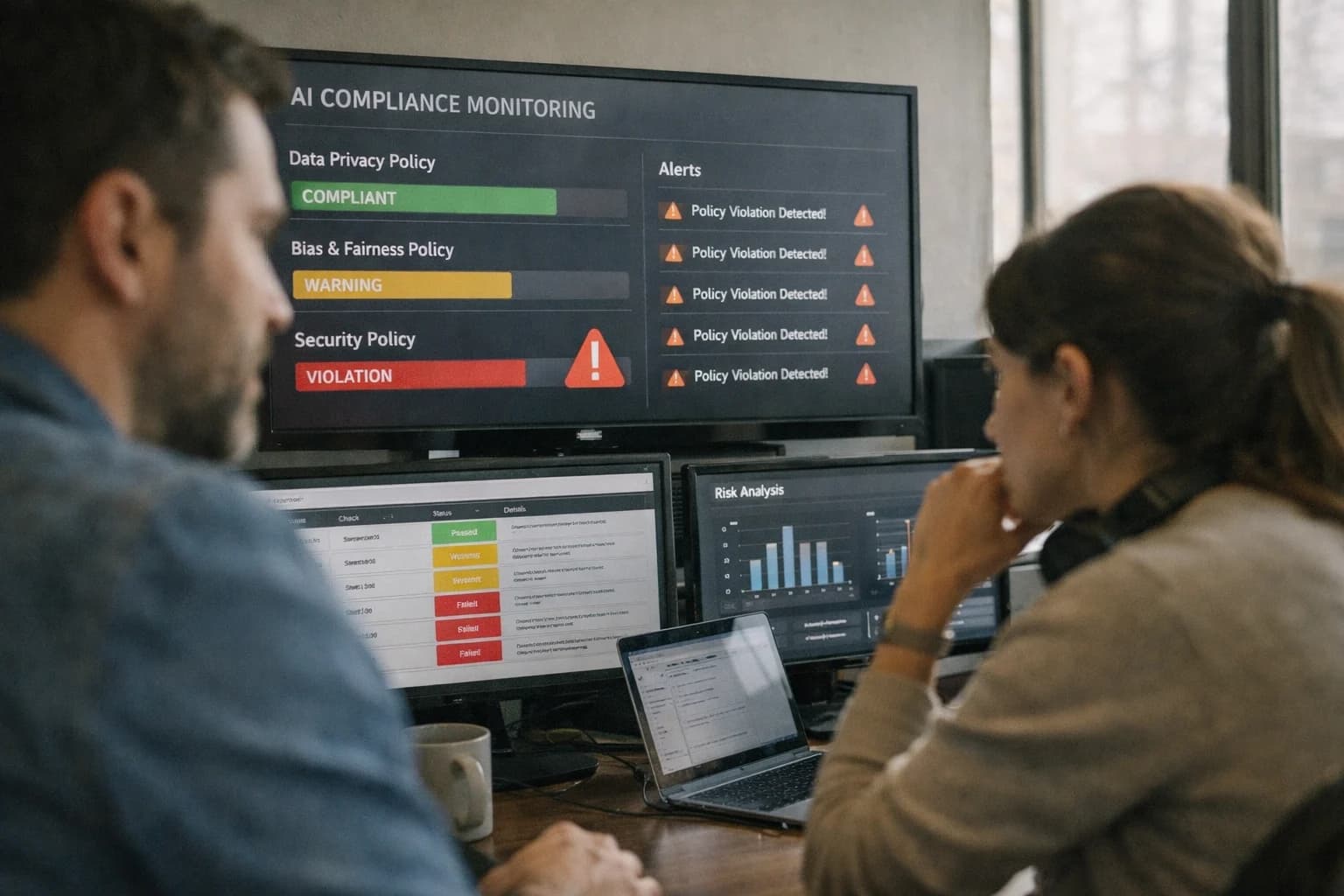
Manual stack monitoring relies on periodic CEMS data pulls and spreadsheet reconciliation, creating a 24-48 hour blind spot where emissions excursions can escalate into permit violations and regulatory fines. This reactive model fails to leverage real-time sensor fusion for predictive control, leaving fuel efficiency and carbon intensity gains on the table. The operational bottleneck is human validation latency, which prevents immediate corrective action and ties up engineering resources in data wrangling instead of optimization.










