
Automations
This pillar addresses ESG reporting workflows that pull emissions and sustainability data from fragmented enterprise systems and map it into required disclosure frameworks. Content should frame these pages around the architecture for trustworthy data collection, framework translation, approval controls, and the reduction of manual reporting effort across large organizations.
This foundational page details the end-to-end architecture for a custom agentic system that autonomously collects ESG data from ERP, IoT, and supply chain sources and maps it to frameworks like GRI, SASB, and CSRD. It explains how orchestrated agents reduce manual reporting effort by 70%, ensure audit-ready data lineage, and provide the technical blueprint for integrating data validation, transformation logic, and approval gates into a production workflow.
This page outlines a custom workflow for ingesting real-time energy, fuel, and emissions data from industrial IoT sensors and building management systems. It covers the architecture for data normalization, anomaly detection, and automated calculation of Scope 1 & 2 emissions, delivering continuous compliance monitoring and eliminating manual meter-reading and spreadsheet consolidation for manufacturing and real estate portfolios.
This page explains how to build a custom agentic layer that connects to SAP, Oracle, or other legacy ERPs to autonomously extract utility spend, material usage, and waste data. It details the use of browser automation and API wrappers to overcome integration gaps, transforming fragmented operational data into structured ESG inputs while cutting data collection time from weeks to hours for global enterprises.
This page describes a custom multi-agent workflow that autonomously requests, retrieves, and validates supplier certificates (e.g., ISO 14001, recycled content) from emails, portals, and PDFs. It covers NLP for document understanding, cross-referencing against internal databases, and flagging expirations or discrepancies, drastically reducing procurement team manual review and improving supply chain due diligence speed.
This page details the architecture for a custom agentic system that schedules and executes data pulls from utility provider portals, fleet telematics, and fuel card APIs. It explains how orchestrated agents handle authentication, data parsing, and unit conversion to create a continuous, auditable stream of consumption data for accurate, timely emissions reporting and cost allocation.
This page outlines a custom workflow for systematically collecting primary emissions data from deep-tier suppliers via automated surveys and API integrations. It covers agentic follow-up logic, data quality scoring, and spend-based modeling fallbacks, enabling enterprises to operationalize Scope 3 data collection at scale and move beyond generic industry averages.
This page explains how to build a custom workflow that ingests bill-of-materials, shipping manifests, and logistics data from TMS and PLM systems to calculate embedded carbon and transportation emissions. It details the agentic parsing of unstructured data, application of emission factors, and creation of a granular, product-level environmental footprint for sustainability-by-design initiatives.
This page details a custom rule-based and LLM-driven workflow that automatically maps internal KPIs to the disclosure requirements of multiple ESG frameworks. It explains the architecture for maintaining a living taxonomy, generating gap analyses, and producing framework-specific data packages, saving hundreds of hours in annual reporting preparation and ensuring consistent cross-framework alignment.
This page outlines a custom workflow built specifically for CSRD compliance, where agents transform operational data into the exact structure and narrative required by ESRS. It covers the orchestration of data validation, metric calculation, and the generation of mandatory explanatory text, significantly reducing the risk of non-compliance and the consultant-heavy burden of first-time reporting.
This page explains the architecture for a custom calculation engine where specialized agents apply location-based vs. market-based rules, manage emission factor databases, and correctly categorize thousands of line items into Scope 3 categories. It demonstrates how automation ensures methodological rigor, reduces calculation errors, and creates a defensible audit trail for external assurance.
This page details a custom workflow where agents continuously monitor CDP's reporting platform and guidance updates, then analyze internal data holdings to identify disclosure gaps. It explains how this proactive system triggers data collection tasks months in advance, improving CDP score potential and eliminating the last-minute scramble to answer new or changed questions.
This page outlines a custom workflow where LLM-powered agents draft the qualitative management discussion sections of ESG reports, tailored to GRI, SASB, or Integrated Reporting frameworks. It covers the retrieval of relevant quantitative data, enforcement of brand voice and compliance guardrails, and integration with human review cycles to accelerate report production while maintaining strategic nuance.
This page explains the build of a custom calculation workflow that autonomously applies the distinct GHG Protocol methodologies for Scope 2. It details how agents ingest Energy Attribute Certificate (EAC) data, grid emission factors, and contractual instruments to produce dual reporting figures, ensuring accurate disclosure for both regulatory and voluntary stakeholder audiences.
This page details a custom analytics workflow where agents ingest historical emissions, capex plans, and energy procurement data to model future carbon footprints under different scenarios. It covers the integration of forecasting models, visualization of SBTi alignment, and generation of actionable insights for capital planning, turning static reporting into a dynamic strategic planning tool.
This page outlines a custom computational workflow where agents execute thousands of simulations to quantify the impact and uncertainty of various decarbonization levers (e.g., renewable PPAs, efficiency projects). It explains the architecture for parameter management, result aggregation, and risk-adjusted ROI reporting, providing CFOs and sustainability teams with robust data for investment prioritization.
This page describes a custom workflow that integrates ESG data with general ledger systems to automatically calculate an internal carbon price charge for business units. It details the agentic logic for allocating emissions costs, generating internal invoices, and creating P&L impact reports, operationalizing carbon accountability and embedding climate risk into financial decision-making.
This page explains how to build a custom workflow that continuously tracks performance against approved SBTi targets. It covers the automated ingestion of latest emissions data, application of SBTi's sector-specific reduction pathways, and generation of progress-to-target dashboards and alerts, ensuring teams always have an up-to-date view of their compliance status.
This page details a custom orchestration workflow where agents manage the end-to-end process of surveying hundreds of suppliers. It covers personalized email generation, response tracking, automated follow-up escalations, and data ingestion into a central platform, transforming a manual, low-response-rate process into a scalable, high-compliance supplier engagement program.
This page outlines a custom workflow where agents continuously pull data from third-party risk databases, news feeds, and ESG ratings to score and monitor supplier risk. It explains the fusion of internal performance data with external signals, automatic alerting for high-risk vendors, and integration into procurement and ERM systems for proactive supply chain resilience.
This page details a custom, granular workflow for calculating PCFs by automatically pulling data from PLM, ERP, and supplier systems for each product variant. It covers the agentic application of lifecycle assessment databases, allocation rules, and the generation of customer-ready environmental product declarations (EPDs), enabling compliant green claims and circular design.
This industry-specific page explains a custom workflow for manufacturing operations, where agents collect data from SCADA, MES, and utility sub-meters to benchmark energy intensity and emissions across global plants. It details anomaly detection, identification of top-performing operational patterns, and automated reporting to plant managers, driving continuous efficiency improvements and cost savings.
This page outlines a custom workflow for asset managers and banks, where agents aggregate ESG performance data from thousands of portfolio companies via APIs, filings, and direct feeds. It covers data normalization, gap filling with estimates, and the synthesis of portfolio-level ESG risk exposure reports, enabling faster and more accurate investment due diligence and reporting to limited partners.
This industry page details a custom workflow for real estate portfolios, where agents pull energy, water, and waste data from BMS and utility platforms to automatically populate ENERGY STAR Portfolio Manager and GRESB submissions. It explains the handling of tenant data agreements, calculation of normalized metrics, and generation of audit-ready evidence packs, streamlining a highly manual annual reporting burden.
This page explains a custom workflow for retailers, where agents collect and verify product-level attributes like recycled content, organic certification, and carbon footprint from supplier portals and certificates. It details the creation of a unified product sustainability database that feeds e-commerce platforms, in-store labels, and regulatory disclosures like the EU's Digital Product Passport.
This industry-specific page outlines a custom workflow for tech companies to accurately allocate cloud provider emissions (AWS, Azure, GCP) to cost centers and product lines. It covers agentic ingestion of cloud usage reports, application of granular emission factors, and integration with showback/chargeback systems, enabling FinOps and product teams to understand and reduce their digital carbon footprint.
This page details a custom governance workflow that automatically logs the provenance, transformation, and approval status of every ESG data point. It explains the architecture for integrating with data pipelines, generating blockchain-like hashes or ledger entries, and producing auditor-friendly traceability reports, building essential trust and reducing assurance costs for regulated disclosures.
This page outlines a custom workflow where agents run a battery of checks—completeness, outlier detection, methodological consistency—on the final ESG dataset before it's sent to auditors. It details how this internal control layer flags potential issues for review, reduces auditor query cycles, and shortens the assurance timeline, leading to lower external audit fees.
This page explains a custom workflow that orchestrates the multi-stakeholder review and sign-off process for ESG data. It covers agentic routing of data packages to facility managers, finance controllers, and legal teams via their preferred systems (email, Slack, ERP), tracking approvals, and escalating delays, replacing chaotic email threads with a controlled, auditable process.
This page details a custom end-to-end workflow where specialized agents pull approved data and narratives, assemble them into report sections, apply branding templates, and generate a near-complete draft report in Word or InDesign formats. It explains the integration with human design and legal review checkpoints, cutting report production time from months to weeks.
This page outlines a custom workflow where agents parse incoming investor questionnaires, retrieve relevant data from the central ESG platform, and auto-populate response templates. It covers handling of conditional logic, generation of supporting evidence, and preparation of a finalized response package, allowing investor relations teams to handle high-volume requests with consistency and speed.
This page explains a custom workflow where agents curate key ESG metrics, run variance analyses, and generate interactive, executive-ready dashboards (e.g., in Power BI or Tableau). It details the automatic refresh of data, highlighting of red flags, and provision of narrative context, giving leadership real-time visibility into performance against strategic goals.
This page details a custom workflow that automates the final step of disclosure: pushing approved ESG data to the corporate website's sustainability section, LinkedIn, and platforms like Bloomberg or Refinitiv. It covers API integrations, format transformations (JSON, XML), and compliance checks, ensuring public data is accurate, timely, and synchronized across all channels.
This page outlines a custom regulatory intelligence workflow where agents continuously scan official journals, regulatory body websites, and news sources for new ESG rules. It explains how agents summarize changes, map them to affected internal processes and data points, and alert compliance teams, transforming a reactive manual tracking effort into a proactive early-warning system.
This page details a custom workflow that, upon detection of a new regulation, automatically assesses the company's current data holdings against the new requirements. It generates a detailed gap analysis, a project plan for closing gaps, and a revised data collection ontology, providing a clear roadmap for compliance teams and reducing implementation risk and cost.
This page explains a custom, rule-intensive workflow for the EU Taxonomy, where agents evaluate capex and opex activities against technical screening criteria. It details the ingestion of financial and operational data, application of complex conditional logic, calculation of alignment percentages, and generation of the mandatory reporting templates, making a highly complex process systematic and auditable.
This page outlines a custom workflow where agents ingest climate model data, geospatial coordinates of assets, and financial projections to assess both physical (flood, heat) and transition (policy, market) risks. It details the scoring of asset vulnerability, financial quantification, and integration with enterprise risk management systems, enabling proactive resilience planning and disclosure under TCFD.
This page details a custom integration workflow where calculated ESG and climate risk scores are automatically formatted and pushed into ERM platforms like ServiceNow, RSA Archer, or LogicGate. It explains the mapping of ESG data models to ERM schemas and the triggering of risk review workflows, ensuring ESG factors are formally incorporated into corporate risk oversight.
This page explains a custom operational workflow that mirrors the financial close, automating the monthly aggregation, validation, and preliminary analysis of ESG data. It details agentic generation of flash reports, highlighting of variances, and distribution to operational leaders, creating a rhythm of continuous performance management rather than an annual reporting panic.
This page outlines a foundational workflow focused on replacing the most labor-intensive step: manual data entry from PDFs, emails, and local spreadsheets into master trackers. It details the architecture for direct system integrations, OCR/LLM-based document parsing, and a centralized data lake, freeing up sustainability analysts for higher-value analysis and strategy work.
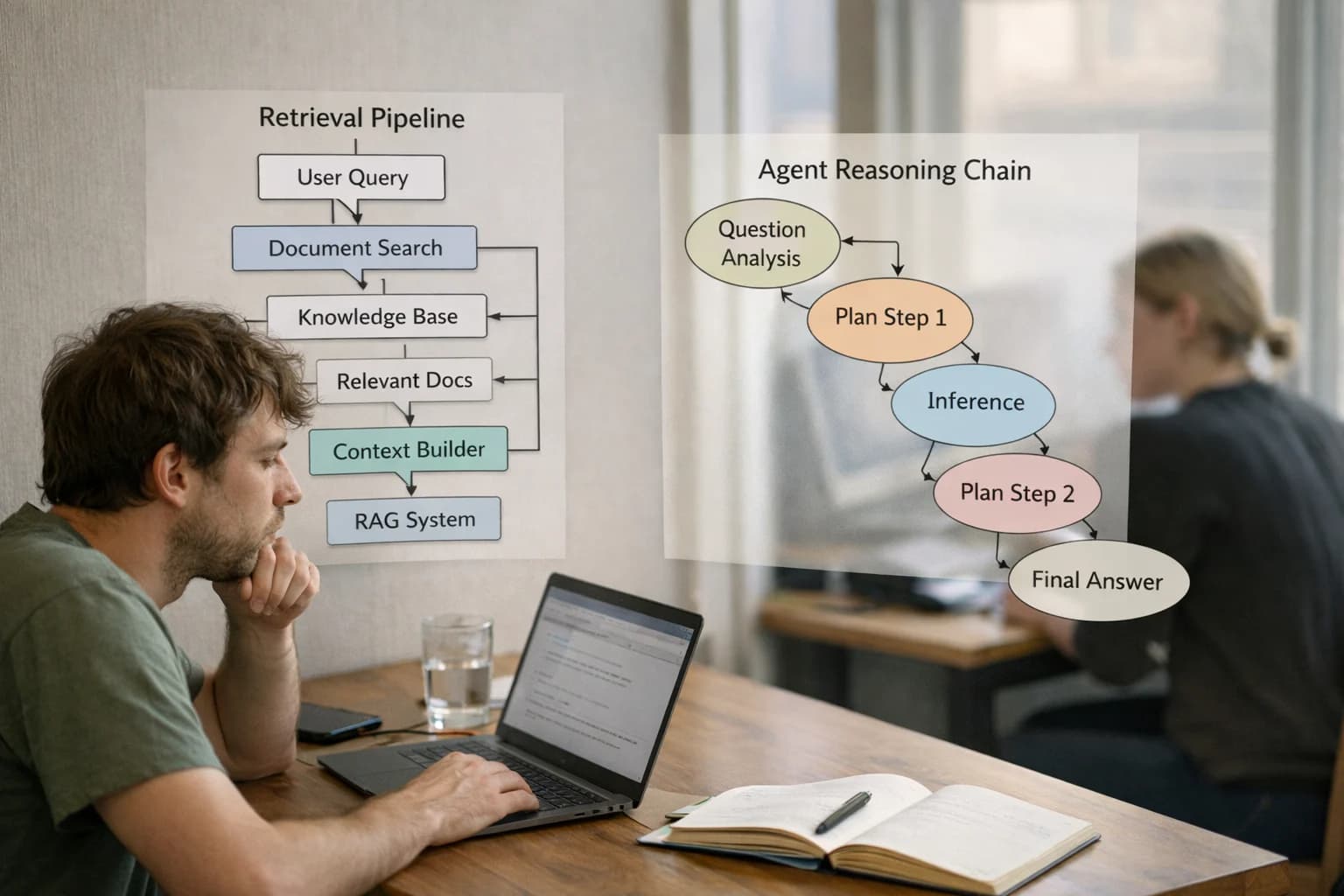
This page details a custom internal service workflow where a chat agent (e.g., integrated with Teams or Slack) allows employees to ask natural language questions about ESG performance. It explains the RAG architecture over the ESG data platform, secure data access controls, and generation of charts or summaries, democratizing data access and reducing ad-hoc reporting requests on the central team.
How We Work
One-fit-all AI don't work for modern businesses. At Inferensys, we aim to understand your business & custom requirements; which we use to define most efficient agentic workflows, the data, and the tools for your business.
01
We understand the task, the users, and where AI can actually help.
Read more02
We define what needs search, automation, or product integration.
Read more03
We implement the part that proves the value first.
Read more04
We add the checks and visibility needed to keep it useful.
Read moreThe first call is a practical review of your use case and the right next step.
Talk to Us





