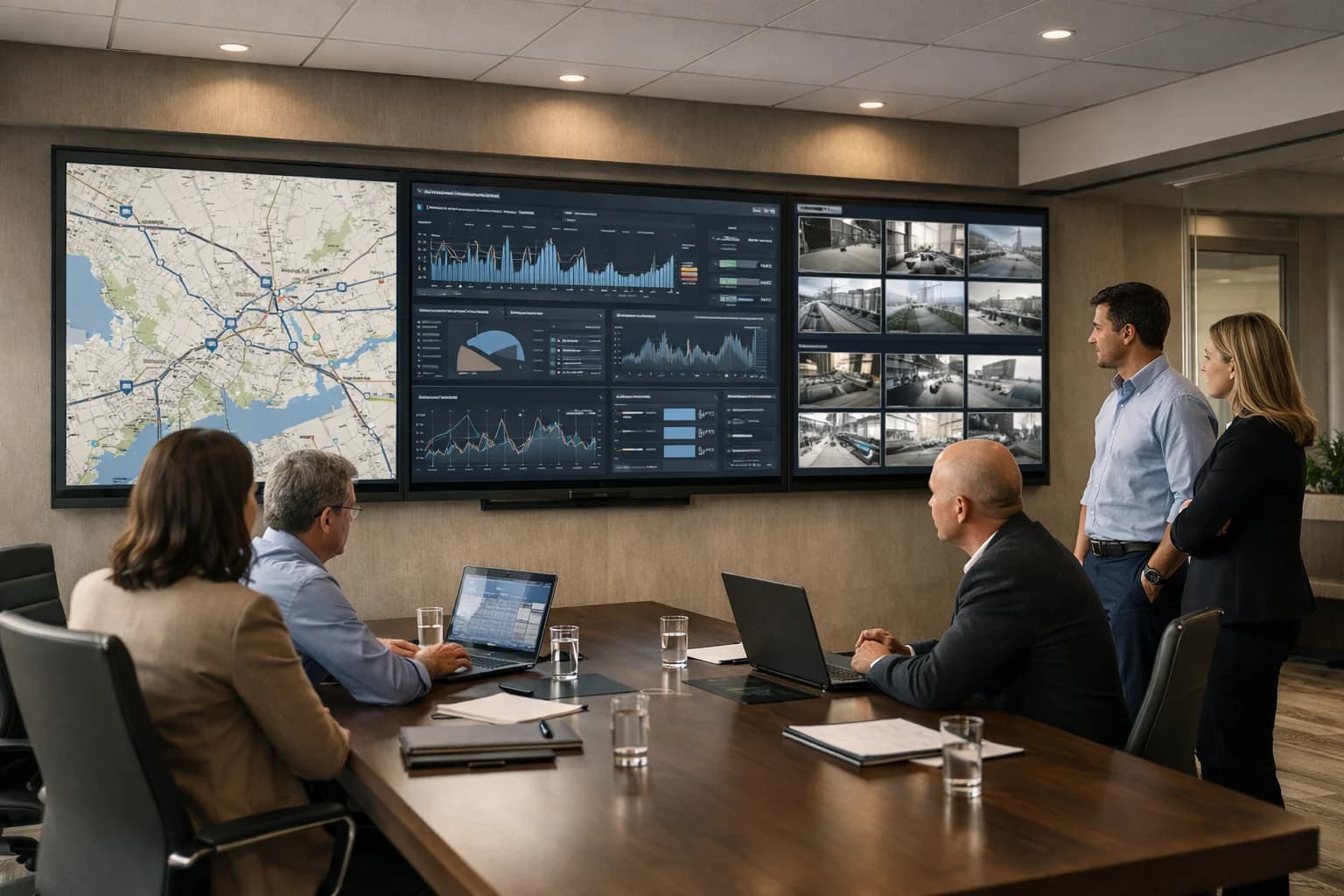
A foundational comparison of two AI-driven approaches for optimizing physical operations: real-time visual inspection and proactive layout simulation.
Comparison

A foundational comparison of two AI-driven approaches for optimizing physical operations: real-time visual inspection and proactive layout simulation.
Computer Vision for Inspection excels at real-time, high-accuracy defect detection because it directly analyzes pixel data from cameras and sensors using models like YOLOv11 or Segment Anything (SAM). For example, systems can achieve >99.5% accuracy in identifying packaging flaws or damaged goods on a conveyor belt, directly impacting On-Time-In-Full (OTIF) metrics by preventing faulty shipments. This approach is data-driven, relying on vast streams of real-world imagery to train convolutional neural networks (CNNs) and Vision Transformers (ViTs) for precise anomaly classification.
3D Simulation for Layouts takes a different approach by creating a generative, digital twin of the warehouse environment using tools like NVIDIA Omniverse or AnyLogic. This strategy allows for proactive optimization of material flow, storage density, and worker paths through millions of simulated what-if scenarios before any physical change is made. The trade-off is a shift from reactive, asset-level monitoring to proactive, system-level planning, requiring significant upfront modeling effort but offering long-term efficiency gains.
The key trade-off: If your priority is immediate quality control and reducing shipment errors, choose Computer Vision for its direct impact on operational KPIs. If you prioritize long-term capital efficiency, resilience planning, and optimizing throughput, choose 3D Simulation to de-risk layout changes and model complex disruptions. For a holistic strategy, these technologies are complementary pillars within a broader AI Predictive Maintenance and Digital Twins for SCM architecture, much like how Sensor-Based Anomaly Detection vs Digital Twin Simulation compares real-time monitoring with scenario modeling.
Direct comparison of AI for visual defect detection against generative AI for warehouse optimization.
| Metric | Computer Vision for Inspection | 3D Simulation for Layouts |
|---|---|---|
Primary Function | Real-time defect & anomaly detection | Generative layout optimization & flow simulation |
Key Accuracy Metric |
| ~15-30% throughput improvement predicted |
Typical Latency | < 100 ms for inference | Minutes to hours for simulation run |
Core Data Input | Real-time video/image streams | CAD models, historical flow data, constraints |
Output Type | Alert/classification (e.g., 'crack detected') | Optimized 3D layout, bottleneck analysis, KPIs |
Integration Complexity | Medium (IoT cameras, edge servers) | High (WMS, ERP, material handling systems) |
ROI Driver | Reduced scrap & rework costs | Increased operational efficiency & asset utilization |
Key strengths and trade-offs at a glance for visual inspection versus layout optimization in supply chain management.
Specific advantage: Processes visual data at <100ms latency for immediate anomaly flagging. This matters for high-volume quality control on production lines, where detecting surface defects, mislabeled packages, or damaged goods in real-time prevents downstream failures and ensures OTIF (On-Time-In-Full) compliance.
Specific advantage: Leverages existing CCTV or IP camera infrastructure with pre-trained models (e.g., YOLOv11, DETR) for rapid deployment. This matters for retrofitting legacy warehouses where installing new sensor networks is cost-prohibitive, allowing quick wins in inventory forecasting accuracy by verifying stock levels visually.
Specific advantage: Uses generative AI and agent-based modeling (e.g., AnyLogic) to test thousands of warehouse configurations before physical changes. This matters for capital-intensive redesigns, optimizing material flow paths, picker routes, and storage zoning to boost throughput by 15-30% and improve dynamic route optimization.
Specific advantage: Simulates complex, multi-variable scenarios like supplier delays, labor shortages, or new product launches using digital twins. This matters for strategic supply chain resilience planning, enabling disruption scenario testing without operational risk. It provides defensible, data-backed layouts for long-term OTIF resolving capabilities.
Verdict: The essential choice for real-time quality control and asset health monitoring. Strengths: Directly addresses core operational KPIs like defect rate reduction and unplanned downtime. Systems using models like YOLOv11 or Segment Anything (SAM) can be deployed on edge devices (e.g., NVIDIA Jetson) for low-latency inference on production lines, providing immediate alerts. This is critical for maintaining On-Time-In-Full (OTIF) metrics by preventing defective goods from halting shipments. Integration with predictive maintenance platforms like Uptake creates a closed-loop system where visual anomalies trigger work orders. Weaknesses: Reactive by nature; it identifies problems that already exist. Requires significant, labeled historical defect data for training robust models.
Verdict: A strategic tool for long-term efficiency gains and capital planning. Strengths: Enables proactive optimization of warehouse flow and storage density before physical changes are made. Using generative AI and agent-based modeling (e.g., in AnyLogic), you can simulate millions of layout variations to maximize throughput or minimize travel time. This is invaluable for planning new facilities or major retrofits, directly impacting long-term operational costs. It supports digital twin initiatives for the entire facility. Weaknesses: Does not solve immediate, day-to-day inspection problems. High-fidelity simulations require expert configuration and computational resources, offering no direct ROI on stopping today's production flaws.
Choosing between real-time defect detection and strategic layout optimization requires a clear understanding of your operational priorities.
Computer Vision for Inspection excels at real-time, high-accuracy quality control because it directly analyzes pixel data from cameras using models like YOLOv11 or Segment Anything (SAM). For example, systems can achieve defect detection rates exceeding 99.5% with latencies under 100ms, directly impacting On-Time-In-Full (OTIF) metrics by preventing faulty goods from entering the supply stream. This approach is a cornerstone of modern predictive maintenance for fleet operations, where visual inspection of assets prevents costly downtime.
3D Simulation for Layouts takes a different approach by using generative AI and agent-based modeling (e.g., AnyLogic, NVIDIA Omniverse) to create a digital twin of the warehouse. This results in a trade-off: you sacrifice real-time operational control for long-term strategic optimization. The simulation can test thousands of layout and workflow scenarios to maximize throughput, but it requires accurate initial data and compute resources to run.
The key trade-off is between tactical reaction and strategic planning. If your priority is reducing immediate waste, ensuring quality, and maintaining fleet uptime through instant anomaly detection, choose Computer Vision. Its integration into real-time IoT data pipelines for maintenance is straightforward. If you prioritize long-term efficiency, capital expenditure planning, and resilience testing against disruptions like supplier failures, choose 3D Simulation. It enables scenario simulation that is critical for proactive SCM. For a comprehensive strategy, consider how these technologies complement each other within a broader AI Predictive Maintenance and Digital Twins framework, where inspection data feeds and validates the simulation models.
Contact
Share what you are building, where you need help, and what needs to ship next. We will reply with the right next step.
01
NDA available
We can start under NDA when the work requires it.
02
Direct team access
You speak directly with the team doing the technical work.
03
Clear next step
We reply with a practical recommendation on scope, implementation, or rollout.
30m
working session
Direct
team access